Background

Zöllnerhaus: A Renaissance Gem by the Burgtor

Discover the Zöllnerhaus in Lübeck, a Renaissance gem beside the historic Burgtor, offering a glimpse into the city's Hanseatic past and architectural beauty.

4.9

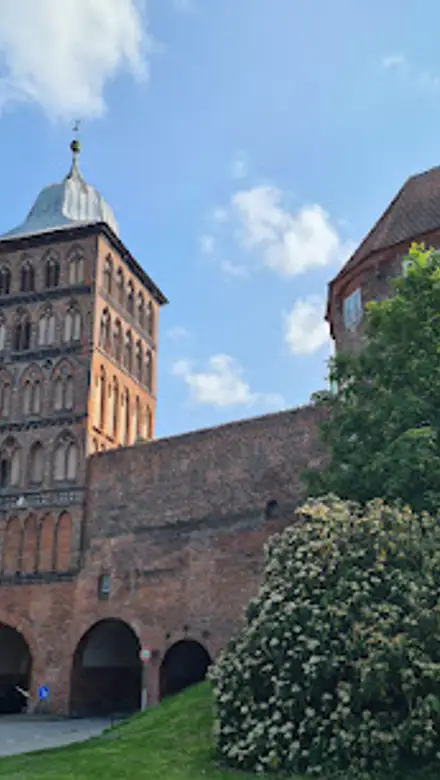
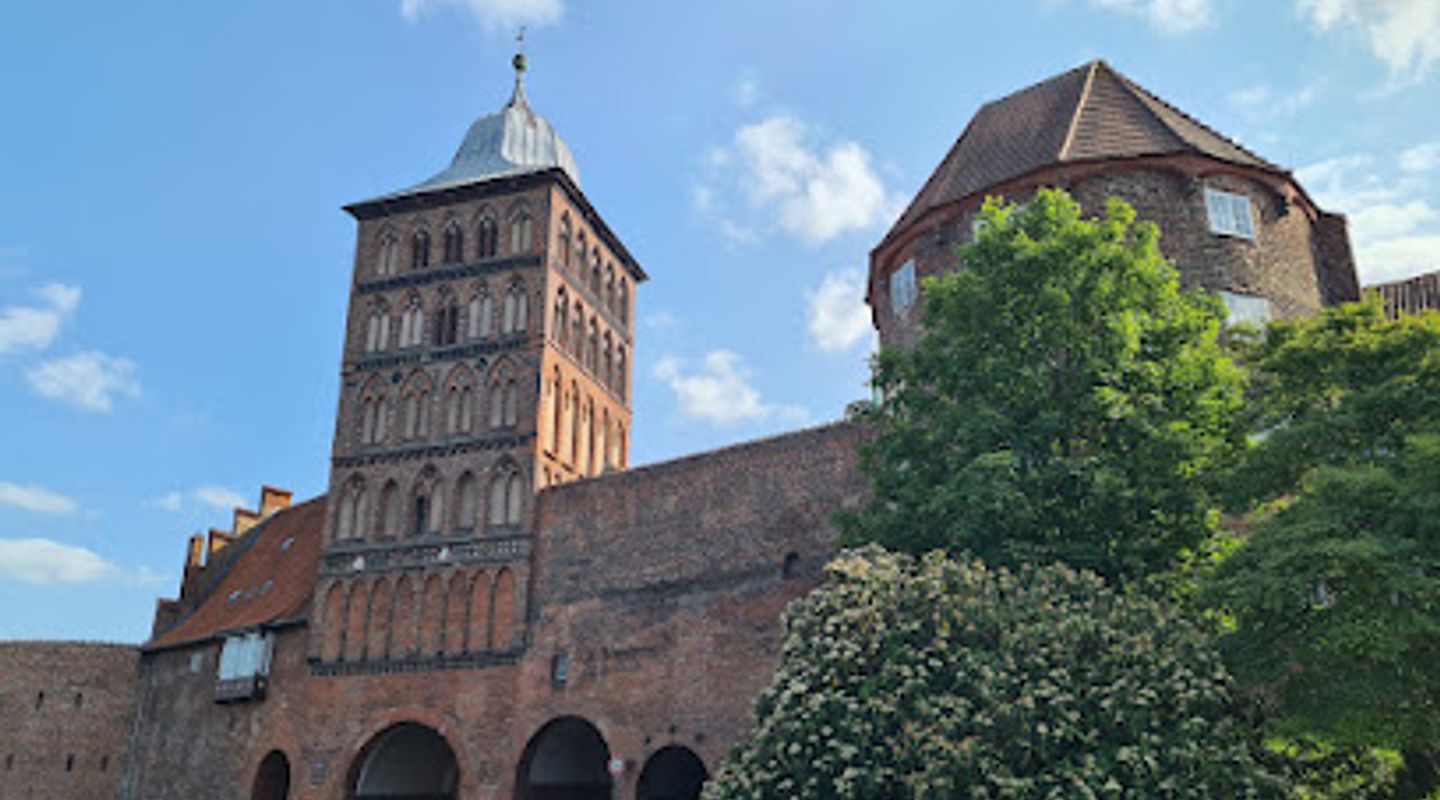
The Zöllnerhaus, a captivating Renaissance building dating back to 1571, stands proudly alongside Lübeck's historic Burgtor, offering visitors a glimpse into the city's rich past. Originally built as a customs house, the Zöllnerhaus has witnessed centuries of Lübeck's evolution, serving as a residence for notable figures like writer Ida Boy-Ed and museum director Carl Georg Heise. Today, its picturesque facade, adorned with terracotta friezes and a distinctive Renaissance portal, makes it a favorite subject for photographers and a cherished landmark within Lübeck's UNESCO World Heritage site. The building's connection to the Burgtor, its stunning views of the Trave River, and its location near other historical attractions make it a worthwhile stop for any traveler exploring Lübeck's old town. While the interior is not generally open to the public, admiring its architecture and learning about its history provides a unique insight into Lübeck's cultural heritage. Its location near the Burgtor and other attractions makes it easily accessible and a worthwhile addition to any walking tour of the city.

A brief summary to Zöllnerhaus

  • Burgtorbrücke 5, Lübeck, Lübecker Altstadt, 23552, DE

Local tips

  • Capture the best photos of Zöllnerhaus from the Burgtorbrücke, offering a picturesque view of the building with the Trave River in the background.
  • Combine your visit with a tour of the nearby Burgtor and Burgkloster to delve deeper into Lübeck's medieval history.
  • Check out the Nasenschild (sign) of Alen Müller-Hellwig, the weaver who had her workshop in the Zöllnerhaus for many years.
widget icon

Getting There

  • Walking

    From Lübeck's city center or the Holstentor, the Zöllnerhaus is easily accessible by foot. Head north along the Große Burgstraße, following signs for the Burgtor. The walk is approximately 15-20 minutes, offering views of the historic old town. The Zöllnerhaus is located directly adjacent to the Burgtor on Burgtorbrücke 5.

  • Public Transport

    If arriving by public transport, take bus lines 12, 31, 40, or 8720 to the 'Lübeck Burgtorfriedhof' stop, which is right next to the Burgtor. From there, the Zöllnerhaus is a very short walk across the Burgtorbrücke. A short-distance ticket (Kurzstrecke) is sufficient for travel within the city center.

  • Taxi/Ride-Share

    Taxis and ride-sharing services are readily available in Lübeck. A ride from the main train station (Hauptbahnhof) to the Zöllnerhaus will take approximately 5-10 minutes, depending on traffic, and cost around €10-€15. Ask the driver to take you to the Burgtor (Burgtorbrücke 5).

  • Parking

    If driving, parking is available in several garages around the old town, including the Burgtor garage. From there, it's a short walk to the Zöllnerhaus. Parking fees typically range from €1.20 per hour to €6 per day.

Unlock the Best of Zöllnerhaus

Buy tickets

    No tickets available

Book tours with entry

    No tours available

Book tours without entry

    No tours available

Discover more about Zöllnerhaus

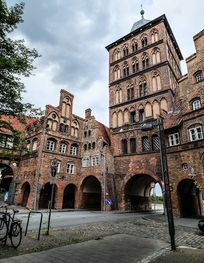
The Zöllnerhaus, intrinsically linked to Lübeck's Burgtor, presents a compelling architectural narrative that spans several centuries. Constructed in 1571 in the Renaissance style, this building served as the city's customs house, playing a vital role in Lübeck's thriving trade during its Hanseatic League heyday. Its location, directly adjacent to the Burgtor, the northern gate of the old city, underscores its historical significance as a point of control and taxation for goods entering Lübeck. The building itself is a striking example of Renaissance architecture, characterized by its red-brick facade and decorative elements. A terracotta frieze, crafted by the workshop of Statius von Düren, adorns the facade, showcasing the Lübeck double eagle and the Mecklenburg griffin, symbols of the city's power and alliances. The Renaissance portal, with its rounded arch in brick, adds to the building's aesthetic appeal. A wooden oriel, added later in a Neo-Renaissance style, echoes motifs found on the Marstall-Erker, further blending the building into its historical surroundings. Over the centuries, the Zöllnerhaus has undergone several transformations, reflecting the changing fortunes of Lübeck. With the abolition of the 'Torsperre' (gate closure) and the diminishing importance of customs duties, the building became obsolete as a customs house. In the 19th century, increased traffic through the Burgtor necessitated the creation of additional passageways, one of which was carved through the ground floor of the Zöllnerhaus in 1875, altering its original structure. In the 20th century, the Zöllnerhaus transitioned into a residential building, becoming home to notable figures in Lübeck's cultural scene. Writer Ida Boy-Ed, a celebrated figure in the city, was granted lifelong residency in the Zöllnerhaus in 1912, as a tribute to her contributions to Lübeck's literary landscape. During his visits to Lübeck, Thomas Mann, the Nobel laureate and son of the city, often stayed with Boy-Ed at the Zöllnerhaus. Later, Carl Georg Heise, the director of Lübeck's museums and a champion of modern art, resided in the building from 1928 to 1933, further cementing its connection to the city's artistic heritage. Following Heise's departure, weaver Alen Müller-Hellwig established her workshop in the Zöllnerhaus in 1934, continuing her craft there until 1992. Her husband operated a violin-making workshop in the Burgtor tower. The sign of Alen Müller-Hellwig still hangs on the building. The workshop was taken over by her last apprentice Ruth Löbe (1959–2016), who continued it until her death in 2016. Since 2016, drummer Sören "Max" Zeidler has lived with his family in the Zöllnerhaus and runs the drum school "Max Zeidler's Drumburg" in the tower of the Burgtor. Today, the Zöllnerhaus stands as a protected historical monument, its exterior and 18th-century interior hall preserved as testaments to its rich past. While the interior is not generally accessible to the public, its architectural details and historical significance make it a captivating landmark to admire from the outside. Its location, nestled beside the Burgtor and overlooking the Trave River, offers stunning views and a tangible connection to Lübeck's Hanseatic heritage. Visiting the Zöllnerhaus provides a unique opportunity to step back in time and imagine the bustling trade and cultural exchange that once defined Lübeck. Its proximity to other historical attractions, such as the Burgtor, the Burgkloster, and the European Hansemuseum, makes it an integral part of any exploration of Lübeck's old town. Whether you are an architecture enthusiast, a history buff, or simply a traveler seeking to immerse yourself in the atmosphere of a UNESCO World Heritage site, the Zöllnerhaus offers a glimpse into the soul of Lübeck, a city shaped by trade, art, and the enduring legacy of the Hanseatic League. Exploring the area around the Zöllnerhaus offers further insights into Lübeck's history and culture. A short walk from the Zöllnerhaus leads to the Burgkloster, a former Dominican monastery that now forms part of the European Hansemuseum. The Burgkloster, with its impressive vaulted ceilings and historical significance, provides a deeper understanding of Lübeck's medieval past. The European Hansemuseum itself offers an engaging journey into the history of the Hanseatic League, showcasing the economic, cultural, and political significance of this powerful alliance. For those interested in art and literature, the nearby Behnhaus, once home to Carl Georg Heise, houses a collection of paintings and artifacts that reflect Lübeck's artistic heritage. The Buddenbrookhaus, the former home of Thomas Mann's family, offers a glimpse into the life and works of the Nobel laureate, providing a literary counterpoint to the Zöllnerhaus's architectural and historical significance. In conclusion, the Zöllnerhaus is more than just a building; it is a living testament to Lübeck's rich and multifaceted history. Its Renaissance architecture, its connection to the Burgtor, and its association with notable figures in Lübeck's cultural scene make it a must-see destination for any traveler seeking to experience the essence of this Hanseatic city. Whether you are admiring its facade from the Große Burgstraße, capturing its image against the backdrop of the Trave River, or delving into its history through the stories of its former residents, the Zöllnerhaus offers a unique and unforgettable glimpse into the heart of Lübeck.

Popular Experiences near Zöllnerhaus

Popular Hotels near Zöllnerhaus

Select Currency