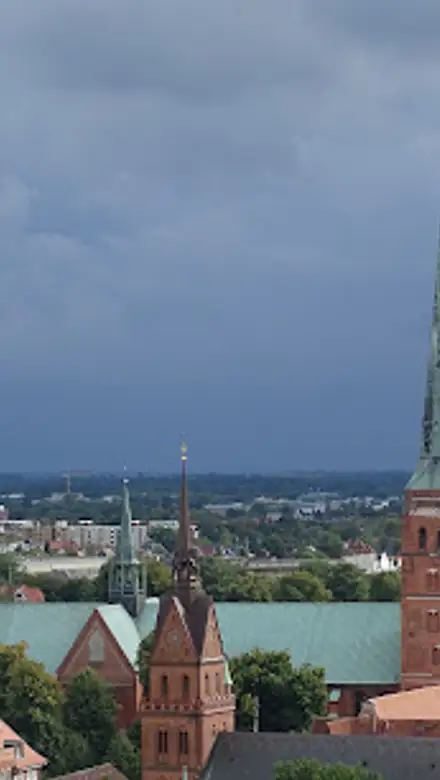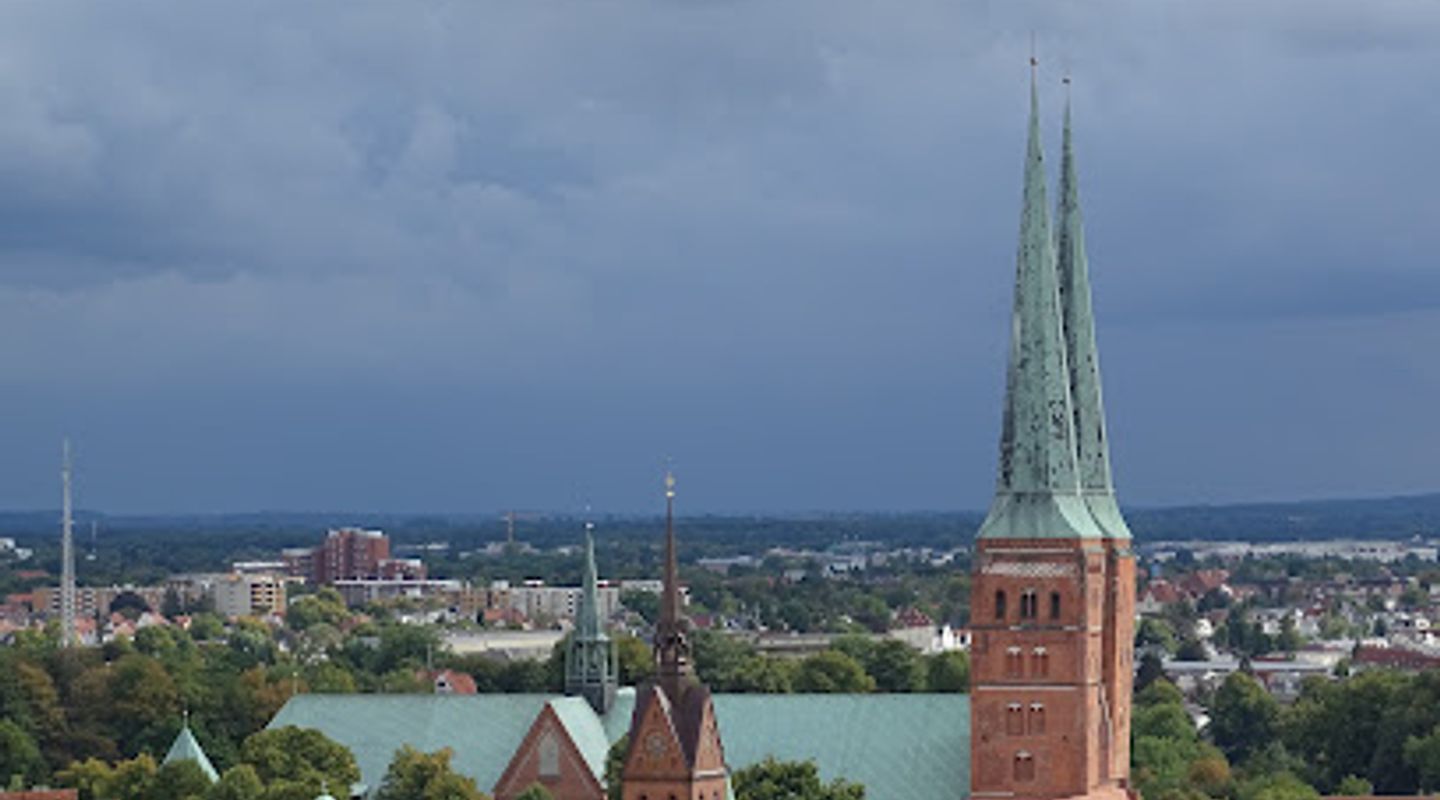
Lübeck Cathedral, Lubeck Travel Guide
Explore Lübeck Cathedral, a historic landmark showcasing stunning Gothic architecture, priceless art, and a resilient spirit in the heart of Lübeck's UNESCO-listed Old Town, offering a serene and enriching experience.
Lübeck Cathedral, or Lübecker Dom, is a magnificent Lutheran cathedral that stands as a powerful symbol of Lübeck's history and resilience. Founded in 1173 by Henry the Lion, it showcases a blend of Romanesque and Gothic architectural styles. Severely damaged during World War II, the cathedral has been meticulously restored, housing invaluable art treasures such as Bernt Notke's Triumphal Cross. Visitors can explore its awe-inspiring interior, attend services, and appreciate the rich musical heritage fostered within its walls. Located on the southern edge of Lübeck's Old Town, a UNESCO World Heritage site, the cathedral is easily accessible and offers a serene escape, inviting contemplation and reflection amidst its stunning architecture and historical significance. A visit promises an enriching experience, connecting you to centuries of faith, art, and the enduring spirit of Lübeck.
A brief summary to Lübeck Cathedral
- Mühlendamm 2-6, Lübeck, Lübecker Altstadt, 23552, DE
- Click to display
- Click to display
- Monday 10 am-4 pm
- Tuesday 10 am-4 pm
- Wednesday 10 am-4 pm
- Thursday 10 am-4 pm
- Friday 10 am-4 pm
- Saturday 10 am-4 pm
- Sunday 10 am-4 pm

Know before you go
Hi, I'm Eve. Here are a few practical things to know before exploring Lübeck Cathedral.
- Visit during a service or concert to experience the cathedral's exceptional acoustics and spiritual atmosphere.
- Take time to explore the surrounding cathedral quarter, an oasis of green spaces and historic buildings.
- Look for the Triumphal Cross by Bernt Notke, a masterpiece of late medieval art.
- Check the cathedral's website for information on guided tours and special events.
- Combine your visit with a trip to the nearby St. Annen Museum to see the original altar by Hans Memling.
Do you manage this location?
Take control to get all the benefits, like improved information, better appearance, and stronger visibility across AI-powered discovery. Learn more about listing your business on Evendo
Activate your presenceOther nearby places you may find interesting
The closest places of the same kind, if this one is not quite what you had in mind.


Explore Lübeck Cathedral on the Map
A handpicked selection of must-see spots near Lübeck Cathedral, mapped for you.
Unlock the Best of Lübeck Cathedral
Buy tickets
-
No tickets available
Book tours with entry


Getting There
-
Walking
From Lübeck Markt (Market Square), head east, keeping St. Mary's Church (Marienkirche) on your right. Continue along the street, passing the Town Hall (Rathaus) on your left. Follow the road as it curves slightly to the right, and then turn left onto Mühlendamm. Lübeck Cathedral will be on your left in a few blocks. The walk is approximately 10-15 minutes. No costs are associated with this option.
-
Public Transport
From Lübeck Hauptbahnhof (Central Station), take bus lines 1, 2, 4, 6, 7, 9, 15, 16, or 17 to the Fegefeuer bus stop. From there, walk along Wallstraße for about 2 minutes to reach Lübeck Cathedral. A single bus fare is approximately €3.00.
-
Taxi/Ride-Share
A taxi or ride-share from Lübeck Hauptbahnhof to Lübeck Cathedral will take approximately 5-10 minutes, depending on traffic. The estimated cost is between €10-€15.
-
Driving
Driving directly to the cathedral is possible, but parking is limited in the immediate vicinity. The closest parking is Mühlenbrücke Parkplatz, a 2-minute walk away along Wallstraße. Parking fees at Mühlenbrücke Parkplatz are approximately €2.00 per hour.
Discover more about Lübeck Cathedral













Your all‑in‑one travel companion app
Explore expert travel guides, compare and book tours, experiences, hotels, and more—all from the palm of your hand. Download now for seamless trip planning wherever your wanderlust takes you.


Explore More of Lubeck
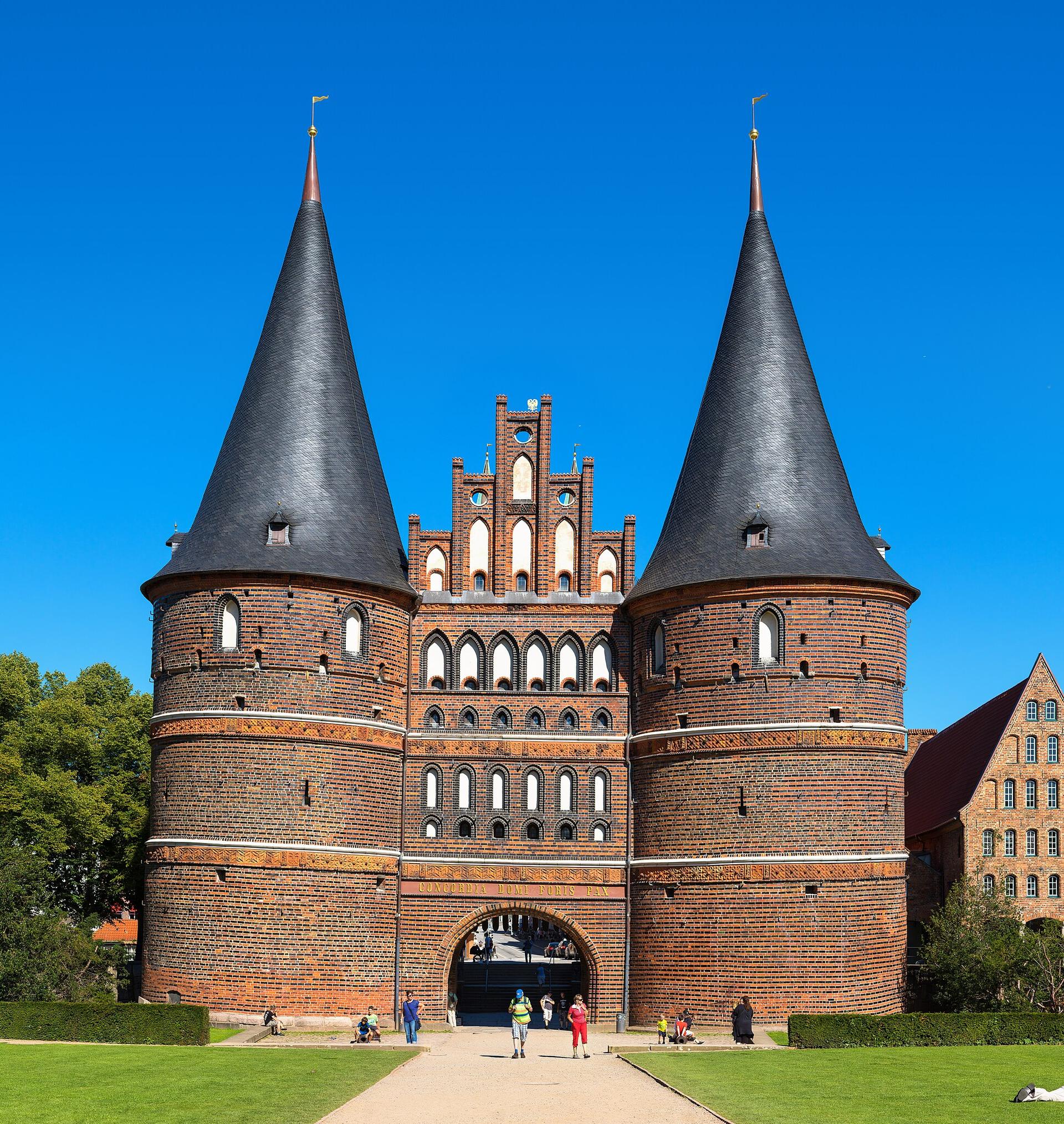
Looking beyond Lübeck Cathedral? Discover Lubeck for broader travel guides, local hot-spots, and regional highlights.
Explore Lubeck
Discover a peaceful retreat at St. Lawrence Church in Lübeck, a welcoming house of worship offering a serene escape and a glimpse into the local community's spiritual life.
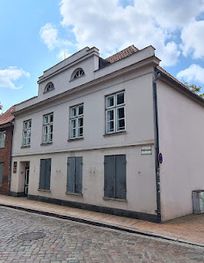
Discover the Pulvermacherhaus in Lübeck: A classical gem on the Mühlendamm, reflecting the city's Hanseatic heritage and architectural elegance from 1825.