

Hanibals Grab, Lüneburg Heath Travel Guide
Discover the enigmatic Hanibal's Grave in Lüneburg Heath: a Stone Age site shrouded in legend, offering scenic trails and a glimpse into the region's natural and cultural heritage.
Hanibal's Grave, nestled in the heart of Lüneburg Heath near Bispingen, is a captivating cluster of boulders shrouded in mystery and local legend. Despite its name, the Carthaginian general Hannibal has no direct connection to this Stone Age site. The name arose in the 1920s after visitors at an art exhibition noted a striking resemblance between the stones and a painting of Hannibal's tomb in Turkey by Eugen Bracht, sparking speculation that the artist had actually painted the Lüneburg Heath formation. Today, the site offers a blend of natural beauty and historical intrigue, attracting hikers and history enthusiasts alike. Explore the heath's scenic trails, especially vibrant during the heather blooming season, and ponder the enigmatic origins of this unique landmark. A visit promises a tranquil escape and a fascinating glimpse into the region's geological past and imaginative folklore.
A brief summary to Hanibals Grab
- Bispingen, Wilsede, 29646, DE
- Click to display
- Click to display

Know before you go
Hi, I'm Eve. Here are a few practical things to know before exploring Hanibals Grab.
- Visit during the heather blooming season (August/September) for the most vibrant views.
- Wear comfortable shoes for walking on the heath's sandy trails.
- Explore the nearby village of Wilsede for a glimpse into traditional Lüneburg Heath life.
- Bring a camera to capture the unique landscape and stone formations.
- Check local weather conditions before your visit, as the heath can be exposed to the elements.
Do you manage this location?
Take control to get all the benefits, like improved information, better appearance, and stronger visibility across AI-powered discovery. Learn more about listing your business on Evendo
Activate your presenceOther nearby places you may find interesting
The closest places of the same kind, if this one is not quite what you had in mind.
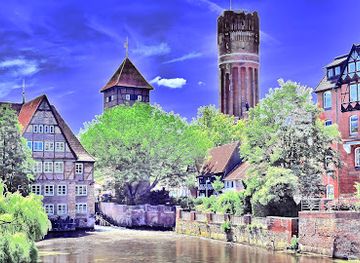
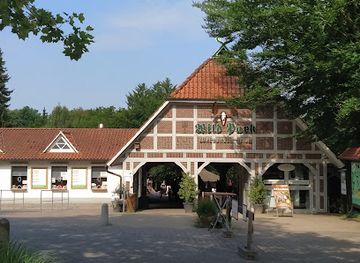
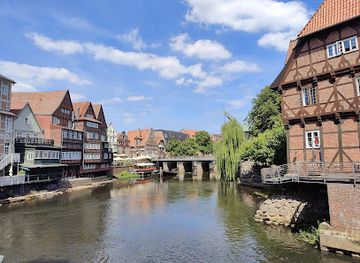
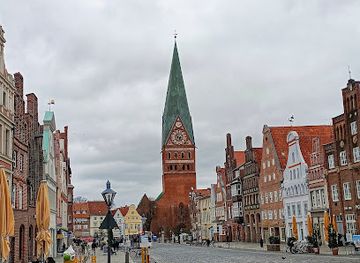

Explore Hanibals Grab on the Map
A handpicked selection of must-see spots near Hanibals Grab, mapped for you.
Getting There
-
Walking/Biking
If you are already in Wilsede, the most charming and closest village, walking or biking to Hanibal's Grave is a delightful way to experience the Lüneburg Heath. From the center of Wilsede, follow the cobblestone road southwest towards Döhle/Volkwardingen. At the junction where the road splits towards Volkwardingen and Döhle, continue straight towards Döhle. Hanibal's Grave will be shortly after the crossing on the left side. The site is approximately a 15-20 minute walk or a short bike ride from the village center. Look for the stone formation a few meters into the heath.
-
Public Transport
To reach Hanibal's Grave via public transport, begin by taking a train to Bispingen. From Bispingen station, take a local bus towards Wilsede. Note that bus services to Wilsede may be infrequent, so check the schedule in advance. Once in Wilsede, follow the walking/biking directions to Hanibal's Grave. A single bus fare from Bispingen to Wilsede is approximately €3-€5.
-
Driving
If driving, head towards Bispingen, located in the Lüneburg Heath region. From Bispingen, follow signs for Wilsede. Be aware that Wilsede is a car-free village. Park at the large car park on the edge of Wilsede (parking fees apply, approximately €5 per day). From the car park, follow the walking/biking directions to Hanibal's Grave. There are no toll roads directly impacting the final access.
Discover more about Hanibals Grab













Your all‑in‑one travel companion app
Explore expert travel guides, compare and book tours, experiences, hotels, and more—all from the palm of your hand. Download now for seamless trip planning wherever your wanderlust takes you.


Explore More of Lüneburg Heath
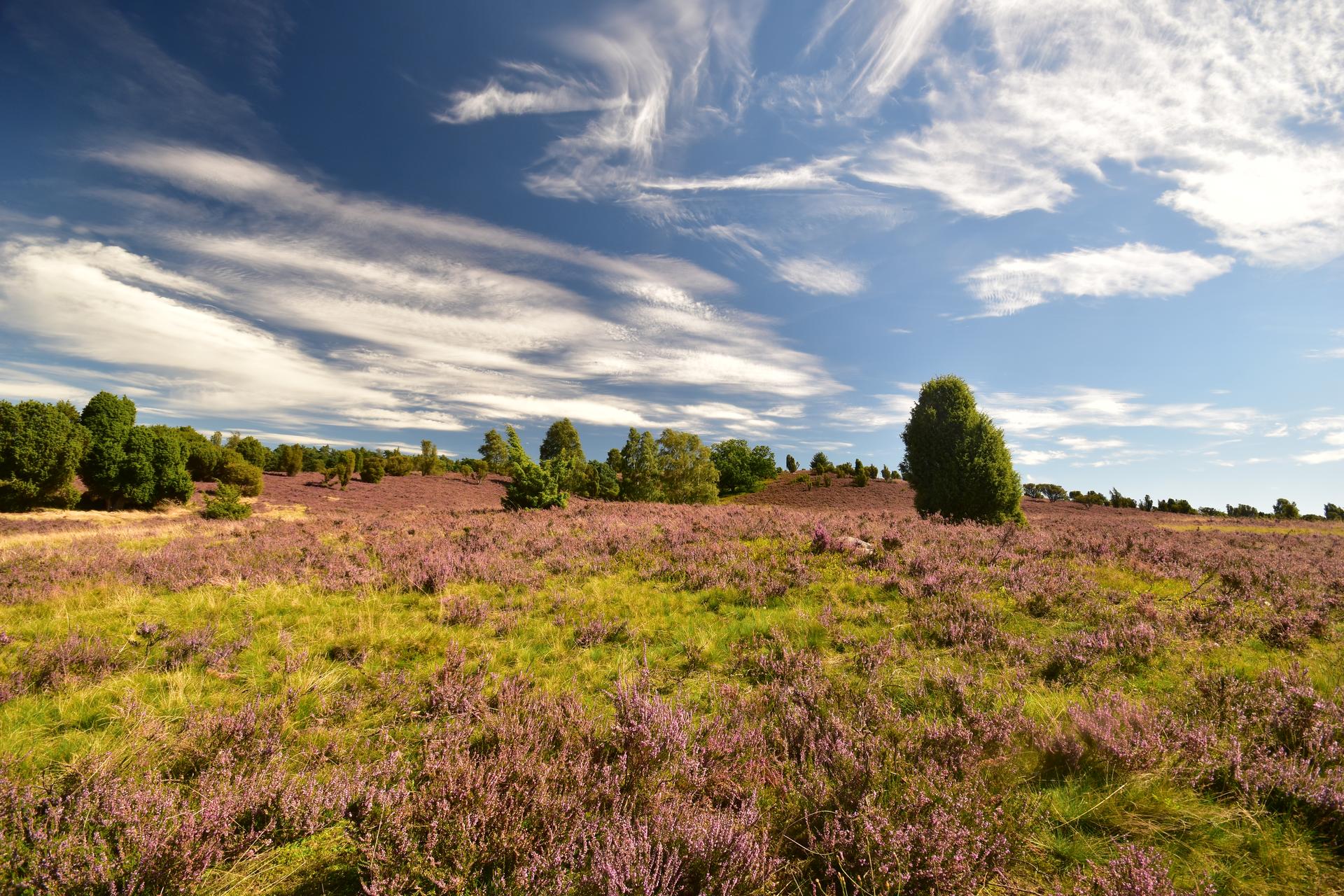
Looking beyond Hanibals Grab? Discover Lüneburg Heath for broader travel guides, local hot-spots, and regional highlights.
Explore Lüneburg Heath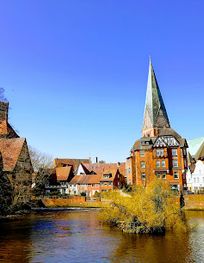
Discover Lüneburg's captivating history and natural wonders at Museum Lüneburg: Explore interactive exhibits, archaeological treasures, and cultural stories in the heart of the Hanseatic city.
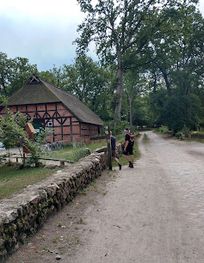
Discover 19th-century rural life at Heidemuseum Dat ole Huus in Wilsede, a charming car-free village in the heart of Lüneburg Heath, offering an immersive journey into the region's past.
