

Totengrund, Lüneburg Heath Travel Guide
Discover the mystical beauty of Totengrund in Lüneburg Heath: a unique Ice Age valley with stunning heather blooms, tranquil hiking trails, and a rich history of nature conservation.
Totengrund, meaning 'Dead Ground,' is a stunning dry valley nestled in the heart of the Lüneburg Heath Nature Reserve. Despite its name, it's a place teeming with life and breathtaking scenery. Formed during the Ice Age, this geological cirque offers a unique landscape of heather-covered hills, ancient juniper groves, and scattered erratic boulders. The valley is especially enchanting during the heather bloom in late summer, when the landscape transforms into a vibrant purple sea. Hiking trails wind around the valley's edge, providing panoramic views and a chance to immerse yourself in the serene beauty of the Lüneburg Heath. The area is car-free, ensuring a peaceful experience, and is accessible by foot, bike, or horse-drawn carriage, making it a perfect escape for nature lovers and those seeking tranquility.
A brief summary to Totengrund
- Bispingen, Wilsede, 29646, DE
- Click to display
- Click to display

Know before you go
Hi, I'm Eve. Here are a few practical things to know before exploring Totengrund.
- Visit during the heather blooming season (August/September) for the most vibrant purple landscapes, but be prepared for larger crowds.
- Explore the area on foot or by bike to fully appreciate the car-free tranquility and discover hidden corners of the heath.
- Consider a horse-drawn carriage ride for a traditional and relaxing way to experience the Lüneburg Heath landscape.
- Pack comfortable shoes and weather-appropriate clothing, as the trails can be sandy and the weather can change quickly.
- Visit early in the morning or late in the afternoon for the best light and a chance to see fog in the valley, creating a mystical atmosphere.
Do you manage this location?
Take control to get all the benefits, like improved information, better appearance, and stronger visibility across AI-powered discovery. Learn more about listing your business on Evendo
Activate your presenceOther nearby places you may find interesting
The closest places of the same kind, if this one is not quite what you had in mind.
Explore Totengrund on the Map
A handpicked selection of must-see spots near Totengrund, mapped for you.
Getting There
-
Walking
Totengrund is located within the car-free Lüneburg Heath Nature Reserve. The closest access points are the parking areas in the surrounding villages like Niederhaverbeck, Oberhaverbeck, Volkwardingen, Döhle, and Undeloh. From any of these parking lots, follow the well-marked hiking trails towards Wilsede and then to Totengrund. The walk from these parking areas to Totengrund typically takes between 1 to 2 hours, depending on the starting point and pace. Be prepared for sandy paths and gentle inclines. From Wilsede, it's approximately a 1-kilometer walk southeast to Totengrund, following the signposted paths.
-
Horse-drawn Carriage
A traditional way to reach Totengrund is by horse-drawn carriage from villages like Oberhaverbeck, Niederhaverbeck, Undeloh, Döhle, or Sudermühlen. The carriages will take you to Wilsede, from where you can walk the remaining distance (approx. 1 km) to Totengrund. Carriage rides typically cost around €10-€15 per person for a round trip to Wilsede, but prices may vary depending on the distance and the coachman. Check for accredited coachmen with the Lüneburg Heath logo for a reliable experience.
-
Public Transport
While Totengrund itself is not directly accessible by public transport, you can take a bus to a nearby village like Niederhaverbeck. From there, follow the hiking trails to Totengrund (approx. 1-2 hours walk). For example, from Bispingen, bus line 156 will take you to Oberhaverbeck Ortsmitte. Check local bus schedules for current fares and connections. From Oberhaverbeck, follow the signs towards Wilsede and Totengrund.
Discover more about Totengrund













Your all‑in‑one travel companion app
Explore expert travel guides, compare and book tours, experiences, hotels, and more—all from the palm of your hand. Download now for seamless trip planning wherever your wanderlust takes you.


Explore More of Lüneburg Heath
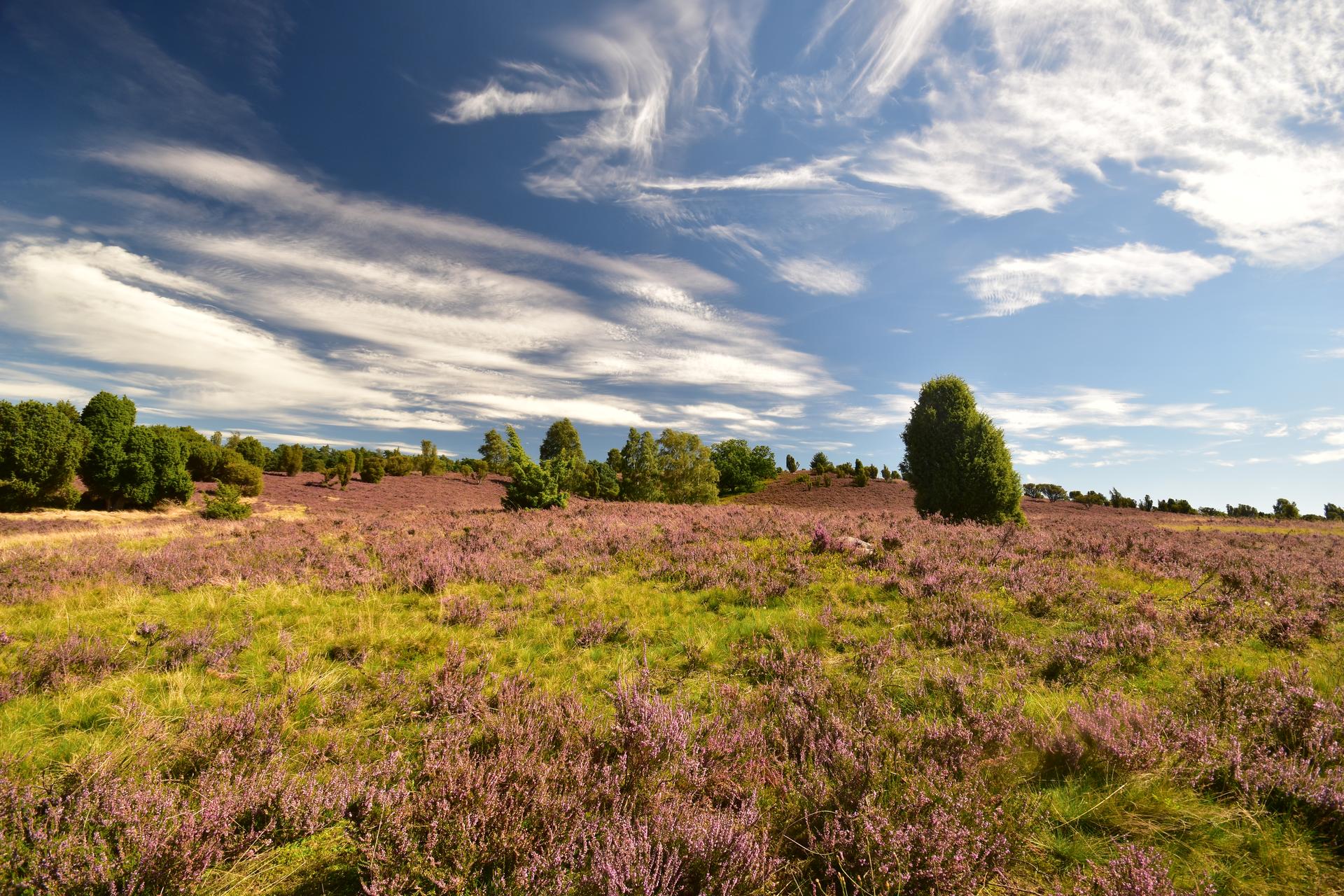
Looking beyond Totengrund? Discover Lüneburg Heath for broader travel guides, local hot-spots, and regional highlights.
Explore Lüneburg Heath
Stroll along Hamburg's iconic waterfront promenade, a tribute to actor Jan Fedder, offering stunning harbor views, architectural beauty, and a glimpse into the city's maritime history.
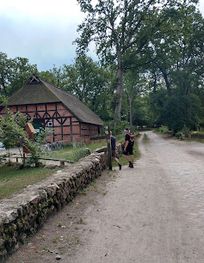
Discover 19th-century rural life at Heidemuseum Dat ole Huus in Wilsede, a charming car-free village in the heart of Lüneburg Heath, offering an immersive journey into the region's past.
