Wilseder Berg, Lüneburg Heath Travel Guide
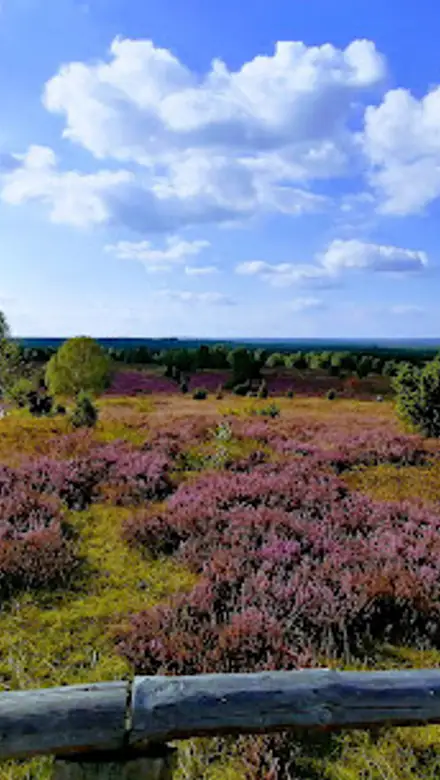
Discover panoramic views and tranquil heathlands at Wilseder Berg, the heart of Lüneburg Heath, a car-free nature reserve steeped in history and natural beauty.
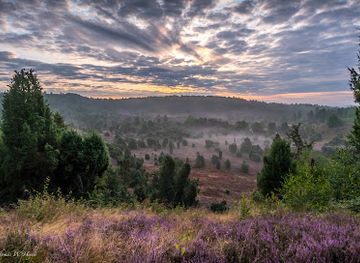
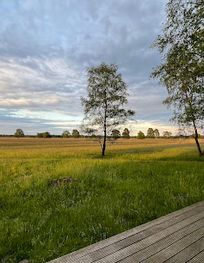
Ascend to Wilseder Berg, the highest point in the Lüneburg Heath, for panoramic views of this unique landscape. At 169 meters, it's not a towering peak, but its prominence in the otherwise flat terrain offers unparalleled vistas, especially when the heather blooms in late summer, painting the landscape in vibrant shades of purple. The surrounding area, a car-free nature reserve, invites exploration on foot, by bike, or via traditional horse-drawn carriage. Discover the heath's diverse flora and fauna, shaped by centuries of grazing and farming, and immerse yourself in the tranquility of this protected environment. Nearby, explore the mystical Totengrund valley and the historic village of Wilsede, preserving the charm of a pre-industrial heath community.
A brief summary to Wilseder Berg
- Bispingen, DE

Know before you go
Hi, I'm Eve. Here are a few practical things to know before exploring Wilseder Berg.
- Visit during the heather bloom (late July to early September) for the most spectacular views, when the landscape transforms into a sea of purple.
- Explore the area on foot or by bike to fully appreciate the tranquility of the car-free nature reserve.
- Take a horse-drawn carriage ride for a traditional and relaxing way to experience the heath.
- Pack comfortable shoes for hiking on sandy paths and be prepared for changing weather conditions.
- Visit the Heath Museum in Wilsede to learn about the history and culture of the Lüneburg Heath.
Do you manage this location?
Take control to get all the benefits, like improved information, better appearance, and stronger visibility across AI-powered discovery. Learn more about listing your business on Evendo
Activate your presenceOther nearby places you may find interesting
The closest places of the same kind, if this one is not quite what you had in mind.
Explore Wilseder Berg on the Map
A handpicked selection of must-see spots near Wilseder Berg, mapped for you.
Getting There
-
Driving
While Wilseder Berg itself is car-free, you can drive to parking areas on the periphery of the Lüneburg Heath Nature Reserve. Popular parking locations include Niederhaverbeck, Oberhaverbeck, Volkwardingen, Döhle, and Undeloh. From these car parks, follow well-marked hiking trails to Wilsede Berg. Parking fees typically range from €3-€5 per day. Be aware that parking areas can fill up quickly during peak season.
-
Public Transport
Reach the Lüneburg Heath region by train to Lüneburg or Hamburg. From there, take a bus to nearby villages like Bispingen or Schneverdingen. Buses 101 and 156 serve Niederhaverbeck. From the bus stops, it's a walk of approximately 45 minutes (3.4km) to Wilseder Berg. A single bus fare costs around €4-€6. Check local transport schedules for accurate timings.
-
Horse-drawn Carriage
For a unique experience, consider a horse-drawn carriage ride from parking areas around Wilseder Berg to the village of Wilsede. From Wilsede, it's a 20-minute walk to the summit. Carriage rides typically last 60-90 minutes each way and cost approximately €20-€30 per person. Advance booking is highly recommended.
Discover more about Wilseder Berg













Your all‑in‑one travel companion app
Explore expert travel guides, compare and book tours, experiences, hotels, and more—all from the palm of your hand. Download now for seamless trip planning wherever your wanderlust takes you.


Explore More of Lüneburg Heath
Looking beyond Wilseder Berg? Discover Lüneburg Heath for broader travel guides, local hot-spots, and regional highlights.
Explore Lüneburg Heath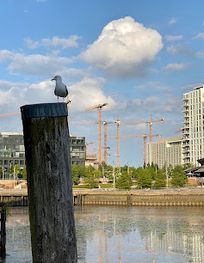
Explore Hamburg's maritime heritage at Vasco da Gama Square in HafenCity, a vibrant public space connecting history with modern architecture near the Elbphilharmonie and Speicherstadt.
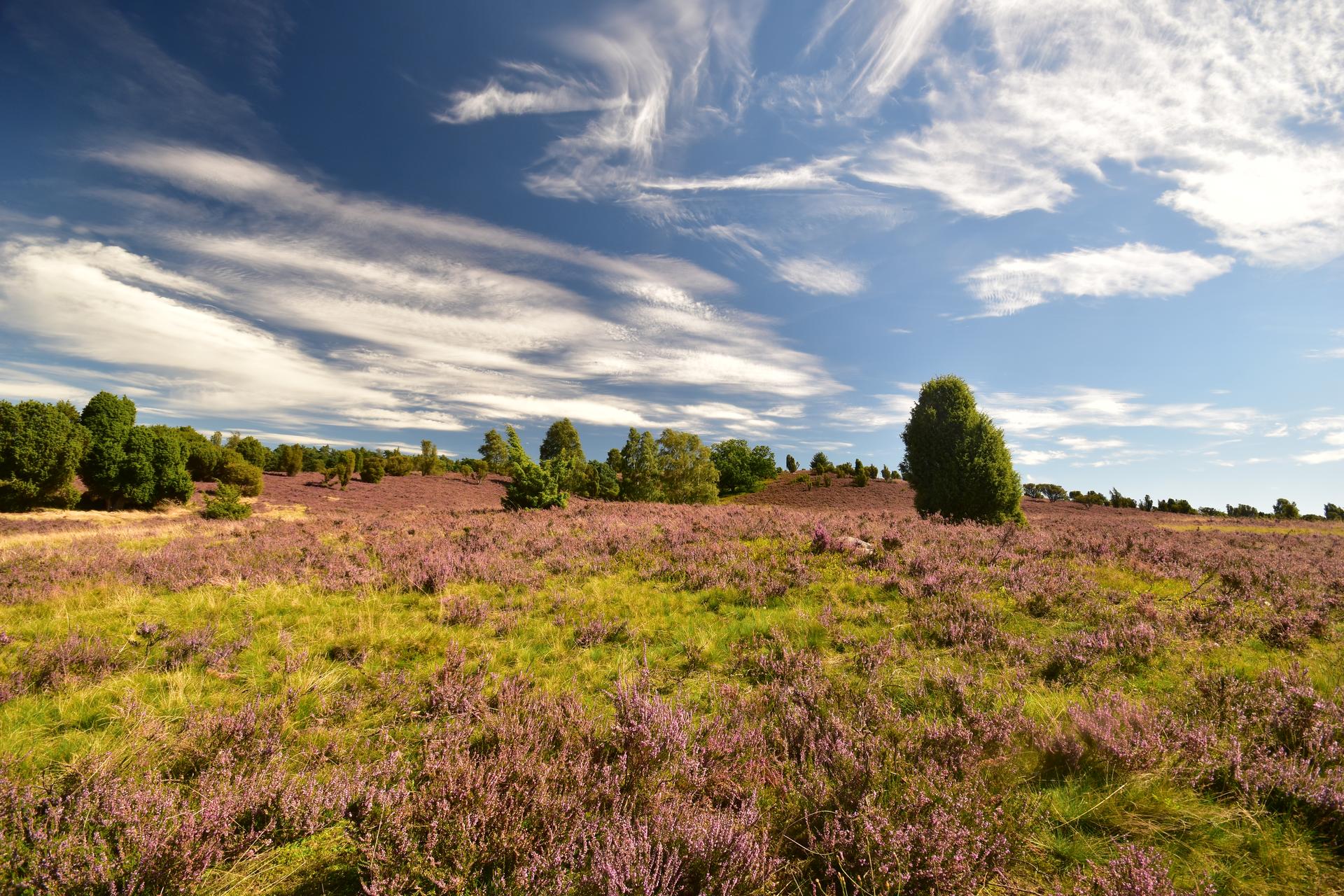
Discover the Lüneburg Heath: Explore Germany's largest heathland, a unique landscape of purple heather, ancient forests, and charming villages, perfect for hiking, cycling, and nature lovers.