Hofgarten, Munich Countryside Travel Guide
Escape to Munich's historic Hofgarten, a tranquil Italian Renaissance garden in the city center, offering beauty, history, and a peaceful retreat for locals and tourists alike.
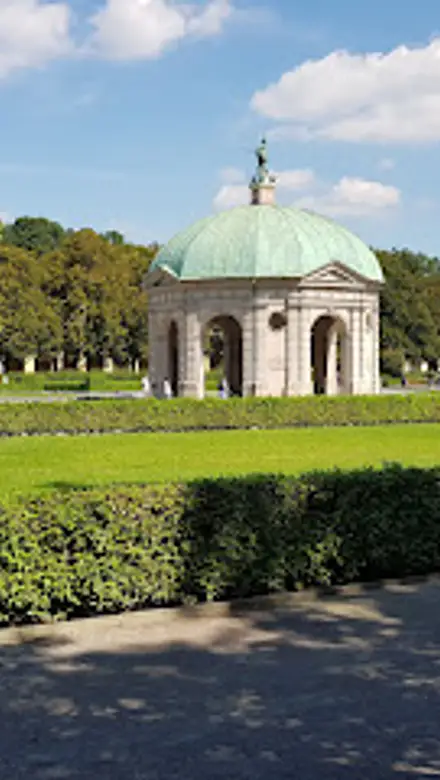
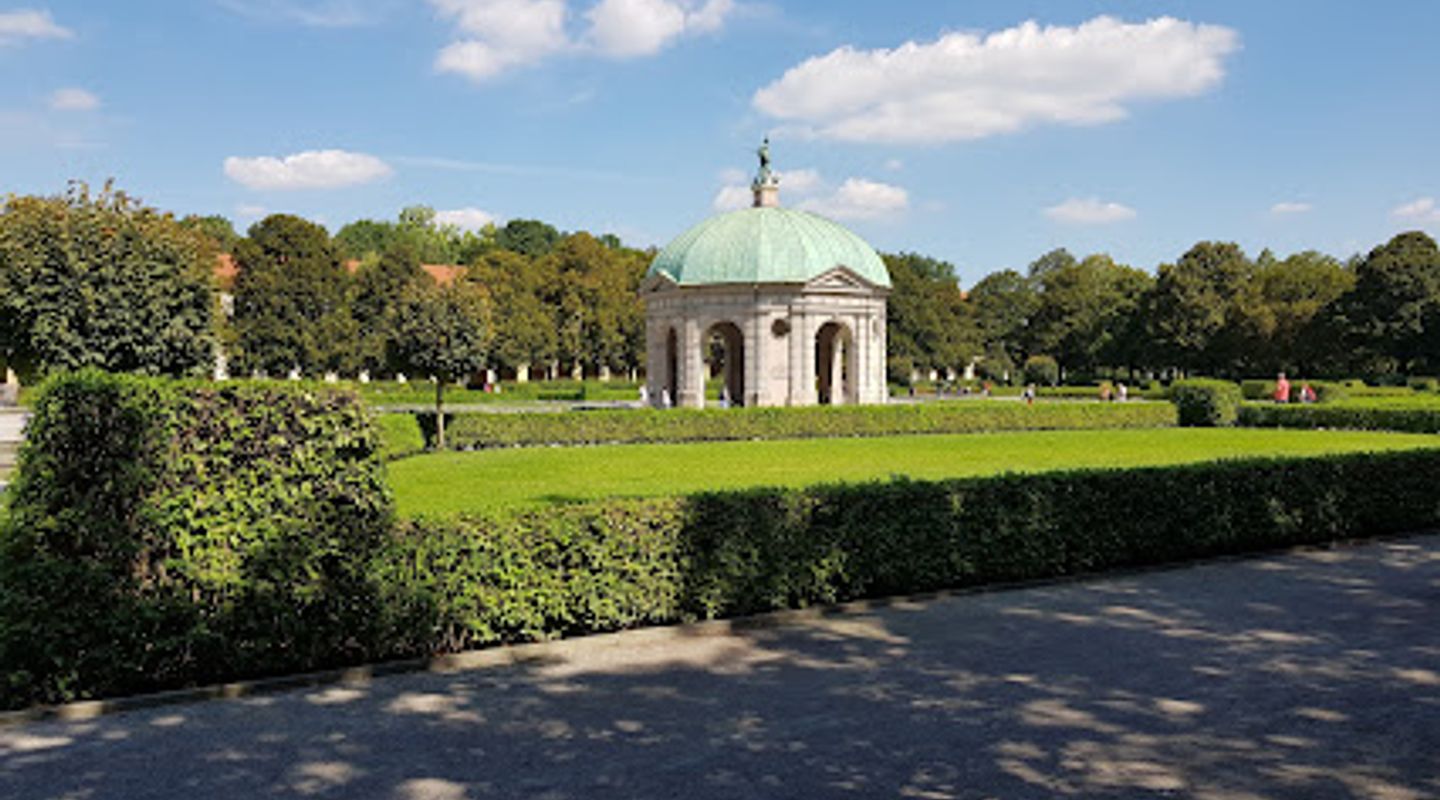
Nestled in the heart of Munich, the Hofgarten offers a serene escape from the city's hustle and bustle. This historic garden, dating back to the early 17th century, showcases Italian Renaissance design with symmetrical patterns, vibrant flower beds, and meticulously manicured lawns. The iconic Diana Pavilion stands at its center, an elegant structure adorned with frescoes and surrounded by radiating pathways. Bordered by significant buildings like the Residenz and the Bavarian State Chancellery, the Hofgarten provides a tranquil oasis for locals and tourists alike. Stroll through its arcades, discover hidden fountains, and perhaps catch an impromptu tango performance or a summer concert. With its rich history, architectural beauty, and central location, the Hofgarten is a must-visit destination for anyone seeking a moment of peace and beauty in Munich.
A brief summary to Hofgarten
- Hofgartenstraße 1, Munich, Altstadt-Lehel, 80538, DE
- Click to display

Know before you go
Hi, I'm Eve. Here are a few practical things to know before exploring Hofgarten.
- Visit during the summer months to see the flower beds in full bloom, adding vibrant colors to the serene landscape.
- Check for summer concerts held in the Diana Pavilion for a unique cultural experience in a picturesque setting.
- Explore the arcades surrounding the garden to discover murals depicting moments from the history of the House of Wittelsbach.
- Take a stroll through the Hofgarten in the early morning or late evening for a quieter, more contemplative experience.
- Combine your visit with a trip to nearby attractions such as the Residenz, Odeonsplatz, or the Englischer Garten for a full day of sightseeing.
Do you manage this location?
Take control to get all the benefits, like improved information, better appearance, and stronger visibility across AI-powered discovery. Learn more about listing your business on Evendo
Activate your presenceOther nearby places you may find interesting
The closest places of the same kind, if this one is not quite what you had in mind.
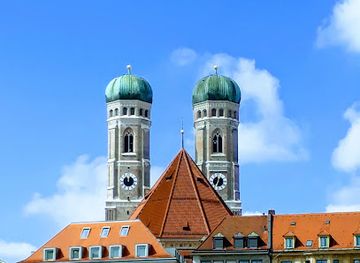
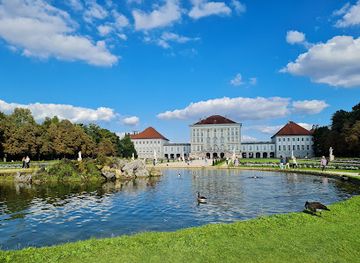
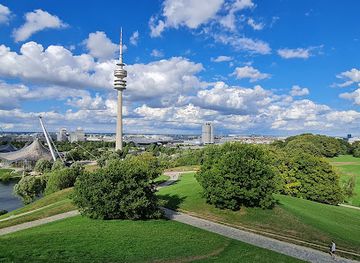
Explore Hofgarten on the Map
A handpicked selection of must-see spots near Hofgarten, mapped for you.
Unlock the Best of Hofgarten
Buy tickets
-
No tickets available
Book tours with entry


Getting There
-
Walking
From Odeonsplatz, the main entrance to the Hofgarten is directly accessible. Simply walk through the Hofgartentor gate, and you'll find yourself in the garden. This entrance is next to the Cafe Tambosi. From the Residenz, exit the palace complex and walk towards the Staatskanzlei; the Hofgarten will be on your left. The walk is short and straightforward, with no costs involved.
-
Public Transport
If arriving by U-Bahn, exit at Odeonsplatz station (U3, U4, U5, U6). From the station, the Hofgarten is a short walk towards Ludwigstraße. Follow the signs or ask for directions to the Hofgartentor. A single journey ticket for the Munich public transport system (MVV) within the inner district (zone M) costs €3.90.
-
Taxi/Ride-Share
A taxi or ride-share from Munich city center (e.g., Marienplatz) to the Hofgarten will typically cost between €8 and €12, depending on traffic. The drop-off point is usually near Odeonsplatz, from where you can easily walk into the garden.
-
Driving
Parking near the Hofgarten is limited and can be expensive. Underground parking is available at Max-Joseph-Platz, but it can fill up quickly. Expect to pay around €4-5 per hour for parking. With luck, you may find street parking on Odeonsplatz or Ludwigstraße, but these spots are often taken. Consider parking further away and taking public transport for the final leg of your journey.
Discover more about Hofgarten













Your all‑in‑one travel companion app
Explore expert travel guides, compare and book tours, experiences, hotels, and more—all from the palm of your hand. Download now for seamless trip planning wherever your wanderlust takes you.


Explore More of Munich Countryside
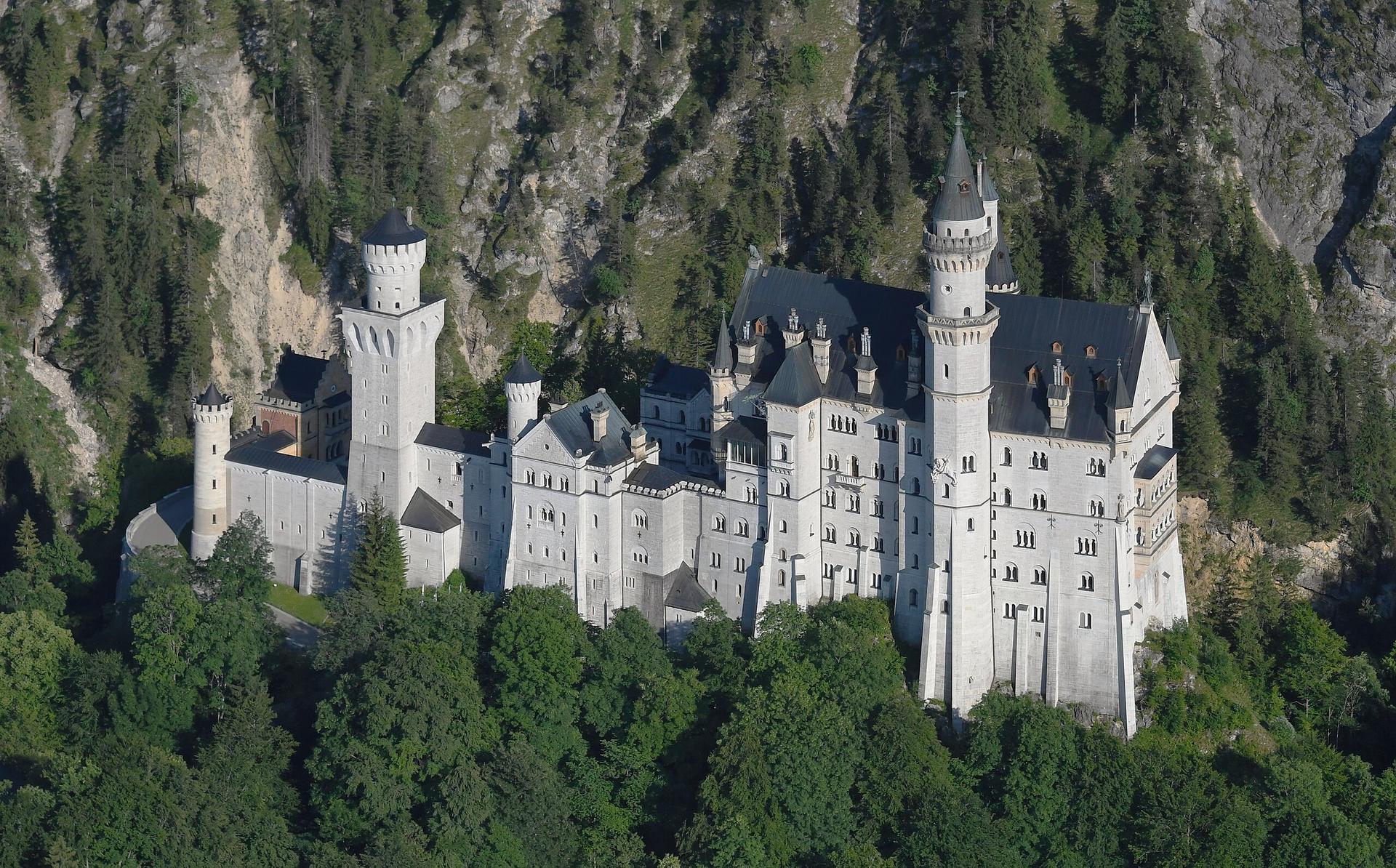
Looking beyond Hofgarten? Discover Munich Countryside for broader travel guides, local hot-spots, and regional highlights.
Explore Munich Countryside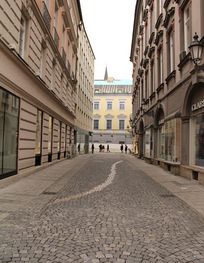
Explore Drückebergergasse, a hidden gem in Munich's heart, where history meets vibrant local culture amidst charming streets and delightful cafes.
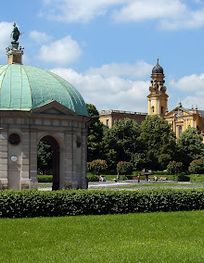
Explore the historic Dianatempel in Munich's stunning Hofgarten, a serene escape showcasing classical architecture and natural beauty.