Ludwigsburg Residential Palace, Stuttgart Travel Guide
Explore the 'Swabian Versailles': A Baroque palace with opulent state rooms, stunning gardens, and fascinating museums, offering a glimpse into German royalty.
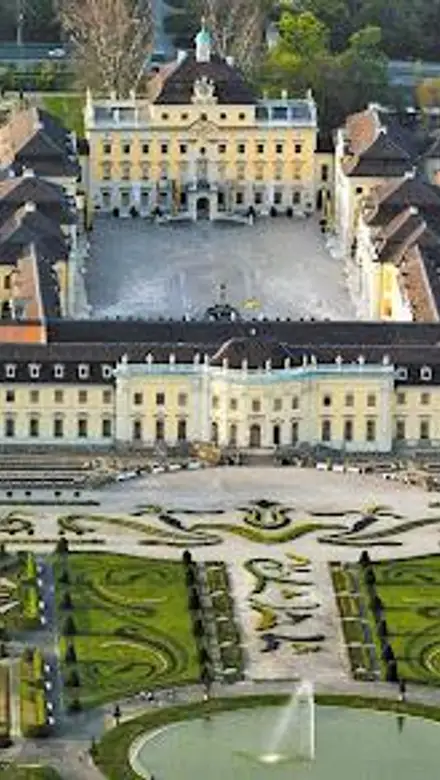
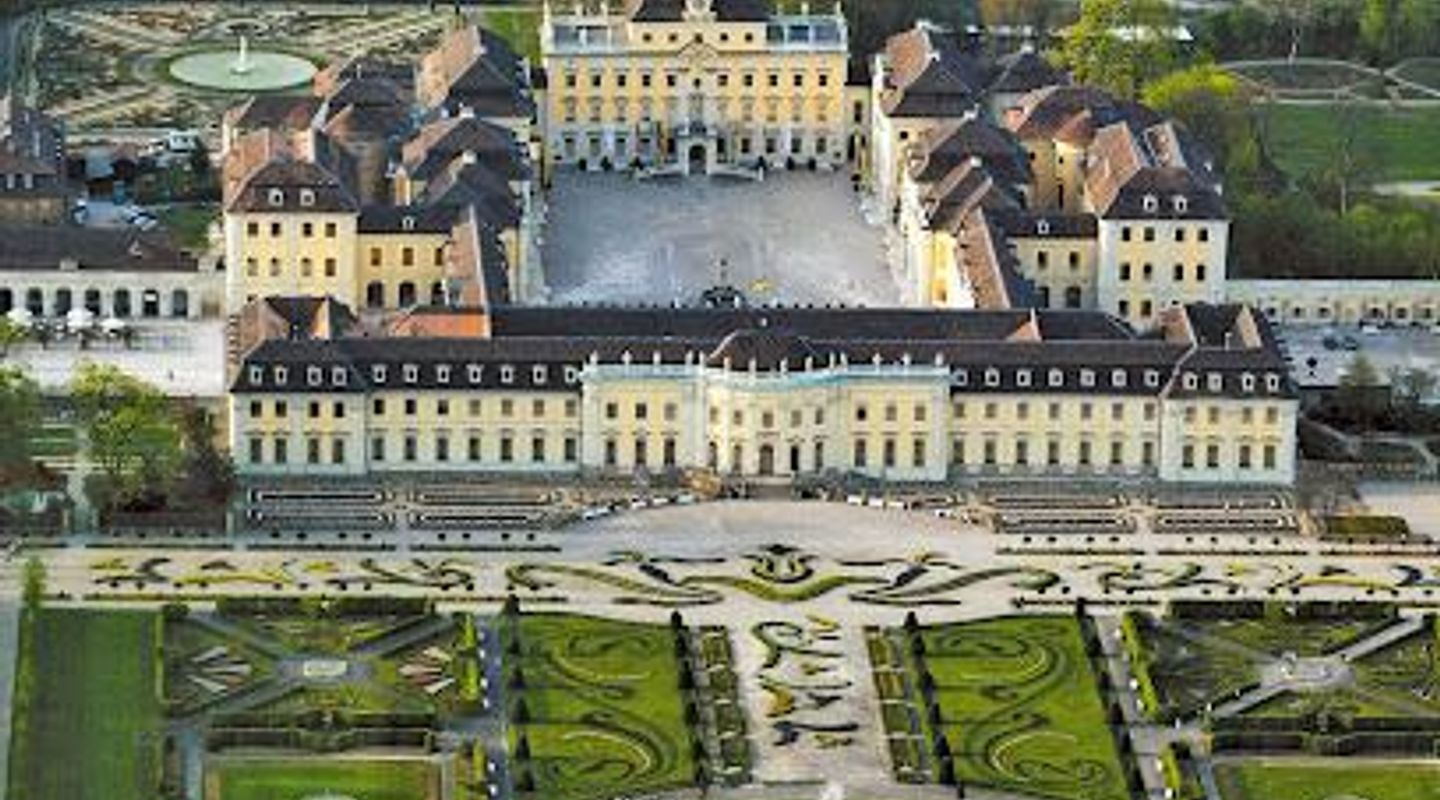
Ludwigsburg Residential Palace, often called the 'Swabian Versailles,' is one of Germany's largest and most impressive Baroque palaces. Built between 1704 and 1733 by Duke Eberhard Ludwig of Württemberg, it boasts 452 rooms spread across 18 buildings. The palace showcases a blend of architectural styles, from Baroque to Rococo and Neoclassical, reflecting the tastes of successive rulers. Visitors can explore opulent state rooms, wander through the stunning Baroque gardens (Blühendes Barock), and discover fascinating museums within the palace walls, including the Fashion Museum, the Ceramics Museum, and the Baroque Gallery. With its rich history, stunning architecture, and diverse attractions, Ludwigsburg Residential Palace offers a captivating glimpse into the lives of Württemberg royalty and a truly unforgettable experience.
A brief summary to Ludwigsburg Residential Palace
- Schlossstraße 30, Ludwigsburg, 71634, DE
- Click to display
- Click to display
- Tuesday 12 pm-3 pm
- Wednesday 12 pm-3 pm
- Thursday 12 pm-3 pm
- Friday 12 pm-3 pm
- Saturday 11 am-4 pm
- Sunday 11 am-4 pm

Know before you go
Hi, I'm Eve. Here are a few practical things to know before exploring Ludwigsburg Residential Palace.
- Visit during the Ludwigsburg Pumpkin Festival (late August to early November) for a unique experience with thousands of pumpkin varieties and sculptures.
- Enter via Schlossstraße to avoid paying the Blühendes Barock garden show entrance fee if you only want to visit the palace.
- Take a guided tour to fully appreciate the history and significance of the palace's many rooms and features. Tours are available in multiple languages.
- Check the schedule for concerts and performances in the palace's historic Baroque theater, one of the oldest in Europe.
- Allow ample time to explore both the palace and the extensive Blühendes Barock gardens, as there is much to see and discover.
Do you manage this location?
Take control to get all the benefits, like improved information, better appearance, and stronger visibility across AI-powered discovery. Learn more about listing your business on Evendo
Activate your presenceOther nearby places you may find interesting
The closest places of the same kind, if this one is not quite what you had in mind.
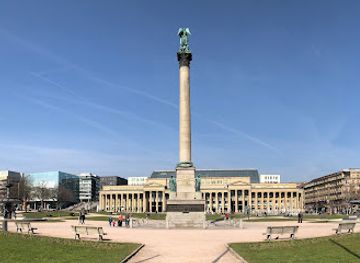


Explore Ludwigsburg Residential Palace on the Map
A handpicked selection of must-see spots near Ludwigsburg Residential Palace, mapped for you.
Unlock the Best of Ludwigsburg Residential Palace
Buy tickets
-
No tickets available
Book tours with entry
-
No tours available
Book tours without entry

Getting There
-
Public Transport
From Ludwigsburg train station, take bus lines 421, 427, 430, 443, or 444 to the Residenzschloss stop, which leaves you directly outside the palace. A single VVS ticket within tariff zone 2 costs approximately €2.50. The journey takes about 5-10 minutes.
-
Walking
From the Ludwigsburg Marktplatz (market square), walk east along Wilhelmstraße, then turn right onto Arsenalstraße. Continue straight, crossing the main road (Schlossstraße) at the pedestrian crossing. The palace entrance will be directly ahead. The walk is approximately 10 minutes.
-
Taxi/Ride-Share
A taxi or ride-share from Ludwigsburg train station to the palace entrance costs approximately €10-€15, depending on traffic. The journey takes about 5 minutes. Taxis are readily available at the train station.
-
Driving
If driving, follow signs to Ludwigsburg Residenzschloss. Parking is available at Parkhaus Schloss/Marstall and Mömpelgardstraße Parkplatz. Hourly parking rates range from €1.50-€2.50, with daily maximums around €10-€15. Be aware that parking can be limited during peak season and special events.
Discover more about Ludwigsburg Residential Palace
More to explore near Ludwigsburg Residential Palace













Your all‑in‑one travel companion app
Explore expert travel guides, compare and book tours, experiences, hotels, and more—all from the palm of your hand. Download now for seamless trip planning wherever your wanderlust takes you.


Explore More of Stuttgart
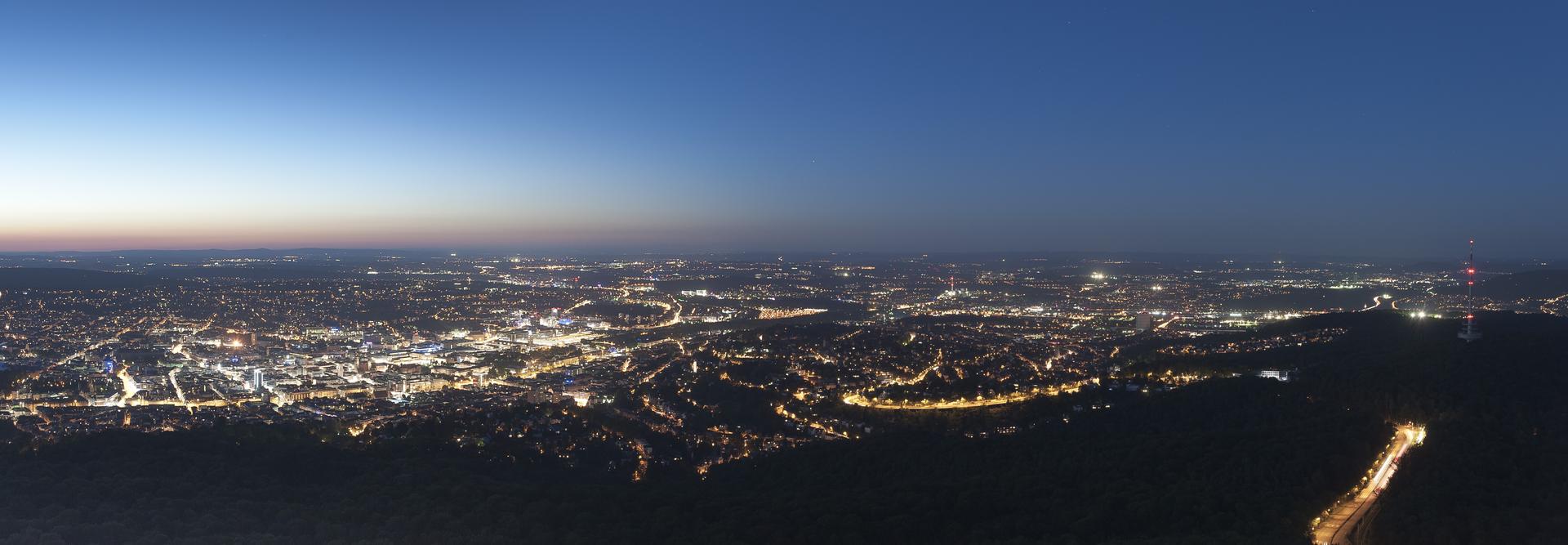
Looking beyond Ludwigsburg Residential Palace? Discover Stuttgart for broader travel guides, local hot-spots, and regional highlights.
Explore Stuttgart
Explore global cultures at Stuttgart's Linden Museum, home to 160,000 artifacts showcasing the art, history, and everyday life of non-European societies across Africa, Asia, the Americas, and Oceania.

Discover Schloss Favorite in Ludwigsburg: A Baroque hunting lodge with neoclassical interiors, surrounded by the tranquil Favoritepark, offering a royal escape into history and nature.