Wilhelmsburg, Swabia Travel Guide
Explore the Wilhelmsburg in Ulm: A historic fortress transformed into a vibrant cultural hub with stunning views, open-air theater, and fascinating tours.
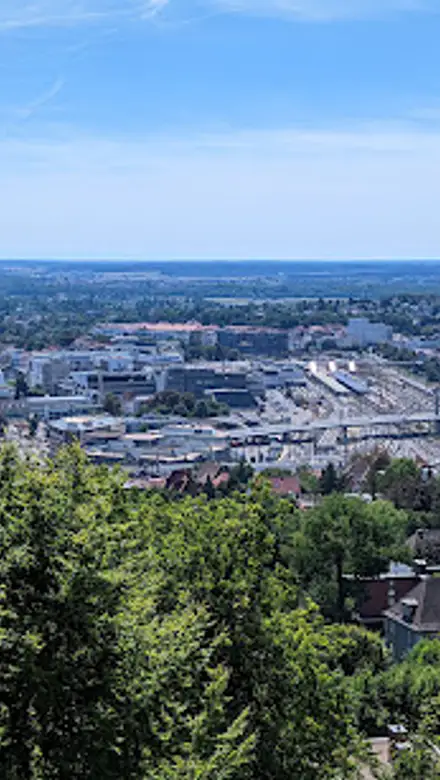
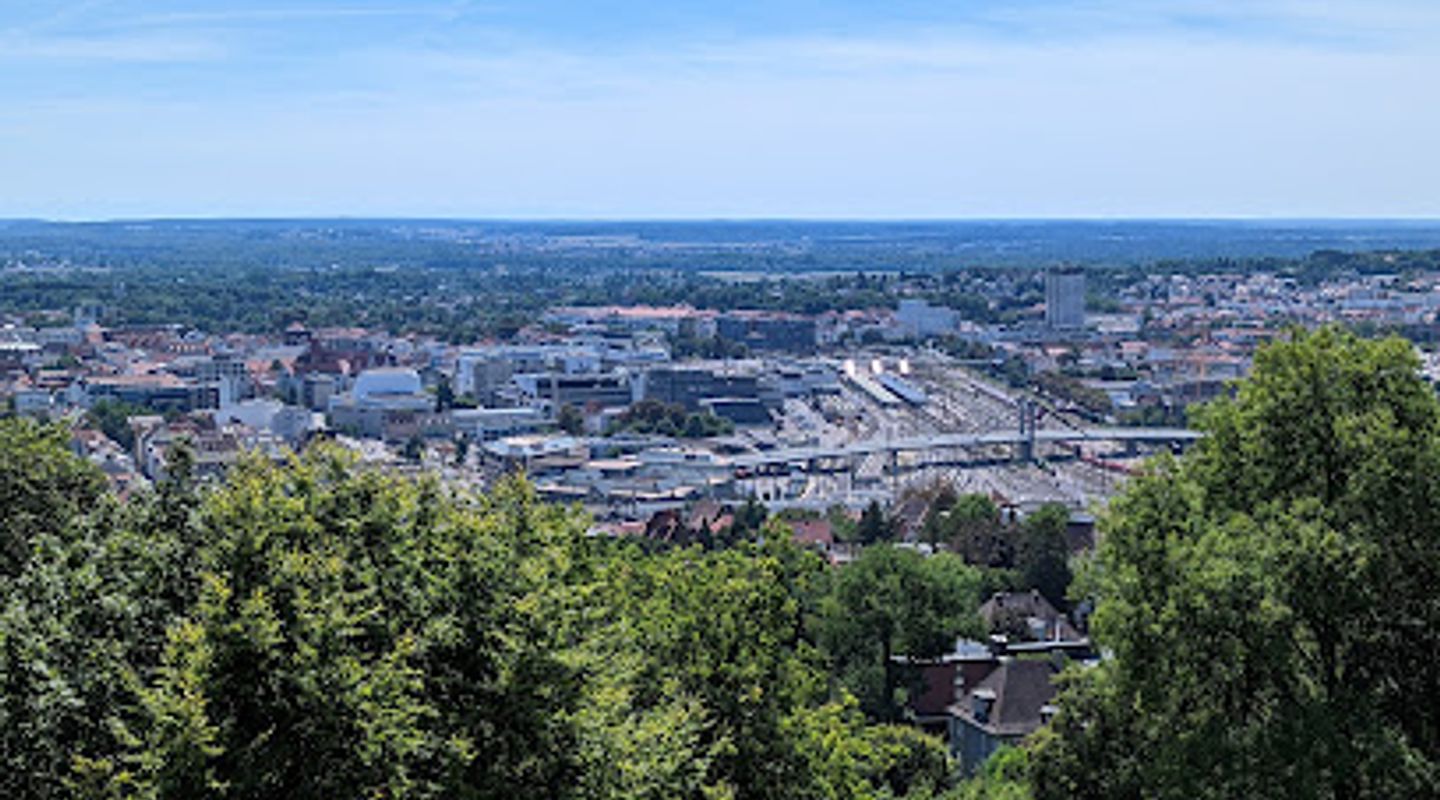
The Wilhelmsburg, a formidable fortress perched atop Ulm's Michelsberg hill, stands as a testament to 19th-century military engineering and a vibrant hub for contemporary culture. Constructed between 1842 and 1859 as part of the German Confederation's defenses, it is the largest building of the entire complex. This imposing citadel, once capable of housing nearly 7,000 soldiers, now welcomes visitors to explore its vast interior, attend open-air theater performances, and delve into its rich history. While offering panoramic views of Ulm and the surrounding Swabian landscape, the Wilhelmsburg provides a unique blend of historical exploration and cultural experiences. Its transformation from a military stronghold to a modern cultural venue makes it a compelling destination for history buffs and culture enthusiasts alike. The inner courtyard is accessible around the clock, while the interior spaces host a variety of events, ensuring there's always something new to discover within its ancient walls.
A brief summary to Wilhelmsburg
- Prittwitzstraße 100, Ulm, 89075, DE
- Click to display
- Click to display

Know before you go
Hi, I'm Eve. Here are a few practical things to know before exploring Wilhelmsburg.
- Check the event calendar for open-air theater performances or festivals in the inner courtyard, especially during the summer months.
- Join a guided tour offered by the Förderkreis Bundesfestung Ulm e.V. to explore hidden tunnels and learn about the fortress's history.
- Wear comfortable shoes, as you'll be doing a lot of walking on uneven surfaces and up and down ramps.
- Bring a flashlight if you plan to explore the underground tunnels, as they can be dark and uneven.
- Take advantage of the glacis park surrounding the fortress for a relaxing walk or picnic with panoramic views of Ulm.
Do you manage this location?
Take control to get all the benefits, like improved information, better appearance, and stronger visibility across AI-powered discovery. Learn more about listing your business on Evendo
Activate your presenceOther nearby places you may find interesting
The closest places of the same kind, if this one is not quite what you had in mind.
Explore Wilhelmsburg on the Map
A handpicked selection of must-see spots near Wilhelmsburg, mapped for you.
Getting There
-
Public Transport
From Ulm city center, take bus line 7 towards Jungingen. Get off at the 'Kliniken Michelsberg' stop. From there, it's approximately a 10-minute (700m) walk uphill to the Wilhelmsburg. Alternatively, take tram line 2 to 'Lehrertal' and walk approximately 15 minutes (800m) to the fortress. A single bus or tram fare within Ulm is around €2.50.
-
Walking
If you're already on Michelsberg hill, follow the signs towards Wilhelmsburg. The walk involves a moderate incline. From the 'Kliniken Michelsberg' bus stop, it's about a 10-minute walk. There are no specific costs associated with walking.
-
Taxi/Ride-Share
A taxi or ride-share from Ulm city center to Wilhelmsburg will cost approximately €10-€15, depending on traffic and the specific starting point. The journey takes around 10-15 minutes.
-
Driving
Drive towards Prittwitzstraße 100, 89075 Ulm. Parking is available in the inner courtyard of the Wilhelmsburg, but spaces are limited, especially during events. Parking is free. As of June 2024, there are plans to build a parking garage near the fortress, but this is not yet available.
Discover more about Wilhelmsburg













Your all‑in‑one travel companion app
Explore expert travel guides, compare and book tours, experiences, hotels, and more—all from the palm of your hand. Download now for seamless trip planning wherever your wanderlust takes you.


Explore More of Swabia
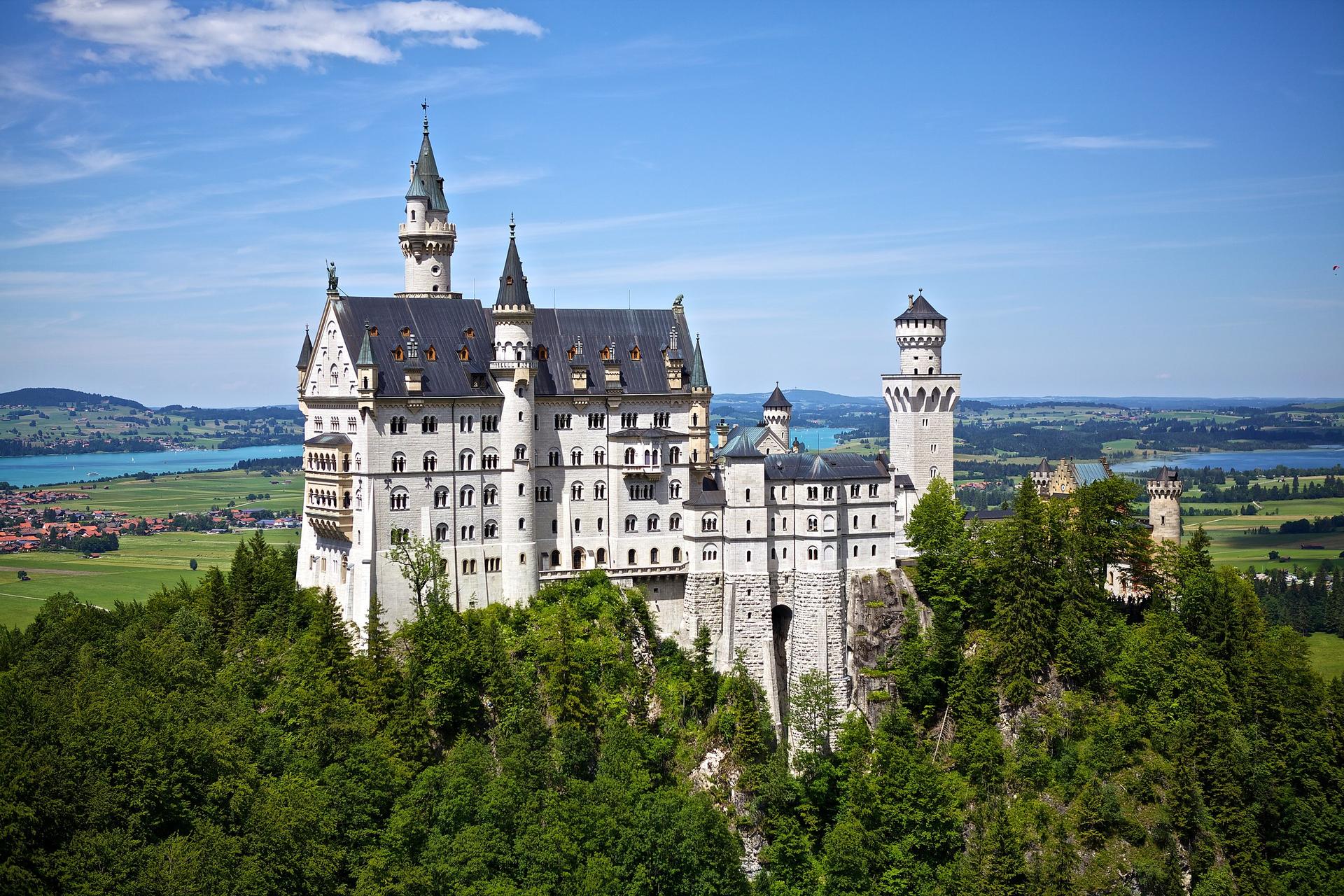
Looking beyond Wilhelmsburg? Discover Swabia for broader travel guides, local hot-spots, and regional highlights.
Explore Swabia
Discover Germany's railway heritage at the Bavarian Railway Museum in Nördlingen, home to an impressive collection of locomotives and railway vehicles in a historic depot setting.
Experience breathtaking panoramic views of Ulm from the historic Aussichtsturm Michelsberg, a landmark offering a unique perspective of the city and its stunning surroundings.