
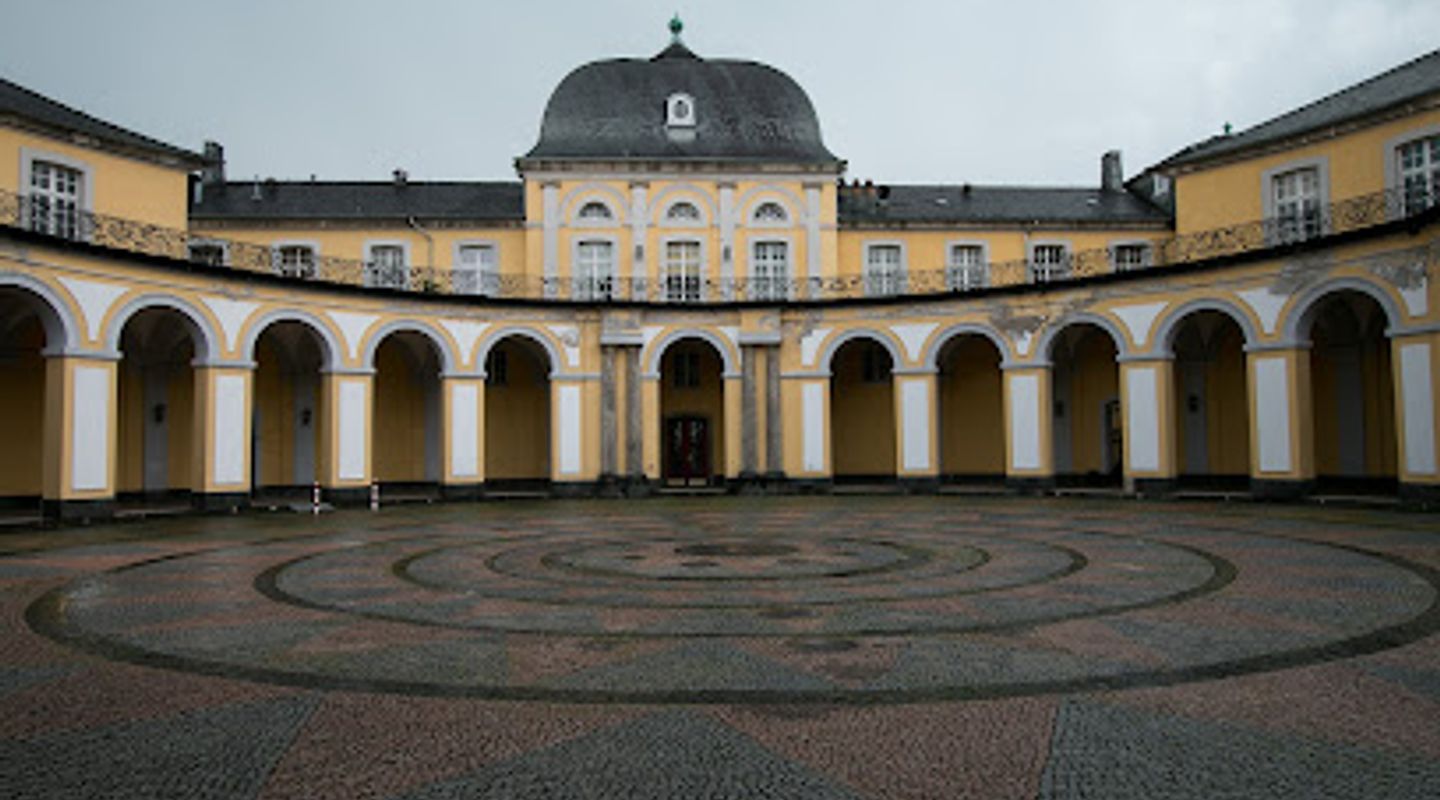
Poppelsdorf Palace, Westphalia Travel Guide
Discover Poppelsdorf Palace in Bonn: A baroque masterpiece with stunning botanical gardens, offering a serene escape into history and nature, perfect for a day of exploration and relaxation.
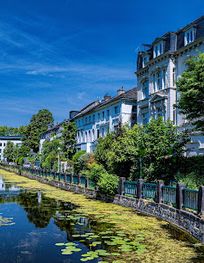
Poppelsdorf Palace, a stunning baroque palace in Bonn, offers a delightful escape into history and nature. Built between 1715 and 1740 as a pleasure palace for the Archbishop-Elector of Cologne, Clemens August, it now houses part of the University of Bonn's natural science collections and is surrounded by the beautiful Botanical Gardens. Visitors can stroll through meticulously curated gardens with diverse plant species from around the world, explore greenhouses showcasing various climate zones, and admire the palace's impressive architecture. With its serene atmosphere and rich history, Poppelsdorf Palace provides a captivating experience for tourists seeking a blend of culture and natural beauty. The palace is easily accessible by public transport and offers a tranquil retreat from the bustling city center, making it a must-see destination in Bonn.
A brief summary to Poppelsdorf Palace
- Meckenheimer Allee 171, Bonn, 53115, DE
- Click to display
- Monday 10 am-6 pm
- Tuesday 10 am-6 pm
- Wednesday 10 am-6 pm
- Thursday 10 am-6 pm
- Friday 10 am-6 pm
- Saturday 10 am-6 pm
- Sunday 10 am-6 pm

Know before you go
Hi, I'm Eve. Here are a few practical things to know before exploring Poppelsdorf Palace.
- Visit during spring or summer to see the Botanical Gardens in full bloom, offering breathtaking floral displays and a vibrant atmosphere.
- Explore the greenhouses to discover exotic plant species from around the world, especially during colder months when outdoor vegetation is dormant.
- Take a leisurely stroll along Poppelsdorfer Allee from Bonn Central Station for a scenic walk to the palace, admiring the historic buildings along the way.
- Check the University of Bonn's website for special events, guided tours, or exhibitions that may be taking place during your visit to enhance your experience.
Do you manage this location?
Take control to get all the benefits, like improved information, better appearance, and stronger visibility across AI-powered discovery. Learn more about listing your business on Evendo
Activate your presenceOther nearby places you may find interesting
The closest places of the same kind, if this one is not quite what you had in mind.
Explore Poppelsdorf Palace on the Map
A handpicked selection of must-see spots near Poppelsdorf Palace, mapped for you.
Unlock the Best of Poppelsdorf Palace
Buy tickets
-
No tickets available
Book tours with entry
-
No tours available


Getting There
-
Walking
From Bonn Central Station, follow Poppelsdorfer Allee south for approximately 15 minutes. This scenic route leads directly to Poppelsdorf Palace, with the main entrance easily visible on Meckenheimer Allee. This is a straightforward and pleasant walk through the city.
-
Public Transport
From Bonn Central Station, take bus lines 601, 602, 603, or 631. Get off at the 'Botanischer Garten' or 'Beringstraße' bus stops, both of which are a short walk from the palace entrance. A single ticket for a short trip (Kurzstrecke) costs approximately €2.00.
-
Taxi/Ride-Share
A taxi or ride-share from Bonn Central Station to Poppelsdorf Palace typically costs between €8 and €12, depending on traffic and the specific service. The journey takes around 5-10 minutes.
Discover more about Poppelsdorf Palace













Your all‑in‑one travel companion app
Explore expert travel guides, compare and book tours, experiences, hotels, and more—all from the palm of your hand. Download now for seamless trip planning wherever your wanderlust takes you.


Explore More of Westphalia
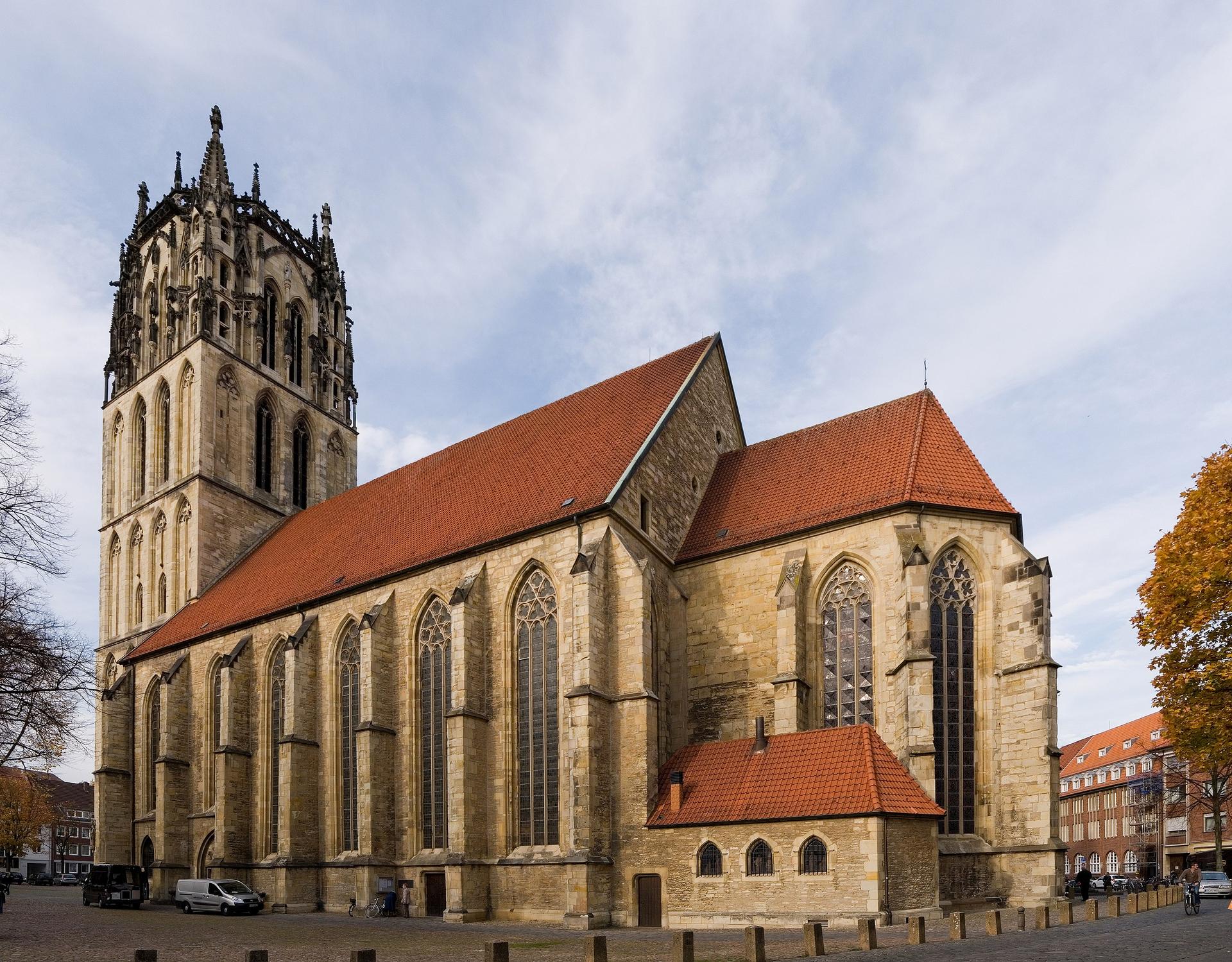
Looking beyond Poppelsdorf Palace? Discover Westphalia for broader travel guides, local hot-spots, and regional highlights.
Explore Westphalia
Discover St. Remigius in Bonn: A Gothic church with deep ties to Beethoven's early life and musical development, offering a serene escape in the heart of the city.
Discover a world of plants at Bonn's Botanical Garden, a historic oasis offering themed gardens, tropical greenhouses, and a peaceful escape in the heart of the city, perfect for all ages.
