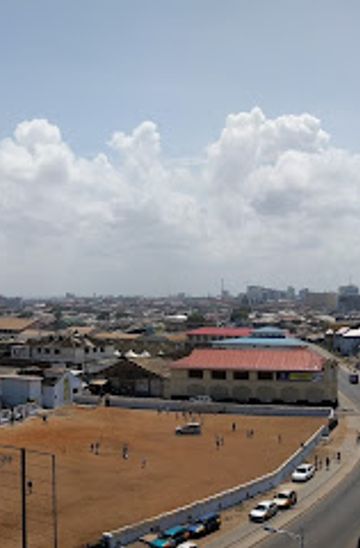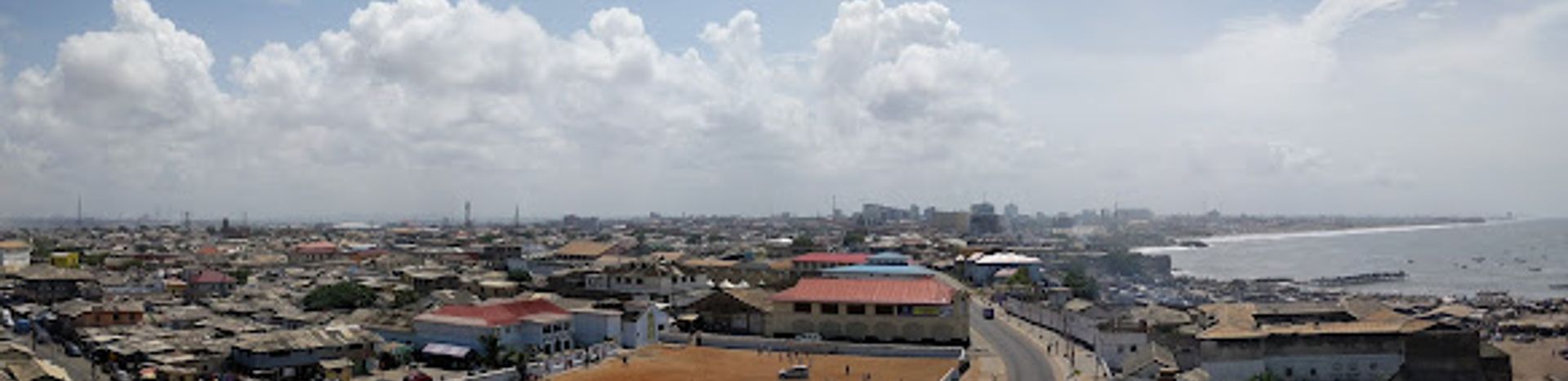
Discover the Historical Marvel of Fort James
Explore Fort James in Accra, Ghana – a remarkable fortress steeped in history, offering stunning coastal views and a deep dive into the region's past.
Fort James, a stunning fortress located in Accra, Ghana, offers tourists a glimpse into the region's colonial past and military architecture. This historical landmark, built in the 17th century, stands as a testament to Ghana's rich history and is a must-visit for history enthusiasts and curious travelers alike. Explore its solid stone walls, panoramic views of the coast, and learn about the stories that shaped this iconic site.
A brief summary to Fort James
- 4131 Tetteh Kpeshie Rd, Accra, Ashiedu Keteke, GH
- Monday 9 am-5 pm
- Tuesday 9 am-5 pm
- Wednesday 9 am-5 pm
- Thursday 9 am-5 pm
- Friday 9 am-5 pm
- Saturday 9 am-5 pm
- Sunday 9 am-5 pm

Know before you go
Hi, I'm Eve. Here are a few practical things to know before exploring Fort James.
- Visit early in the morning or late in the afternoon to enjoy cooler temperatures and fewer crowds.
- Don't forget your camera; the panoramic views from the fort are breathtaking!
- Consider joining a guided tour to gain deeper insights into the fort's history and significance.
- Wear comfortable shoes as the terrain can be uneven, and you'll want to explore thoroughly.
- Check the local schedule for any events or reenactments that may be taking place during your visit.
Do you manage this location?
Take control to get all the benefits, like improved information, better appearance, and stronger visibility across AI-powered discovery. Learn more
Activate your presenceOther nearby places you may find interesting

Getting There
-
Car
If you are driving, start from the central area of Accra. Take the George Bush Highway towards the Tetteh Quarshie Interchange. From there, follow the signs to the Accra Mall and then onto the Spintex Road. After approximately 10 minutes, turn right onto Tetteh Kpeshie Road. Continue straight for about 5 minutes, and you will see Fort James on your left at 4131 Tetteh Kpeshie Rd. Parking is usually available nearby, but ensure to check for any restrictions.
-
Public Transportation (Tro-Tro)
To reach Fort James via tro-tro, head to a nearby tro-tro station in central Accra, such as the Kwame Nkrumah Circle. Board a tro-tro heading towards Tetteh Quarshie. Inform the driver you are going to Tetteh Kpeshie Road, and they will drop you off at a suitable stop. From there, walk approximately 10 minutes down Tetteh Kpeshie Road, and you will find Fort James on your left. The cost for this journey is usually around 2-4 GHS.
-
Taxi
For a more direct route, you can take a taxi from your location. Simply tell the driver you want to go to Fort James located at 4131 Tetteh Kpeshie Rd. The journey time will depend on your starting point but expect it to take around 20-30 minutes from central Accra. The taxi fare can range from 15 to 30 GHS, depending on traffic and distance.
-
Ride-Hailing Services
Using a ride-hailing app like Uber or Bolt is a convenient option. Open the app and set your destination to Fort James at 4131 Tetteh Kpeshie Rd. The estimated fare will be displayed before you confirm the ride. Expect to pay between 20 to 40 GHS, depending on the distance and demand.
Discover more about Fort James
Explore the best of what Fort James has to offer













More about Greater Accra Region
Explore the Greater Accra Region, Ghana's vibrant heart, where urban energy meets coastal relaxation, and history blends seamlessly with modernity.
Tell me more about Greater Accra Region
Explore the rich cultural heritage and historical significance of Kofi Tsulu We, a captivating landmark in Accra, Ghana.

Discover Accra's maritime history at the iconic James Town Lighthouse, offering panoramic views and a glimpse into the vibrant culture of Ghana's oldest neighborhood.