National Museum of Ghana: A Cultural Tapestry
Discover Ghana's rich cultural heritage at the National Museum in Accra, showcasing artifacts from archaeology, ethnography, and fine art, reflecting the nation's diverse history and artistic expressions.
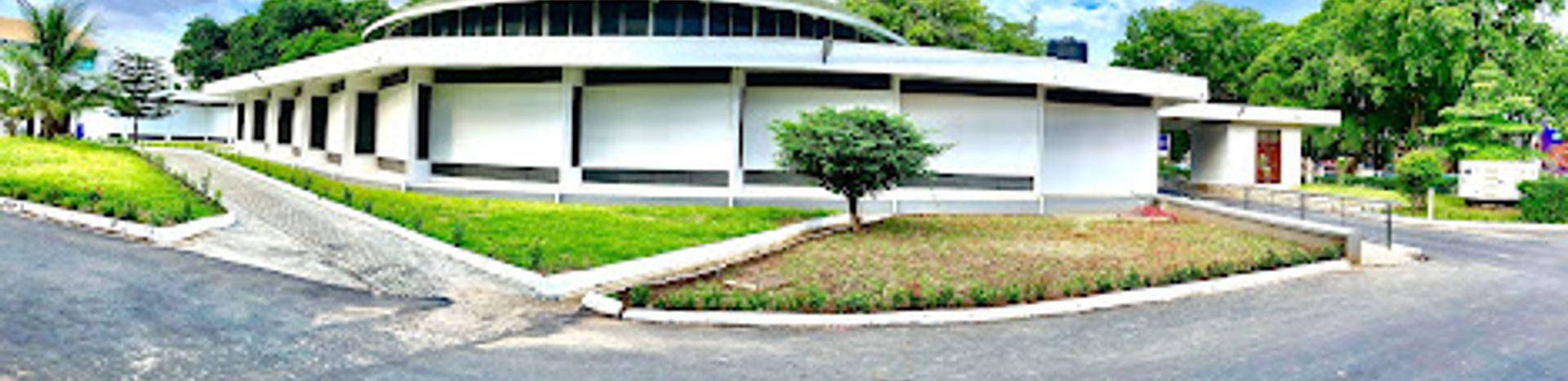
The National Museum of Ghana in Accra offers a captivating journey through the nation's rich cultural heritage. Established in 1957, it showcases a diverse collection of archaeological artifacts, ethnographic displays, and contemporary art, providing insights into Ghana's history, traditions, and artistic expressions. From ancient tools and tribal masks to traditional costumes and modern paintings, the museum presents a comprehensive narrative of Ghana's past and present. Visitors can explore exhibits on prehistoric Africa, Ghanaian culture, the transatlantic slave trade, and the country's struggle for independence. The museum also features a sculpture garden and offers guided tours, making it an enriching experience for history enthusiasts, art lovers, and anyone interested in African culture. It's a must-see destination for those seeking a deeper understanding of Ghana's vibrant identity.
A brief summary to National Museum of Ghana
- HQ5V+MC5, Accra, Osu Klottey, GH
- +233302221633
- Visit website
Local tips
- Visit during the months of September to November or February to April to avoid peak tourist seasons and enjoy a more relaxed experience.
- Take a guided tour to gain deeper insights into the exhibits and their historical contexts.
- Explore the sculpture garden for a peaceful respite and to admire statues of historical figures.
- Check out the museum's gift shop for traditional Ghanaian handicrafts such as baskets, jewellery, pottery and woodcarvings.

Getting There
-
Taxi/Ride-Share
From anywhere in central Accra, a taxi or ride-sharing service is a convenient option. Typical fares range from GHS 20 to GHS 40, depending on traffic and your exact starting point. Be sure to agree on the fare with the driver before starting your journey. Ask to be dropped off at the National Museum on Barnes Road, near the Kwame Nkrumah Memorial Park.
-
Public Transport
To reach the museum by tro tro (shared minibus), look for one heading towards Osu. You can board from major transport hubs like Kwame Nkrumah Circle or Osu Oxford Street. The tro tro fare is typically between GHS 2 and GHS 4. Alight in Osu at a convenient stop and walk towards Barnes Road; the museum is a short walk from the main road. Alternatively, from Accra Mall, take the 998 bus from Tetteh Quarshie / Roundabout to Paloma. The journey takes approximately 15 minutes.
-
Walking
If you are already in the vicinity of Osu or the Kwame Nkrumah Memorial Park, walking to the National Museum is feasible. From Independence Square, it's approximately a 20-30 minute walk. Head north towards Barnes Road. The museum will be on your left.
Discover more about National Museum of Ghana
Iconic landmarks you can’t miss

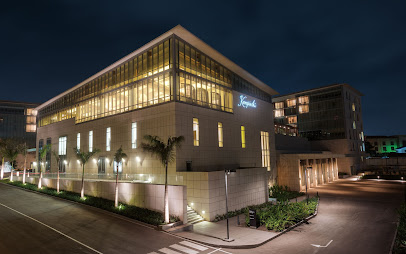
Kempinski Hotel Gold Coast City Accra
1.1 km
Experience luxury and comfort at Kempinski Hotel Gold Coast City Accra, where modern elegance meets the rich culture of Ghana in the heart of Accra.
Ghana Dubai, Circle
1.3 km
Discover the tranquility of Ghana Dubai, an urban park in Accra perfect for relaxation, picnics, and cultural experiences amidst lush greenery.

Becky Wigs
1.5 km
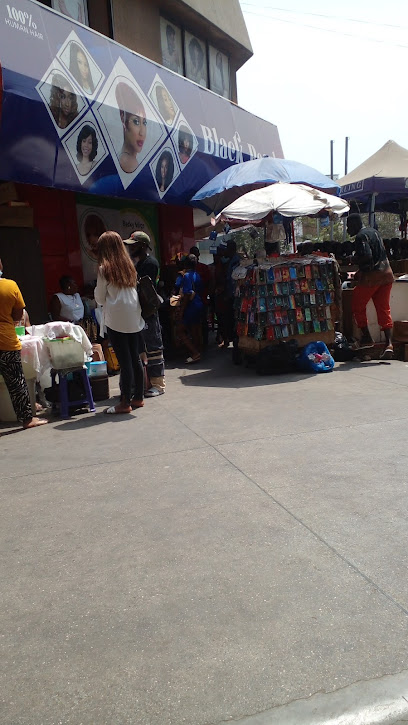
Explore Becky Wigs in Accra for a stunning selection of wigs and hair extensions, blending beauty with affordability in a vibrant shopping atmosphere.
Akosnachi Enterprise Gh.
1.5 km
Explore Akosnachi Enterprise in Accra for exquisite jewelry and a vibrant market experience, showcasing the best of Ghanaian craftsmanship.
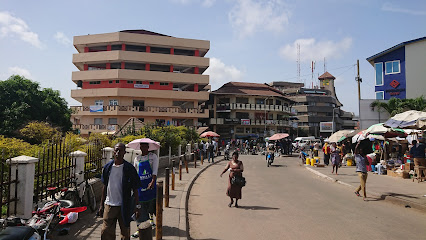
Ghana Tourism Authority - Head Office
1.6 km
Explore Ghana’s rich culture and attractions at the Ghana Tourism Authority’s Head Office in Accra, your gateway to unforgettable experiences.
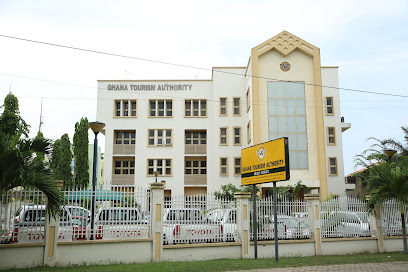
Accra Ghana Temple
1.6 km
Experience serenity and architectural beauty at the Accra Ghana Temple, a spiritual landmark in the vibrant city of Accra.
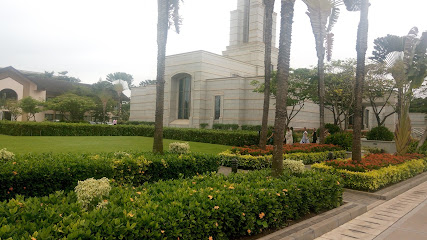
Nyonkopa Eco Tours
1.8 km
Discover Ghana's rich culture and breathtaking landscapes with Nyonkopa Eco Tours, your premier travel guide in Accra.
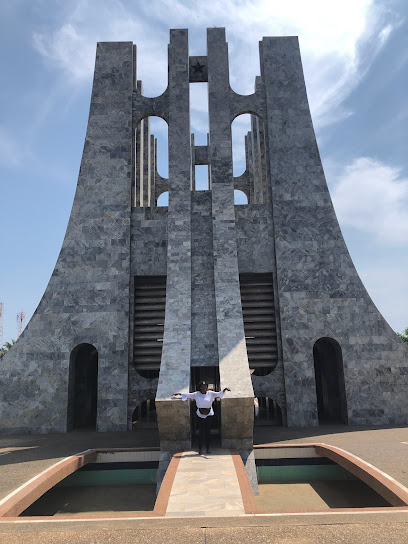
Unmissable attractions to see

Museum for Science and Technology
0.4 km
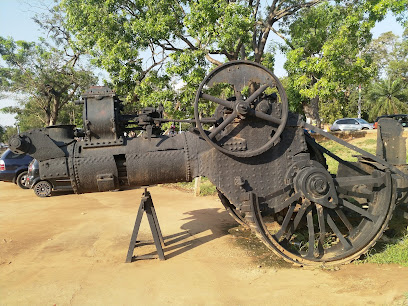
Explore the Museum for Science and Technology in Accra, a captivating destination showcasing Ghana's scientific heritage and interactive exhibits for all ages.
Accra Central
0.8 km
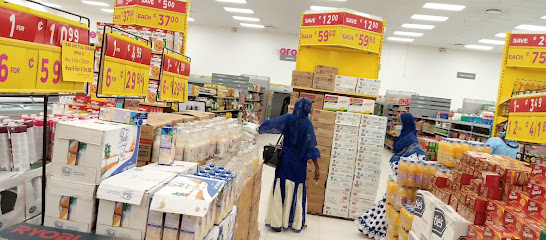
Dive into the vibrant atmosphere of Accra Central, where culture, commerce, and delicious local cuisine come together in the heart of Ghana's capital.
Efua Sutherland Children's Park
0.9 km
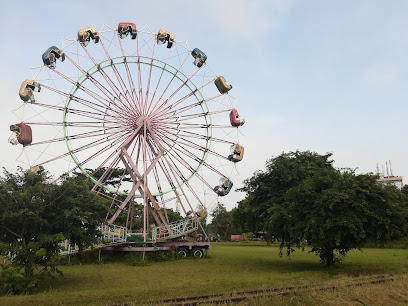
Explore Efua Sutherland Children's Park in Accra, a vibrant oasis of fun and relaxation for families and travelers amidst the city's hustle and bustle.
AU Square
0.9 km
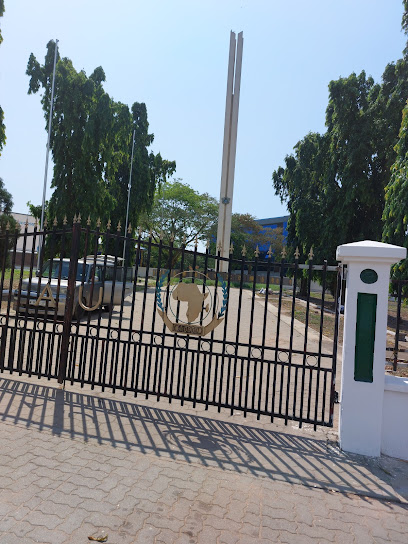
Experience the vibrant culture and dynamic atmosphere of AU Square in Accra, a must-visit tourist attraction for every traveler.
National Theatre
1.0 km
Discover the National Theatre in Accra - a cultural landmark showcasing Ghanaian performing arts, theater, and vibrant artistic expressions.
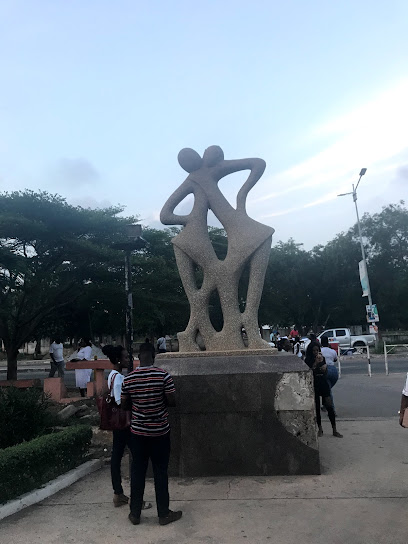
Morzorzor Gh
1.0 km
Discover Ghana with Morzorzor Gh—your premier tour agency in Accra, offering personalized travel experiences and expert local insights.

AKYEM ABUAKWA STATE PALACE
1.1 km
Explore the Akyem Abuakwa State Palace, a historical museum in Accra showcasing the rich culture and heritage of the Akyem people.
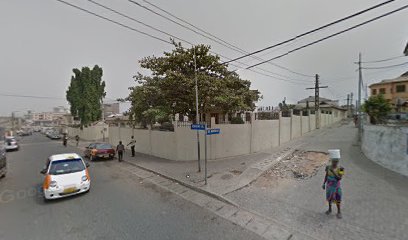
Statue Of Kwame Nkrumah
1.3 km
Explore the Statue of Kwame Nkrumah in Accra, a symbol of Ghana's independence and a tribute to its founding father amidst beautiful gardens.
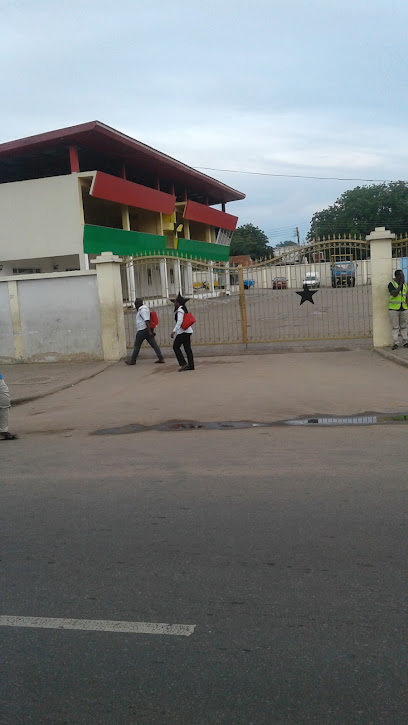
Makola Market
1.4 km
Experience the vibrant culture and bustling energy of Makola Market, Accra's premier destination for local crafts, food, and authentic Ghanaian culture.
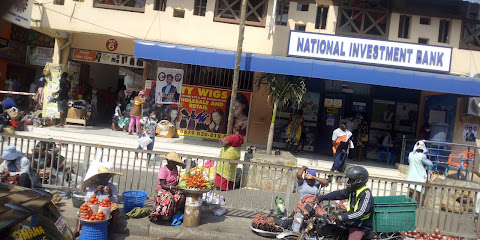
Accra International Conference Centre
1.6 km
Explore the Accra International Conference Centre, a vibrant hub for culture, business, and events in the heart of Ghana's capital city.
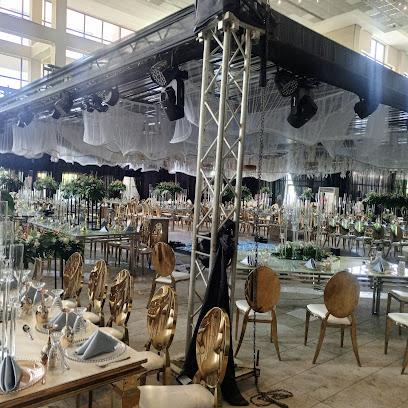
Nii Mpese Congo Palace
1.6 km
Explore the rich culture and history of Accra at Nii Mpese Congo Palace, a stunning architectural gem reflecting Ghana's royal heritage.

Centre for National Culture
1.7 km
Explore Ghana's rich heritage through art, crafts, and performances at the vibrant Centre for National Culture in Accra.

Supreme Court of Ghana
1.7 km
Explore the Supreme Court of Ghana, an architectural gem in Accra showcasing the nation's commitment to justice and rich legal heritage.
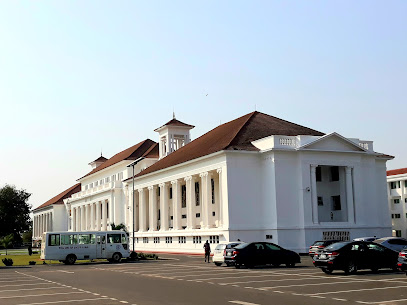
Tourism Society of Ghana (TOSOGHA)
1.7 km
Explore the rich culture of Ghana at the Tourism Society of Ghana in Accra, a hub for authentic experiences and local heritage.
Accra Arts Centre
1.7 km
Discover the vibrant culture of Ghana at Accra Arts Centre, a must-visit destination for art lovers and cultural enthusiasts.
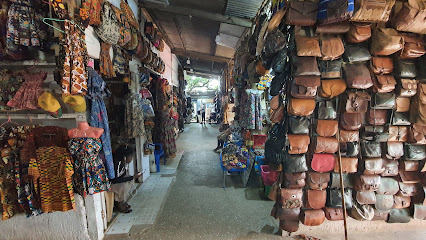
Essential places to dine

Sankofa Restaurant
0.8 km
Discover the vibrant flavors of Ghana at Sankofa Restaurant in Accra - where local meets global in a stunning culinary experience.
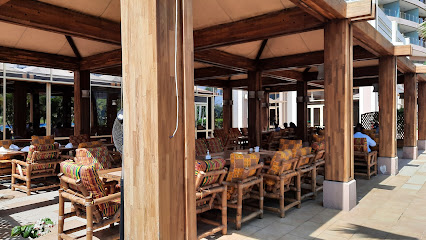
Swallow
1.0 km
Experience the vibrant flavors of Ghana at Swallow, a top restaurant in Accra blending local delicacies with international cuisine.
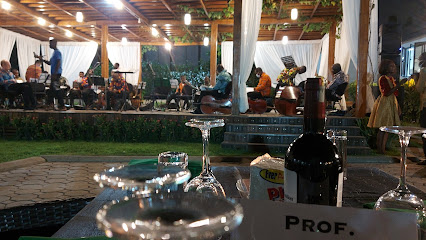
Papillon Restaurant
1.1 km
Experience culinary excellence at Papillon Restaurant in Accra - where local flavors meet global inspirations in a serene setting.
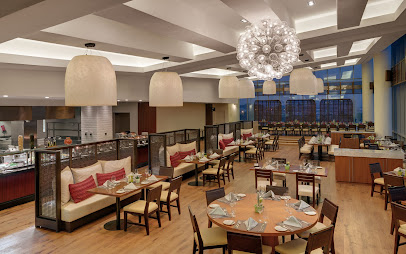
Wonder Wings Asylum Down
1.2 km
Discover diverse flavors at Wonder Wings Asylum Down in Accra – where every bite tells a story.
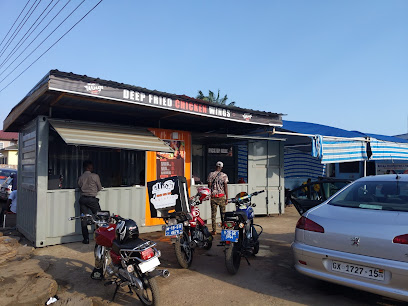
Persia Restaurant Ghana
1.9 km
Discover authentic Persian cuisine at Persia Restaurant in Accra - where flavor meets tradition in a warm and inviting atmosphere.
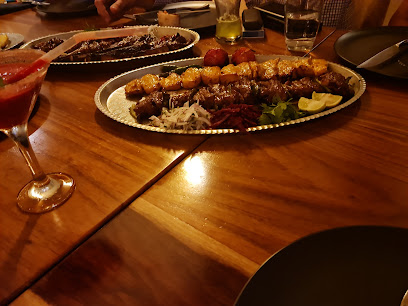
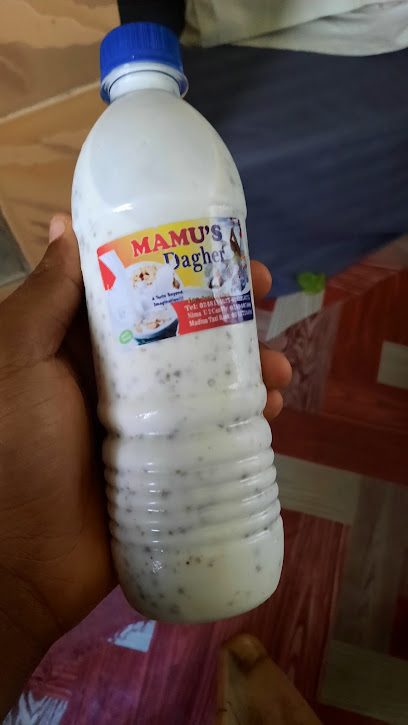
Mamu’s Burkina (Degher)
2.2 km
Discover Mamu's Burkina in Accra: A brunch haven blending local flavors and international cuisine for an unforgettable dining experience.
Baffy's eatery
2.2 km
Discover the culinary delights of Baffy's Eatery in Accra - where local flavors meet international cuisine in a welcoming atmosphere.
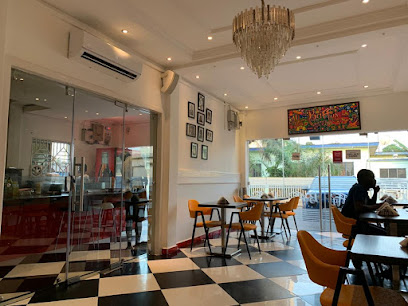
Heritage Indian Restaurant
2.4 km
Experience authentic Indian flavors at Heritage Indian Restaurant in Accra - where every dish tells a story of tradition and taste.
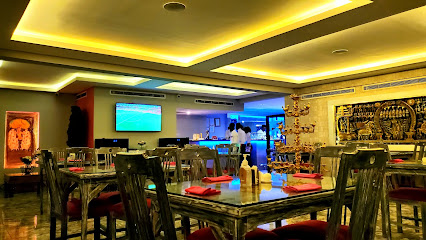
Noble House - Osu
2.4 km
Experience authentic Chinese cuisine at Noble House - Osu in Accra; perfect for food lovers seeking diverse flavors.
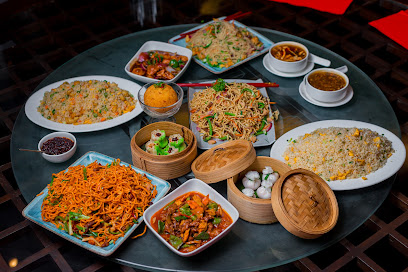
Chez Clarisse Mama Africa
2.5 km
Discover authentic West African cuisine at Chez Clarisse Mama Africa in Accra – where every meal tells a story.
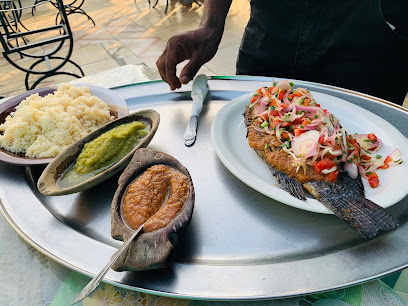
Favourite Restaurant
2.5 km
Discover the flavors of Ghana at Favourite Restaurant in Accra – where every dish tells a story.
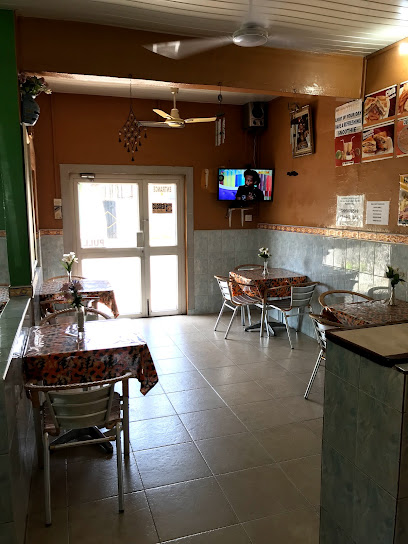
BELLA AFRIK Authentic Italian Restaurant & Wood Fire Pizza
2.5 km
Experience authentic Italian flavors at Bella Afrik Restaurant & Wood Fire Pizza in Accra - where culinary tradition meets local charm.
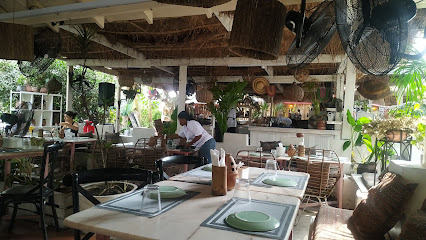
B2B Ghana | Breakfast To Breakfast
2.6 km
Experience authentic Ghanaian flavors at B2B Ghana, where every meal tells a story of culture and tradition.
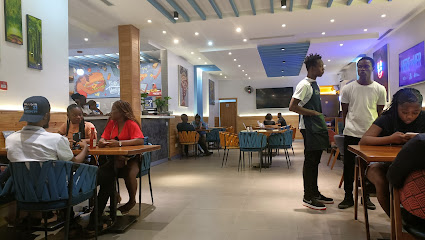
Rina's Restaurant
2.6 km
Discover authentic Ghanaian flavors at Rina's Restaurant in Accra’s vibrant Oxford Street Mall.
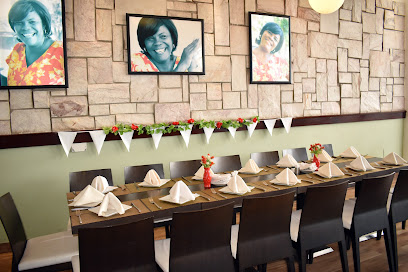
The FiVe Lounge & Restaurant
2.6 km
Discover culinary excellence at The FiVe Lounge & Restaurant in Accra, where local flavors meet international cuisine in a stylish setting.
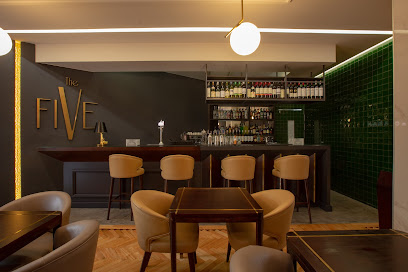
Markets, malls and hidden boutiques

Sun Trade Beads
0.6 km
Discover the colorful world of handcrafted beads at Sun Trade Beads, a unique shopping experience in Accra, Ghana.
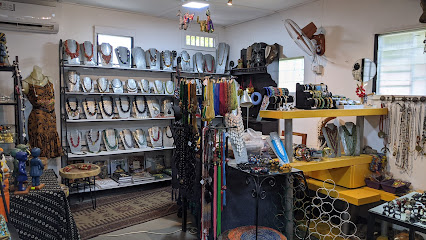
Ohemaa's Emporium
1.1 km
Explore the vibrant styles of Ohemaa's Emporium, where modern fashion meets traditional Ghanaian craftsmanship in the heart of Accra.
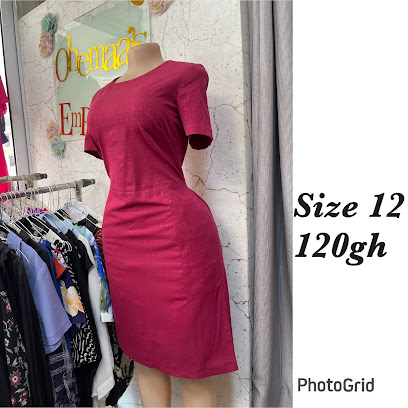
Makola Shopping Mall
1.4 km
Explore the lively Makola Shopping Mall in Accra, Ghana, for a vibrant shopping experience filled with local culture and delicious cuisine.
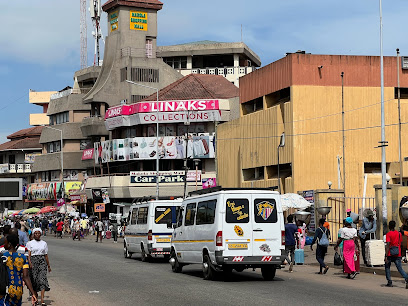
Hampers Boutique Ghana
1.5 km
Explore Hampers Boutique Ghana for unique gifts and authentic Ghanaian artistry, showcasing handmade crafts and local treasures in the heart of Accra.

Challenge Bookshop
1.6 km
Explore the world of literature at Challenge Bookshop, Accra's favorite destination for book lovers of all ages.
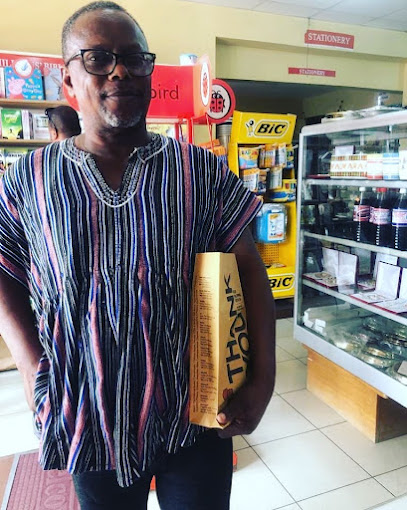
Excellence boutique Head office
1.8 km
Explore fashion and local artistry at Excellence Boutique, Accra's premier shopping destination for unique and stylish finds.
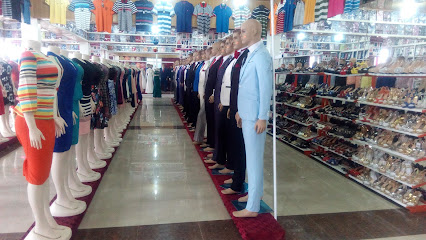
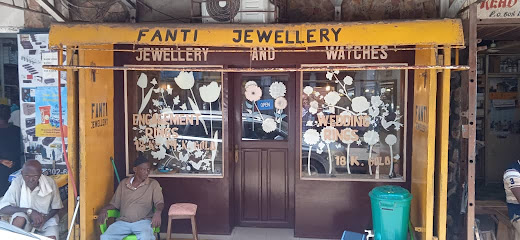
Fanti Jewellery
1.8 km
Explore the elegance and artistry of Ghanaian jewelry at Fanti Jewellery, where every piece tells a story of culture and craftsmanship.
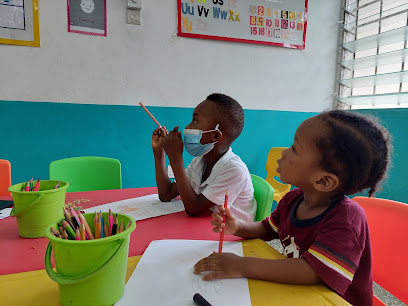
Booksie
1.9 km
Discover the enchanting world of children's literature at Booksie, Accra's beloved children's club and bookstore, celebrating African stories and creativity.
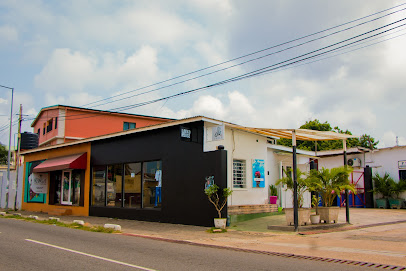
Lokko House
2.2 km
Explore Lokko House in Accra for unique clothing and novelty items, celebrating Ghana's vibrant culture in a lively shopping environment.
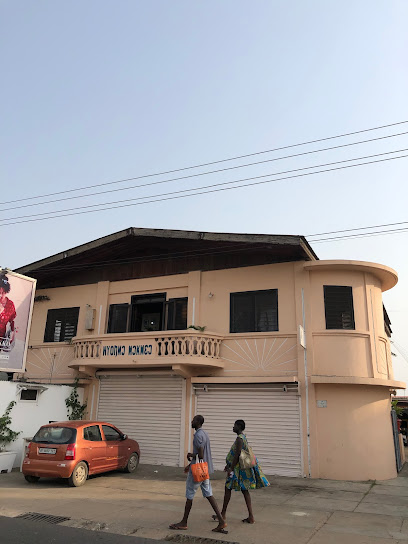
Elle Lokko
2.2 km
Explore Elle Lokko in Accra for unique women's fashion that blends contemporary style with local craftsmanship and culture.
LOOK NICE COLLECTION OSU
2.4 km
Explore the vibrant fashion scene at LOOK NICE COLLECTION OSU in Accra, where local creativity meets contemporary style in a chic boutique setting.
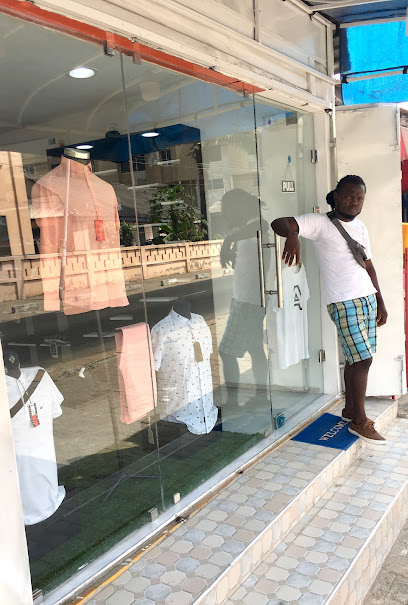
Francopat
2.4 km
Explore a world of frozen delights at Francopat, Accra's premier destination for frozen food and culinary adventures.
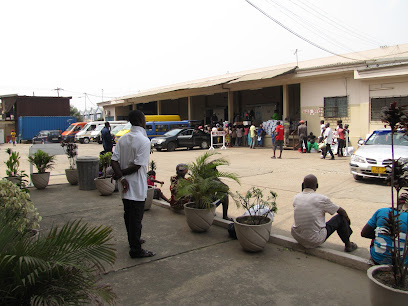
Accra Ghana
2.4 km
Experience the vibrant fashion scene in Accra, Ghana, where traditional styles meet contemporary designs in a colorful cultural landscape.
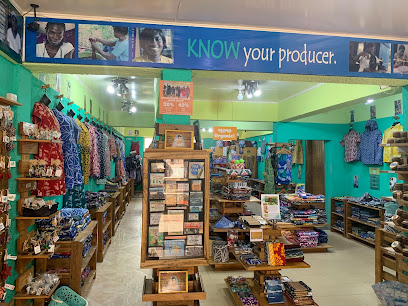
Global Mamas
2.5 km
Explore Global Mamas in Accra for unique handmade clothing, beauty products, and jewelry while supporting local artisans and their crafts.
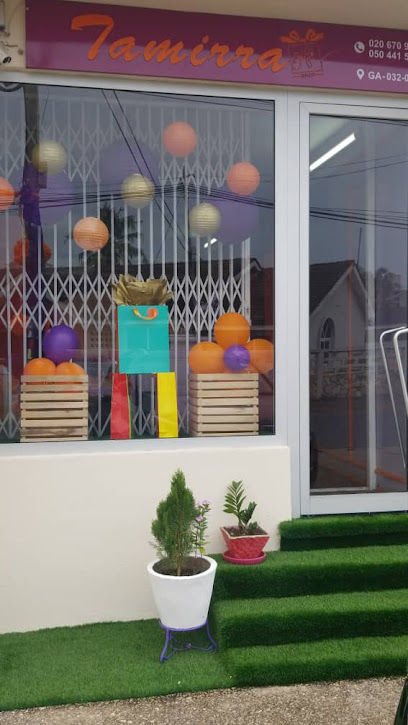
Tamirra Gift Shop
2.6 km
Discover the essence of Ghana at Tamirra Gift Shop - where unique gifts meet local craftsmanship in the heart of Accra.
Essential bars & hidden hideouts

Tweety Bar
0.6 km
Discover the vibrant nightlife of Accra at Tweety Bar, a charming street-side pub perfect for unwinding with friends over refreshing drinks.
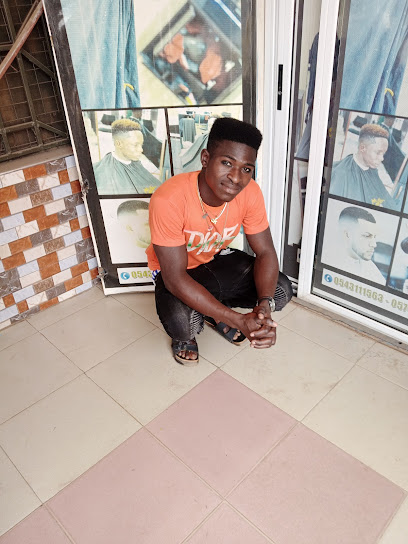
One2One Bar
0.8 km
Experience the vibrant atmosphere and exquisite cocktails at One2One Bar in Accra, Ghana – a must-visit for every traveler.
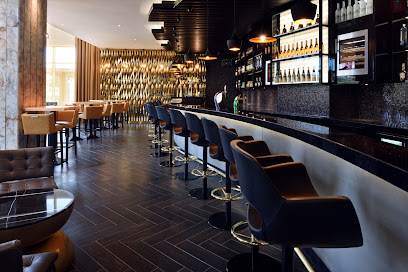
The Gallery bar
1.1 km
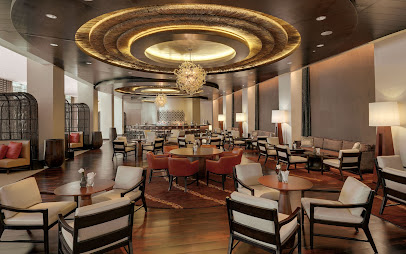
Experience the elegance of The Gallery Bar in Accra - a premier lounge for exquisite cocktails and vibrant nightlife.
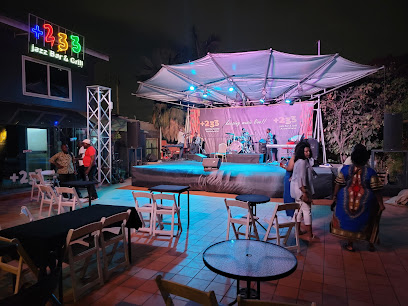
+233 Jazz Bar & Grill
1.9 km
Experience the pulse of Accra's jazz scene at +233 Jazz Bar & Grill, where live music meets delicious dining in a vibrant atmosphere.
THE WOODS
2.2 km
Experience the vibrant nightlife of Ghana at The Woods, a premier bar in Estates offering a lively atmosphere and delightful drinks.
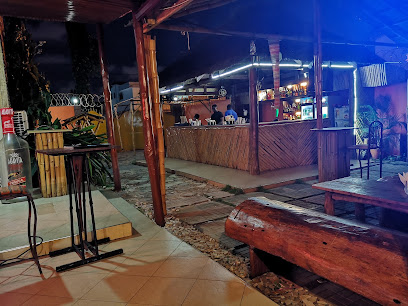
Randburg Bar
2.2 km
Randburg Bar - A lively nightlife destination in Accra, offering a diverse drink menu and an inviting atmosphere to unwind and socialize.
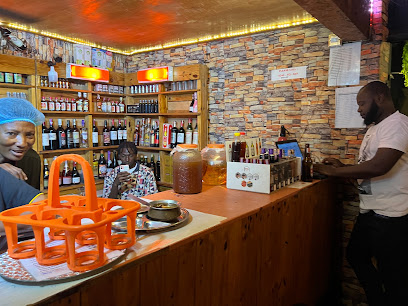
The Area Bar
2.3 km
Experience the vibrant nightlife of Osu at The Area Bar, where delicious cocktails and a lively atmosphere await you.
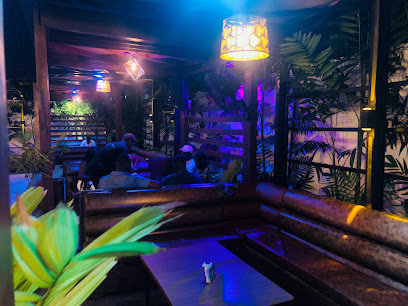
Wengeze Bitters, Wengeze Pub , Restaurant , Sport Bar and Guest House
2.4 km
Experience authentic Ghanaian flavors at Wengeze Bitters, a charming pub and grill in the heart of Accra, perfect for family outings and gatherings.
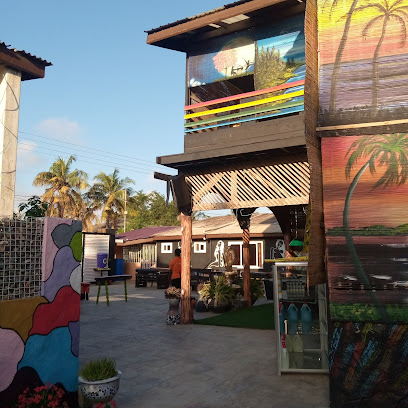
Grasscutters
2.5 km
Discover the vibrant nightlife of Accra at Grasscutters, where live music, refreshing drinks, and a friendly atmosphere await you.
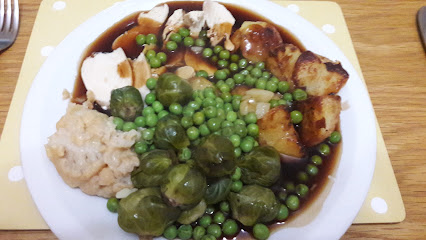
Duncan's pub
2.5 km
Experience the vibrant atmosphere and delicious grill offerings at Duncan's Pub, a culinary hotspot in Accra, perfect for tourists and locals alike.
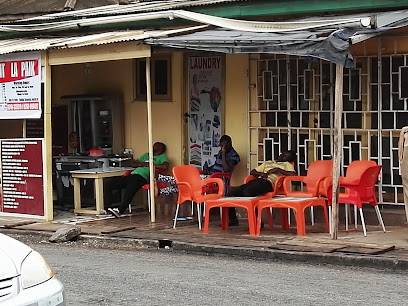
BIG LEAGUES SPORTS AND GAMES LOUNGE
2.5 km
Experience the thrill of sports at Big Leagues Sports and Games Lounge, Accra's top spot for delicious food and exciting games.
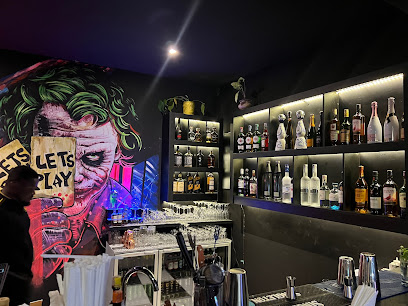
The Republic Bar & Grill
2.5 km
Discover the vibrant flavors of Accra at The Republic Bar & Grill, where local cuisine meets a lively bar atmosphere for an unforgettable dining experience.
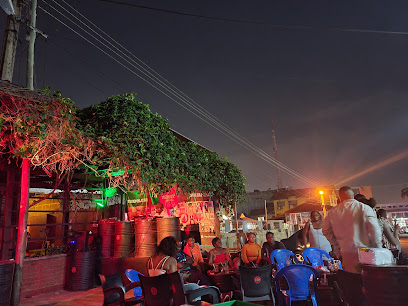
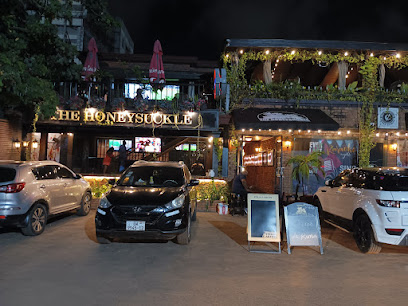
The Honeysuckle Pub & Restaurant- Osu
2.5 km
Experience a delightful fusion of local cuisine and vibrant nightlife at The Honeysuckle Pub & Restaurant in Osu, Accra.
Rockz Waakye
2.6 km
Discover the heart of Ghanaian cuisine at Rockz Waakye, a vibrant restaurant in Accra offering authentic flavors and a lively atmosphere.
Continent Tours LTD
2.6 km
Discover the vibrant culture and history of Accra with personalized tours by Continent Tours LTD, your gateway to unforgettable Ghanaian adventures.