
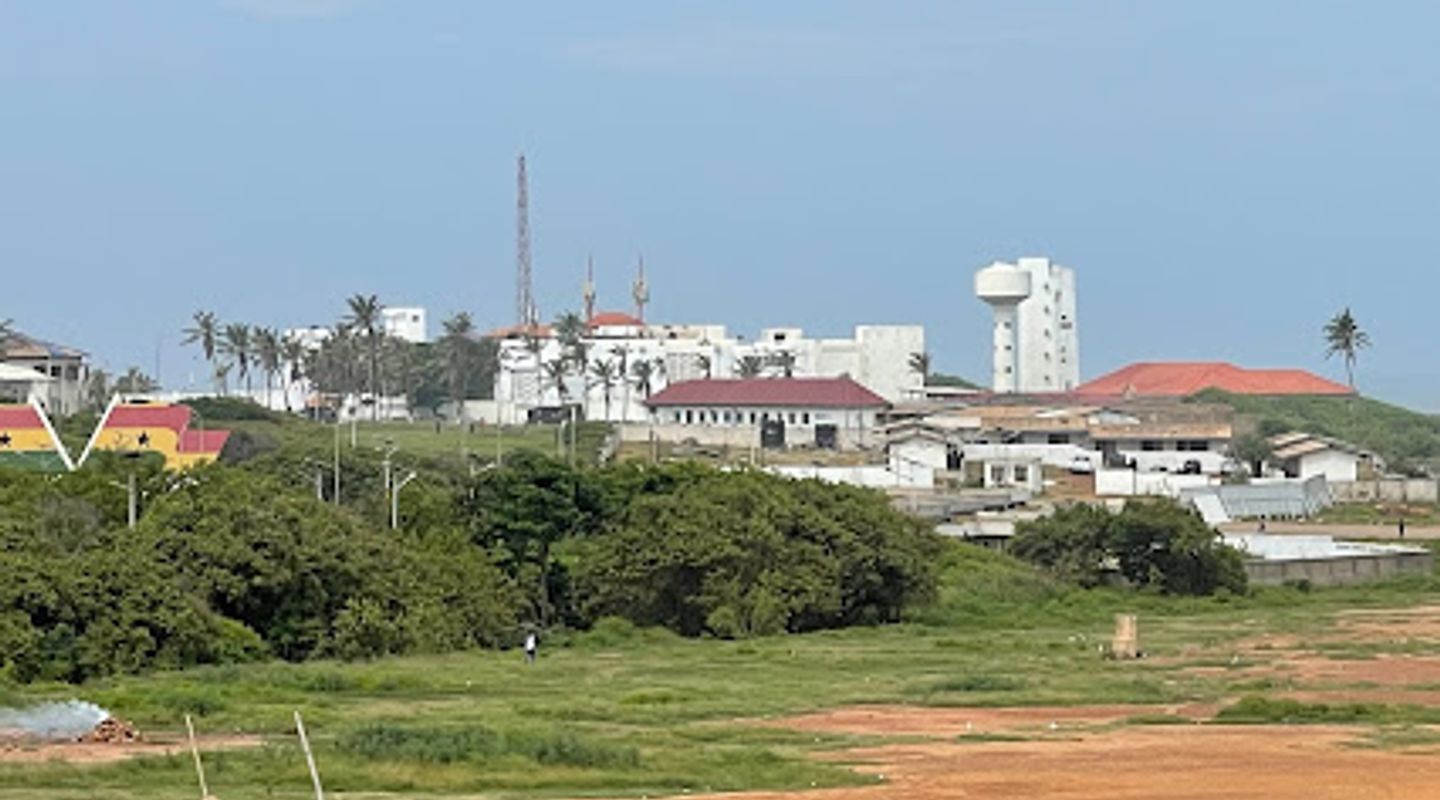
Osu Castle, Accra Travel Guide
Explore Ghana's captivating history at Osu Castle in Accra, a UNESCO World Heritage Site with centuries of stories etched in its walls, from colonial rule to Ghanaian independence.
Osu Castle, also known as Fort Christiansborg, stands proudly on the Accra coastline, a silent witness to centuries of Ghanaian history. Originally built by the Danes in the 17th century, it has been controlled by various European powers and the Akwamu people, each leaving their mark on its structure and story. The castle served as a trading post, a slave-trading center, and the seat of government for both colonial and post-independence Ghana. Today, it operates as a museum, offering guided tours through its historic rooms, dungeons, and courtyards, providing a poignant reminder of the past. Visitors can explore exhibits detailing the transatlantic slave trade, colonial administration, and Ghana's journey to independence, all within the imposing walls of this iconic landmark. The castle also offers captivating views of the Atlantic Ocean and the vibrant city of Accra, making it a compelling destination for history enthusiasts and casual travelers alike.
A brief summary to Osu Castle
- Accra, Osu Klottey, GH
- Click to display

Know before you go
Hi, I'm Eve. Here are a few practical things to know before exploring Osu Castle.
- Book a guided tour in advance to ensure availability and gain deeper insights into the castle's history.
- Wear comfortable shoes, as you'll be doing a fair amount of walking on uneven surfaces.
- Photography is allowed, so bring your camera to capture the stunning views and historic architecture.
- Dress respectfully, as Osu Castle is a site of historical and cultural significance.
- Combine your visit with a stroll through the Osu neighborhood to experience local culture and cuisine.
Do you manage this location?
Take control to get all the benefits, like improved information, better appearance, and stronger visibility across AI-powered discovery. Learn more about listing your business on Evendo
Activate your presenceOther nearby places you may find interesting
The closest places of the same kind, if this one is not quite what you had in mind.
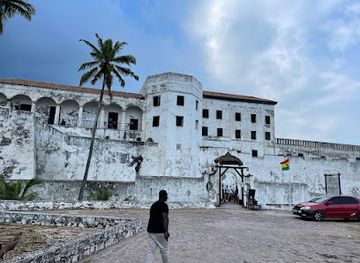
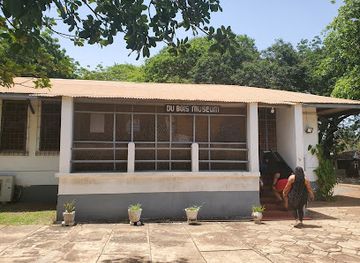


Explore Osu Castle on the Map
A handpicked selection of must-see spots near Osu Castle, mapped for you.
Unlock the Best of Osu Castle
Buy tickets
-
No tickets available
Book tours with entry


Getting There
-
Taxi/Ride-Share
From anywhere in central Accra, a taxi or ride-share is a convenient option. Simply ask to be taken to 'Osu Castle' or 'Christiansborg Castle' in Osu. The ride typically costs between GHS 20-40 depending on the distance and traffic. Be sure to negotiate the fare beforehand or confirm the meter is running. The journey from a central location like the Kwame Nkrumah Mausoleum takes approximately 10-15 minutes, depending on traffic.
-
Public Transport
Tro tros (minibuses) are a very affordable way to reach Osu Castle. Look for tro tros heading towards Osu from major Accra hubs like Makola Market or Circle. Alight at the Osu 'Castle' stop, which is a short walk from the entrance. Fares are typically around GHS 2-5 for a short trip within Accra. Note that tro tros can be crowded, and it's helpful to know your destination beforehand.
-
Walking
If you are already in the Osu area, walking to the castle is a viable option. From Oxford Street, head east towards the coast. The castle is a prominent landmark and easily visible. The walk from Oxford Street takes approximately 15-20 minutes. Be mindful of traffic and pedestrian safety.
Discover more about Osu Castle













Your all‑in‑one travel companion app
Explore expert travel guides, compare and book tours, experiences, hotels, and more—all from the palm of your hand. Download now for seamless trip planning wherever your wanderlust takes you.


Explore More of Accra
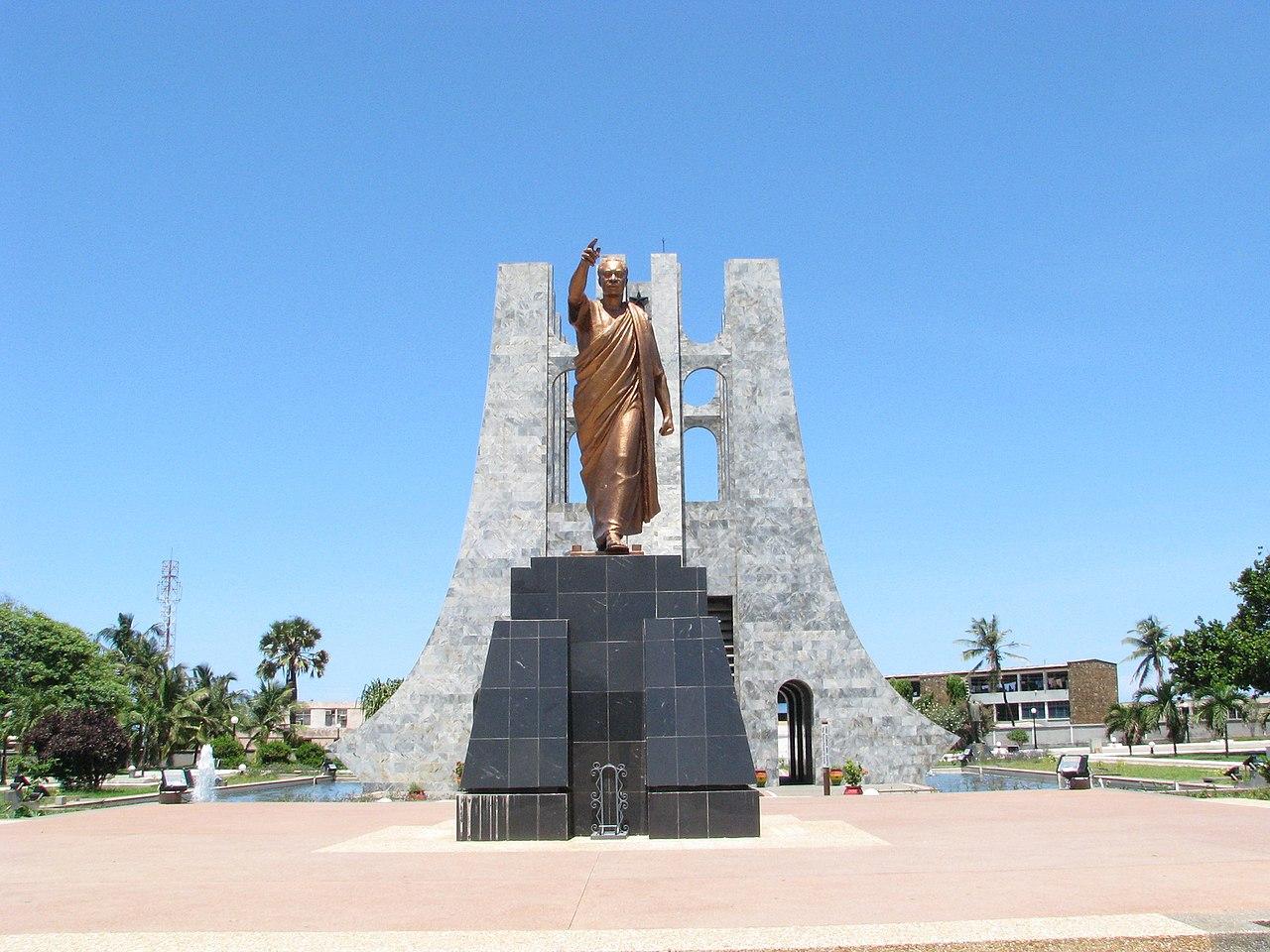
Looking beyond Osu Castle? Discover Accra for broader travel guides, local hot-spots, and regional highlights.
Explore Accra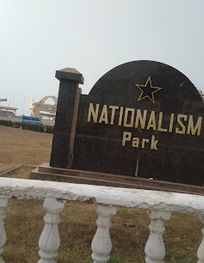
Explore Nationalism Park in Accra, a serene memorial to Ghana's heritage that offers a peaceful retreat and a glimpse into the nation's inspiring history.
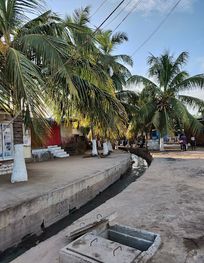
Discover the vibrant flavors and cultural richness of Ghana at Osu Night Market, a must-visit culinary destination in Accra.
