
Osu Castle, Accra Travel Guide
Explore Ghana's captivating history at Osu Castle in Accra, a UNESCO World Heritage Site, and delve into centuries of trade, colonial rule, and the transatlantic slave trade.
Osu Castle, also known as Fort Christiansborg, is a landmark steeped in history, gracing the coast of Osu, Accra. Originally built by the Danish in the 17th century, it has been under the control of various powers, including the Portuguese, Akwamu, and British, before finally becoming part of independent Ghana. Serving as a trading post, a colonial administrative center, and even a presidential residence, the castle has witnessed centuries of transformation. Today, it stands as a museum, offering visitors a glimpse into Ghana's complex past, particularly its involvement in the transatlantic slave trade. Explore the castle's architecture, wander through its gardens, and delve into the exhibits that narrate the stories of resilience and cultural heritage. A visit to Osu Castle provides a profound understanding of Ghana's journey through time.
A brief summary to Osu Castle
- Accra, Osu Klottey, GH
- Click to display

Know before you go
Hi, I'm Eve. Here are a few practical things to know before exploring Osu Castle.
- Engage a knowledgeable local guide to enhance your understanding of the castle's rich history and significance.
- Wear comfortable shoes suitable for walking on uneven surfaces and exploring the castle grounds.
- Bring water to stay hydrated, especially during the hotter months, as the castle tour involves a lot of walking.
- Be respectful when taking photos, particularly in sensitive areas like the dungeons, as a sign of reverence for the site's history.
- Combine your visit with a trip to the nearby Osu Cemetery to further explore the colonial history of the area.
Do you manage this location?
Take control to get all the benefits, like improved information, better appearance, and stronger visibility across AI-powered discovery. Learn more about listing your business on Evendo
Activate your presenceOther nearby places you may find interesting
The closest places of the same kind, if this one is not quite what you had in mind.


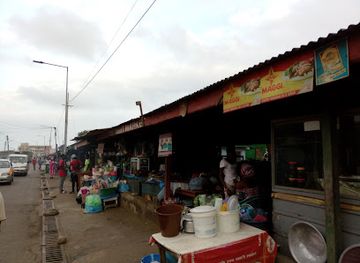


Explore Osu Castle on the Map
A handpicked selection of must-see spots near Osu Castle, mapped for you.
Unlock the Best of Osu Castle
Buy tickets
-
No tickets available
Book tours with entry


Getting There
-
Public Transport
From central Accra, the most convenient way to reach Osu Castle is by public transport. Look for 'tro-tros' (minibuses) heading towards Osu. These are readily available from major transport hubs like the Accra Rawlings Park or near the Ministries. Ask for a tro-tro that stops near 'Castle Junction' or 'Osu'. From either of these stops, Osu Castle is a short walk away, oriented towards the sea. The final walk is approximately 10-15 minutes, heading in a southerly direction towards the coast. A single tro-tro fare within Accra typically costs between GH¢2 to GH¢5.
-
Taxi/Ride-Share
Taxis and ride-sharing services like Uber and Bolt are readily available in Accra. Simply request a ride to 'Osu Castle' or 'Fort Christiansborg'. The journey from central Accra typically takes 15-20 minutes, depending on traffic. The drop-off point is usually near the entrance of the castle. Expect to pay between GH¢20 to GH¢40 for a taxi or ride-share from central Accra to Osu Castle.
-
Walking
If you are already in the Osu area, walking to Osu Castle is a viable option. From Oxford Street in Osu, head south towards the sea. You'll pass the Osu Cemetery on your left. Continue straight, and you'll see the castle ahead. The walk from Oxford Street to Osu Castle is approximately 20-30 minutes. There are no specific costs associated with walking, but be mindful of the weather and traffic conditions.
Discover more about Osu Castle













Your all‑in‑one travel companion app
Explore expert travel guides, compare and book tours, experiences, hotels, and more—all from the palm of your hand. Download now for seamless trip planning wherever your wanderlust takes you.


Explore More of Accra

Looking beyond Osu Castle? Discover Accra for broader travel guides, local hot-spots, and regional highlights.
Explore Accra
Explore the rich heritage and vibrant culture of Osu Mantse, a significant landmark in Accra, Ghana, where tradition meets modern life.
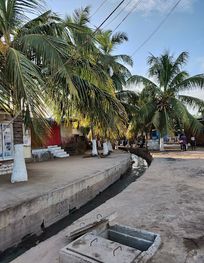
Discover the vibrant flavors and cultural richness of Ghana at Osu Night Market, a must-visit culinary destination in Accra.