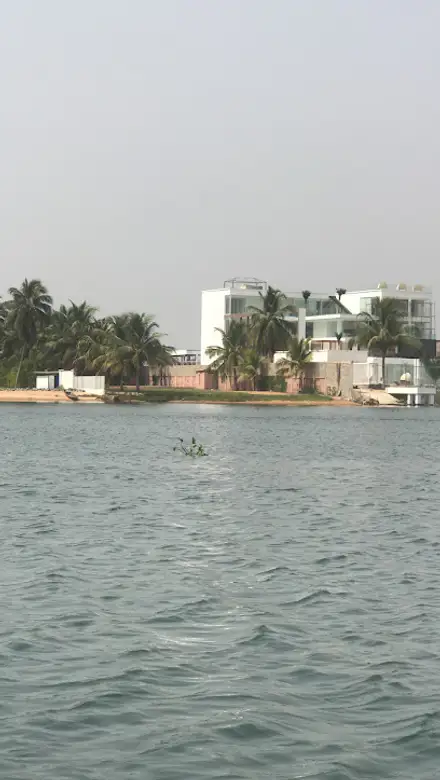
Volta Estuary, Ada Foah Travel Guide
Free Guide: Discover the breathtaking Volta Estuary in Ada Foah, where the river meets the sea, offering stunning landscapes, rich culture, and thrilling water adventures in Ghana.


A brief summary of Volta Estuary, Ada Foah
Discover the breathtaking Volta Estuary in Ada Foah, where the river meets the sea, offering stunning landscapes, rich culture, and thrilling water adventures in Ghana.
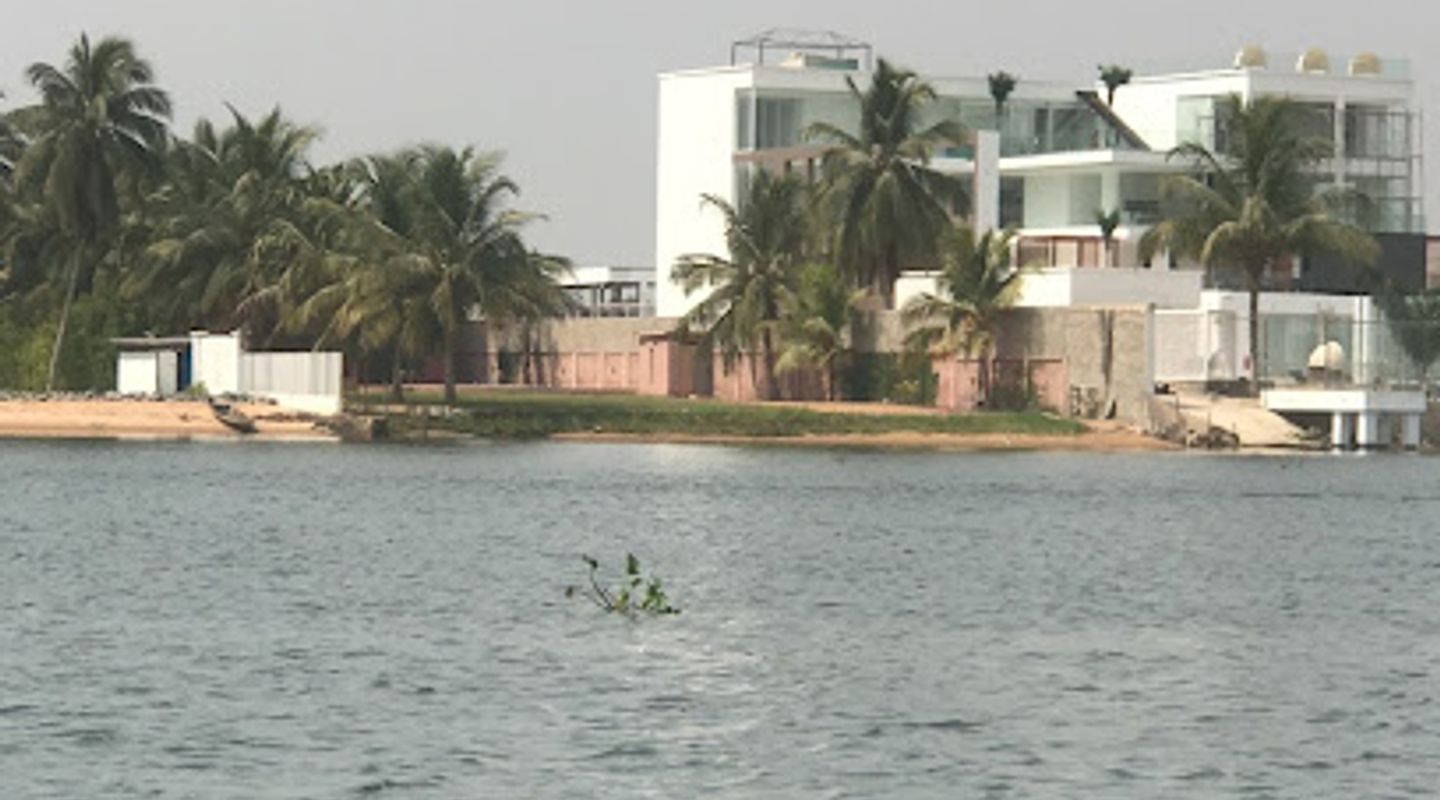
The Volta Estuary in Ada Foah is a captivating natural wonder where Ghana's mighty Volta River merges with the Atlantic Ocean. This dynamic meeting point creates a stunning landscape of contrasting colors and powerful waves, offering visitors a unique sensory experience. Explore the estuary by boat to witness the 'fighting' waters, observe diverse birdlife, and discover the rich cultural heritage of the local fishing villages. Relax on pristine beaches, engage in thrilling water sports, or simply soak in the tranquil atmosphere of this coastal paradise. With its blend of natural beauty, recreational activities, and cultural immersion, the Volta Estuary promises an unforgettable Ghanaian adventure.
Opening hours
- Every dayOpen 24 hours
Opening hours as listed on the venue’s Google Business Profile. Hours can change for services and special events, so check with the venue before you go.
- Address
- QMFC+45P, Ada Foah
Getting there
Walking
Public Transport
Taxi/Ride-Share
Driving
Discover more about Volta Estuary, Ada Foah
Overview
The Volta Estuary at Ada Foah presents a mesmerizing spectacle where the fresh waters of the Volta River embrace the vast expanse of the Atlantic Ocean. This unique geographical location is more than just a scenic viewpoint; it's an ecological treasure trove and a cultural hub steeped in history and tradition. As the Volta River, the largest in Ghana, journeys southward, it finally meets the Atlantic at Ada Foah, creating a dynamic interplay of currents and colors. The point where these two bodies of water converge is a sight to behold, with the differing hues of the river and the sea clashing and swirling, often generating impressive waves. This natural phenomenon is a photographer's dream, especially during sunrise and sunset when the sky is ablaze with vibrant colors. Beyond its visual appeal, the Volta Estuary is a haven for diverse ecosystems. The brackish waters support a variety of bird species, making it a prime destination for bird watchers. Keep an eye out for migratory birds, especially between October and January. Boat tours offer an excellent opportunity to explore the estuary's intricate waterways, mangrove forests, and hidden islands. These tours often include stops at local fishing villages, providing insights into the traditional way of life of the Ada people. The estuary's significance extends beyond its natural wonders. Historically, Ada Foah served as a major trading post, particularly during the transatlantic slave trade. Fort Kongenstein, built by Danish traders in the 18th century, stands as a silent reminder of this dark past. Although much of the fort has been eroded by the sea, its remnants offer a glimpse into the region's colonial history. Close to the fort are the Presbyterian Church and the old missionary cemetery, built by the first generation of Ghanaian Christians. Today, Ada Foah is a popular tourist destination, offering a range of activities to suit every interest. The beaches are perfect for sunbathing, swimming, and beach games. Water sports enthusiasts can indulge in kayaking, jet skiing, and fishing. For a more relaxed experience, consider a boat trip to explore the nearby islands, such as Azizanya, known for its traditional coconut oil production, or Aflive, famous for its local gin distillery. Don't miss the opportunity to sample some of the locally distilled 'apateshie,' but remember to drink in moderation. To truly immerse yourself in the local culture, visit the Ada Foah market, held on Wednesdays and Saturdays. Here, you can find a wide array of fresh seafood, vegetables, and local crafts. Engage with the friendly vendors, sample local delicacies, and experience the vibrant atmosphere of a Ghanaian market. For a unique cultural experience, plan your visit to coincide with the annual Asafotufiami Festival, held in the first week of August. This festival celebrates the warrior history of the Ada people with traditional music, dance, and ceremonies. It's a vibrant and colorful event that offers a deep insight into the local traditions and heritage. The Volta Estuary is not without its challenges. Coastal erosion, exacerbated by the construction of dams upstream, poses a significant threat to the region. Efforts are underway to mitigate the effects of erosion and protect the coastline, ensuring that future generations can continue to enjoy the beauty and bounty of the estuary. Whether you're seeking adventure, relaxation, or cultural immersion, the Volta Estuary at Ada Foah offers an unforgettable Ghanaian experience. From its stunning natural landscapes to its rich history and vibrant culture, this coastal paradise has something to captivate every traveler. So, pack your bags, prepare to be amazed, and discover the magic of the Volta Estuary.
Evendo Review Centre
 Google
Guest reviews
Explore Volta Estuary, Ada Foah on the map
A handpicked selection of must-see spots near Volta Estuary, Ada Foah, mapped for you.
Get your free copy of our complete guide to Volta Estuary, Ada Foah, delivered straight to you.
Everything on this page, from opening hours and how to get there to Eve’s tips and the best time to go, in one PDF you can read offline, print or share.
Already have an account? Sign in
Your Volta Estuary, Ada Foah guide is ready.
We'll send it to · Not you? Sign out

Getting your guide ready…
We are putting together a fresh copy of the Volta Estuary, Ada Foah guide. This can take up to a minute.
This can take a few moments. If your browser asks, choose Allow so the download can start. You'll find the guide in your Downloads folder.
Nothing happened? Download it again
Sorry, the guide is taking longer than usual. Please try again in a minute, or get it by email instead.
Other nearby places you may find interesting
The closest places of the same kind, if this one is not quite what you had in mind.
-
-
-
-
-


Swipe for more places
More to explore near Volta Estuary, Ada Foah
-
 Best experiences near Volta Estuary, Ada Foah
-
 Best hotels near Volta Estuary, Ada Foah
-
 Best landmarks near Volta Estuary, Ada Foah
-
 Best attractions near Volta Estuary, Ada Foah
-
 Best shops near Volta Estuary, Ada Foah
-
 Best restaurants near Volta Estuary, Ada Foah
-
 Best bars near Volta Estuary, Ada Foah


Do you manage this location?
Take control to get all the benefits, like improved information, better appearance, and stronger visibility across AI-powered discovery.
Explore more

Explore more of Ada Foah
Discover Ada Foah, Ghana's coastal paradise where the Volta River meets the Atlantic Ocean. Enjoy pristine beaches, rich history, vibrant culture, and breathtaking nature.
Explore Ada Foah
Explore more of Ghana
Discover Ghana: A vibrant blend of rich history, stunning landscapes, and warm hospitality in the heart of West Africa.
Explore Ghana