
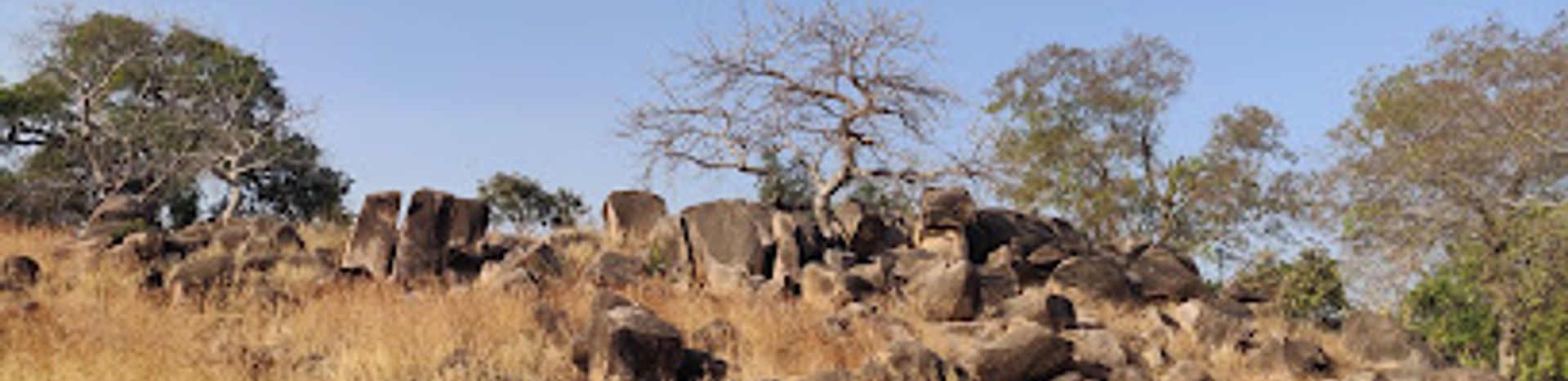
Pikworo Slave Camp: A Testament to History
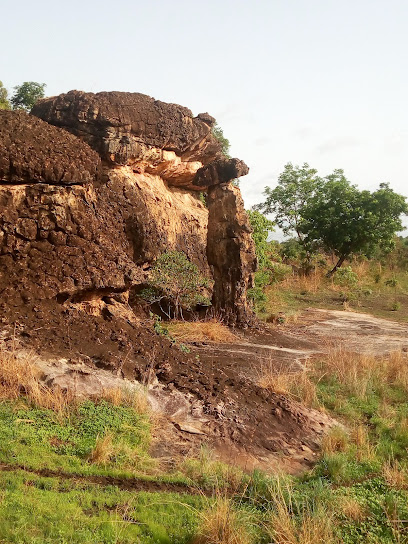
Explore the Pikworo Slave Camp in Paga, Ghana, a memorial park dedicated to the history and legacy of the transatlantic slave trade.
Discover the haunting yet powerful Pikworo Slave Camp in Paga, Ghana. This memorial park offers a poignant glimpse into the region's complex history, making it an essential stop for culturally curious travelers. Explore the grounds, reflect on the past, and gain insight into the legacy of the transatlantic slave trade.
A brief summary to Pikworo Slave Camp
- Paga, GH
- +233248277099
Local tips
- Visit early in the morning to avoid crowds and have a more personal experience.
- Engage with local guides to gain deeper insights into the historical significance of the site.
- Bring a camera, but be respectful; this is a place of remembrance.
- Wear comfortable shoes, as the terrain can be uneven and requires some walking.
- Consider visiting nearby attractions in Paga to enrich your travel experience.

Getting There
-
Car
From Mole National Park, drive south on the main road towards Larabanga. After approximately 20 kilometers, you will see a sign for Pikworo Slave Camp. Turn right at the sign and follow the dirt road for another 5 kilometers until you reach the camp.
-
Public Transportation
Take a shared taxi or tro tro from Mole National Park to Larabanga. From Larabanga, you can hire a motorbike taxi or walk to Pikworo Slave Camp, which is about 5 kilometers away from the village.
Discover more about Pikworo Slave Camp
Iconic landmarks you can’t miss

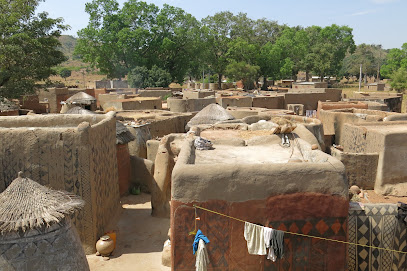
Place du Marché de Tiébélé
22.1 km
Experience the vibrant culture of Burkina Faso at Place du Marché de Tiébélé, a bustling hub of local crafts, produce, and traditions.
AKAYET HOTELS LTD.
29.5 km
Experience Ghanaian hospitality at Akayet Hotel in Bolgatanga, offering comfortable accommodations, diverse amenities, and a strategic location for exploring the Upper East Region's cultural and natural treasures.

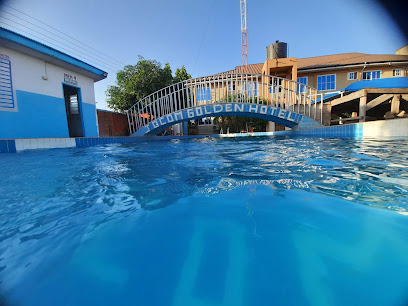
Jocom Golden Hotel
31.2 km
Experience the warmth of Ghana at Jocom Golden Hotel, your gateway to the cultural wonders of Bolgatanga and the Upper East Region.
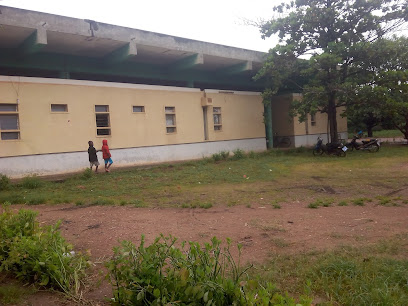
Bolgatanga Technical Institute
31.8 km
Discover Bolgatanga Technical Institute, a beacon of education and culture in Ghana, where innovation meets tradition in a vibrant academic community.
TINDONMOLGO
33.9 km
Explore TINDONMOLGO, a serene gated community in Bolgatanga, where local culture and tranquility combine for a unique travel experience.
Ghana Tourism Authority
34.1 km
Experience the vibrant culture and stunning landscapes of Bolgatanga with insights from the Ghana Tourism Authority.
Regional Library
34.2 km
Discover Bolgatanga's cultural and educational treasures at the Regional Library, a peaceful oasis for knowledge seekers and culture enthusiasts.
Extee Crystal Hotel
34.4 km
Experience the charm of Bolgatanga at Extee Crystal Hotel, where comfort meets affordability in the heart of Ghana.

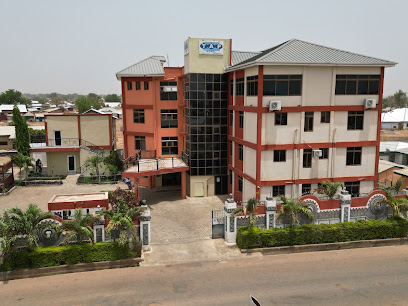
Tap Hotel
34.9 km
Discover comfort and local culture at Tap Hotel in Bolgatanga, offering cozy accommodations, local cuisine, and warm Ghanaian hospitality.
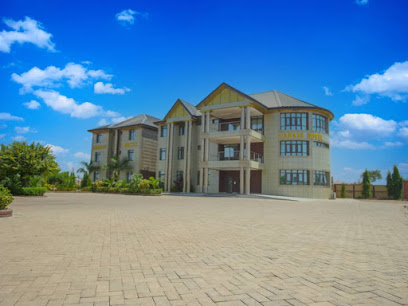
Sand Gardens Hotel
35.7 km
Discover comfort and local charm at Sand Gardens Hotel in Bolgatanga, a perfect retreat for travelers exploring Ghana's vibrant culture.
GANASS HOTEL
36.5 km
Discover comfort and cultural charm at Ganass Hotel, the ideal retreat in Bolgatanga, Northern Ghana, blending modern amenities with local hospitality.
Bolga market
37.8 km
Immerse yourself in the vibrant culture of Ghana's Upper East Region at Bolga Market, a bustling hub of handcrafted goods, local cuisine, and authentic experiences.
ATAMPINTIN ELECTORAL AREA
38.1 km
Explore the Atampintin Electoral Area, a historical landmark in Ghana, rich in culture and natural beauty, perfect for immersive travel experiences.
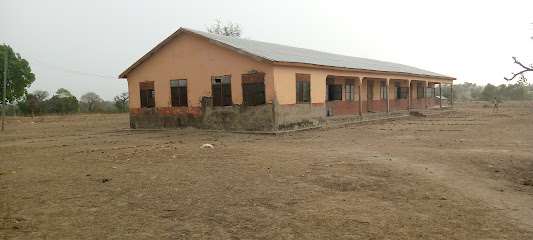
ZUGRAAN(OVERLORD OF KUSAUG TRADITIONAL AREA) PALACE JUNCTION
95.1 km
Discover the vibrant culture and traditions of the Kusaug people at Zugraan Palace Junction in Bawku, Ghana - a must-visit cultural hub.
Unmissable attractions to see

Paga Crocodile Park
2.5 km
Explore the enchanting Paga Crocodile Park in Ghana, a unique wildlife sanctuary for Nile crocodiles offering unforgettable experiences and conservation insights.

Paga Crocodile Pond
2.6 km
Experience the thrill of close encounters with friendly crocodiles at Paga Crocodile Pond, a unique wildlife attraction in Ghana.
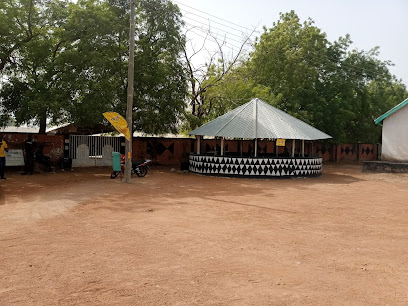
Sirigu Murals and Traditional Arts
19.4 km
Explore the captivating Sirigu Murals and immerse yourself in the vibrant traditional arts of Ghana, a must-visit cultural gem.
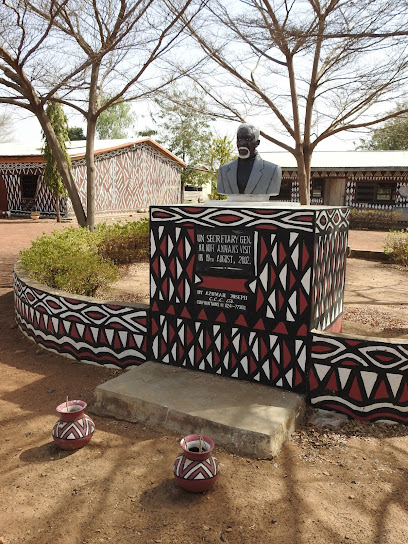
Po-Eco-village
21.7 km
Experience sustainable living at Po-Eco-village, a unique eco-tourism destination in Burkina Faso that blends culture, nature, and community in harmony.
Parc w
22.0 km
Explore the tranquil beauty of Parc W in Pô, Burkina Faso, a serene park perfect for nature lovers and peaceful retreats.

Royal Court of Tiébélé
22.0 km
Discover the historical elegance of the Royal Court of Tiébélé, a cultural gem in Burkina Faso showcasing traditional architecture and rich heritage.
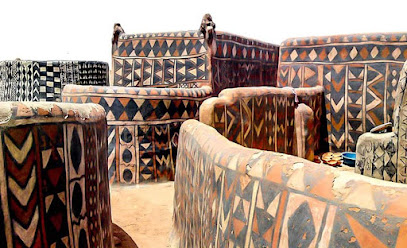
Po
23.3 km
Experience the tranquility of Po Gardens in Pô, a lush haven of biodiversity and beauty perfect for relaxation and exploration.
Upper East Regional Museum
34.2 km
Explore the Upper East Regional Museum in Bolgatanga for an enriching journey through the cultural heritage and history of the region.
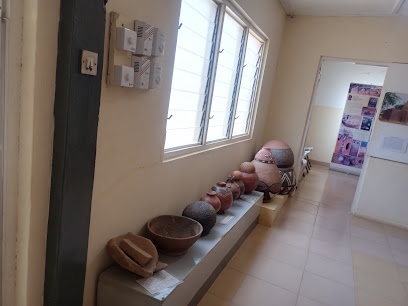
Tongo:upper East region (Ghana)
34.4 km
Discover Tongo in Ghana's Upper East Region, a captivating destination of stunning landscapes, rich culture, and sacred hills that beckon adventurous travelers.
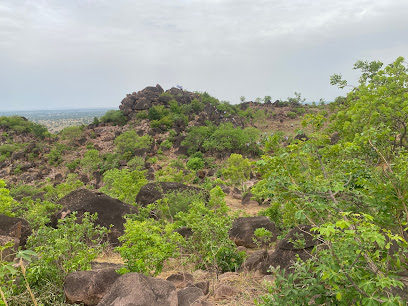
Zuui
34.4 km
Explore the tranquil beauty of Zuui, an enchanting garden in Bolgatanga, Ghana, perfect for relaxation and nature lovers seeking a serene retreat.
Ghbasket
35.0 km
Experience the lush beauty and vibrant culture of Jubeli Park, a serene escape in the heart of Bolgatanga, Ghana.
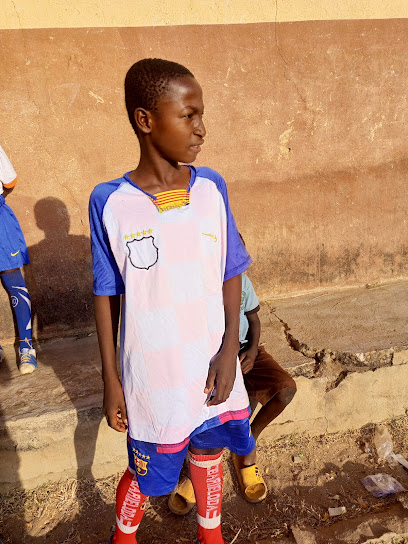
Bolga
35.4 km
Explore Bolgatanga, a vibrant city in Ghana known for its rich culture, stunning crafts, and warm hospitality, perfect for an unforgettable adventure.
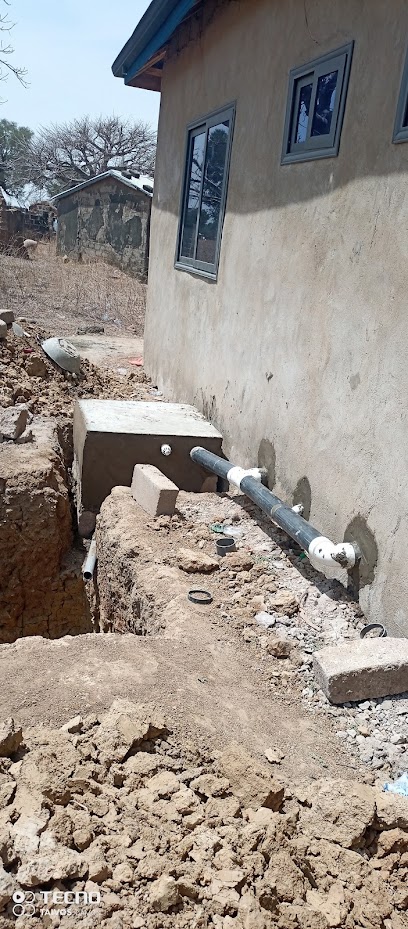
Abole Junction
35.6 km
Discover the breathtaking trails and rich culture at Abole Junction, a top hiking destination in Bolgatanga, Ghana.
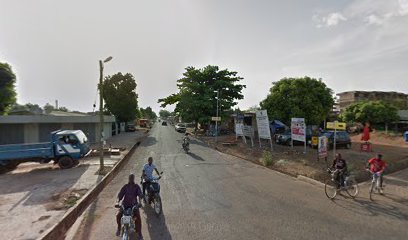
East Kings Garden
44.3 km
Explore the lush landscapes and tranquil beauty of East Kings Garden in Zuarungu, a perfect retreat for nature lovers and families alike.
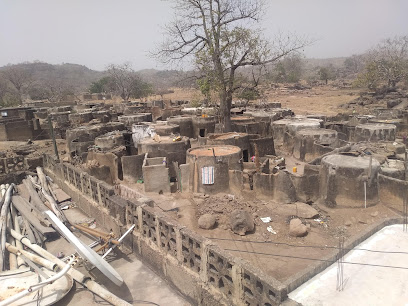
Tenzug Shrines
44.7 km
Explore the captivating Tenzug Shrines in Tongo, Ghana - a serene spiritual haven steeped in rich cultural heritage and stunning natural beauty.
Essential places to dine

Royal Peace
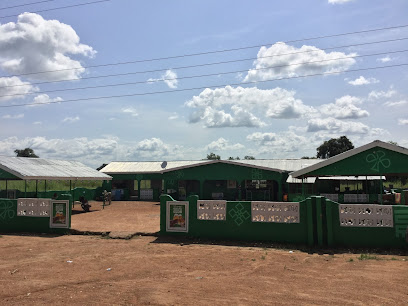
2.2 km
Savor authentic Ghanaian flavors at Royal Peace in Tamale – where great food meets warm hospitality.
Secret Pub
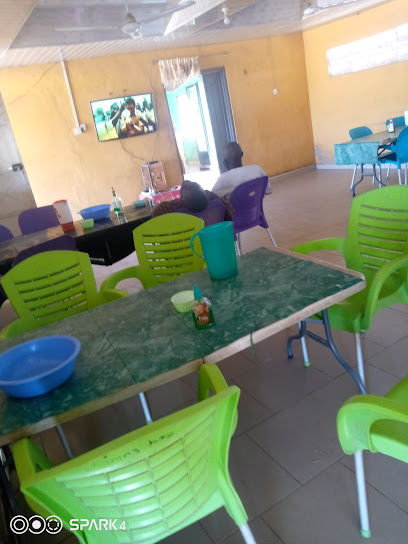
3.9 km
Experience authentic Ghanaian cuisine at Secret Pub in Paga – where flavor meets culture in every bite.
JH Gardens
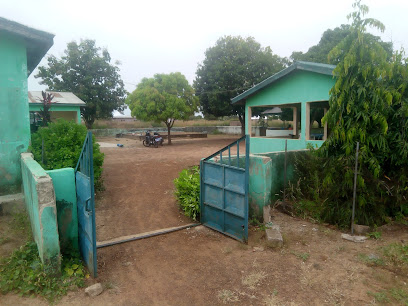
5.2 km
Experience authentic Ghanaian cuisine at JH Gardens in Navrongo—where flavor meets hospitality in a lush setting.
Cool Base (Anepola)
8.5 km
Discover delightful flavors at Cool Base (Anepola) in Navrongo - where local charm meets culinary excellence.
Ama Ghana Bar And Restaurants
9.1 km
Experience authentic Ghanaian cuisine at Ama Ghana Bar and Restaurants in Navrongo - a perfect blend of tradition and flavor awaits you.

Auntie Muni Waakye Joint
11.8 km
Experience authentic Ghanaian waakye at Auntie Muni Waakye Joint in Navrongo – where tradition meets taste!
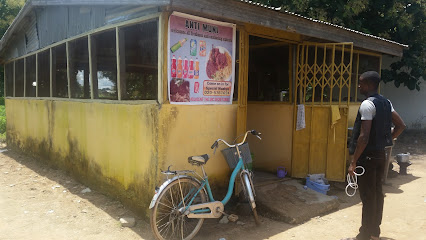
Wintex Plaza
25.8 km
Experience authentic Ghanaian cuisine at Wintex Plaza in Bolgatanga – a culinary gem offering delightful flavors and warm hospitality.
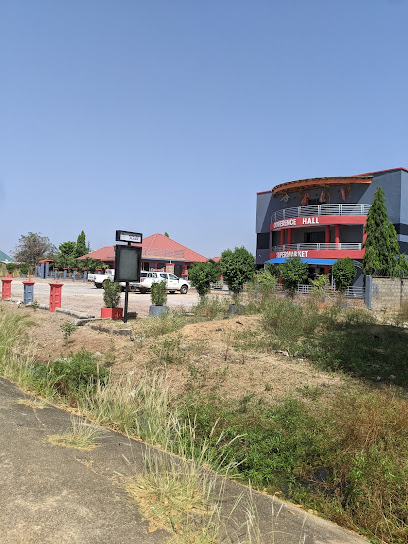
Sanat Minat
31.9 km
Discover comfort at Sanat Minat Hotel in Yikene - your gateway to explore Bolgatanga's rich culture and scenic beauty.
New Life Line Drinking Bar
32.8 km
Discover the vibrant nightlife at New Life Line Drinking Bar in Bolgatanga, where local culture meets refreshing beverages in a lively atmosphere.
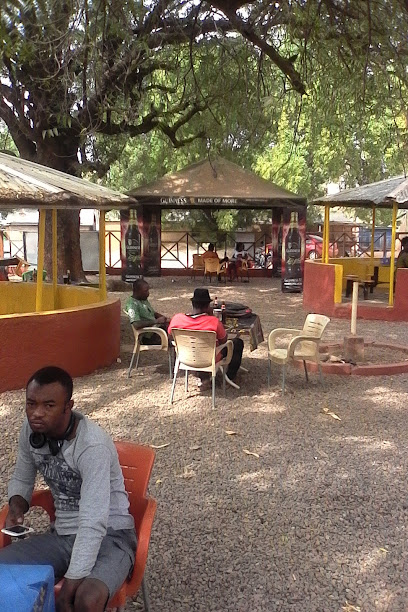
Sernof Delight
33.0 km
Discover authentic Ghanaian flavors at Sernof Delight in Bolgatanga – where tradition meets culinary excellence.
Healthier Happier Home
33.0 km
Discover nutritious dining at Healthier Happier Home in Bolgatanga - where health meets flavor in every dish!
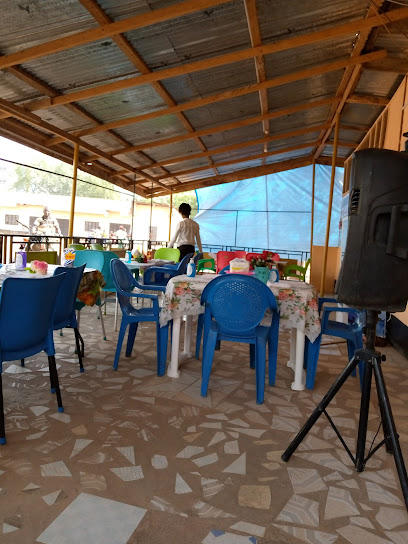
Food Lounge
33.1 km
Experience authentic Ghanaian cuisine in Bolgatanga at Food Lounge - where every meal tells a story.
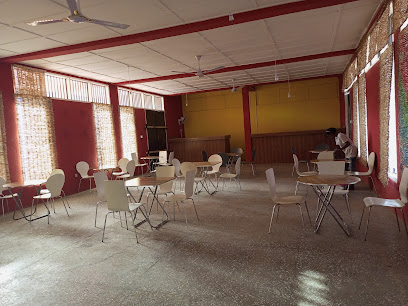
Free And Fair Drinking spot
33.2 km
Experience authentic Ghanaian cuisine at Free And Fair Drinking Spot in Bolgatanga - where flavor meets culture in a vibrant atmosphere.
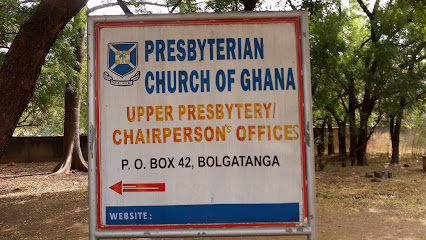
Doxa Court
33.9 km
Experience comfort and culture at Doxa Court in Bolgatanga - your ideal base for exploring northern Ghana's vibrant heritage.
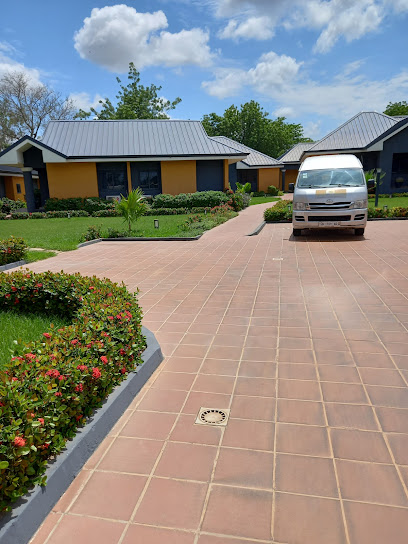
LA PAIX Lodge
33.9 km
Experience authentic Ghanaian hospitality at LA PAIX Lodge in Bolgatanga—your peaceful retreat surrounded by culture and nature.
Markets, malls and hidden boutiques

Bendowe Enterprise
2.5 km
Discover unique crafts and the beauty of nature at Bendowe Enterprise, your boutique destination near Paga's famous crocodile pond.

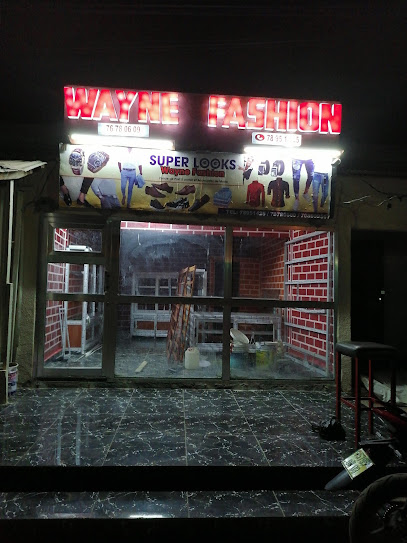
Super Looks Wayne Fashion
4.7 km
Explore Super Looks Wayne Fashion in Paga for unique apparel and accessories that blend modern trends with traditional styles in a vibrant boutique atmosphere.
Wewoki Wholesale ANE Retailers Shop
8.2 km
Explore Wewoki Wholesale ANE Retailers Shop in Navrongo, Ghana, for a vibrant shopping experience filled with local products and culture.
Jo-jil Ventures
9.0 km
Discover Jo-jil Ventures in Navrongo: A vibrant shopping mall offering local crafts, delicious food, and a taste of Ghanaian culture.
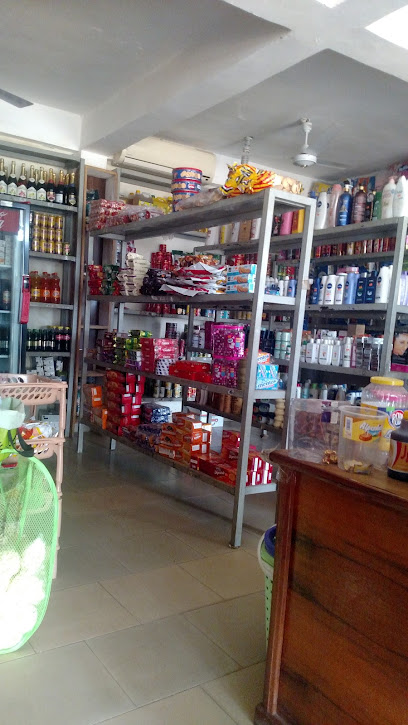
JOYKEY UNIQUE FASHION
9.4 km
Experience the essence of Ghanaian fashion at JOYKEY UNIQUE FASHION in Navrongo, where local craftsmanship meets unique style.
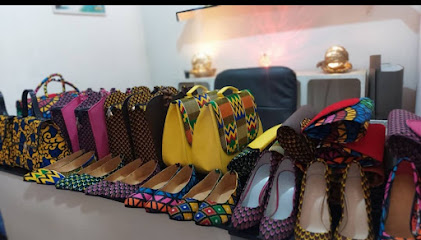
Sirigu Women's Pottery Association (SWOPA)
19.2 km
Experience the beauty of traditional Ghanaian pottery at the Sirigu Women's Pottery Association, where culture and craftsmanship come together.
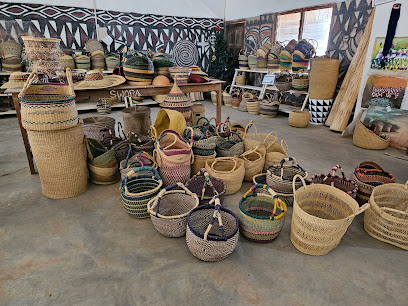
Poissonnerie Centrale de Pô
20.9 km
Experience the authentic flavors of Pô at the lively Poissonnerie Centrale de Pô, where fresh seafood meets vibrant local culture.
biomass
22.2 km
Biomass in Pô: Experience the rich flavors of local coffee in a cozy setting, perfect for relaxation and cultural connection.
Secretaria pulic weperi
22.3 km
Explore the vibrant literary culture of Pô at Secretaria Public Weperi, a hidden gem for book lovers in Burkina Faso with a rich selection of local and international reads.
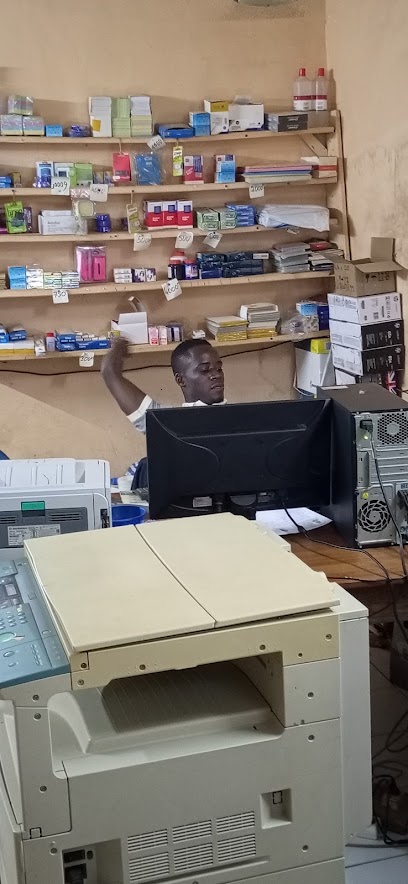
Wend Panga Telecom
22.4 km
Explore cutting-edge technology and exceptional service at Wend Panga Telecom in Pô, Burkina Faso, your go-to electronics store for all your tech needs.
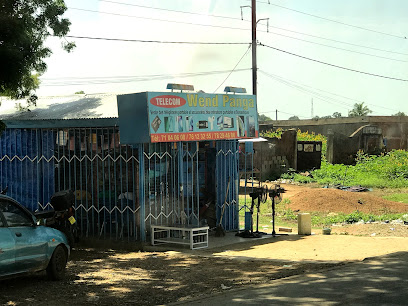
Style original good master
22.5 km
Explore Pô's vibrant DIY shop, where local craftsmanship meets creativity and inspiration for your next project.
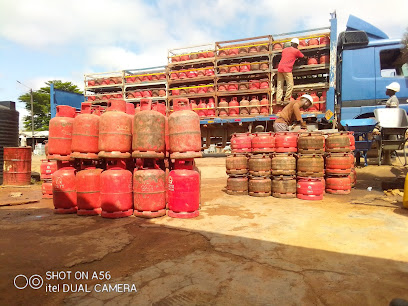
LEYANA LADIES CORNER
22.5 km
Explore LEYANA LADIES CORNER in Pô for unique stationery and local crafts, the perfect spot for souvenirs and creative supplies.

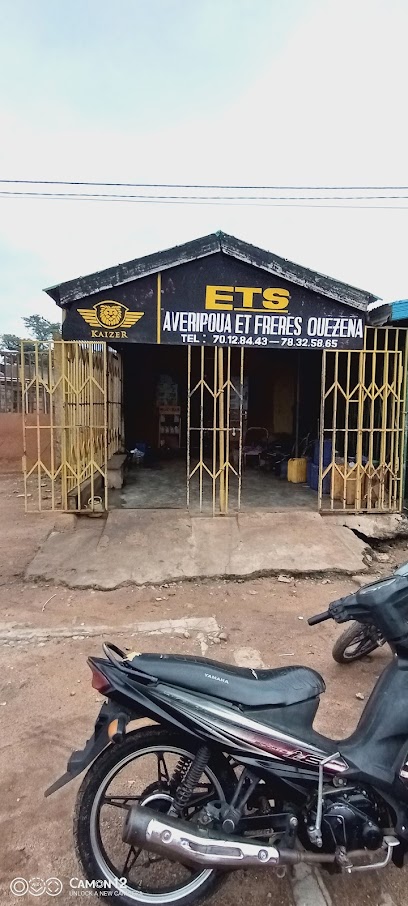
Établissement AVERIPOUA et Frère OUEZENA
22.6 km
Explore Établissement AVERIPOUA et Frère OUEZENA in Pô for top-notch motorcycle parts and exceptional service tailored for every enthusiast.
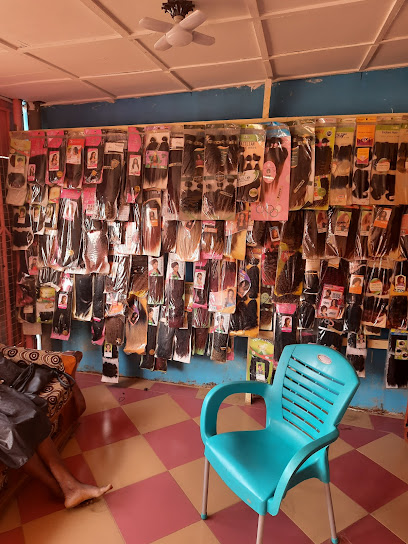
Docteur de beauté
22.7 km
Explore the vibrant world of beauty at Docteur de beauté in Pô, where quality products meet expert advice for a fulfilling shopping experience.
LYDIA FASHION
22.7 km
Explore Lydia Fashion in Pô for an exquisite selection of cosmetics and personalized beauty experiences that reflect Burkina Faso's vibrant culture.
Essential bars & hidden hideouts

Hustle Grand Pub
1.8 km
Discover the vibrant nightlife of Tamale at Hustle Grand Pub, where local and international drinks meet an inviting atmosphere.
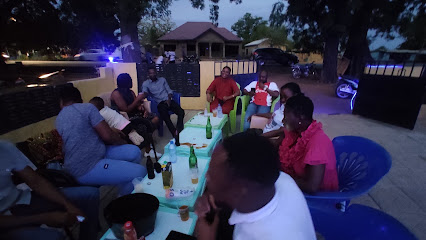
EDDIS PUB
6.6 km
Discover the lively ambiance and local flavors of EDDIS PUB, Navrongo's favorite social spot for tourists and locals alike.
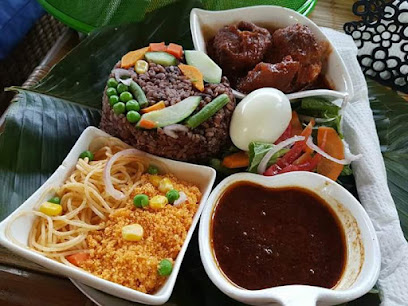
Discovery Pub
8.0 km
Experience the vibrant nightlife at Discovery Pub, a must-visit bar in Pungu where locals and tourists gather for great drinks and company.
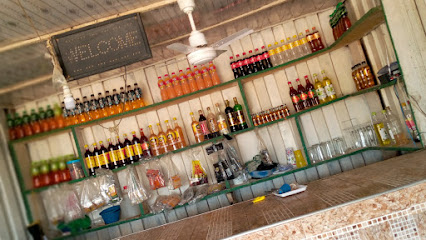
Teachers bar
8.1 km
Experience the vibrant nightlife of Navrongo at Teachers Bar, a favorite spot for locals and tourists alike, perfect for unwinding and socializing.
O7 Pub
17.5 km
Discover the essence of Chuchuliga at O7 Pub, a vibrant bar where locals and tourists unite over drinks and lively conversation.
SHAIBU PLANNERS PUB
20.4 km
Experience the vibrant nightlife and local flavors at Shaibu Planners Pub in Chiana, Ghana's lively social hub for tourists and locals alike.
Bon côté
22.2 km
Explore the flavors of Pô at Bon Côté, where culinary excellence meets local tradition in a warm and inviting atmosphere.
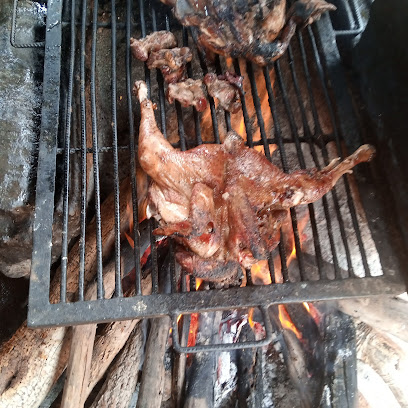
Maquis le Gabonais
22.5 km
Experience the authentic tastes of West Africa at Maquis le Gabonais, a vibrant restaurant in Pô offering traditional dishes and local hospitality.
L'émergence
22.5 km
Experience the vibrant atmosphere and diverse beer selection at L'émergence, the ultimate beer hall in Pô, Burkina Faso.
Le consortium
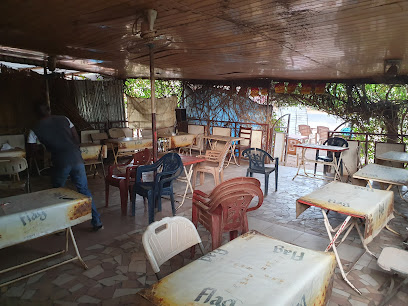
22.5 km
Discover the vibrant nightlife of Pô at Le Consortium, a live music bar where local culture and energetic performances come together.
biomas
22.5 km
Experience authentic Burkinabé cuisine at Biomas, a culinary gem in Pô that showcases the rich flavors and warm hospitality of the region.
Maquis restaurant la légende
22.6 km
Discover the authentic flavors of Burkina Faso at Maquis Restaurant La Légende in Pô, where every meal is a celebration of local culinary traditions.
Restaurant la Perseverance
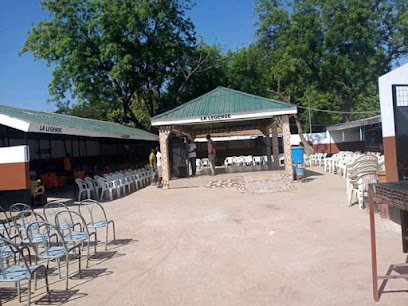
22.7 km
Discover the authentic tastes of Burkina Faso at Restaurant la Perseverance, a charming eatery in Pô offering local cuisine and a warm atmosphere.
MAQUI BLACKMAN 2
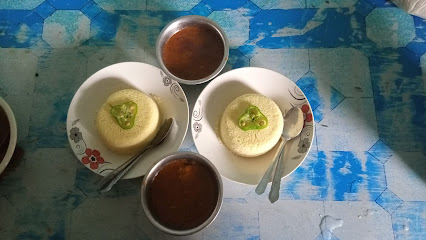
22.8 km
Discover the lively atmosphere and local flavors at MAQUI BLACKMAN 2, a premier bar in the heart of Pô, Burkina Faso.
FAST FOOD LE ROI
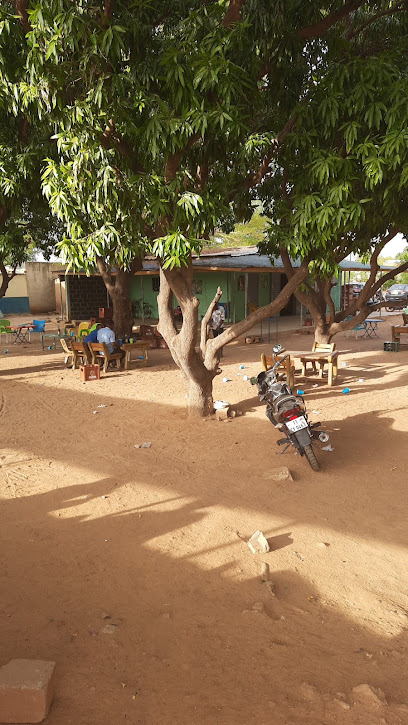
22.9 km
Explore Pô's culinary delights at FAST FOOD LE ROI, a fast-food gem offering local flavors and a friendly atmosphere.
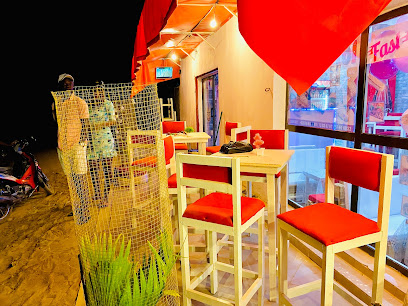
Nightclubs & after hour spots

WEMATU PLUS 2 VENTURES
31.2 km
Experience the vibrant nightlife at WEMATU PLUS 2 VENTURES, Bolgatanga's lively bar, perfect for drinks, music, and unforgettable memories.
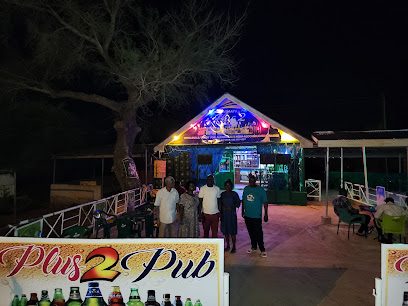
JC Nightclub
31.6 km
Unleash your energy at JC Nightclub, Bolgatanga's premier disco club, where vibrant music and exhilarating nightlife await every night.

Soul Train
33.5 km
Discover Bolgatanga's nightlife at Soul Train, a vibrant night club offering diverse music and an energetic atmosphere for unforgettable evenings.
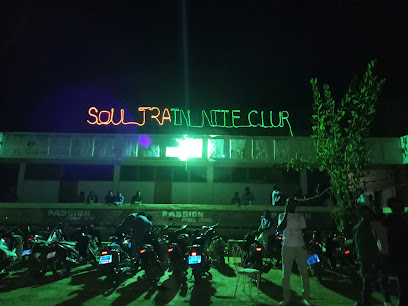
Bombs Events
33.5 km
Dive into Bolgatanga's vibrant nightlife at Bombs Events, where music, dance, and entertainment create unforgettable experiences.
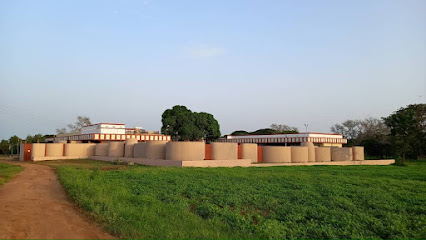
Frafra jokes
34.4 km
Discover the heart of Ghanaian humor at Frafra Jokes, Bolgatanga's top comedy club, where laughter and culture blend seamlessly.


