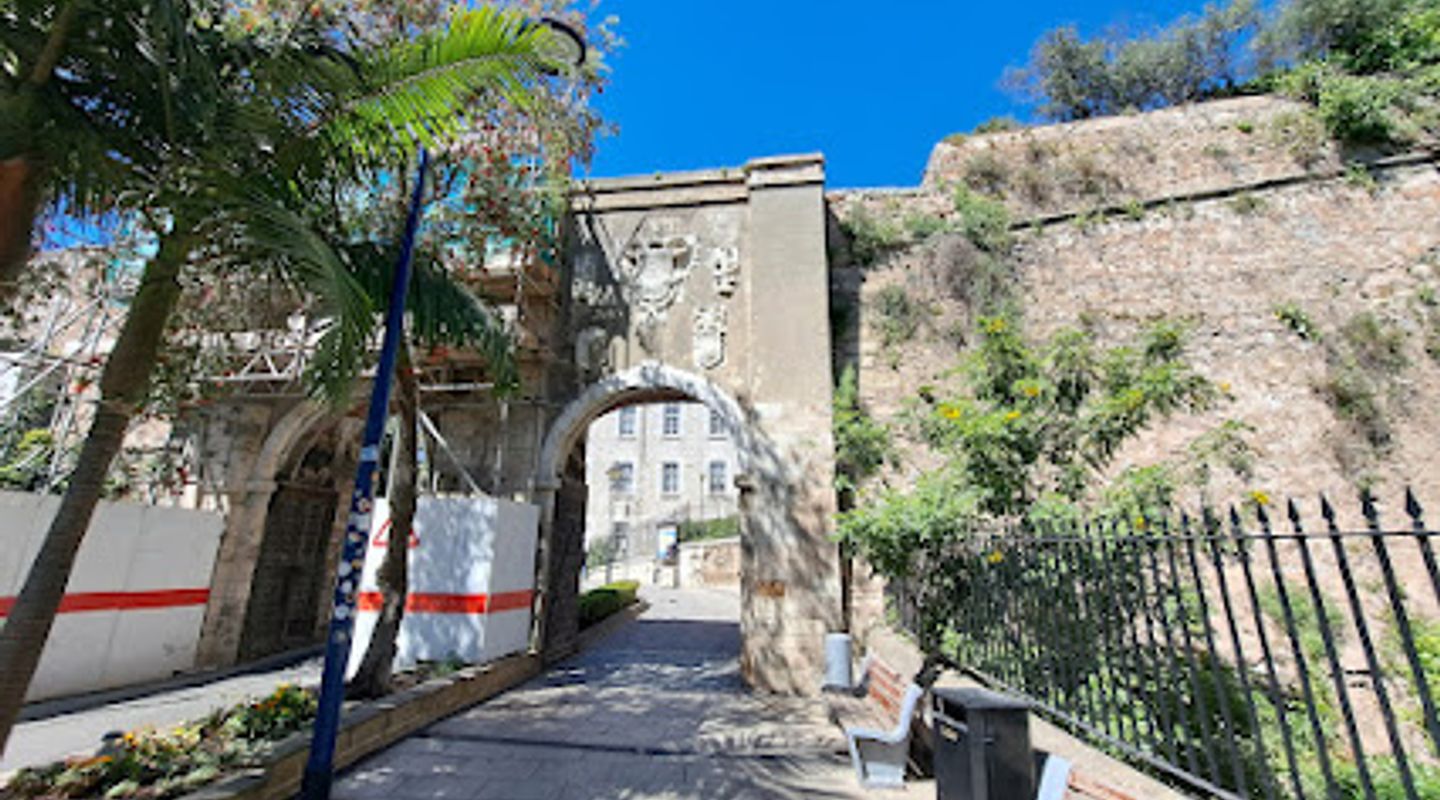
Trafalgar Cemetery, Moorish Castle Travel Guide
Explore a peaceful and historically significant military cemetery in Gibraltar, commemorating naval battles and yellow fever epidemics.
Trafalgar Cemetery in Gibraltar, originally known as Southport Ditch Cemetery, is a historical site consecrated in 1798. Despite its name, very few who died at the Battle of Trafalgar are buried here. Instead, it serves as the final resting place for victims of yellow fever epidemics and other naval battles.
A brief summary to Trafalgar Cemetery
- 4JMW+WW9, Gibraltar, GX11 1AA, GI
- Monday 9 am-5 pm
- Tuesday 9 am-5 pm
- Wednesday 9 am-5 pm
- Thursday 9 am-5 pm
- Friday 9 am-5 pm
- Saturday 9 am-5 pm
- Sunday 9 am-5 pm

Know before you go
Hi, I'm Eve. Here are a few practical things to know before exploring Trafalgar Cemetery.
- Visit early in the morning or late afternoon for a quieter experience and better lighting for photographs.
- Take time to read the inscriptions on the gravestones; many have fascinating stories behind them.
- Respect the solemnity of the site and maintain a quiet demeanor while exploring.
Do you manage this location?
Take control to get all the benefits, like improved information, better appearance, and stronger visibility across AI-powered discovery. Learn more about listing your business on Evendo
Activate your presenceOther nearby places you may find interesting
The closest places of the same kind, if this one is not quite what you had in mind.


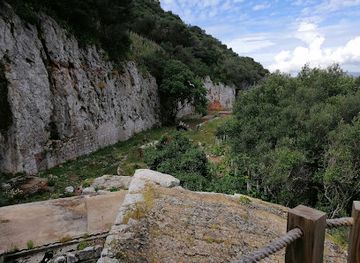


Explore Trafalgar Cemetery on the Map
A handpicked selection of must-see spots near Trafalgar Cemetery, mapped for you.
Unlock the Best of Trafalgar Cemetery
Buy tickets
-
No tickets available
Book tours with entry


Getting There
-
Walking
Trafalgar Cemetery is located just outside the city walls and is easily accessible by foot from most central locations in Gibraltar. From Casemates Square, head south through the Southport Gates. Once through the gates, the cemetery is a short walk to the left, bordered by Charles V Wall, Prince Edward's Road, and Trafalgar Road. The entrance is through a wrought-iron gate. There are no costs associated with walking to the cemetery.
-
Public Transport
The nearest bus stop to Trafalgar Cemetery is 'Trafalgar Cemetery - Boyd St'. Several bus lines stop here, including lines 2, 3, 4, and 10. From the city center, take any of these buses towards the cemetery. The bus journey is short, and the cemetery is a few steps from the bus stop. A single bus fare in Gibraltar typically costs around £2.
Discover more about Trafalgar Cemetery













Your all‑in‑one travel companion app
Explore expert travel guides, compare and book tours, experiences, hotels, and more—all from the palm of your hand. Download now for seamless trip planning wherever your wanderlust takes you.


Explore More of Moorish Castle
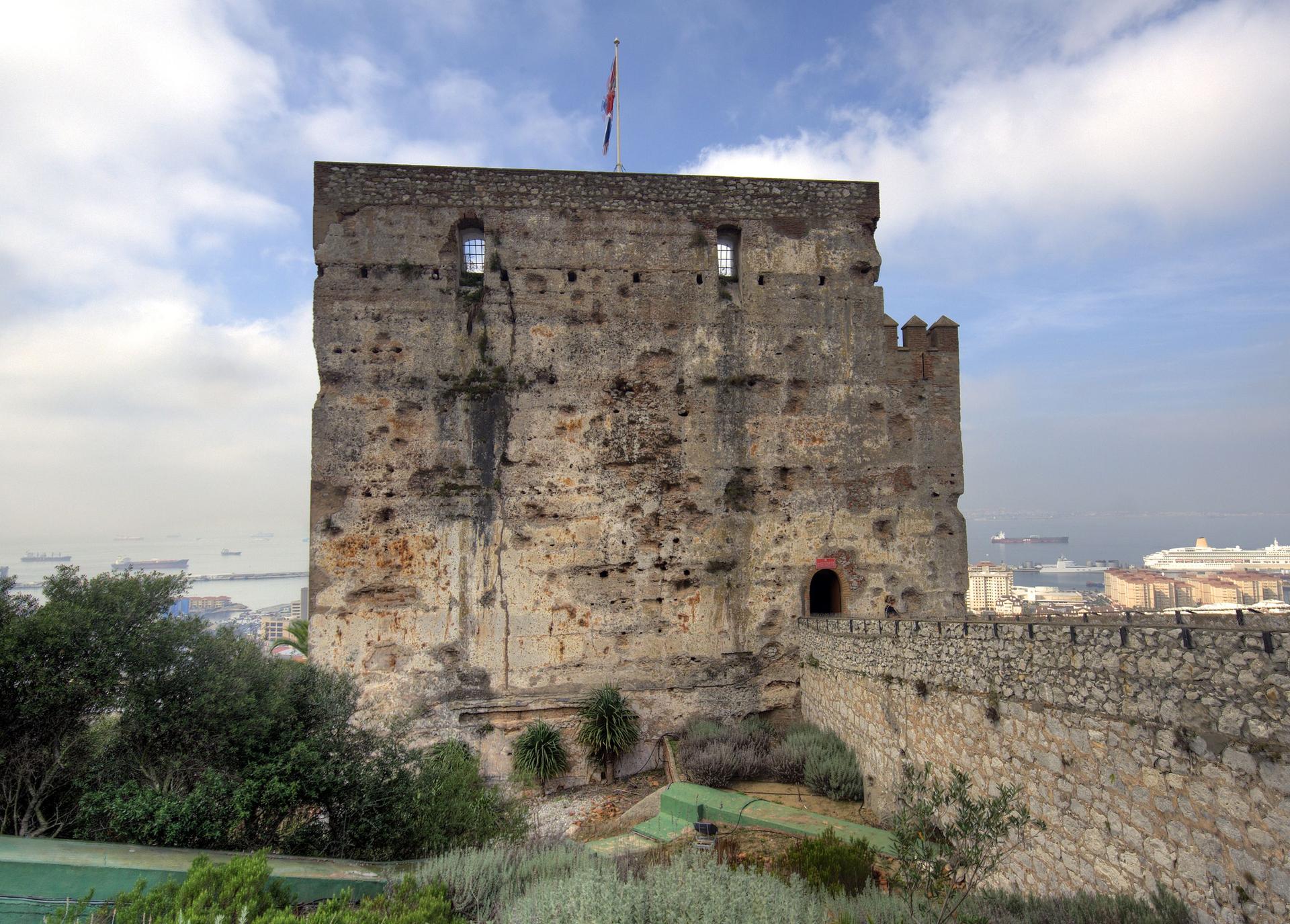
Looking beyond Trafalgar Cemetery? Discover Moorish Castle for broader travel guides, local hot-spots, and regional highlights.
Explore Moorish Castle
A tribute to Admiral Horatio Nelson, this Gibraltar statue commemorates naval history and British heroism during the Battle of Trafalgar.
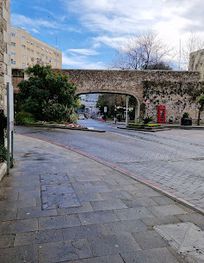
Experience the historic Southport Gates in Gibraltar, a landmark steeped in history and architectural beauty, perfect for history lovers and casual tourists alike.