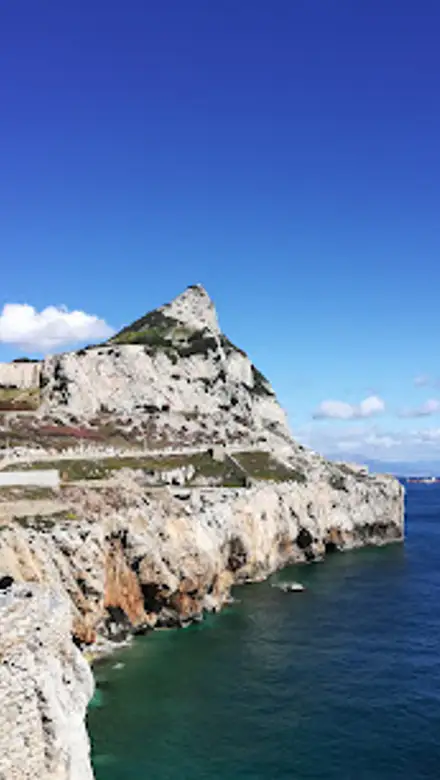
Gibraltar Rock Travel Guide
Free Guide: Explore the iconic Rock of Gibraltar: History, stunning views, and the famous Barbary macaques await at this Mediterranean landmark.


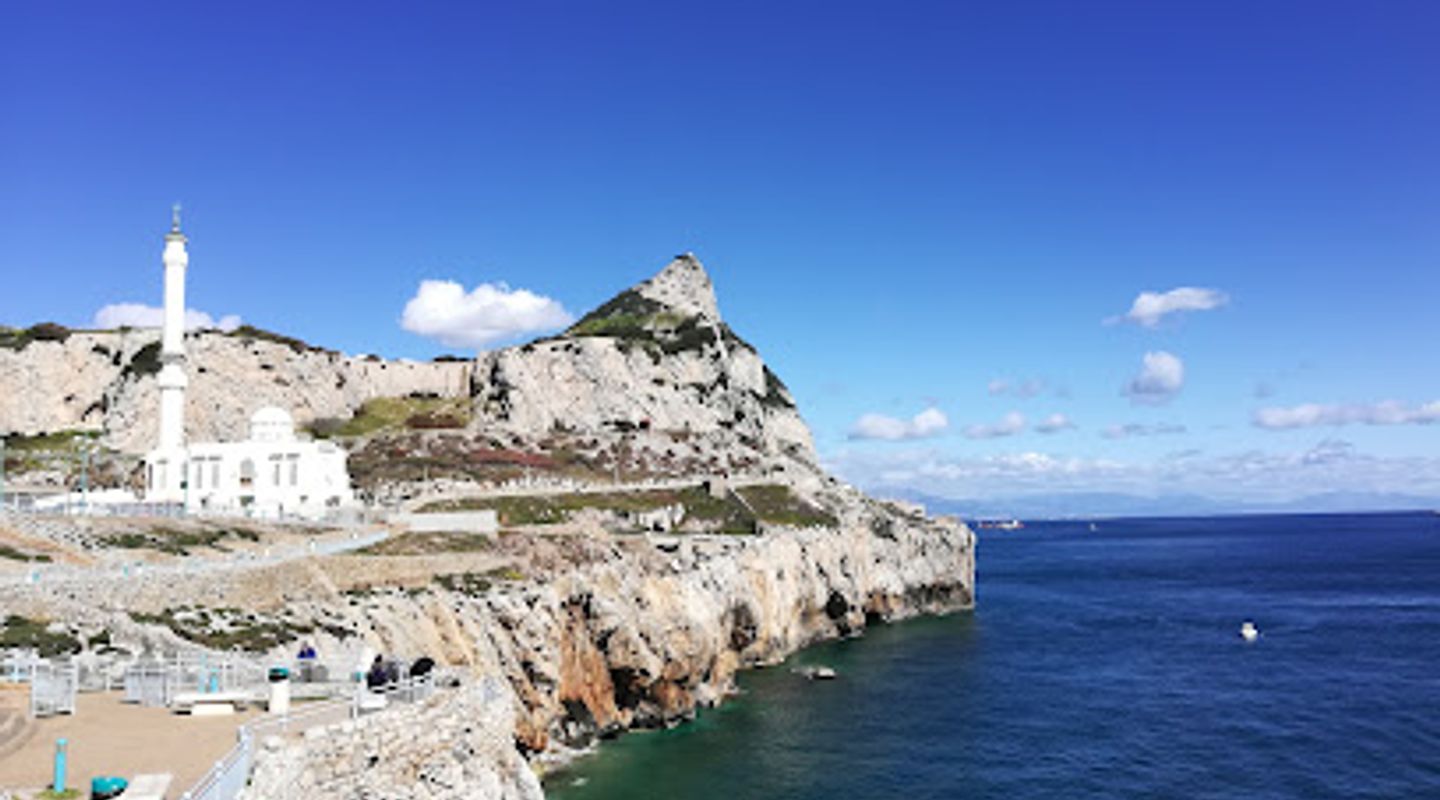
A brief summary of Gibraltar Rock
Explore the iconic Rock of Gibraltar: History, stunning views, and the famous Barbary macaques await at this Mediterranean landmark.
The Rock of Gibraltar, a towering limestone promontory, has been a strategic and symbolic landmark for millennia. Rising 426 meters, it offers stunning views, historical tunnels, and the famous Barbary macaques, making it a must-see destination.
Opening hours
- Every dayOpen 24 hours
Opening hours as listed on the venue’s Google Business Profile. Hours can change for services and special events, so check with the venue before you go.
- Address
- Gibraltar,GX11 1AA, GX11 1AA
Getting there
Walking
Public Transport
Taxi
Cable Car
Discover more about Gibraltar Rock
Overview
The Rock of Gibraltar, a monolithic limestone promontory, stands as a silent witness to centuries of history and a vibrant testament to the power of nature. Rising dramatically from the sea, this iconic landmark marks the gateway between the Atlantic Ocean and the Mediterranean Sea, offering unparalleled views and a unique blend of cultural and natural attractions.Geologically, the Rock's origins trace back approximately 200 million years to the Jurassic period, with its iconic shape sculpted by tectonic shifts and the relentless forces of sea and weather. Known in ancient times as Mons Calpe, one of the Pillars of Hercules, it represented the edge of the known world to the Romans, Phoenicians, and Greeks. The Rock has served as a strategic military stronghold, with its network of tunnels expanded during the War of the Spanish Succession and World War II.Today, the majority of the upper Rock comprises a nature reserve, home to around 300 Barbary macaques, Europe's only wild monkey population. Visitors can explore numerous historical sites within the reserve, including St. Michael's Cave, a stunning natural grotto adorned with stalactites and stalagmites; the Great Siege Tunnels, a testament to British military engineering; and the Moorish Castle, a relic of Moorish rule. The newly opened Skywalk offers panoramic views for the brave of heart.Whether you're drawn to its rich history, stunning natural beauty, or unique wildlife, the Rock of Gibraltar promises an unforgettable experience.
Evendo Review Centre
 Google
Guest reviews
Explore Gibraltar Rock on the map
A handpicked selection of must-see spots near Gibraltar Rock, mapped for you.
Get your free copy of our complete guide to Gibraltar Rock, delivered straight to you.
Everything on this page, from opening hours and how to get there to Eve’s tips and the best time to go, in one PDF you can read offline, print or share.
Already have an account? Sign in
Your Gibraltar Rock guide is ready.
We'll send it to · Not you? Sign out

Getting your guide ready…
We are putting together a fresh copy of the Gibraltar Rock guide. This can take up to a minute.
This can take a few moments. If your browser asks, choose Allow so the download can start. You'll find the guide in your Downloads folder.
Nothing happened? Download it again
Sorry, the guide is taking longer than usual. Please try again in a minute, or get it by email instead.
Other nearby places you may find interesting
The closest places of the same kind, if this one is not quite what you had in mind.
-
-
-
-
-


Swipe for more places
More to explore near Gibraltar Rock

 Best experiences near Gibraltar Rock
 Best hotels near Gibraltar Rock
 Best landmarks near Gibraltar Rock
 Best attractions near Gibraltar Rock
 Best shops near Gibraltar Rock
 Best restaurants near Gibraltar Rock
 Best bars near Gibraltar Rock
Do you manage this location?
Take control to get all the benefits, like improved information, better appearance, and stronger visibility across AI-powered discovery.
Explore more

Explore more of Sandy Bay
Discover Sandy Bay in Gibraltar – a serene beach paradise with golden sands, turquoise waters, and dramatic cliffs, perfect for relaxation and adventure.
Explore Sandy Bay
Explore more of Gibraltar
Discover Gibraltar, a unique blend of British and Spanish cultures, stunning natural beauty, and rich history at the gateway to the Mediterranean.
Explore Gibraltar