National Archaeological Museum, Athens Travel Guide
Free Guide: Discover the treasures of ancient Greece at the National Archaeological Museum, home to the world's richest collection of Greek antiquities.


A brief summary of National Archaeological Museum
Discover the treasures of ancient Greece at the National Archaeological Museum, home to the world's richest collection of Greek antiquities.
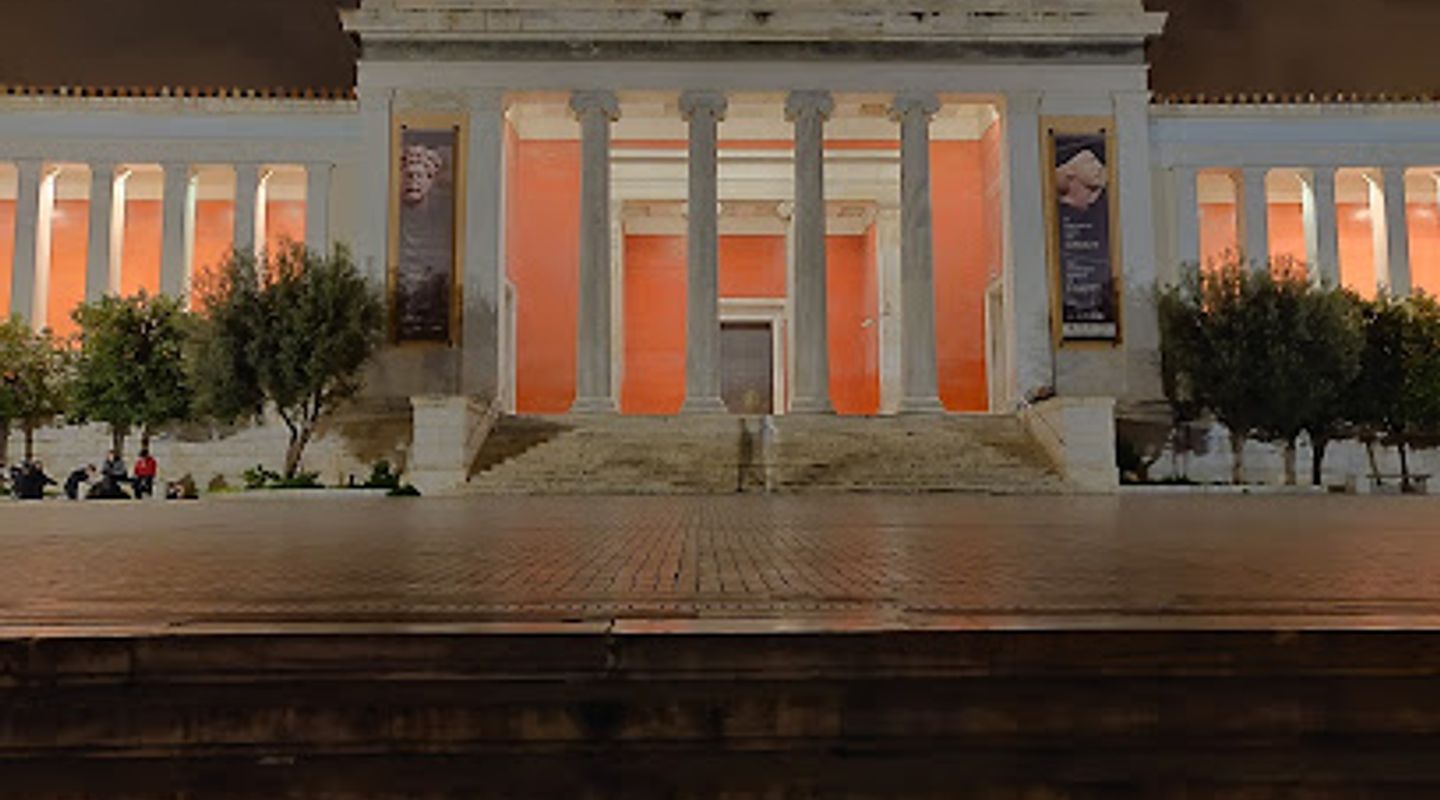
The National Archaeological Museum in Athens is Greece's largest museum, housing an unparalleled collection of Greek antiquities from prehistory to late antiquity. Explore iconic artifacts like the Mask of Agamemnon, the Antikythera Mechanism, and stunning sculptures, offering a deep dive into ancient Greek civilization.
Opening hours
- Mon8:30 am–3:30 pm
- Tue1 pm–8 pm
- Wed8:30 am–3:30 pm
- Thu8:30 am–3:30 pm
- Fri8:30 am–3:30 pm
- Sat8:30 am–3:30 pm
- Sun8:30 am–3:30 pm
Opening hours as listed on the venue’s Google Business Profile. Hours can change for services and special events, so check with the venue before you go.
- Address
- 28is Oktovriou 44, Athina 106 82
- Phone
- Website
Getting there
Public Transport
Walking
Taxi
Discover more about National Archaeological Museum
Overview
The National Archaeological Museum, founded in the late 19th century, stands as a testament to the rich history and artistic achievements of ancient Greece. It is the largest archaeological museum in Greece and one of the most important museums in the world for ancient Greek art. The museum's vast collection, comprising over 11,000 exhibits, presents a comprehensive panorama of Greek civilization from the dawn of prehistory to late antiquity.The museum's collections are organized into several major sections, including the Prehistoric Collection, featuring finds from Neolithic, Minoan, and Mycenaean cultures; the Sculpture Collection, showcasing masterpieces of ancient Greek sculpture; the Vase and Minor Objects Collection, displaying the evolution of Greek pottery and craftsmanship; and the Metallurgy Collection, highlighting the technological advancements in metalworking. A notable Egyptian art collection also resides within the museum.Among the museum's most celebrated artifacts are the Mask of Agamemnon, a gold funerary mask discovered at Mycenae; the Antikythera Mechanism, an ancient astronomical calculator; the bronze statue of Poseidon/Zeus found off Cape Artemision; and the Jockey of Artemision, a bronze statue of a young jockey riding a horse. These treasures, along with countless other sculptures, vases, jewelry, and everyday objects, offer visitors a unique glimpse into the world of ancient Greece.During World War II, the museum's treasures were carefully packed into wooden boxes and buried to protect them from looting, demonstrating the dedication to preserving Greece's cultural heritage. Today, the museum continues to serve as a vital center for archaeological research, conservation, and education, ensuring that the legacy of ancient Greece endures for generations to come.
Evendo Review Centre
 Google
Guest reviews
Explore National Archaeological Museum on the map
A handpicked selection of must-see spots near National Archaeological Museum, mapped for you.
Get your free copy of our complete guide to National Archaeological Museum, delivered straight to you.
Everything on this page, from opening hours and how to get there to Eve’s tips and the best time to go, in one PDF you can read offline, print or share.
Already have an account? Sign in
Your National Archaeological Museum guide is ready.
We'll send it to · Not you? Sign out

Getting your guide ready…
We are putting together a fresh copy of the National Archaeological Museum guide. This can take up to a minute.
This can take a few moments. If your browser asks, choose Allow so the download can start. You'll find the guide in your Downloads folder.
Nothing happened? Download it again
Sorry, the guide is taking longer than usual. Please try again in a minute, or get it by email instead.
Unlock the best of National Archaeological Museum
Skip-the-line tickets, guided tours with entry, and walking tours of the area, booked in a few clicks.




Other nearby places you may find interesting
The closest places of the same kind, if this one is not quite what you had in mind.
-
-
-
-
-


Swipe for more places
More to explore near National Archaeological Museum
-
 Best experiences near National Archaeological Museum
-
 Best hotels near National Archaeological Museum
-
 Best landmarks near National Archaeological Museum
-
 Best attractions near National Archaeological Museum
-
 Best shops near National Archaeological Museum
-
 Best restaurants near National Archaeological Museum
-
 Best bars near National Archaeological Museum


Do you manage this location?
Take control to get all the benefits, like improved information, better appearance, and stronger visibility across AI-powered discovery.
Explore more

Explore more of Athens
Discover Athens: A journey through time in the cradle of Western civilization, where ancient wonders and modern vibrancy create an unforgettable experience.
Explore Athens
Explore more of Greece
Discover Greece: A land where ancient history meets modern vibrancy, offering stunning islands, crystal-clear seas, and unforgettable cultural experiences.
Explore Greece