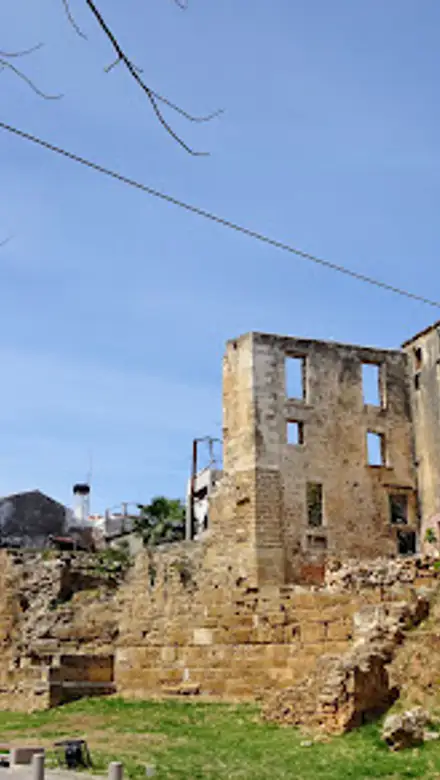
Byzantine Walls, Chania Travel Guide
Free Guide: Explore the ancient Byzantine Walls of Chania, a historic fortress revealing layers of Crete's rich past and strategic importance.


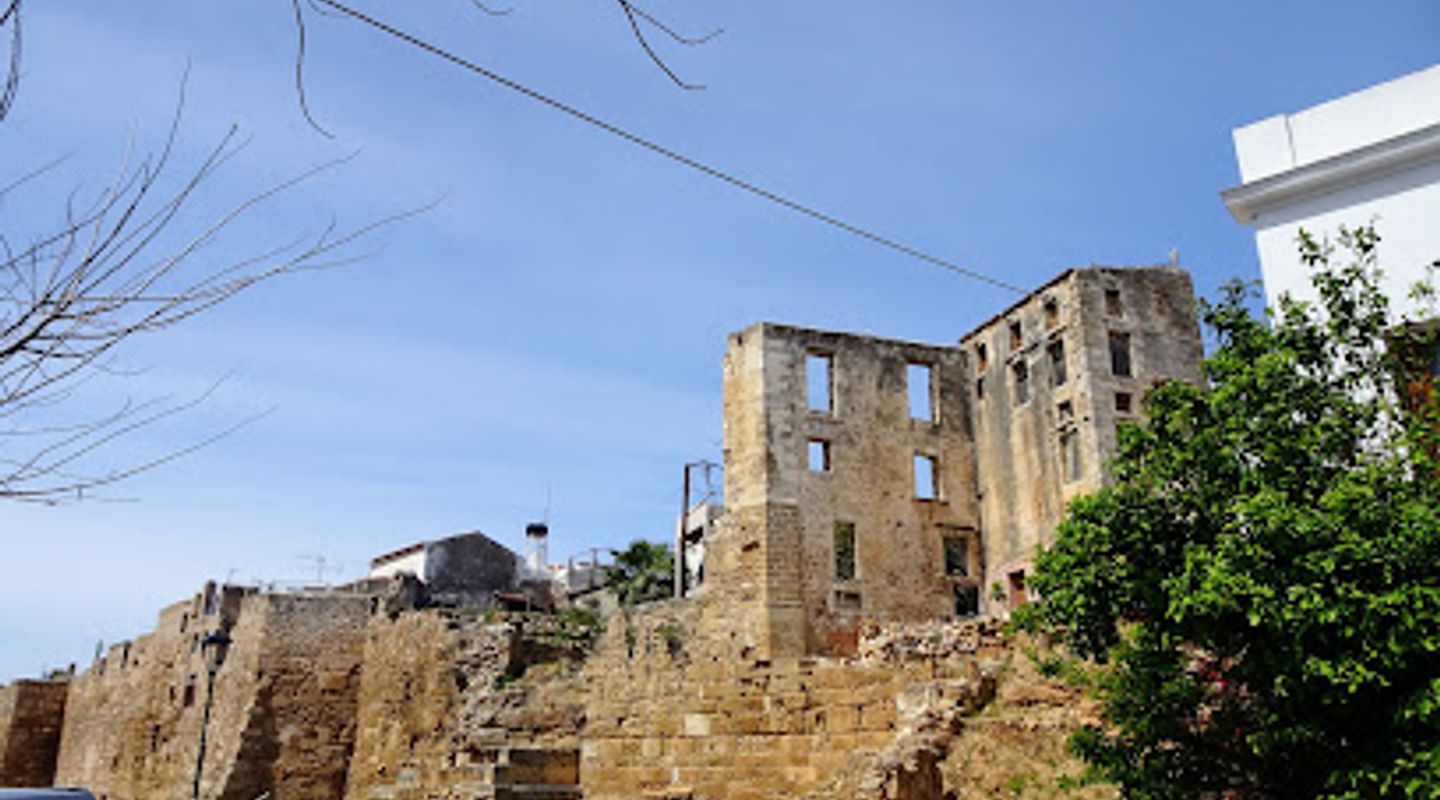
A brief summary of Byzantine Walls
Explore the ancient Byzantine Walls of Chania, a historic fortress revealing layers of Crete's rich past and strategic importance.
The Byzantine Walls of Chania, located in the city of Chania, Greece, are the remains of fortifications built in the 6th and 7th centuries AD on the foundations of Hellenistic walls. These walls were erected to protect the city from Arab raids and were reinforced in the 10th century to prevent further invasions. Today, sections of the wall can still be seen, offering a glimpse into the city's layered past.
- Address
- Rianou 6, Chania 731 32
Getting there
Walking
Public Transport
Taxi
Discover more about Byzantine Walls
Overview
The Byzantine Walls of Chania stand as a testament to the city's long and storied past. Originally built during the Byzantine era in the 6th and 7th centuries AD, these walls were constructed upon the foundations of earlier Hellenistic fortifications. Their primary purpose was to defend the city, then known as Kydonia, from the threat of Arab invasions.In the 10th century, during the second Byzantine period, the walls underwent reinforcement to bolster the city's defenses against potential future incursions. This reconstruction involved using materials recycled from Hellenistic and Greco-Roman structures, an interesting example of resourcefulness that is still visible today, particularly along the northern wall on Sifaka Street. The walls feature an irregular outline, incorporating straight sections interspersed with small rectangular or polygonal towers. In some areas, the natural rock formations were integrated into the defensive structure, while on the southern, eastern, and western sides, the wall provided complete coverage.Over time, as Chania expanded, the Byzantine Walls were superseded by Venetian fortifications built between 1336 and 1356. These new fortifications rendered the Byzantine Walls obsolete, leading to their gradual disrepair and integration into the growing settlement. Today, while much of the original structure has been covered by modern construction, sections of the wall remain visible, offering visitors a tangible link to Chania's ancient and medieval history. These remnants serve as a reminder of the city's strategic importance and the various civilizations that have shaped its identity.
Evendo Review Centre
 Google
Guest reviews
Explore Byzantine Walls on the map
A handpicked selection of must-see spots near Byzantine Walls, mapped for you.
Get your free copy of our complete guide to Byzantine Walls, delivered straight to you.
Everything on this page, from opening hours and how to get there to Eve’s tips and the best time to go, in one PDF you can read offline, print or share.
Already have an account? Sign in
Your Byzantine Walls guide is ready.
We'll send it to · Not you? Sign out

Getting your guide ready…
We are putting together a fresh copy of the Byzantine Walls guide. This can take up to a minute.
This can take a few moments. If your browser asks, choose Allow so the download can start. You'll find the guide in your Downloads folder.
Nothing happened? Download it again
Sorry, the guide is taking longer than usual. Please try again in a minute, or get it by email instead.
Other nearby places you may find interesting
The closest places of the same kind, if this one is not quite what you had in mind.
-
-
-
-
-


Swipe for more places
More to explore near Byzantine Walls

 Best experiences near Byzantine Walls
 Best hotels near Byzantine Walls
 Best landmarks near Byzantine Walls
 Best attractions near Byzantine Walls
 Best shops near Byzantine Walls
 Best restaurants near Byzantine Walls
 Best bars near Byzantine Walls
Do you manage this location?
Take control to get all the benefits, like improved information, better appearance, and stronger visibility across AI-powered discovery.
Explore more

Explore more of Nea Chora
Discover Nea Chora in Chania, Greece: A coastal gem offering pristine beaches, exquisite seafood, and authentic Cretan charm just a short stroll from Chania's old town.
Explore Nea Chora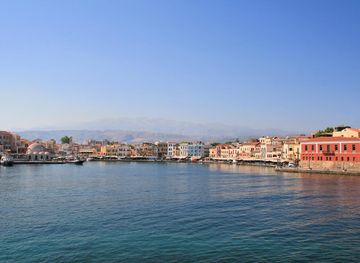
Explore more of Chania
Discover Chania, Crete's enchanting blend of history, culture, and natural beauty, where Venetian and Turkish influences meet pristine beaches and vibrant local life.
Explore Chania