Byzantine Walls, Chania Travel Guide
Discover Chania's ancient past through the remnants of its Byzantine Walls, a testament to centuries of history and resilience.
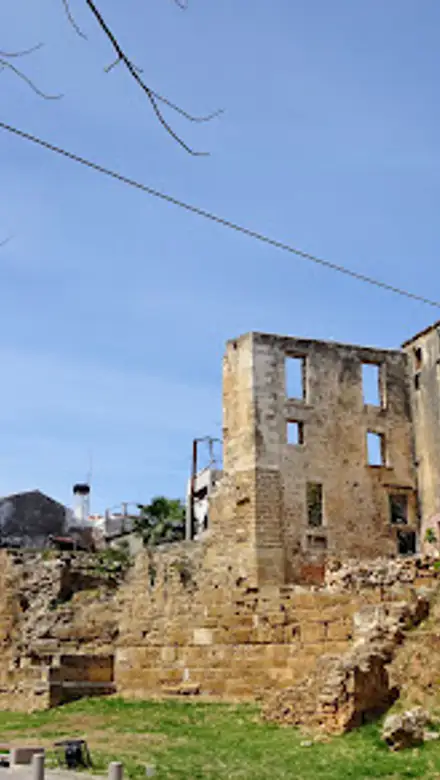
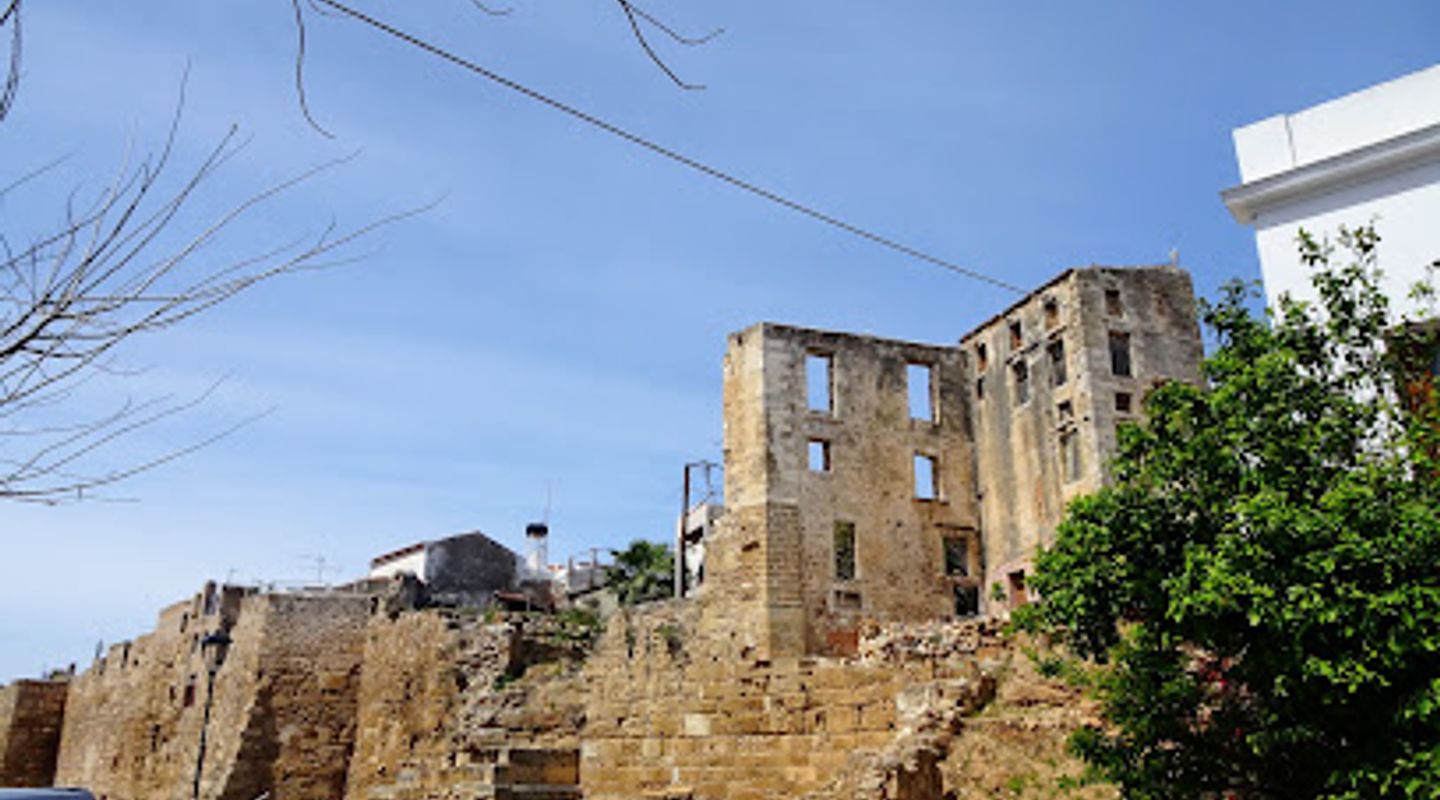
The Byzantine Walls of Chania, originally built in the 6th and 7th centuries AD, stand as a testament to the city's layered past. Constructed upon Hellenistic foundations, these walls once protected the city from Arab raids and served as the inner layer of defense before the Venetians expanded the fortifications. Today, remnants of the walls offer a glimpse into Chania's ancient origins and strategic importance.
A brief summary to Byzantine Walls
- Rianou 6, Chania, 731 32, GR

Know before you go
Hi, I'm Eve. Here are a few practical things to know before exploring Byzantine Walls.
- Explore Sifaka Street to view a well-preserved section of the southern wall.
- Visit Syntrivaniou Square to see a surviving tower from the Byzantine era.
- Combine your visit with a walk through the Kastelli neighborhood, where the walls are integrated into the modern city.
- Consider a guided walking tour to learn more about the history and architecture of the walls and surrounding area.
Do you manage this location?
Take control to get all the benefits, like improved information, better appearance, and stronger visibility across AI-powered discovery. Learn more about listing your business on Evendo
Activate your presenceOther nearby places you may find interesting
The closest places of the same kind, if this one is not quite what you had in mind.
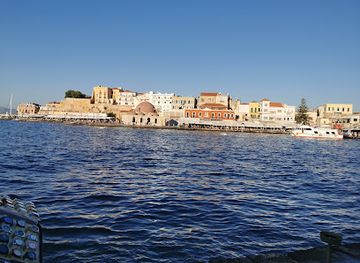


Explore Byzantine Walls on the Map
A handpicked selection of must-see spots near Byzantine Walls, mapped for you.
Getting There
-
Walking
The Byzantine Walls are located within the Old Town of Chania, easily accessible on foot from most central locations. From the Venetian Harbor, walk inland towards the Kastelli neighborhood. Sections of the wall can be found along Sifaka Street and near Syntrivaniou Square. There are no entrance fees or special tickets required to view the walls, as they are integrated into the public areas of the city.
-
Public Transport
If arriving by bus from outside the city center, disembark at a central stop such as Plateia 1866 or the main bus station. From there, walk towards the Old Town and follow the signs to the Venetian Harbor and Kastelli area. The local bus fare within Chania is approximately €1.10 - €2.00. From the bus station to the Byzantine walls is about 15-20 minutes walking.
-
Taxi
Taxis are readily available throughout Chania. A taxi from the Chania Airport (CHQ) to the Old Town, where the Byzantine Walls are located, will cost approximately €25-€35 and take around 20-30 minutes, depending on traffic. A short taxi ride from other parts of Chania to the Byzantine Walls should cost no more than €10.
Discover more about Byzantine Walls













Your all‑in‑one travel companion app
Explore expert travel guides, compare and book tours, experiences, hotels, and more—all from the palm of your hand. Download now for seamless trip planning wherever your wanderlust takes you.


Explore More of Chania
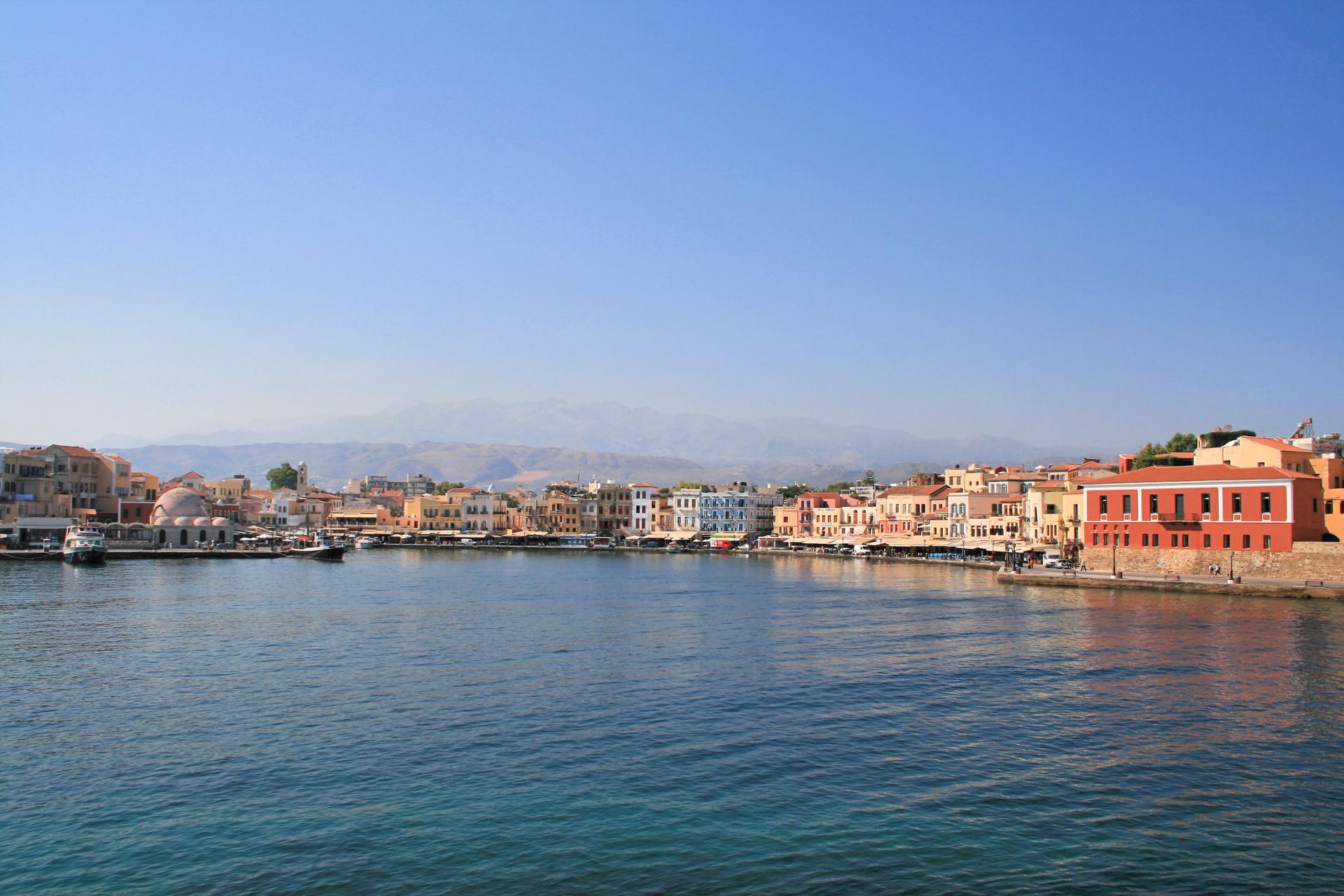
Looking beyond Byzantine Walls? Discover Chania for broader travel guides, local hot-spots, and regional highlights.
Explore Chania