Temple of Apollo Travel Guide
Free Guide: Iconic marble gate of an unfinished temple, offering stunning sunset views and a glimpse into Naxos's ancient past.


A brief summary of Temple of Apollo
Iconic marble gate of an unfinished temple, offering stunning sunset views and a glimpse into Naxos's ancient past.
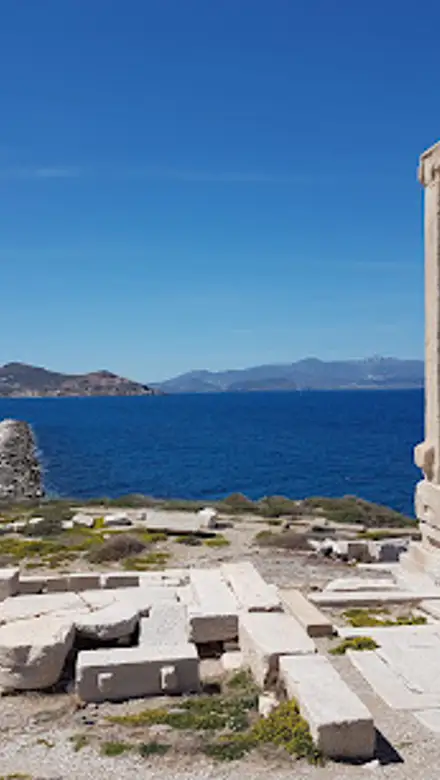
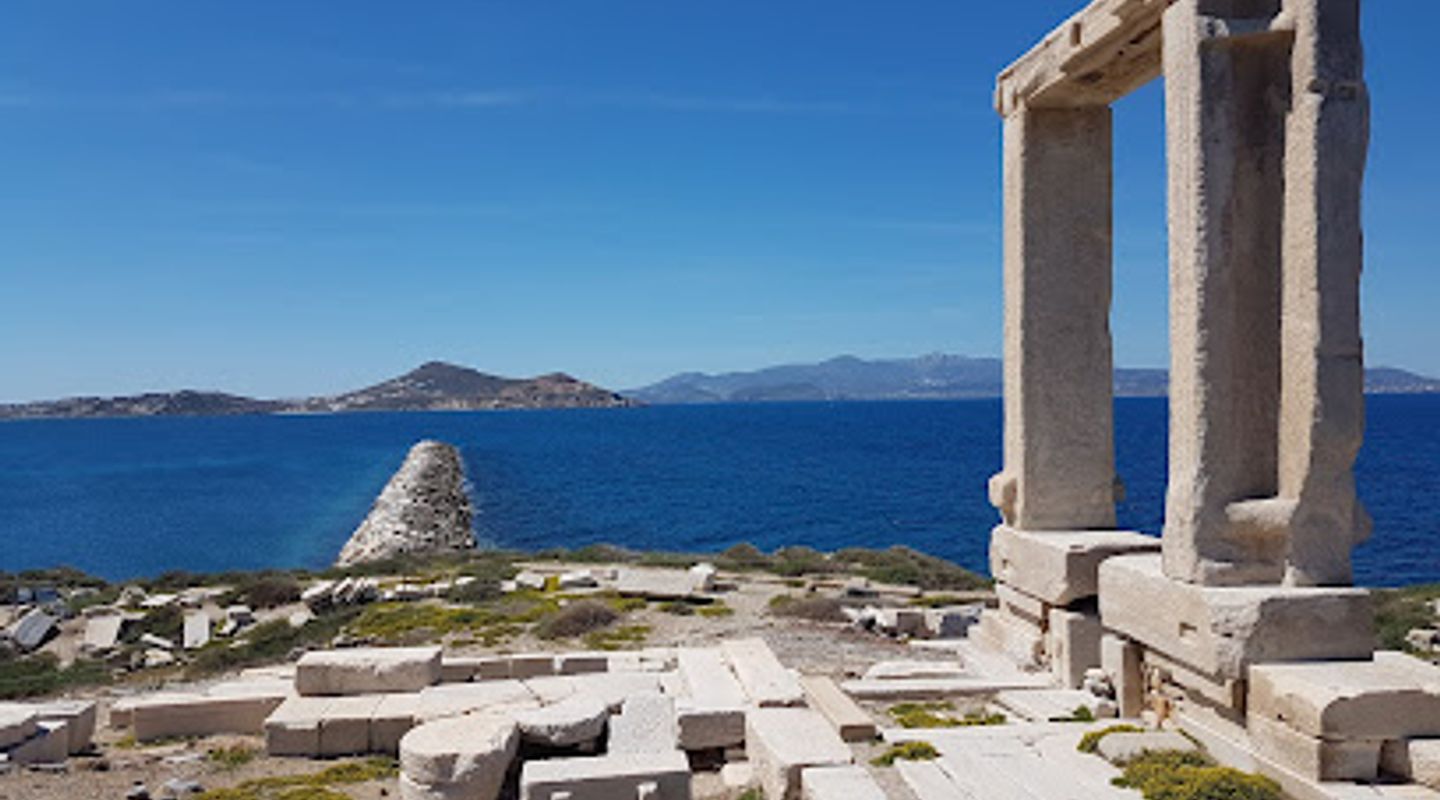
The Temple of Apollo, also known as Portara, is an iconic landmark on the island of Naxos, Greece. This massive marble doorway is the only remaining part of an unfinished temple dating back to 530 BC. Situated on the islet of Palatia, near the Naxos harbor, it offers breathtaking views, especially at sunset.
Opening hours
- Every dayOpen 24 hours
Opening hours as listed on the venue’s Google Business Profile. Hours can change for services and special events, so check with the venue before you go.
- Address
- Naxos 843 00
Getting there
Walking
Public Transport
Driving
Discover more about Temple of Apollo
Overview
The Temple of Apollo, or Portara, stands as a testament to Naxos's rich history and architectural ambitions. In the 6th century BC, the tyrant Lygdamis initiated the construction of a grand temple, envisioning it as the largest and most magnificent structure in Greece. However, the temple was never completed due to war and Lygdamis's overthrow.Today, only the monumental gate, the Portara, remains. This massive marble doorway, made of four blocks each weighing approximately 20 tons, has become the emblem of Naxos. The temple's architectural design, intended to follow the Ionic order, would have been 59 meters long and 28 meters wide. Some believe the temple was dedicated to Apollo, facing Delos, his birthplace, while others suggest it honored Dionysus, the god of wine.Over the centuries, the temple site saw various transformations. A Christian church was built on the ruins during the Middle Ages but was later dismantled under Venetian rule. The marble was used to construct the Kastro fortress and other buildings. The Portara, however, was too heavy to be moved, thus surviving as a striking reminder of the past.Connected to Naxos Town by a paved causeway, the Portara is easily accessible and offers stunning views of the Aegean Sea, Naxos Town, and the sunset. It's a popular spot for visitors to gather and admire the scenery. According to mythology, the islet of Palatia is where Theseus abandoned Ariadne after slaying the Minotaur, and Dionysus later abducted her.
Evendo Review Centre
 Google
Guest reviews
Explore Temple of Apollo on the map
A handpicked selection of must-see spots near Temple of Apollo, mapped for you.
Get your free copy of our complete guide to Temple of Apollo, delivered straight to you.
Everything on this page, from opening hours and how to get there to Eve’s tips and the best time to go, in one PDF you can read offline, print or share.
Already have an account? Sign in
Your Temple of Apollo guide is ready.
We'll send it to · Not you? Sign out

Getting your guide ready…
We are putting together a fresh copy of the Temple of Apollo guide. This can take up to a minute.
This can take a few moments. If your browser asks, choose Allow so the download can start. You'll find the guide in your Downloads folder.
Nothing happened? Download it again
Sorry, the guide is taking longer than usual. Please try again in a minute, or get it by email instead.
Unlock the best of Temple of Apollo
Skip-the-line tickets, guided tours with entry, and walking tours of the area, booked in a few clicks.




Other nearby places you may find interesting
The closest places of the same kind, if this one is not quite what you had in mind.
-
-
-
-
-


Swipe for more places
More to explore near Temple of Apollo

 Best experiences near Temple of Apollo
 Best hotels near Temple of Apollo
 Best landmarks near Temple of Apollo
 Best attractions near Temple of Apollo
 Best shops near Temple of Apollo
 Best restaurants near Temple of Apollo
 Best bars near Temple of Apollo
Do you manage this location?
Take control to get all the benefits, like improved information, better appearance, and stronger visibility across AI-powered discovery.
Explore more

Explore more of Naxos
Discover the magic of Naxos, where ancient history, stunning beaches, and traditional villages create an unforgettable Greek island experience.
Explore Naxos
Explore more of Greece
Discover Greece: A land where ancient history meets modern vibrancy, offering stunning islands, crystal-clear seas, and unforgettable cultural experiences.
Explore Greece