Plaza de España, Central Guam Travel Guide
Uncover the rich history and vibrant culture of Guam at Plaza de España, a stunning historical landmark perfect for exploration and relaxation.
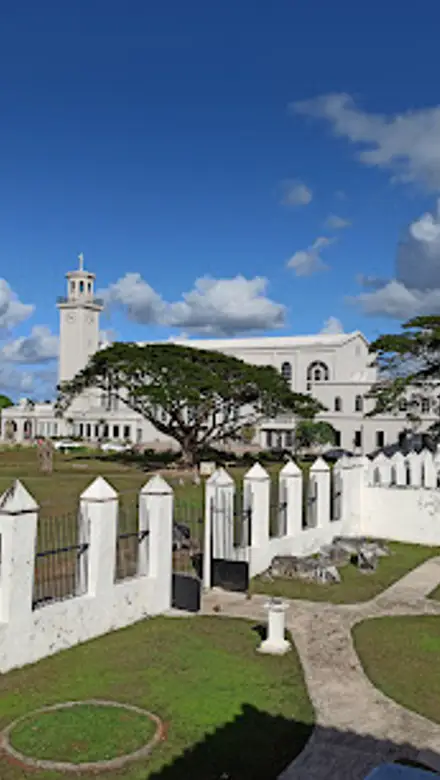
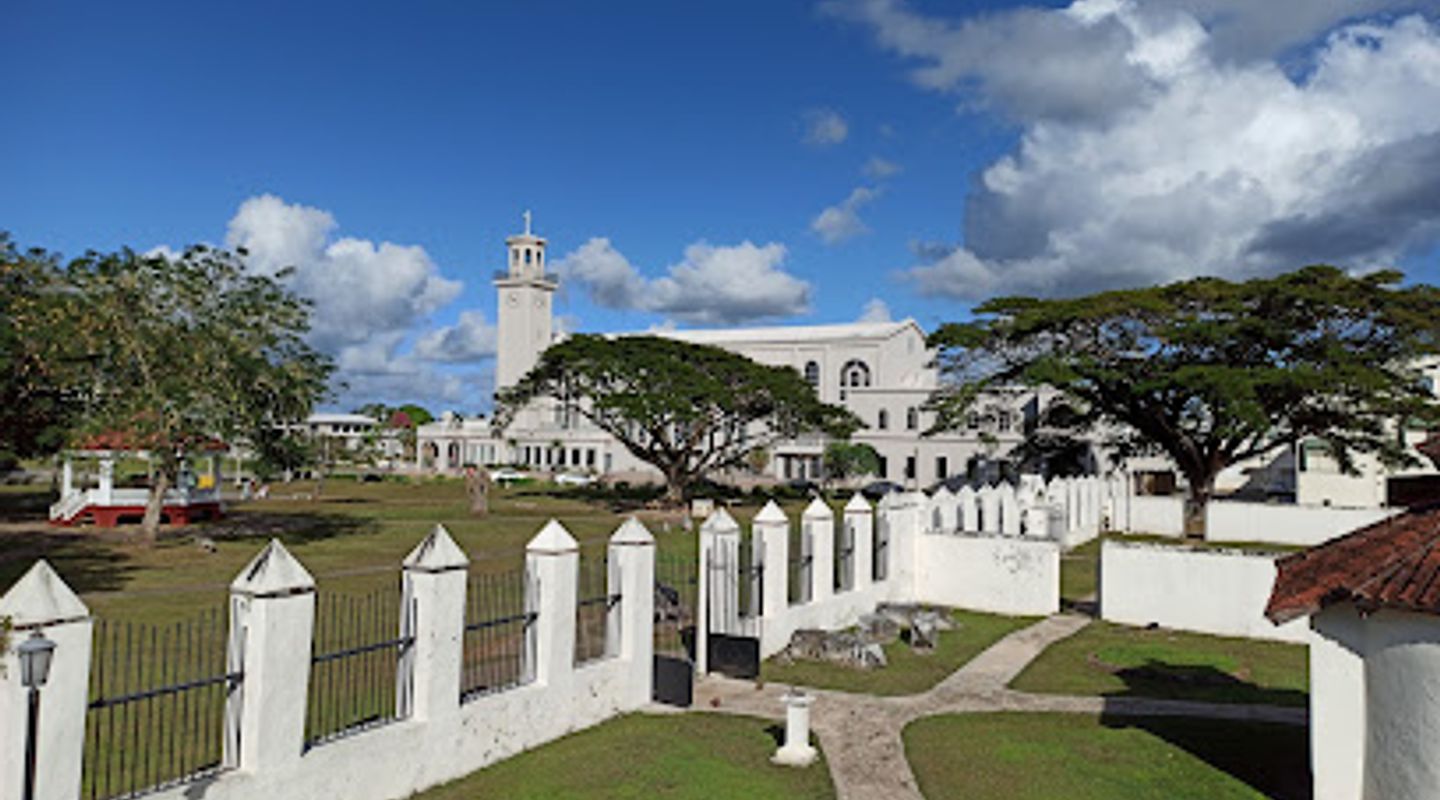
Plaza de España in Hagåtña, Guam, is a captivating historical landmark where visitors can immerse themselves in the rich cultural heritage of the island. Surrounded by stunning architecture and lush greenery, it serves as an ideal spot for relaxation and exploration.
A brief summary to Plaza de España
- FQF2+HM3, Hagåtña, GU

Know before you go
Hi, I'm Eve. Here are a few practical things to know before exploring Plaza de España.
- Visit early in the morning to enjoy a peaceful atmosphere and great lighting for photographs.
- Check the local calendar for cultural events or festivals that may be taking place during your visit.
- Bring a picnic to enjoy in the lush green areas surrounding the plaza.
- Wear comfortable shoes as you will want to explore the surrounding historical sites on foot.
Do you manage this location?
Take control to get all the benefits, like improved information, better appearance, and stronger visibility across AI-powered discovery. Learn more about listing your business on Evendo
Activate your presenceOther nearby places you may find interesting
The closest places of the same kind, if this one is not quite what you had in mind.
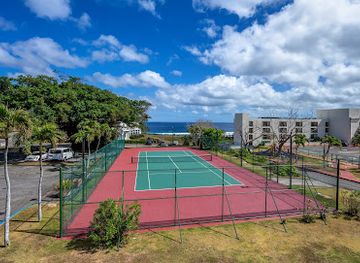
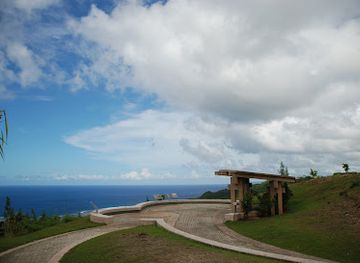

Explore Plaza de España on the Map
A handpicked selection of must-see spots near Plaza de España, mapped for you.
Unlock the Best of Plaza de España
Buy tickets
-
No tickets available
Book tours with entry
-
No tours available
Book tours without entry

Getting There
-
Walking
Start at the Tumon Sands Plaza, which is located on San Vitores Road. From here, head north on San Vitores Road until you reach the intersection with Route 1. Turn right onto Route 1 and continue walking for about 2.5 miles (approximately 40 minutes). You will pass by several shops and restaurants along the way. Keep an eye out for the large signs directing you to Hagåtña. Once you reach Hagåtña, look for FQF2+HM3. Plaza de España is located in this area, and you should see signs directing you to the landmark.
-
Public Bus
Locate the nearest bus stop in Tumon. Look for the Guam Public Transit System bus that heads towards Hagåtña. Board the bus and make sure to inform the driver you are going to Plaza de España. The bus ride will take about 30 minutes, and you will disembark at the nearest stop to Plaza de España. From the bus stop, follow the signs or ask locals for directions to reach Plaza de España, which should be a short walk from the bus stop.
Discover more about Plaza de España













Your all‑in‑one travel companion app
Explore expert travel guides, compare and book tours, experiences, hotels, and more—all from the palm of your hand. Download now for seamless trip planning wherever your wanderlust takes you.


Explore More of Central Guam
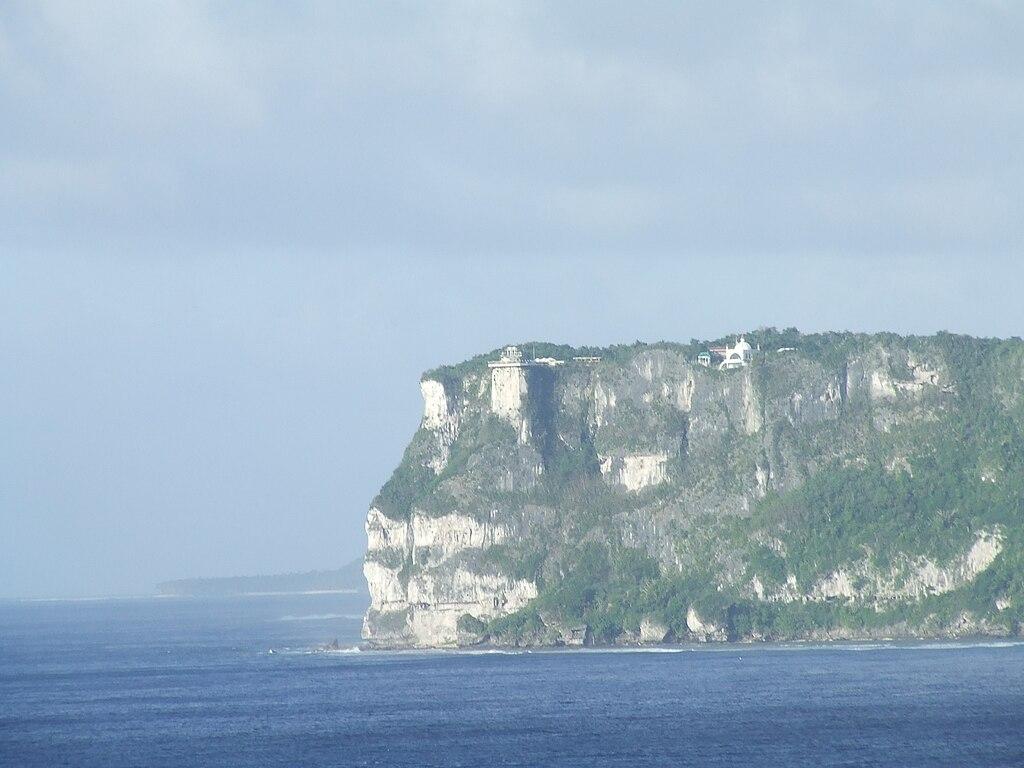
Looking beyond Plaza de España? Discover Central Guam for broader travel guides, local hot-spots, and regional highlights.
Explore Central Guam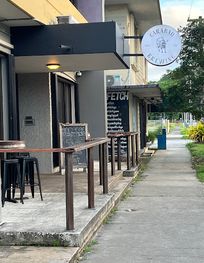
Experience Guam's craft beer scene at Carabao Brewing in Hagåtña. Enjoy unique brews, delicious food, and the island's Hafa Adai spirit!
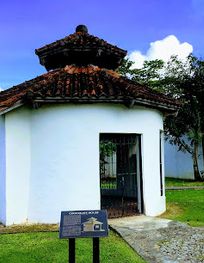
Discover the historical Chocolate House in Hagåtña's Plaza de España, a sweet reminder of Guam's colonial past and cultural heritage.