Fort Santa Agueda, Central Guam Travel Guide
Explore Guam's colonial past at Fort Santa Agueda, offering panoramic views and a glimpse into the island's military history.
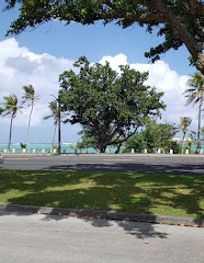
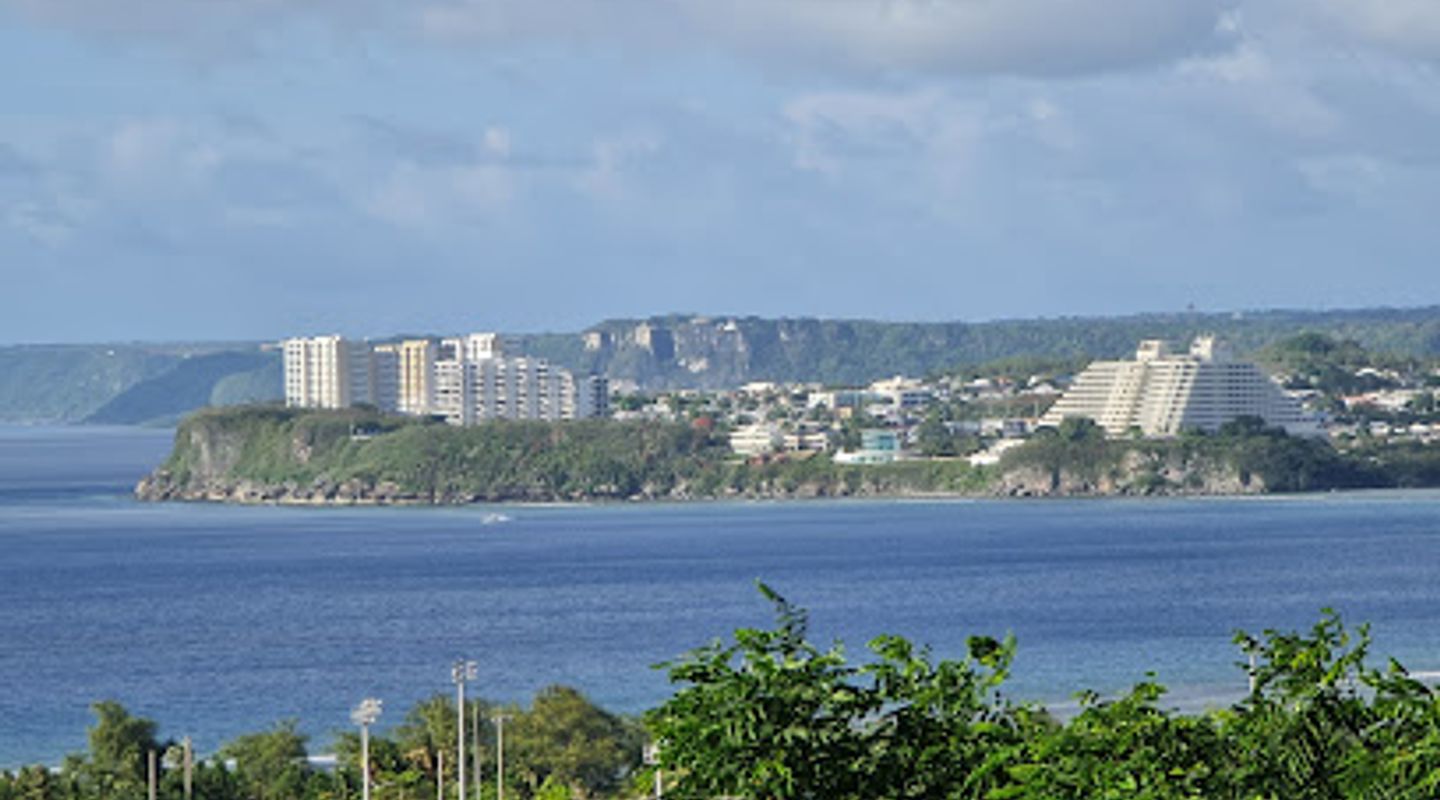
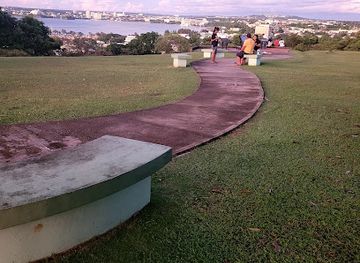
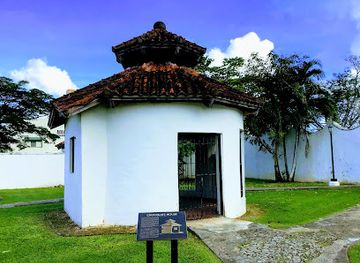
Fort Santa Agueda, also known as Fort Apugan, is the last surviving Spanish-era fort in Hagåtña, Guam. Built around 1800, it offers panoramic views of the city, the Philippine Sea, and the island's northern coastline, providing a glimpse into Guam's colonial past.
A brief summary to Fort Santa Agueda
- FPFX+84X, Tutuhan, Agana Heights, Fort Ct, Hagåtña, GU

Know before you go
Hi, I'm Eve. Here are a few practical things to know before exploring Fort Santa Agueda.
- Visit during sunset for breathtaking views of Hagåtña and the Philippine Sea.
- Bring binoculars to get a closer look at the surrounding landscape and coastline.
- Wear comfortable shoes, as the site involves some walking on uneven surfaces.
- Check for occasional farmers' markets that add to the charm of this scenic spot.
Do you manage this location?
Take control to get all the benefits, like improved information, better appearance, and stronger visibility across AI-powered discovery. Learn more about listing your business on Evendo
Activate your presenceOther nearby places you may find interesting
The closest places of the same kind, if this one is not quite what you had in mind.


Explore Fort Santa Agueda on the Map
A handpicked selection of must-see spots near Fort Santa Agueda, mapped for you.
Getting There
-
Walking
From the center of Hagåtña, Fort Santa Agueda is accessible by foot, though the walk involves a moderately steep incline. Starting from Plaza de España, head west on Route 4 (also known as Marine Corps Drive). Turn left onto Fort Santa Agueda Road (Highway 7). Follow the road uphill; the fort will be on your right. The walk is approximately 1 mile and should take about 20-25 minutes. There are no entrance fees.
-
Public Transport
To reach Fort Santa Agueda by public transportation, take a bus that services the Hagåtña area. Look for bus routes that operate from Fonte Plateau to Hagåtña. Once you arrive at the Hagåtña bus terminal, you may need to take a short taxi ride or walk for approximately 15-20 minutes to reach Fort Santa Agueda, located at FPFX+84X, Tutuhan, Agana Heights, Hagåtña, Guam. Bus fare is approximately $4.00.
-
Taxi/Ride-Share
Taxis and ride-sharing services are readily available in Hagåtña. A taxi ride from the Guam Museum to Fort Santa Agueda will cost approximately $10-$15 and take about 5-10 minutes, depending on traffic. Be sure to confirm the fare with the driver before starting your trip.
Discover more about Fort Santa Agueda













Your all‑in‑one travel companion app
Explore expert travel guides, compare and book tours, experiences, hotels, and more—all from the palm of your hand. Download now for seamless trip planning wherever your wanderlust takes you.


Explore More of Central Guam
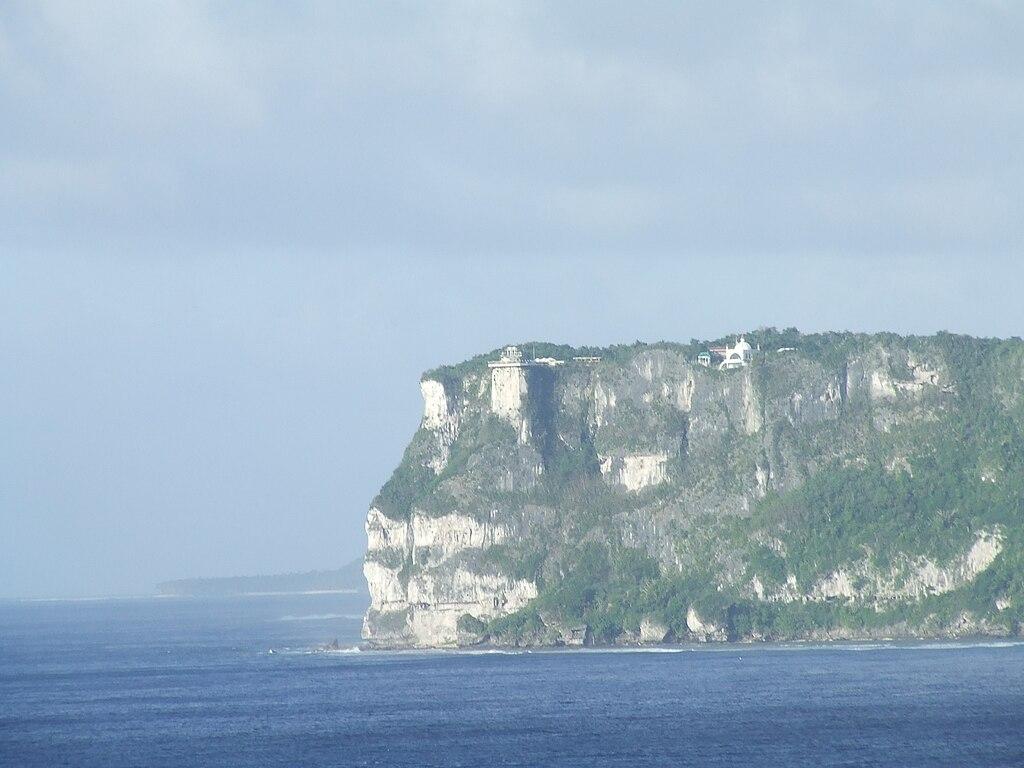
Looking beyond Fort Santa Agueda? Discover Central Guam for broader travel guides, local hot-spots, and regional highlights.
Explore Central Guam