

TIKAL National Park, Tikal Travel Guide
Explore the majestic ruins of Tikal, an ancient Mayan city surrounded by Guatemala's lush rainforest, a UNESCO World Heritage Site.
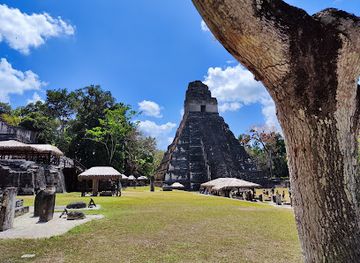
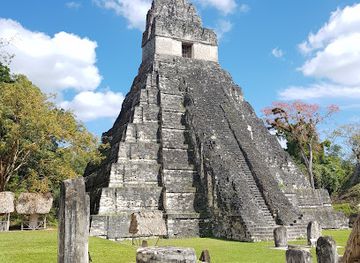
Tikal National Park, a UNESCO World Heritage site in northern Guatemala's Petén region, protects the ancient Mayan city of Tikal and its surrounding rainforest. Once a major power in the Mayan world (600 B.C. to 900 A.D.), Tikal features towering temples, palaces, and plazas, offering a glimpse into a sophisticated civilization surrounded by diverse flora and fauna.
A brief summary to TIKAL National Park
- RD-PET-3, GT
- Click to display
- Click to display
- Monday 6 am-6 pm
- Tuesday 6 am-6 pm
- Wednesday 6 am-6 pm
- Thursday 6 am-6 pm
- Friday 6 am-6 pm
- Saturday 6 am-6 pm
- Sunday 6 am-6 pm

Know before you go
Hi, I'm Eve. Here are a few practical things to know before exploring TIKAL National Park.
- Wear comfortable shoes, as you'll be doing a lot of walking to explore the extensive ruins.
- Bring plenty of water and sunscreen, as the Petén region has a tropical climate.
- Consider hiring a local guide to learn more about the history and significance of the ruins.
- Bring cash, as there are no ATMs in Tikal.
Do you manage this location?
Take control to get all the benefits, like improved information, better appearance, and stronger visibility across AI-powered discovery. Learn more about listing your business on Evendo
Activate your presenceOther nearby places you may find interesting
The closest places of the same kind, if this one is not quite what you had in mind.


Explore TIKAL National Park on the Map
A handpicked selection of must-see spots near TIKAL National Park, mapped for you.
Getting There
-
Public Transport
From Flores, take a colectivo (minibus) from the Santa Elena bus terminal. The cost is around Q25-40 per person. The journey takes approximately 1.5-2 hours. Be prepared for multiple stops along the way.
-
Taxi/Shuttle
From Flores, a taxi or shuttle can be hired to Tikal. A round-trip shuttle costs around Q60. Taxis will likely be more expensive. The journey takes about 1 hour.
Discover more about TIKAL National Park













Your all‑in‑one travel companion app
Explore expert travel guides, compare and book tours, experiences, hotels, and more—all from the palm of your hand. Download now for seamless trip planning wherever your wanderlust takes you.


Explore More of Tikal
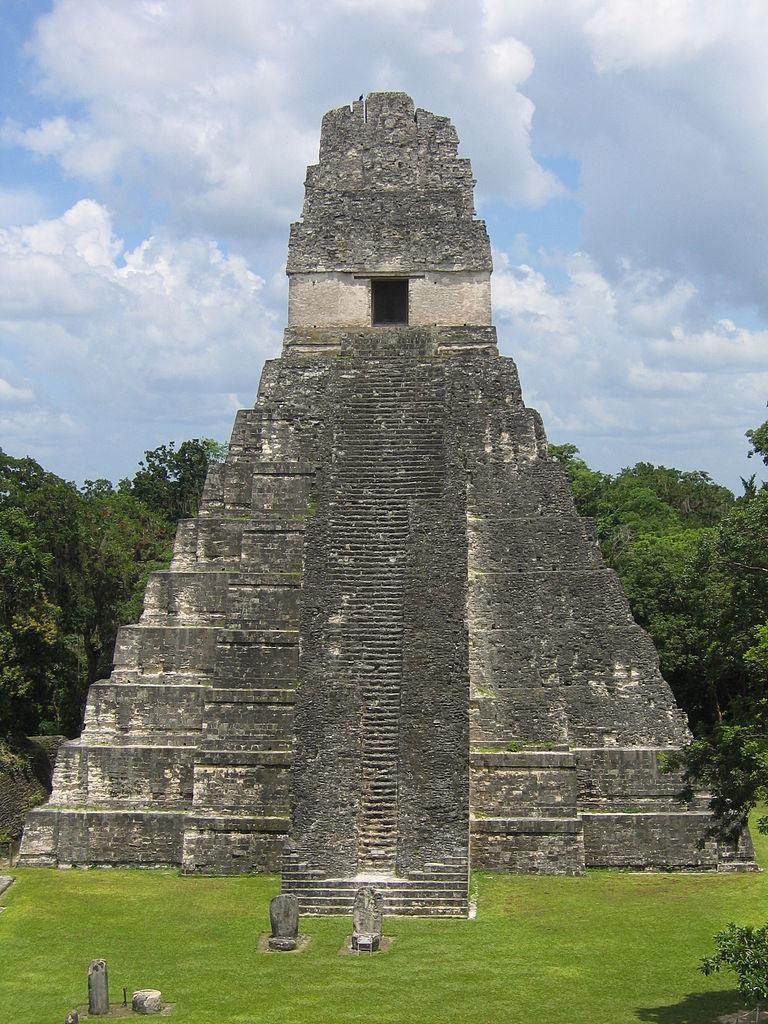
Looking beyond TIKAL National Park? Discover Tikal for broader travel guides, local hot-spots, and regional highlights.
Explore Tikal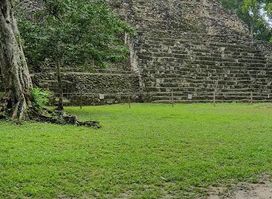
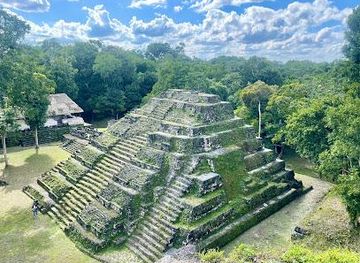
Discover Yaxhá: An ancient Mayan city in Guatemala's Petén region, offering stunning ruins, wildlife, and lagoon views.
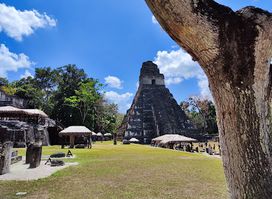
Explore the Palacio de las Acanaladuras in Tikal, an ancient Mayan palace showcasing remarkable architecture and offering a glimpse into royal life.
