Pic Macaya National Park, Sud Travel Guide
Discover Haiti's hidden gem: Pic Macaya National Park, a biodiversity hotspot with stunning cloud forests, endemic species, and breathtaking mountain vistas in the heart of the Caribbean.
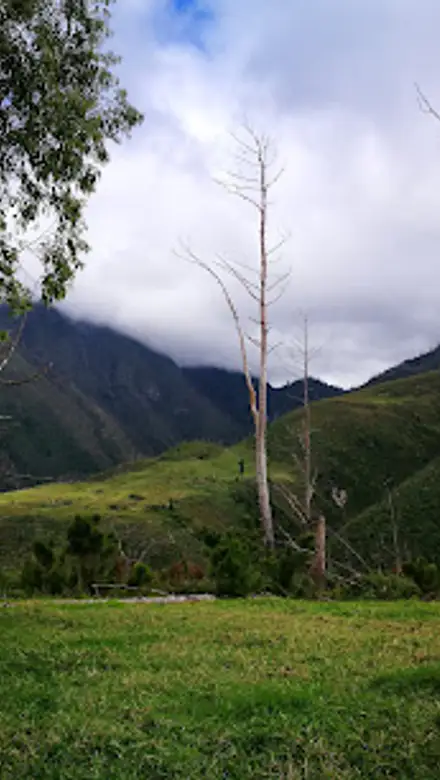
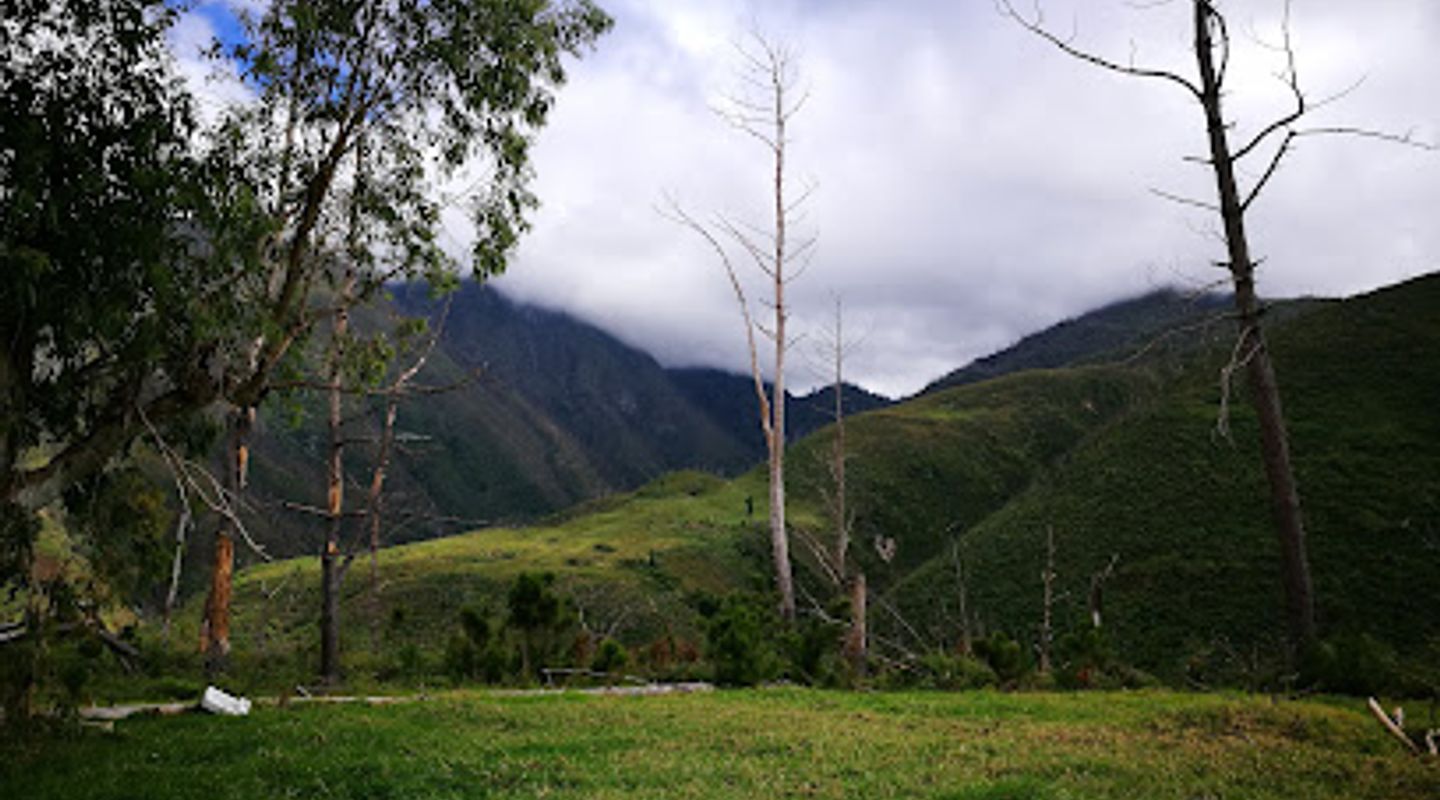
Pic Macaya National Park, nestled in Haiti's Massif de la Hotte, is a vital sanctuary of biodiversity and natural beauty. As one of Haiti's two national parks, it encompasses over 8,000 hectares of protected land, featuring the country's last stand of virgin cloud forest. Rising to 2,347 meters at Pic Macaya, the second-highest peak in Haiti, the park is a haven for unique flora and fauna, including over 900 plant species, 141 orchid species, and a diverse array of birds, amphibians, and reptiles, many of which are endemic to the island of Hispaniola. The park's rugged terrain and diverse ecosystems offer unparalleled opportunities for hiking, birdwatching, and immersing oneself in Haiti's rich natural heritage. Despite facing challenges such as deforestation and poaching, Pic Macaya stands as a beacon of hope for conservation efforts in Haiti, showcasing the importance of preserving the country's remaining natural habitats and promoting sustainable ecotourism.
A brief summary to Pic Macaya National Park
- 9XCJ+9MX, Duplantin, HT

Know before you go
Hi, I'm Eve. Here are a few practical things to know before exploring Pic Macaya National Park.
- Hire a local guide for a safer and more informative experience; they possess invaluable knowledge of the park's trails, flora, fauna, and cultural significance.
- Visit during the dry season (December to April) for optimal hiking conditions and clearer views from the summit.
- Pack sturdy hiking shoes, plenty of water, snacks, and sun protection, as amenities within the park are limited.
- Respect the natural environment by staying on marked trails and avoiding littering to help preserve the park's fragile ecosystems.
- Engage with local communities to learn about their traditions and support sustainable ecotourism initiatives that benefit the park's conservation.
Do you manage this location?
Take control to get all the benefits, like improved information, better appearance, and stronger visibility across AI-powered discovery. Learn more about listing your business on Evendo
Activate your presenceOther nearby places you may find interesting
The closest places of the same kind, if this one is not quite what you had in mind.
Explore Pic Macaya National Park on the Map
A handpicked selection of must-see spots near Pic Macaya National Park, mapped for you.
Getting There
-
Public Transportation
From Les Cayes, the largest nearby city, take a 'tap-tap' (shared taxi) towards Camp-Perrin. The fare is approximately 50 HTG. From Camp-Perrin, hire a motorcycle taxi ('moto') to the park entrance. Negotiate the fare beforehand; it should cost around 200 HTG for the 20-minute ride. Be prepared for a bumpy ride on unpaved roads.
-
Driving
From Les Cayes, take Route Nationale #2 (RN2) towards Camp-Perrin. After about 18 kilometers, look for a sign indicating Duplantin. Turn left and follow the winding road for approximately 10 kilometers until you reach the park entrance. A vehicle with good clearance is recommended due to the rough road conditions. Parking is available near the entrance.
-
Hiking
For adventurous travelers already in Duplantin, consider hiking to the park entrance. Local guides can be hired in Duplantin for around 1000 HTG to assist with directions and ensure safety. The hike takes approximately 2-3 hours, depending on your pace and fitness level. Ensure you have appropriate hiking gear and supplies.
Discover more about Pic Macaya National Park
More to explore near Pic Macaya National Park













Your all‑in‑one travel companion app
Explore expert travel guides, compare and book tours, experiences, hotels, and more—all from the palm of your hand. Download now for seamless trip planning wherever your wanderlust takes you.


Explore More of Sud
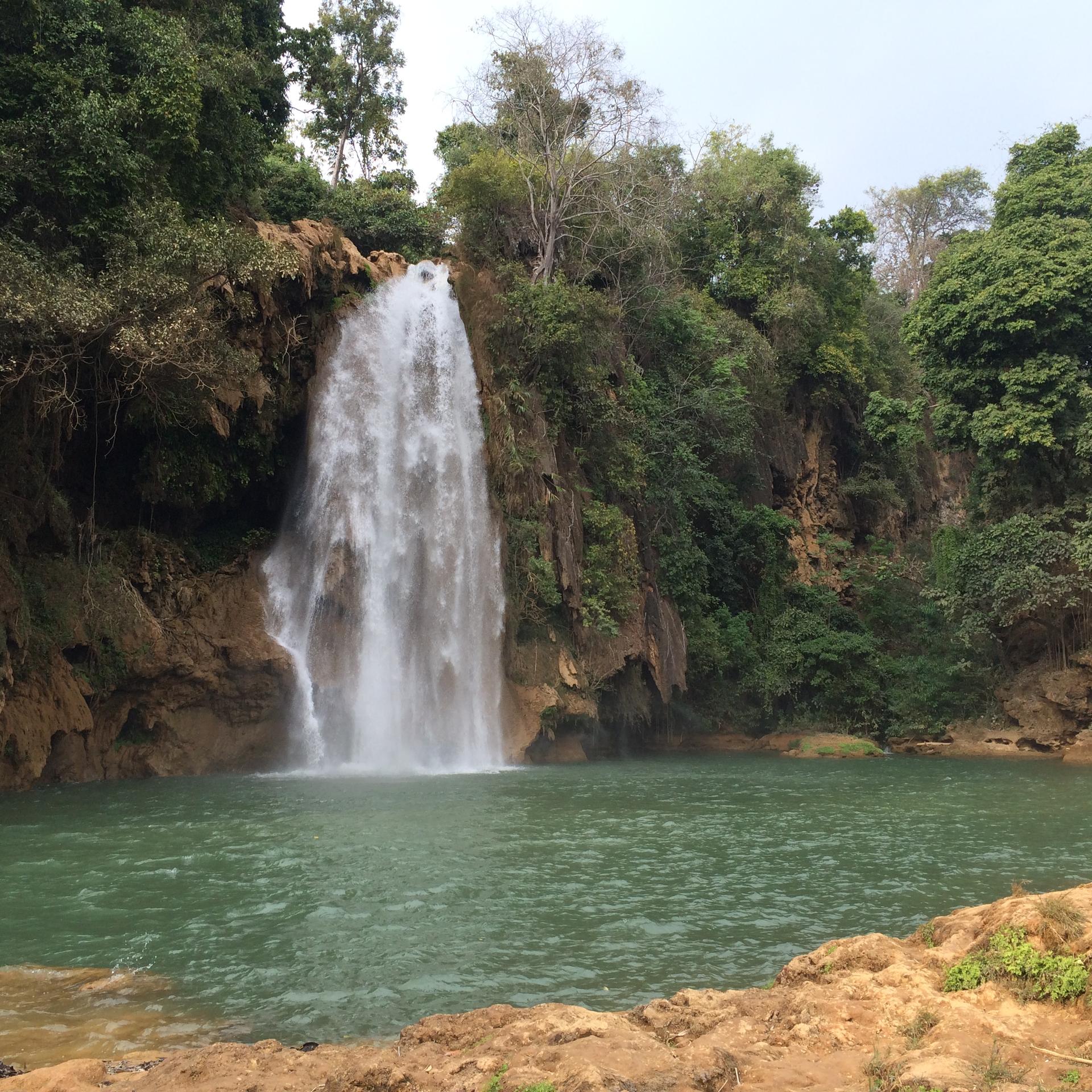
Looking beyond Pic Macaya National Park? Discover Sud for broader travel guides, local hot-spots, and regional highlights.
Explore Sud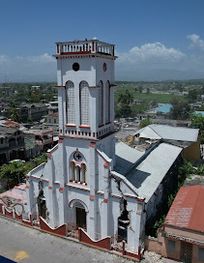
Discover the beauty and spirituality of Église Sacré-Cœur, a must-visit Catholic church in Les Cayes, showcasing Haiti's rich heritage and stunning architecture.
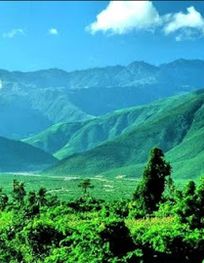
Explore the breathtaking Massif de la Hotte, a mountain peak in Haiti known for its stunning views, rich biodiversity, and engaging local culture.