
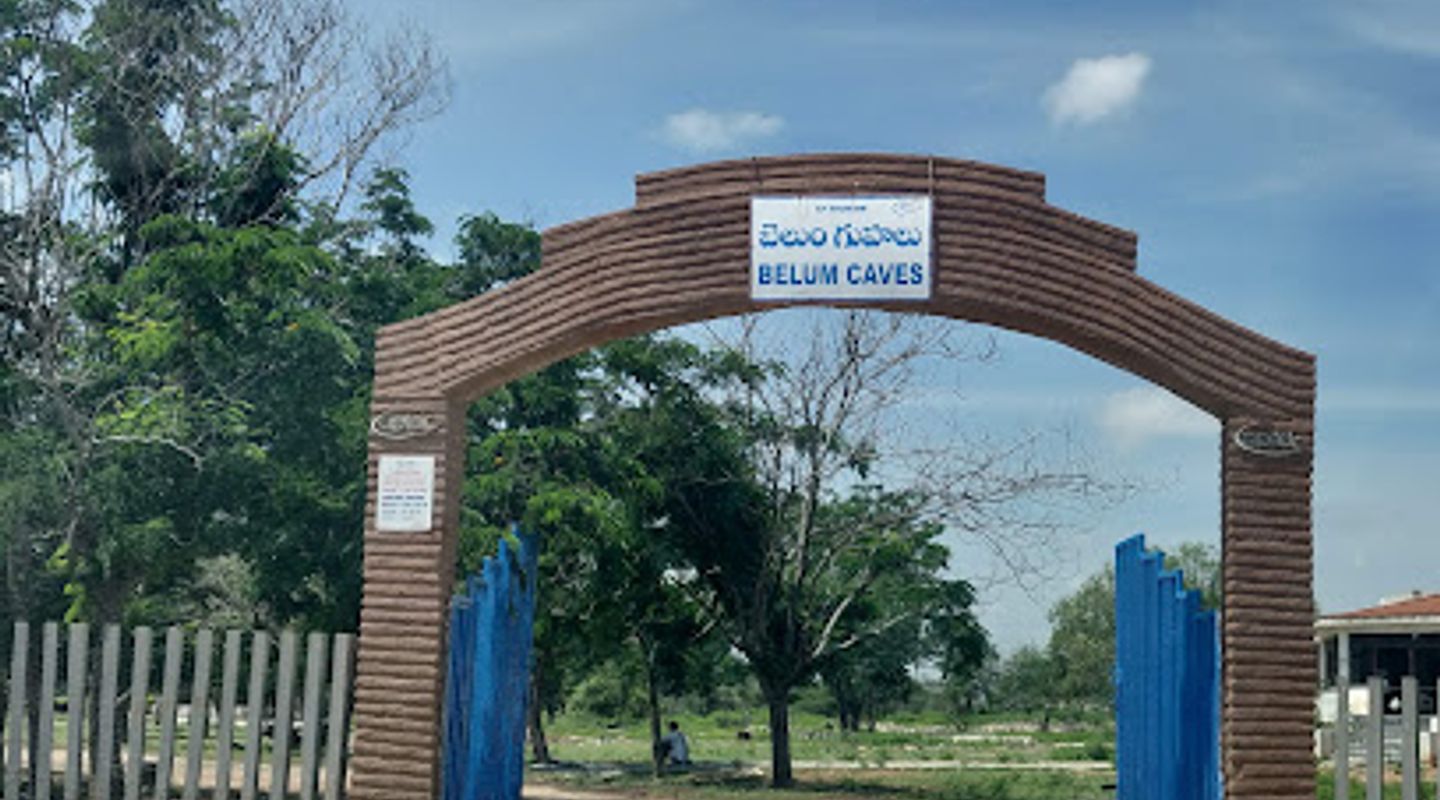
Belum Caves, Andhra Pradesh Travel Guide
Explore the geological and historical wonders of Belum Caves, India's second-longest cave system, featuring stunning limestone formations.
Explore the depths of Belum Caves, the second-longest cave system in the Indian subcontinent, adorned with stunning stalactite and stalagmite formations. These natural underground caves, formed over millennia by the Chitravati River, offer a unique glimpse into India's geological and historical past.
A brief summary to Belum Caves
- 1/1, Kolimigundla, Opposite Indian Oil Petrol Pump, Andhra Pradesh, 518123, IN
- Click to display
- Click to display
- Monday 10 am-5 pm
- Tuesday 10 am-5 pm
- Wednesday 10 am-5 pm
- Thursday 10 am-5 pm
- Friday 10 am-5 pm
- Saturday 10 am-5 pm
- Sunday 10 am-5 pm

Know before you go
Hi, I'm Eve. Here are a few practical things to know before exploring Belum Caves.
- Wear comfortable shoes as the cave floor can be uneven and slippery.
- Carry water to stay hydrated, as it can get warm and humid inside the caves.
- Visit early in the day to avoid crowds and the midday heat.
- Photography is allowed, so bring your camera to capture the unique formations.
- Hire a local guide to learn more about the caves' history and geology.
Do you manage this location?
Take control to get all the benefits, like improved information, better appearance, and stronger visibility across AI-powered discovery. Learn more about listing your business on Evendo
Activate your presenceOther nearby places you may find interesting
The closest places of the same kind, if this one is not quite what you had in mind.
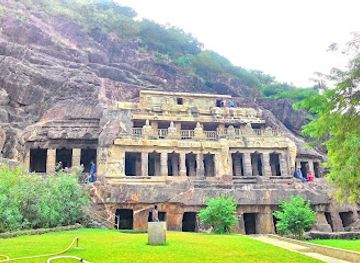
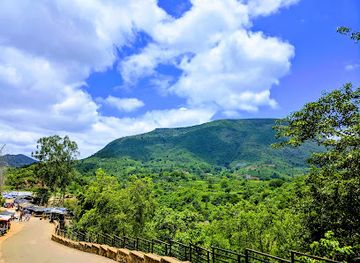
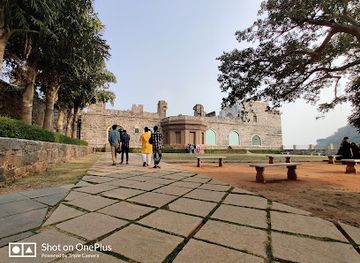
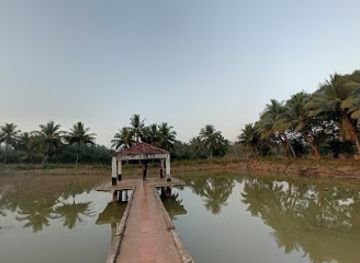
Explore Belum Caves on the Map
A handpicked selection of must-see spots near Belum Caves, mapped for you.
Getting There
-
Public Transport
From Tadipatri, the nearest railhead, buses frequently travel towards Banaganapalli and stop at Belum Caves. From Kolimigundla, shared auto-rickshaws are available to reach Belum Caves, costing approximately ₹5 per seat. Bus fares from Tadipatri to Belum Caves typically range from ₹30-₹50.
-
Taxi/Car
Taxis and cars can be hired from nearby towns such as Tadipatri or Gooty. A round trip from Gooty to Belum Caves and Gandikota can cost around ₹3000, including car rental, driver fees, and fuel. Parking is available near the Haritha Restaurant at the cave entrance.
Discover more about Belum Caves













Your all‑in‑one travel companion app
Explore expert travel guides, compare and book tours, experiences, hotels, and more—all from the palm of your hand. Download now for seamless trip planning wherever your wanderlust takes you.


Explore More of Andhra Pradesh
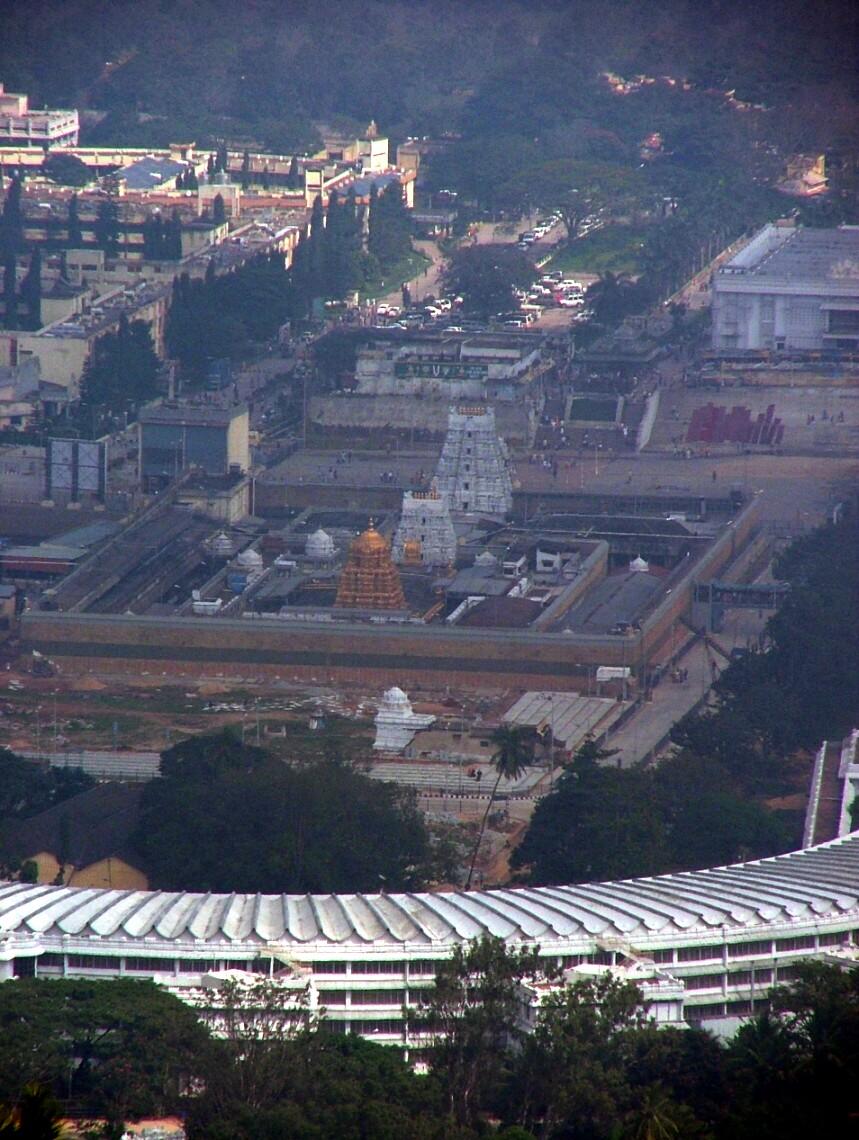
Looking beyond Belum Caves? Discover Andhra Pradesh for broader travel guides, local hot-spots, and regional highlights.
Explore Andhra Pradesh
