Auditorium Cave: Echoes of Ancient India
Explore the ancient Auditorium Cave at Bhimbetka, a UNESCO World Heritage Site with prehistoric rock art and stunning natural formations.
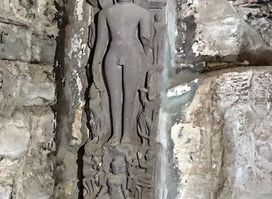
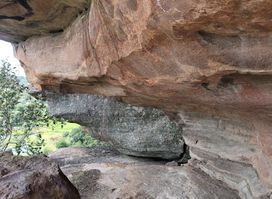
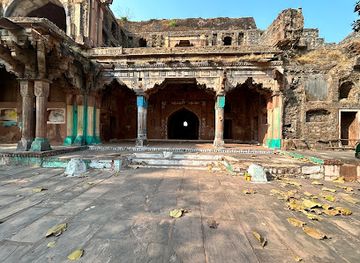
The Auditorium Cave, located within the Bhimbetka Rock Shelters, is a captivating destination showcasing the rich history and culture of ancient India. This expansive cave, adorned with prehistoric rock paintings, offers a glimpse into the lives of early humans.
A brief summary to Auditorium Cave

Know before you go
Hi, I'm Eve. Here are a few practical things to know before exploring Auditorium Cave.
- Wear comfortable walking shoes as the terrain can be uneven and requires some climbing.
- Visit early in the morning or late afternoon to avoid the midday heat and enjoy better lighting for photography.
- Carry water and snacks, as there are limited options available near the site.
- Respect the ancient site and do not touch the paintings.
Do you manage this location?
Take control to get all the benefits, like improved information, better appearance, and stronger visibility across AI-powered discovery. Learn more
Activate your presence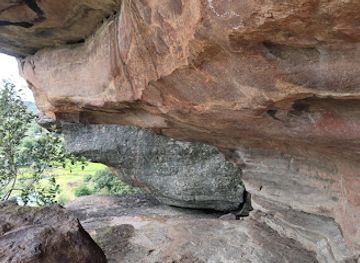

Getting There
-
Car
Auditorium Cave is located approximately 45 km southeast of Bhopal. The drive from Bhopal takes about an hour. Follow the Bhopal-Hoshangabad highway (NH12). Car parking is available at the site. Entry fee for cars: INR 300.
-
Taxi/Auto Rickshaw
Taxis and auto-rickshaws are available from Bhopal. A taxi ride from Bhopal to Bhimbetka will cost approximately INR 1200-1500. An auto-rickshaw ride will take approximately 30-40 minutes and cost around INR 150-200. Entry fee: N/A (This is the cost to get to the location, not to enter it.)
-
Public Transport
Take a bus from Bhopal to Hoshangabad or Itarsi. Get off at the Bhimbetka bus stop on the highway, about 3 km from the caves. From there, you can walk or hire local transport to reach the Auditorium Cave. Bus fare: Approximately INR 50-100. Entry fee: N/A (This is the cost to get to the location, not to enter it.)
Discover more about Auditorium Cave
Explore the best of what Auditorium Cave has to offer













More about Satpura Range
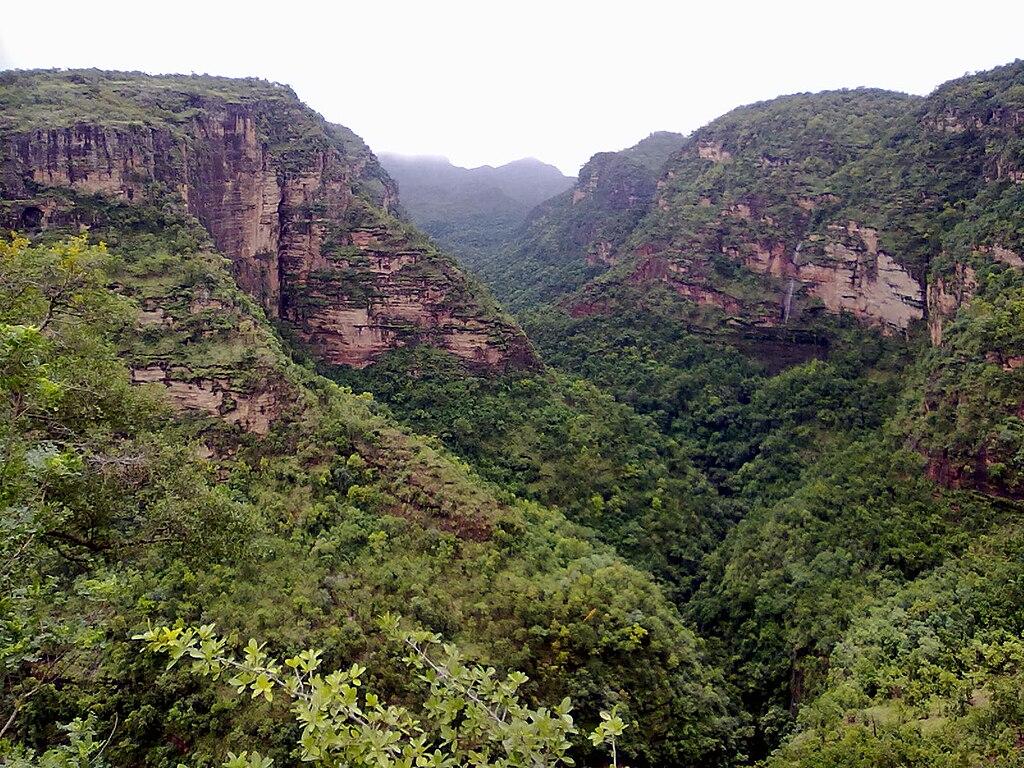
Explore the Satpura Range: A hidden gem in central India offering lush forests, diverse wildlife, thrilling safaris, ancient caves, and scenic hill stations.
Tell me more about Satpura Range