
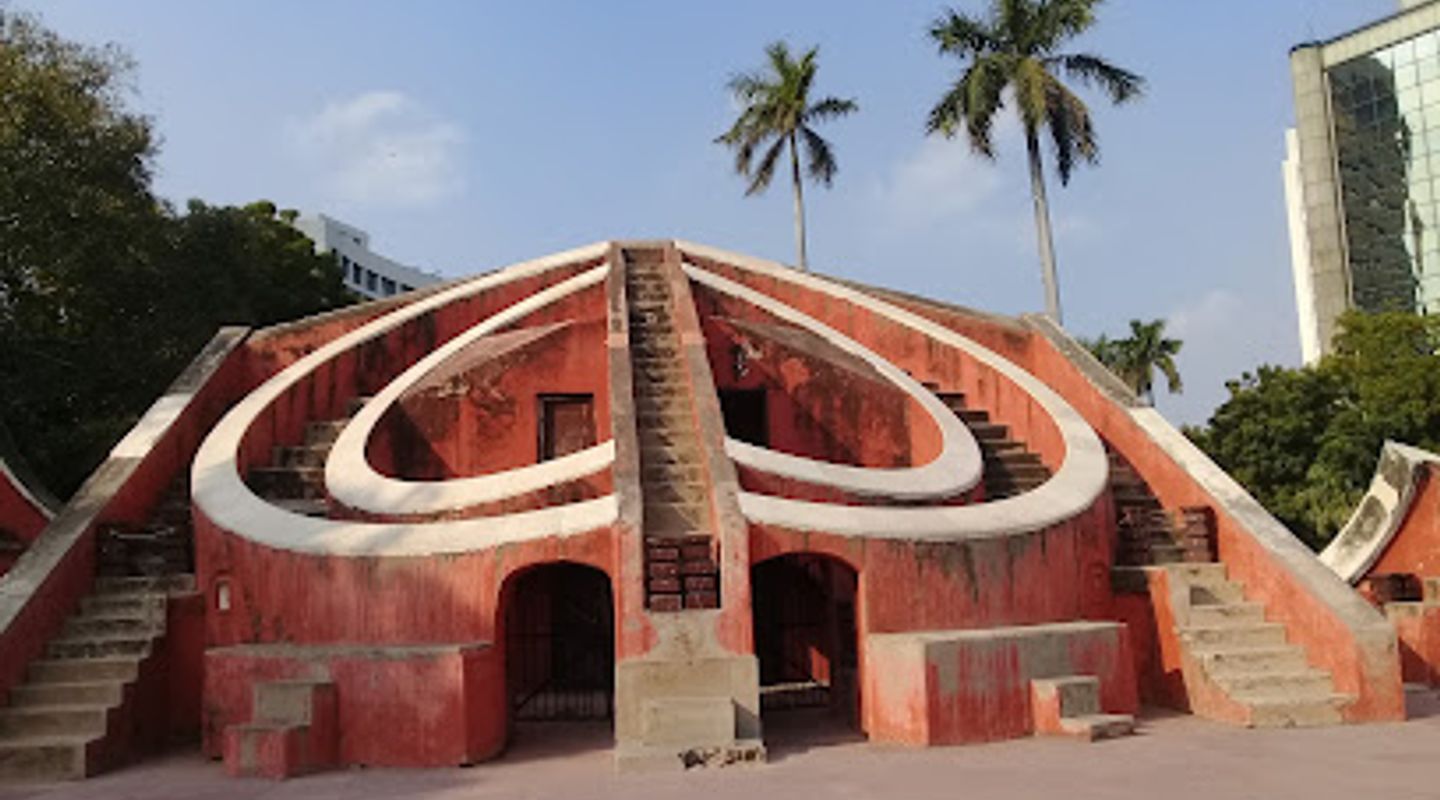
Samrat Yantra, Delhi Travel Guide
Explore the Samrat Yantra, a colossal sundial in Delhi's Jantar Mantar, showcasing 18th-century astronomical precision and India's scientific heritage.
The Samrat Yantra, located within the Jantar Mantar complex in New Delhi, is a colossal sundial and one of the most significant instruments for astronomical observation. Constructed in 1724 by Maharaja Jai Singh II, it showcases India's advanced understanding of astronomy in the 18th century.
A brief summary to Samrat Yantra
- J6G8+QJQ, New Delhi, Janpath, Connaught Place, Delhi, 110001, IN

Know before you go
Hi, I'm Eve. Here are a few practical things to know before exploring Samrat Yantra.
- Visit early in the morning or late in the afternoon to avoid the midday heat and crowds.
- Allow at least 1-2 hours to explore the Samrat Yantra and the other instruments within the Jantar Mantar complex.
- Hire a local guide or rent an audio guide to learn about the history and function of each instrument.
- Combine your visit with a trip to nearby attractions like Connaught Place, Janpath Market, or India Gate.
Do you manage this location?
Take control to get all the benefits, like improved information, better appearance, and stronger visibility across AI-powered discovery. Learn more about listing your business on Evendo
Activate your presenceOther nearby places you may find interesting
The closest places of the same kind, if this one is not quite what you had in mind.
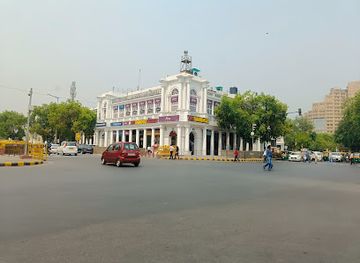

Explore Samrat Yantra on the Map
A handpicked selection of must-see spots near Samrat Yantra, mapped for you.
Getting There
-
Walking
From Connaught Place, head southwest on Janpath Road. Walk for approximately 10 minutes until you reach Jantar Mantar on your left. The entrance is easily visible from the road. There are no entry fees for photography, but video filming will cost ₹25.
-
Public Transport
Take the Delhi Metro Violet Line to Janpath Metro Station. Exit from Gate 2 and walk for about 10 minutes (650 meters) to Jantar Mantar. Alternatively, Patel Chowk Metro Station (Yellow Line) and Rajiv Chowk Metro Station (Yellow/Blue Line) are also nearby, about 1 km away. From the metro stations, you can hire an auto-rickshaw for around ₹30-₹50. A metro ride typically costs ₹10-₹20.
-
Taxi/Ride-Share
From anywhere in Delhi, use a taxi or ride-sharing service (Uber/Ola) to reach Jantar Mantar, located on Sansad Marg, near Connaught Place. A short taxi ride within Connaught Place will cost approximately ₹55-₹70. Be aware that parking in Connaught Place can be challenging and expensive; hourly parking rates are around ₹40 for four-wheelers.
Discover more about Samrat Yantra













Your all‑in‑one travel companion app
Explore expert travel guides, compare and book tours, experiences, hotels, and more—all from the palm of your hand. Download now for seamless trip planning wherever your wanderlust takes you.


Explore More of Delhi
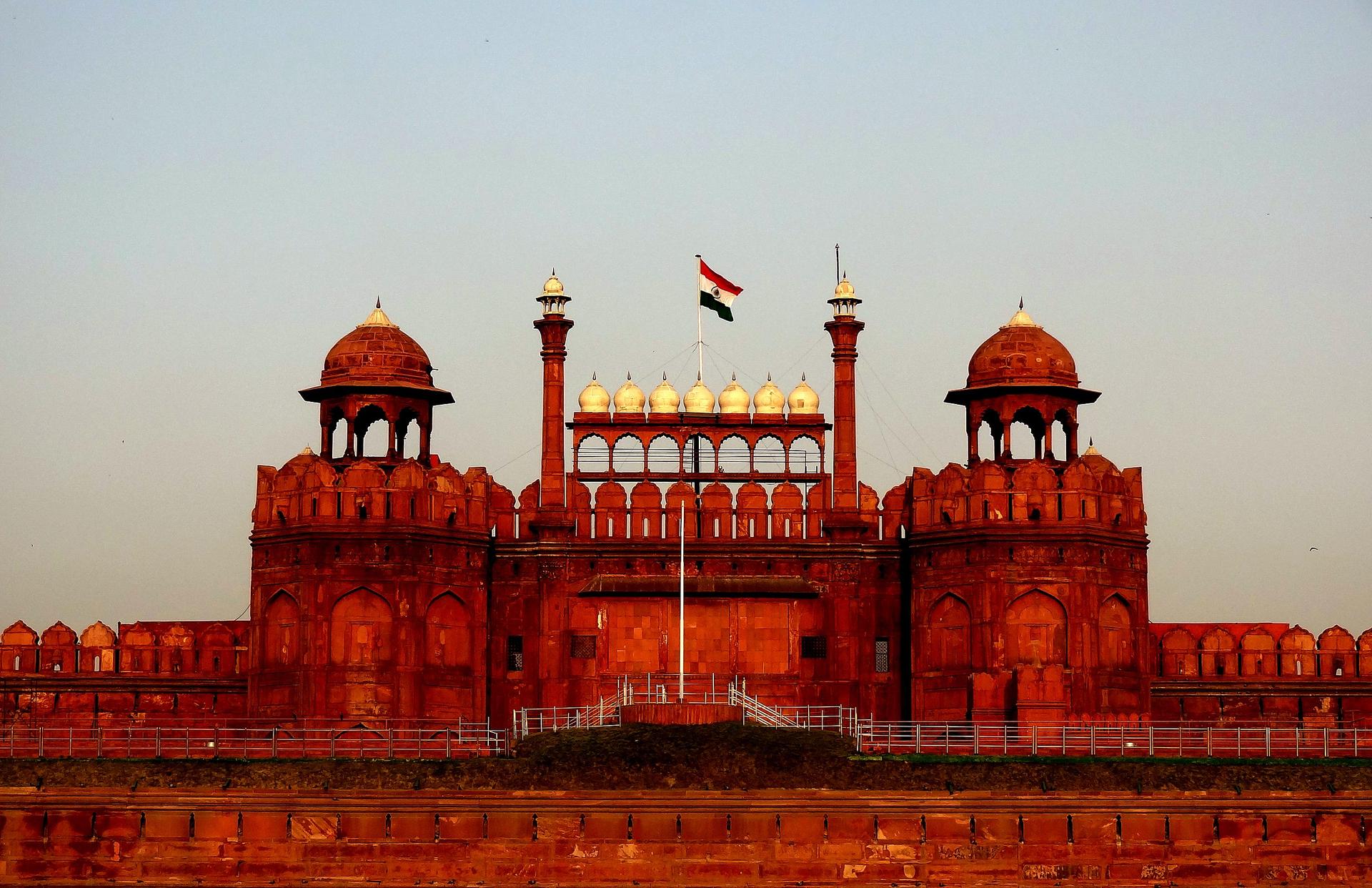
Looking beyond Samrat Yantra? Discover Delhi for broader travel guides, local hot-spots, and regional highlights.
Explore Delhi
Explore India's artistic heritage at the National Crafts Museum & Hastkala Academy, showcasing over 35,000 artifacts in a vibrant cultural space.

Experience luxury beauty treatments at Looks Salon in Connaught Place, New Delhi, where relaxation meets expert care in a serene setting.
