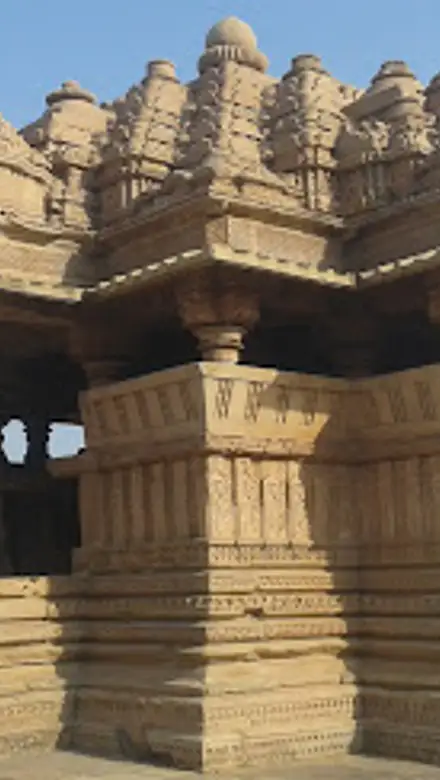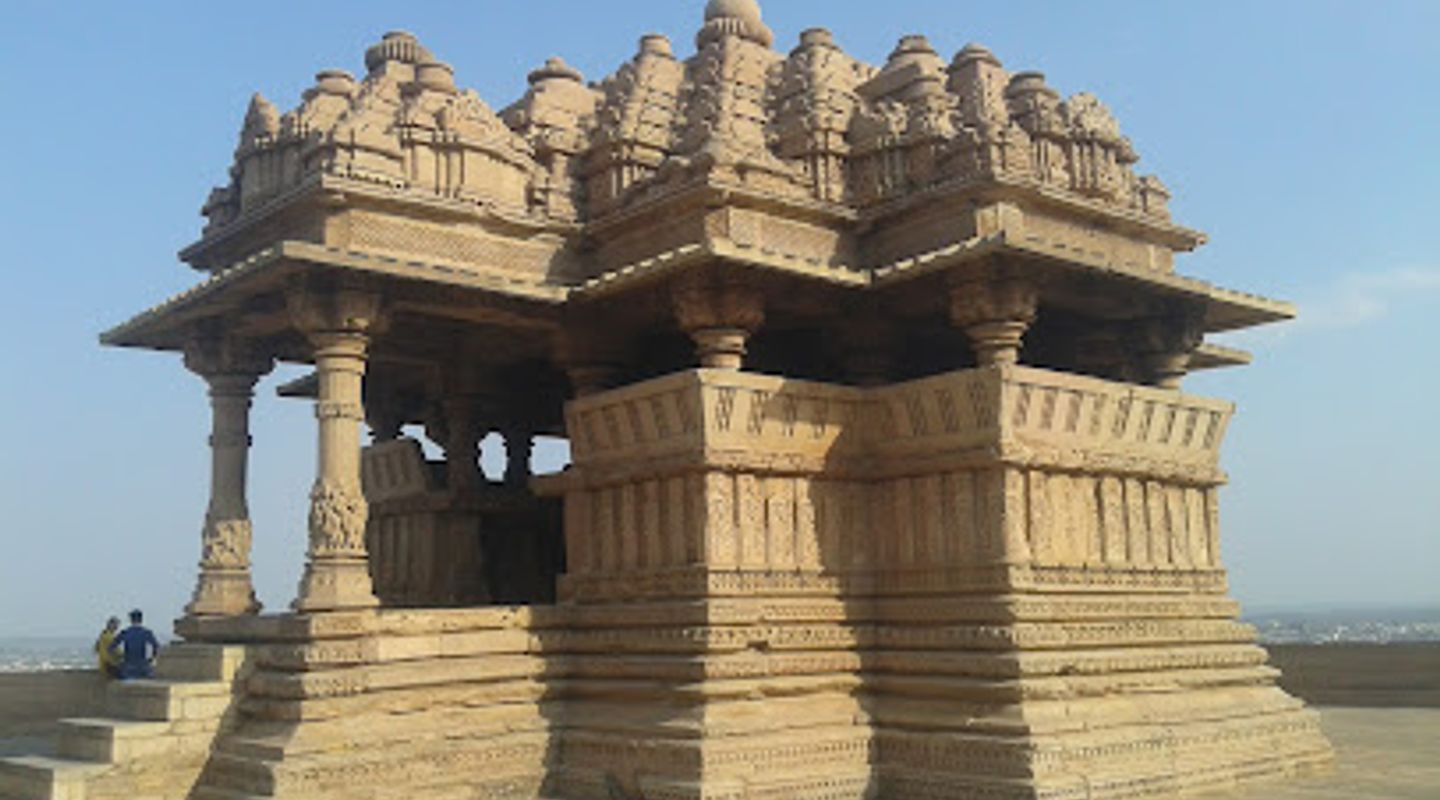
Gopachal Jain Parvat, Gwalior Travel Guide
Explore ancient Jain artistry at Gopachal Parvat, a hilltop haven of rock-cut sculptures and spiritual serenity near Gwalior Fort.
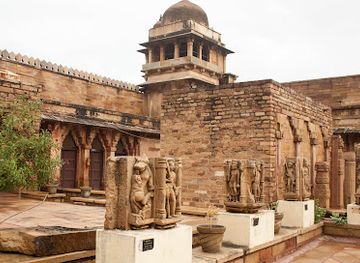
Gopachal Jain Parvat, located on the Gwalior Fort's eastern face, is renowned for its ancient Jain rock-cut monuments dating back to the 7th and 15th centuries. The hill features numerous carvings of Tirthankaras, Jain spiritual figures, showcasing the region's rich artistic and religious heritage.
A brief summary to Gopachal Jain Parvat
- Gwalior, Phool Bagh, Lashkar, Madhya Pradesh, IN

Know before you go
Hi, I'm Eve. Here are a few practical things to know before exploring Gopachal Jain Parvat.
- Visit between October and March for pleasant weather, ideal for exploring the outdoor sculptures.
- Wear comfortable shoes as there is some walking and climbing involved to see the sculptures.
- Dress modestly to respect the religious significance of the site.
- Carry water, especially during the warmer months, to stay hydrated.
Do you manage this location?
Take control to get all the benefits, like improved information, better appearance, and stronger visibility across AI-powered discovery. Learn more about listing your business on Evendo
Activate your presenceOther nearby places you may find interesting
The closest places of the same kind, if this one is not quite what you had in mind.


Explore Gopachal Jain Parvat on the Map
A handpicked selection of must-see spots near Gopachal Jain Parvat, mapped for you.
Getting There
-
Taxi/Auto-rickshaw
From Gwalior Junction Railway Station or Raja Bhoj Airport, take a taxi or auto-rickshaw to Gopachal Parvat, located on the eastern side of Gwalior Fort. The ride from the railway station is approximately 2 km. Expect to pay around ₹100-₹200 for an auto-rickshaw or ₹200-₹300 for a taxi.
-
Walking
After reaching the Gwalior Fort entrance, you can walk to Gopachal Parvat. The walk involves a climb and takes about 15-20 minutes. There are no specific costs involved in walking, but ensure you wear comfortable shoes.
Discover more about Gopachal Jain Parvat













Your all‑in‑one travel companion app
Explore expert travel guides, compare and book tours, experiences, hotels, and more—all from the palm of your hand. Download now for seamless trip planning wherever your wanderlust takes you.


Explore More of Gwalior

Looking beyond Gopachal Jain Parvat? Discover Gwalior for broader travel guides, local hot-spots, and regional highlights.
Explore Gwalior
Discover Gwalior's hidden gem: Adventure and natural beauty await at Wild Wild Tourism, a perfect escape for families and thrill-seekers alike.

Capture your Gwalior adventure at the iconic 'I Love Gwalior' selfie point in Phool Bagh, near historic landmarks and gardens.