Great Himalayan National Park, Himalayas Travel Guide
Explore the untouched beauty of the Himalayas, a UNESCO World Heritage Site teeming with diverse flora and fauna.
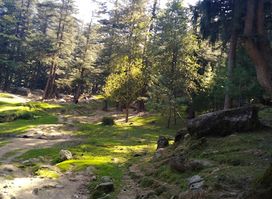
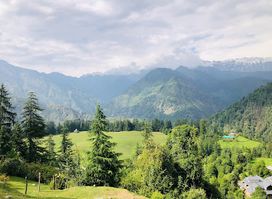
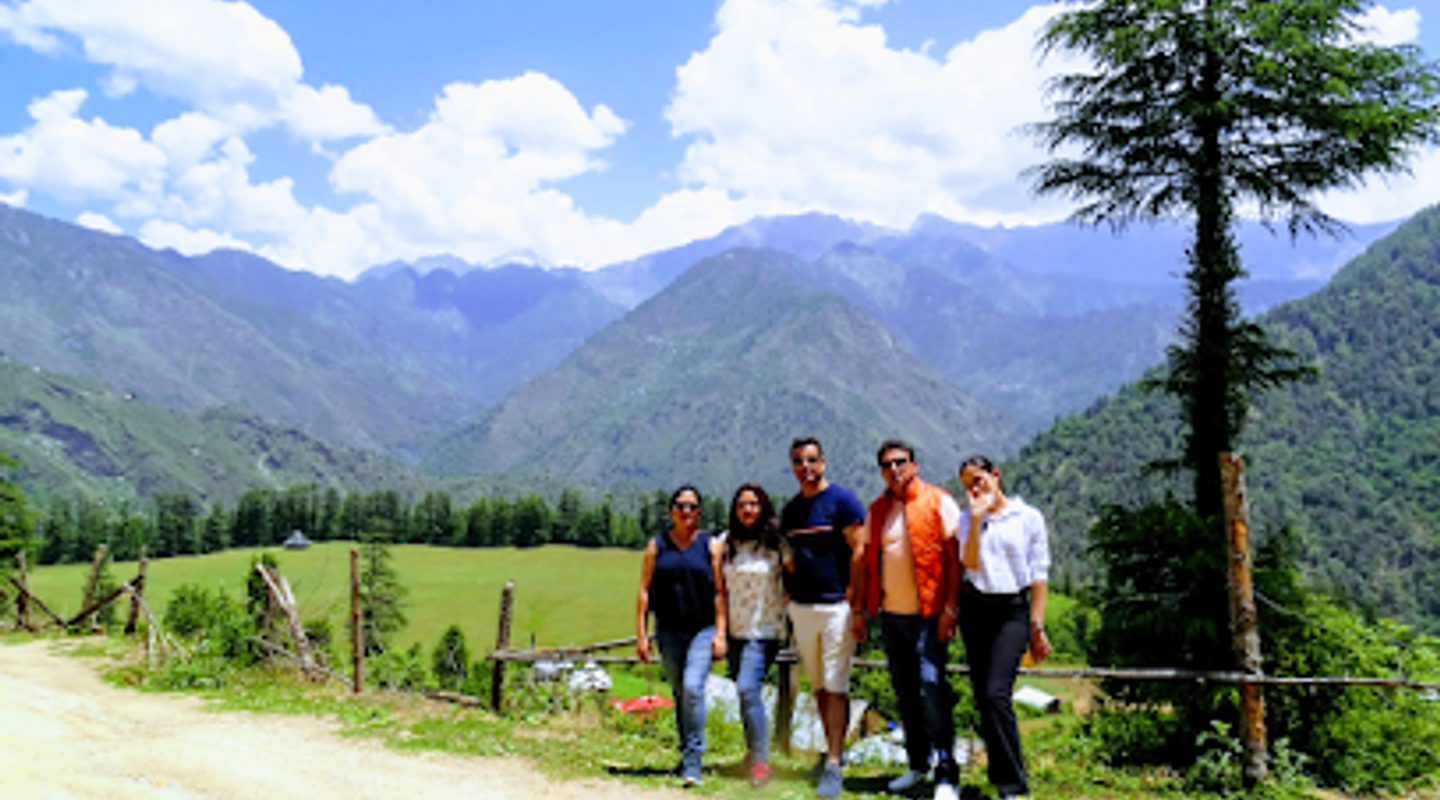
The Great Himalayan National Park (GHNP), a UNESCO World Heritage Site in Himachal Pradesh, India, is a pristine preserve of biodiversity, offering stunning treks and a chance to witness rare Himalayan wildlife in their natural habitat. It's a haven for nature lovers and adventure seekers alike.
A brief summary to Great Himalayan National Park
- Himachal Pradesh, IN
- Click to display
- Click to display

Know before you go
Hi, I'm Eve. Here are a few practical things to know before exploring Great Himalayan National Park.
- Obtain necessary permits from the GHNP office in Shamshi or range offices in Shairopa and Ropa before entering the park.
- Hire a local, certified guide for trekking, as it is mandatory and enhances your experience.
- Visit during April-June or September-November for the most pleasant weather and optimal trekking conditions.
- Pack appropriate trekking gear, including sturdy shoes, warm layers, and rain protection, due to the variable mountain weather.
- Respect the local culture and environment by avoiding littering, minimizing noise, and dressing modestly.
Do you manage this location?
Take control to get all the benefits, like improved information, better appearance, and stronger visibility across AI-powered discovery. Learn more about listing your business on Evendo
Activate your presenceOther nearby places you may find interesting
The closest places of the same kind, if this one is not quite what you had in mind.


Explore Great Himalayan National Park on the Map
A handpicked selection of must-see spots near Great Himalayan National Park, mapped for you.
Unlock the Best of Great Himalayan National Park
Buy tickets
-
No tickets available
Book tours with entry

Book tours without entry

Getting There
-
Bus
From Delhi or Chandigarh, take an overnight Volvo bus to Aut. From Aut, hire a taxi (approx. ₹1500) or take a local bus (approx. ₹70) to Banjar, Gushaini, or Sainj, depending on your chosen entry point to GHNP. Buses are a budget-friendly option, with Volvo seats starting from ₹1000.
-
Taxi
From Bhuntar Airport, hire a taxi to Kullu, then continue to Gushaini (Tirthan Valley) or Neuli (Sainj Valley), the main entry points to the park. Taxi fares from Bhuntar to Kullu will vary. From Kullu, travelers can find local transportation to the park's entry points.
Discover more about Great Himalayan National Park
More to explore near Great Himalayan National Park













Your all‑in‑one travel companion app
Explore expert travel guides, compare and book tours, experiences, hotels, and more—all from the palm of your hand. Download now for seamless trip planning wherever your wanderlust takes you.


Explore More of Himalayas
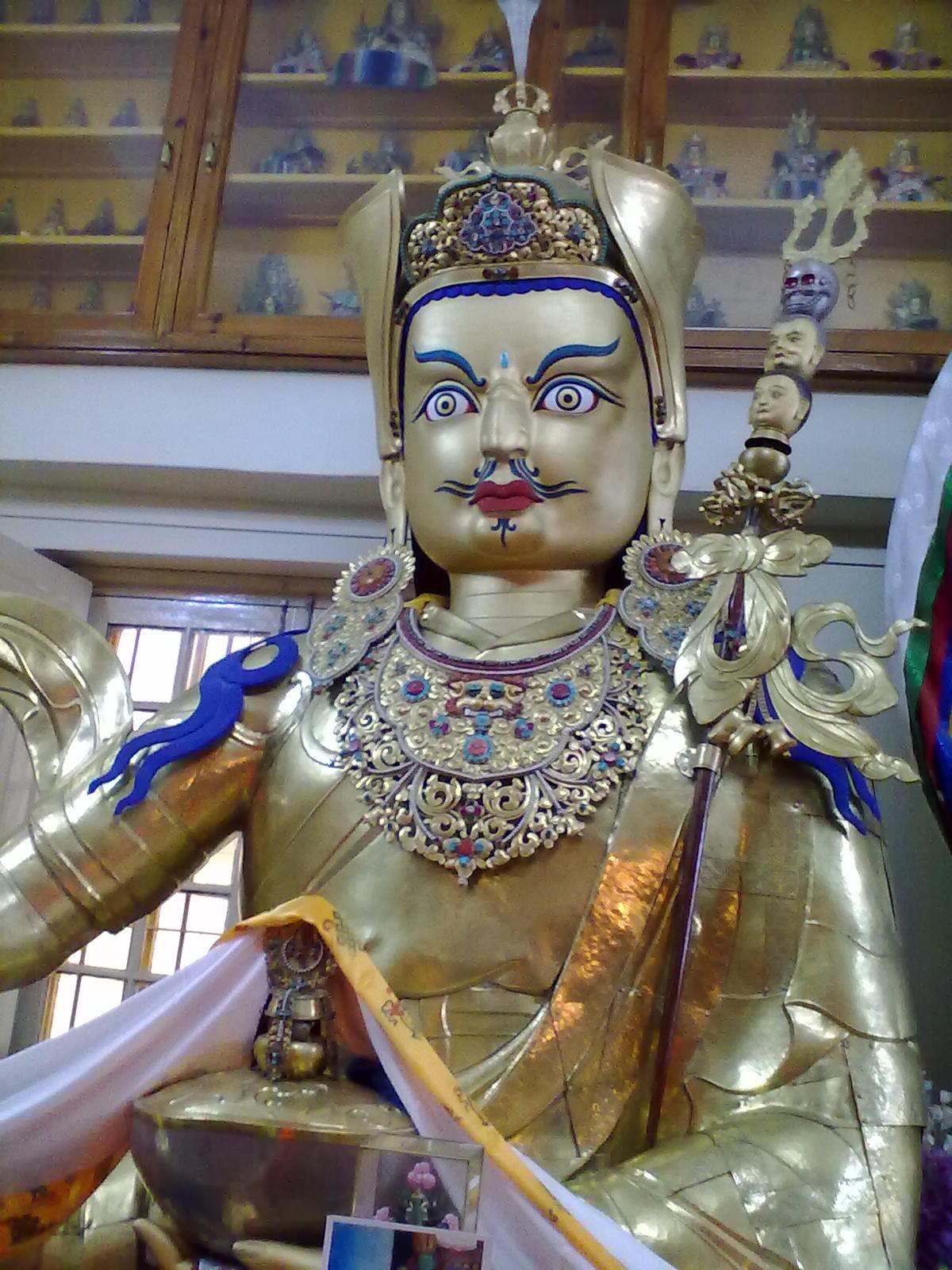
Looking beyond Great Himalayan National Park? Discover Himalayas for broader travel guides, local hot-spots, and regional highlights.
Explore Himalayas