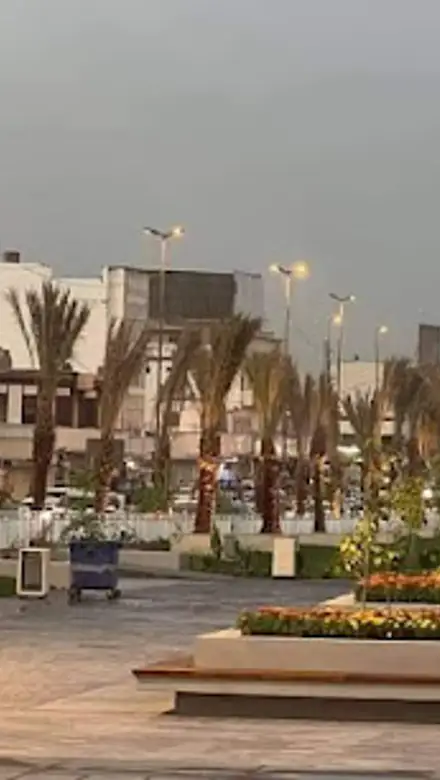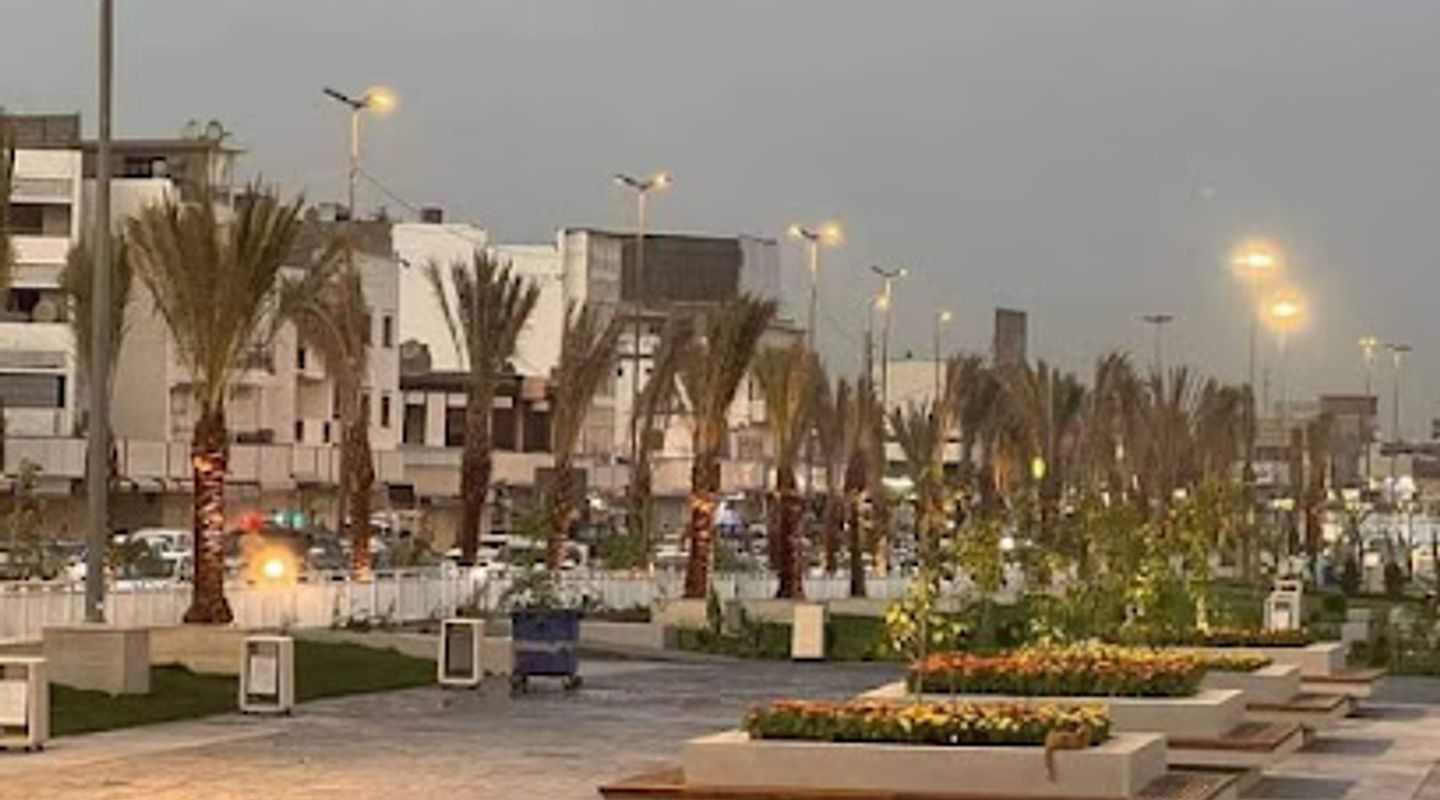
Tahrir Monument, Baghdad Travel Guide
A symbol of Iraq's independence and resilience, the Tahrir Monument stands as a powerful reminder of the nation's journey toward freedom.
The Tahrir Monument, also known as the Freedom Monument, stands in Baghdad's Tahrir Square as a powerful symbol of Iraq's independence and resilience. Designed by sculptor Jawad Saleem, it commemorates the country's declaration of independence and depicts events from the 14 July Revolution.
A brief summary to Tahrir Monument
- Baghdad, Shorjah, Baghdad Governorate, IQ

Know before you go
Hi, I'm Eve. Here are a few practical things to know before exploring Tahrir Monument.
- Visit during the early morning or late afternoon for the best lighting and fewer crowds.
- Take time to explore the surrounding gardens and enjoy the local atmosphere.
- Check local events; sometimes there are cultural gatherings or exhibitions held in the park.
Do you manage this location?
Take control to get all the benefits, like improved information, better appearance, and stronger visibility across AI-powered discovery. Learn more about listing your business on Evendo
Activate your presenceOther nearby places you may find interesting
The closest places of the same kind, if this one is not quite what you had in mind.


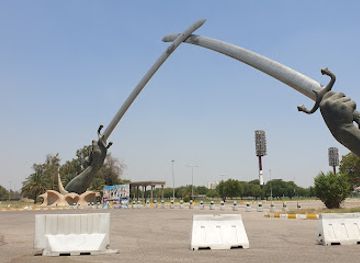
Explore Tahrir Monument on the Map
A handpicked selection of must-see spots near Tahrir Monument, mapped for you.
Getting There
-
Walking
If you are in central Baghdad, the Tahrir Monument is accessible on foot. From Al-Karkh, head east toward Al-Rashid Street and turn right. Continue for about 1.5 kilometers, following signs to Tahrir Square. The monument will be nearby. Walking is free.
-
Public Transport
To reach the Tahrir Monument via public transport, look for buses heading towards the center of Baghdad. Board any bus that indicates stops near Tahrir Square. The bus fare is approximately 250 IQD. Alight at Tahrir Square, and the monument is a short walk away.
-
Taxi
Taxis are readily available throughout Baghdad. Simply flag down a taxi and inform the driver that you want to go to Tahrir Monument. A short taxi ride in Baghdad typically costs around 5,000 IQD, with an additional 3,218 IQD per mile. Motorcycle taxis are also available and may cost between 1,000-1,500 IQD.
Discover more about Tahrir Monument













Your all‑in‑one travel companion app
Explore expert travel guides, compare and book tours, experiences, hotels, and more—all from the palm of your hand. Download now for seamless trip planning wherever your wanderlust takes you.


Explore More of Baghdad
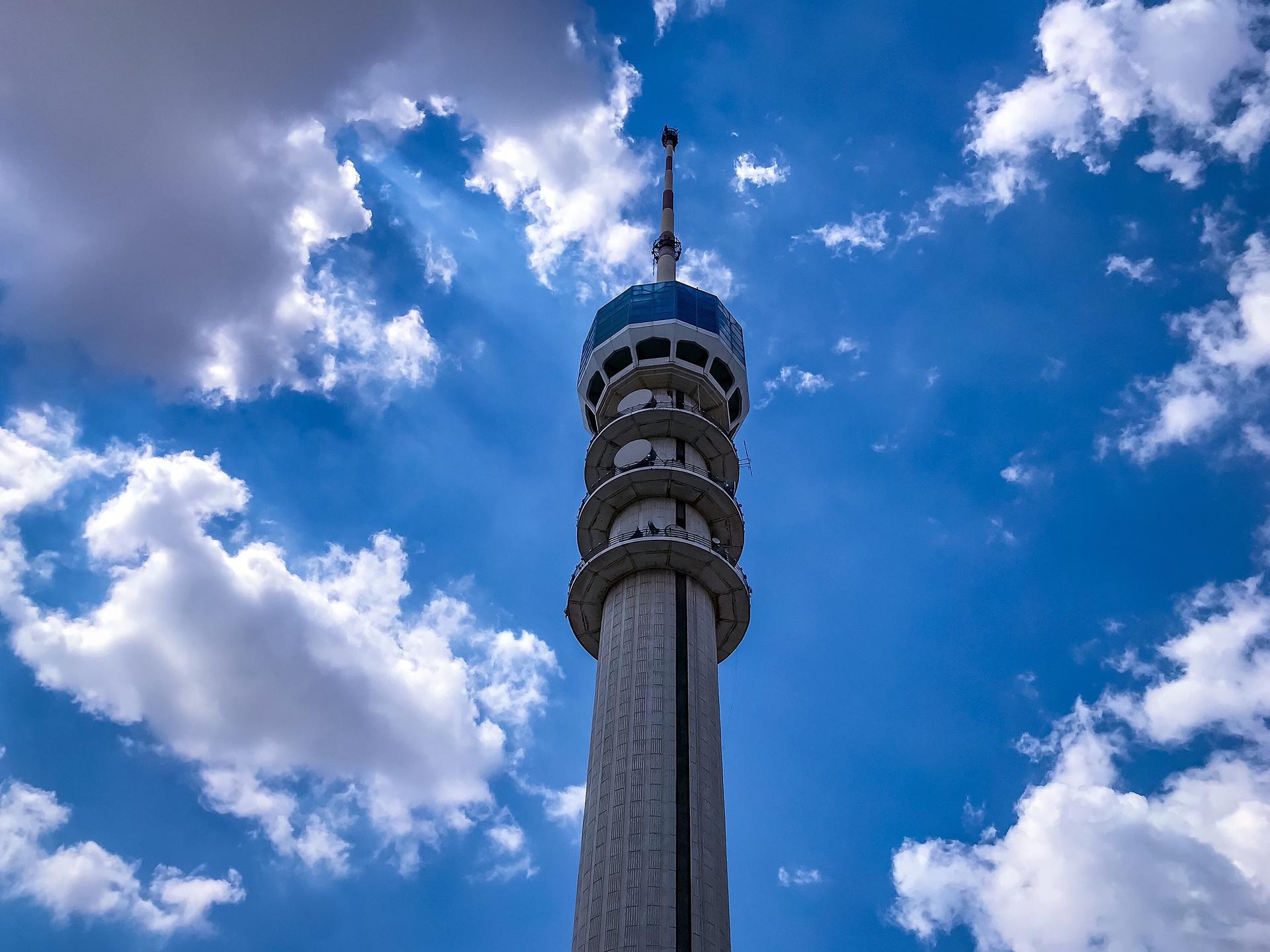
Looking beyond Tahrir Monument? Discover Baghdad for broader travel guides, local hot-spots, and regional highlights.
Explore Baghdad
Experience comfort and convenience at Al Sadeer Palace Hotel, perfectly located on Baghdad's vibrant Al-Saadoon Street.
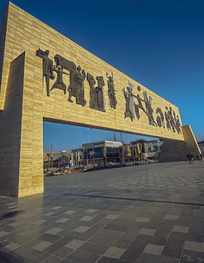
Experience Baghdad's beating heart at Al-Tahrir Square, a historic landmark symbolizing Iraq's journey to freedom and a hub for cultural exploration.