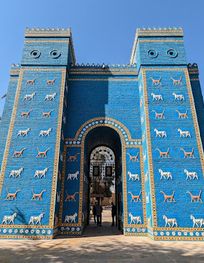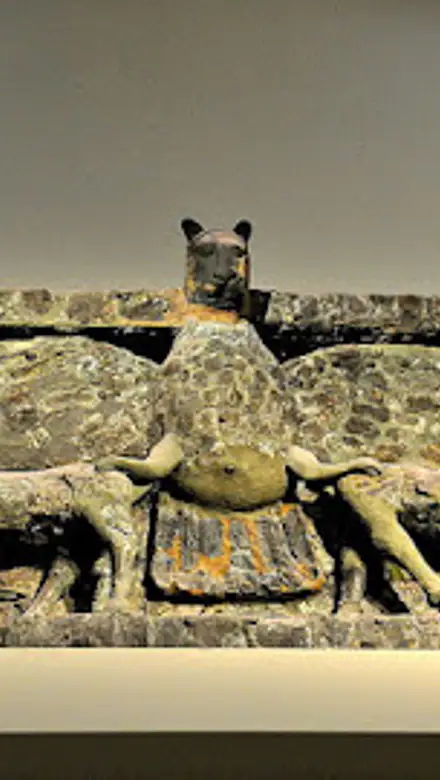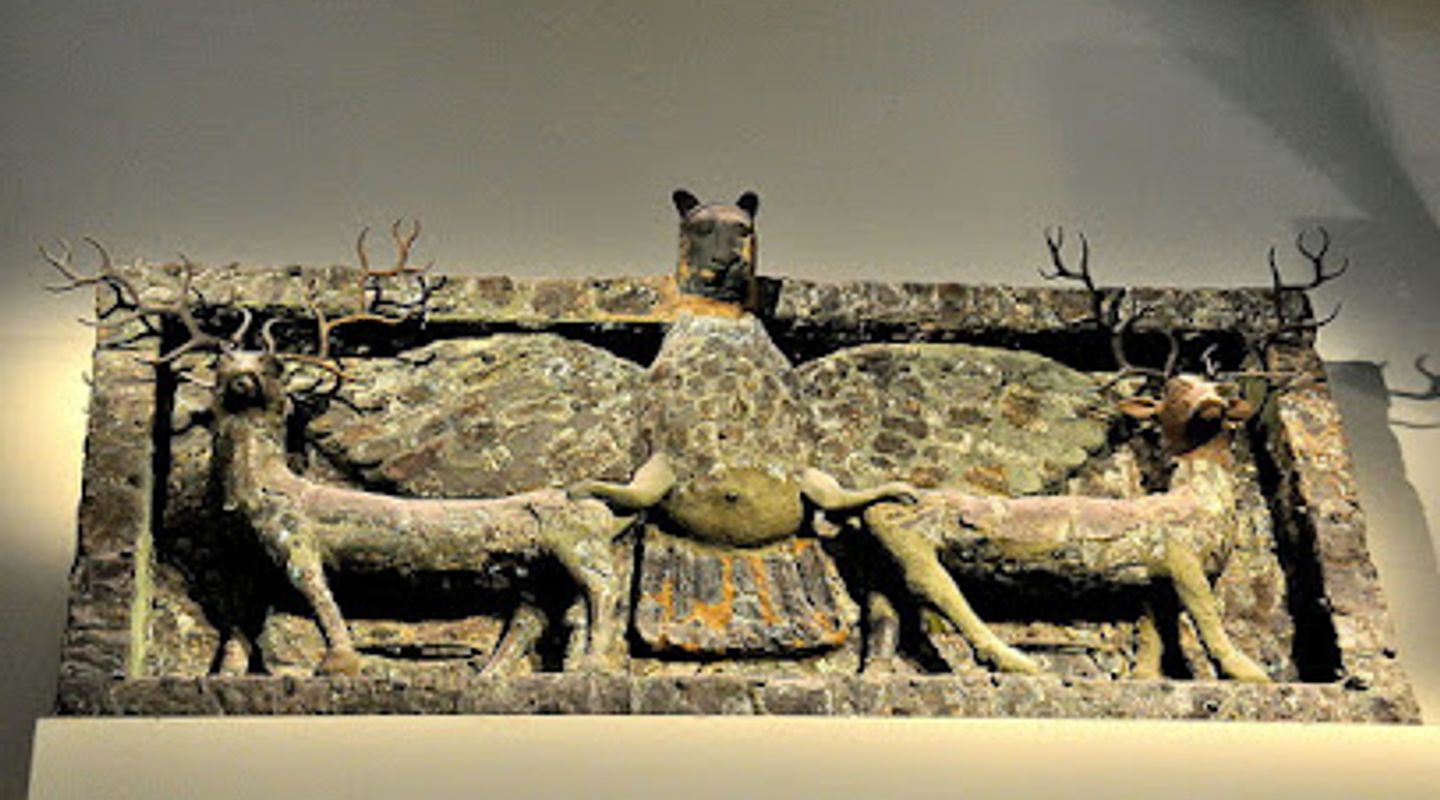
Tell Al Ubaid, Dhi Qar Travel Guide
Explore Tell Al Ubaid, the namesake of the Ubaid period, and discover the roots of Mesopotamian civilization in southern Iraq.
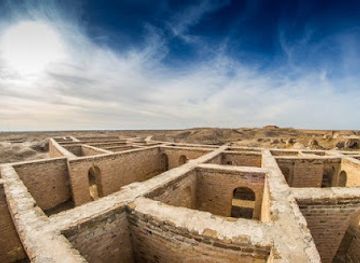
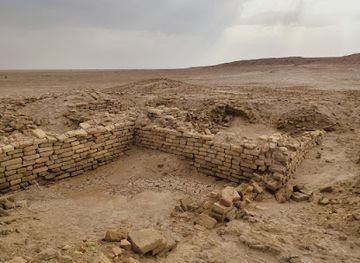
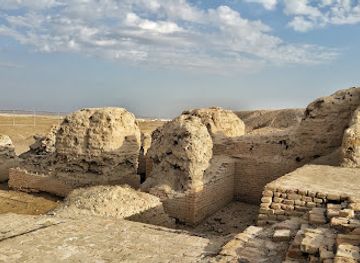
Tell Al Ubaid, an ancient archaeological site in the Dhi Qar Governorate of Iraq, is a relatively small tell that holds immense historical significance as the namesake of the Ubaid period. This Chalcolithic site, located a few kilometers west of Ur, offers a glimpse into the early development of Mesopotamian civilization.
A brief summary to Tell Al Ubaid
- 1, Dhi Qar Governorate, IQ

Know before you go
Hi, I'm Eve. Here are a few practical things to know before exploring Tell Al Ubaid.
- Wear comfortable shoes suitable for walking on uneven terrain, as the site is an archaeological zone.
- Bring plenty of water and sun protection, as the area can be hot and exposed.
- Consider hiring a local guide to learn more about the history and significance of the site.
- Respect the site and any ongoing archaeological work; avoid touching or removing artifacts.
Do you manage this location?
Take control to get all the benefits, like improved information, better appearance, and stronger visibility across AI-powered discovery. Learn more about listing your business on Evendo
Activate your presenceOther nearby places you may find interesting
The closest places of the same kind, if this one is not quite what you had in mind.

Explore Tell Al Ubaid on the Map
A handpicked selection of must-see spots near Tell Al Ubaid, mapped for you.
Getting There
-
Driving
From Nasiriyah, the capital city of Dhi Qar Governorate, Tell Al Ubaid is approximately a 20-30 minute drive. Head west from Nasiriyah, following local roads towards Ur. As you approach Ur, look for signs directing you towards Tell Al Ubaid, which lies about 6 kilometers west of Ur. The final stretch may be on unpaved roads. Parking is generally available near the site. It's advisable to check with local authorities or tour operators for the latest road conditions and any travel advisories. Due to the site's remote location, taxis or private cars are the most practical options. A round-trip taxi fare from Nasiriyah might cost approximately $15-25 USD, depending on your negotiation skills.
Discover more about Tell Al Ubaid













Your all‑in‑one travel companion app
Explore expert travel guides, compare and book tours, experiences, hotels, and more—all from the palm of your hand. Download now for seamless trip planning wherever your wanderlust takes you.


Explore More of Dhi Qar
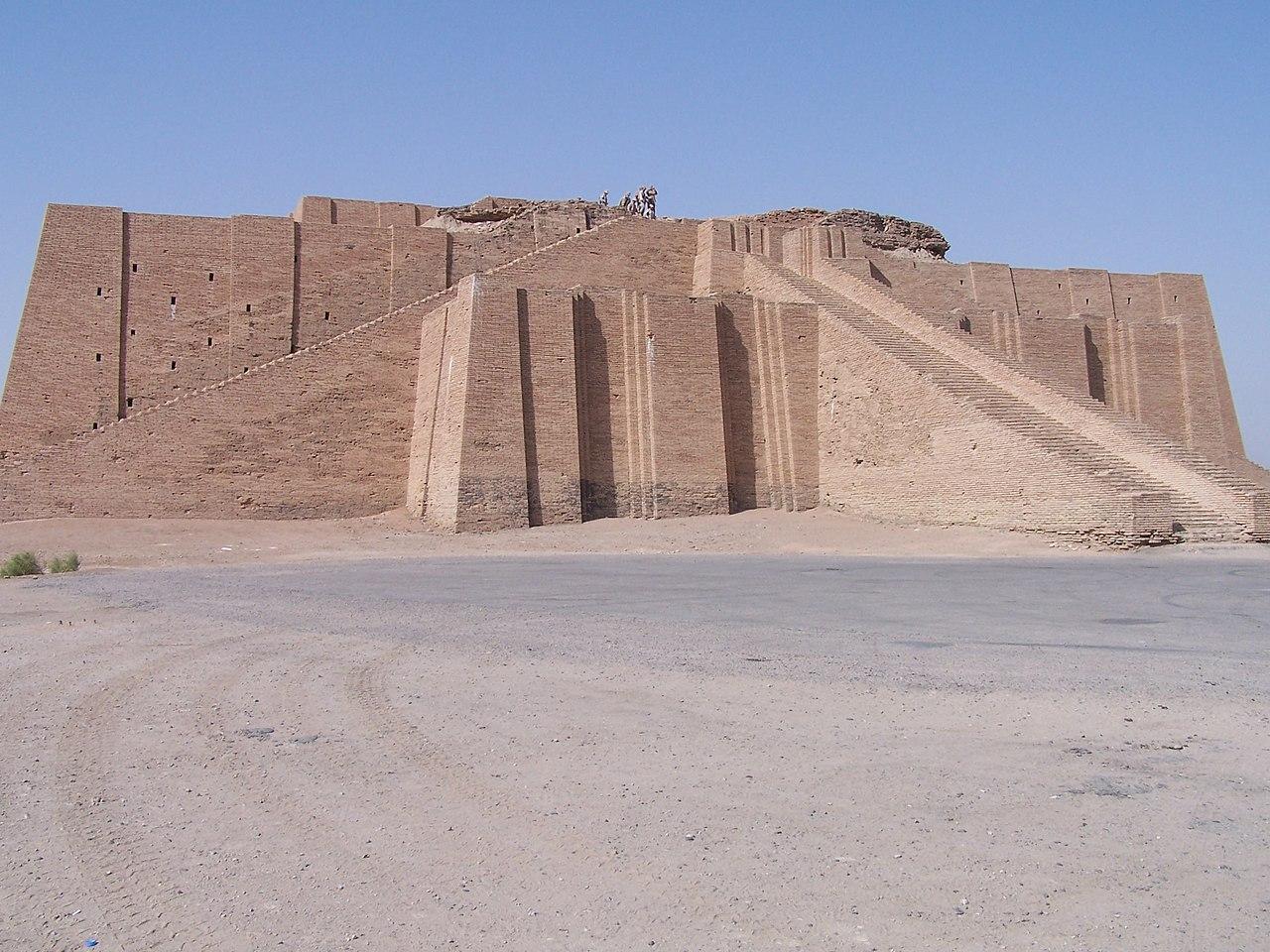
Looking beyond Tell Al Ubaid? Discover Dhi Qar for broader travel guides, local hot-spots, and regional highlights.
Explore Dhi Qar