
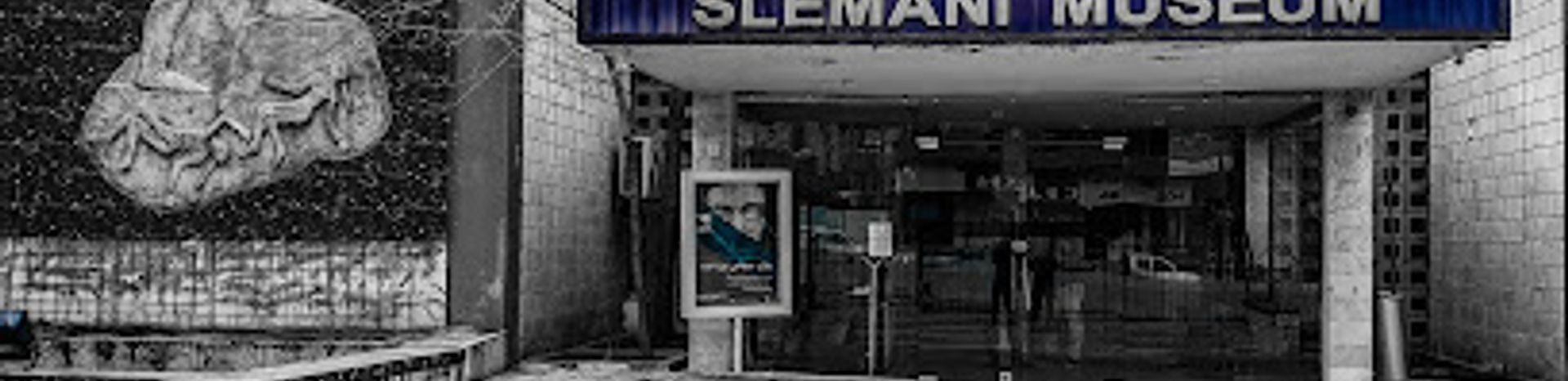
Slemani Museum: A Window to Kurdistan's Past
Explore millennia of Mesopotamian history at the Slemani Museum, the second-largest museum in Iraq.
The Slemani Museum in Sulaymaniyah is the second-largest museum in Iraq, showcasing artifacts from prehistoric times through the Ottoman period. It offers a rich glimpse into the history and cultural heritage of the Kurdistan region, with collections spanning millennia.
A brief summary to Slemani Museum
- Sulaymany museum, Şeqamî Bêxud, Sulaymaniyah, Sulaymaniyah Governorate, IQ
- +964533200609
- Visit website
Local tips
- Allow at least 2-3 hours to fully explore the museum's diverse collections.
- Entry to the museum is free.
- Visit in the spring or fall for milder temperatures.
- Combine your visit with a trip to the nearby Amna Suraka (Red Prison) for a comprehensive historical experience.

Getting There
-
Walking
The Slemani Museum is located on Şeqamî Bêxud in central Sulaymaniyah, making it easily accessible from many points in the city center. From Salim Street, a major thoroughfare, walk along side streets until you arrive at the museum. The museum is near other attractions, such as the Aylan Kurdi Monument and Amna Suraka. No costs are associated with walking.
-
Taxi
Taxis are the most common and convenient way to get around Sulaymaniyah. They can be hailed on the street or booked through your hotel. A 5-kilometer taxi ride in Sulaymaniyah typically costs between 4,000 to 5,000 Iraqi dinars (approximately $3 to $4 USD). Ensure the taxi is an official yellow taxi with a 'TAXI' sign.
Discover more about Slemani Museum
Iconic landmarks you can’t miss

Mandela Bistro
0.1 km
Experience authentic Kurdish cuisine with a modern twist at Mandela Bistro in the heart of Sulaymaniyah. A culinary gem!
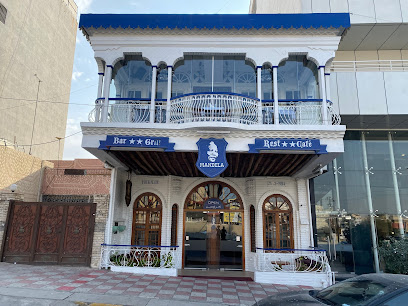
City Star Mall
0.2 km
Experience top-rated shopping, dining, and entertainment at City Star Mall, Sulaymaniyah's premier retail destination for locals and tourists.
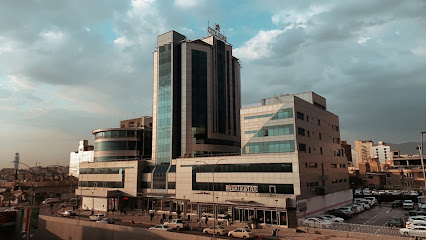
Lai Lawk Cafe & Rest.
0.4 km
Experience authentic Iraqi cuisine at Lai Lawk Cafe & Rest. in Sulaymaniyah, where traditional flavors meet a welcoming ambiance. Open daily, 10 AM to midnight.
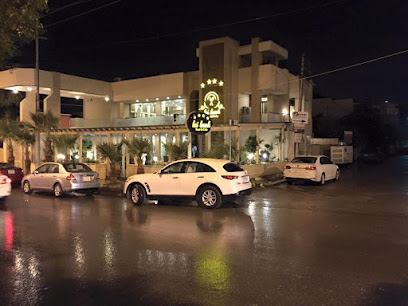
Roundabout
0.5 km
Experience Sulaymaniyah's modern nightlife at Roundabout bar, offering a relaxed atmosphere and diverse drink selection in a central location.
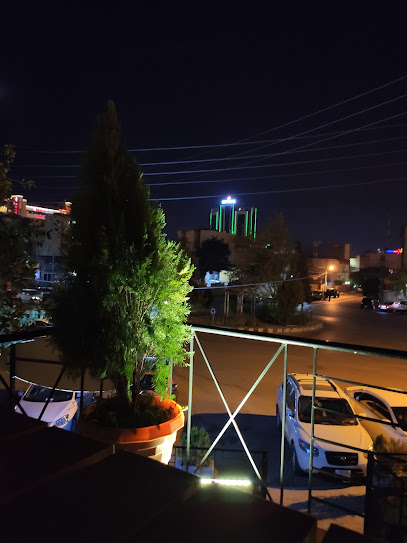
Diora Mall
0.5 km
Experience modern shopping in Sulaymaniyah at Diora Mall, featuring international brands, local boutiques, diverse dining, and entertainment for all ages.
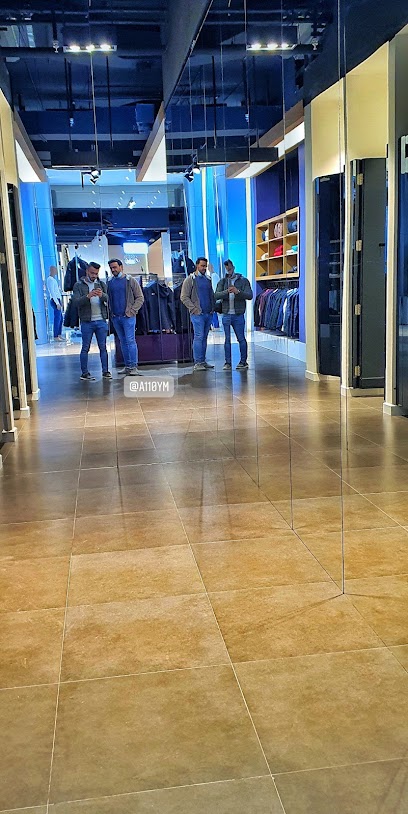
Moka & More Sulaimani
0.6 km
Experience culinary excellence at Moka & More Sulaimani—where fine dining meets cozy café vibes in the heart of Sulaymaniyah.
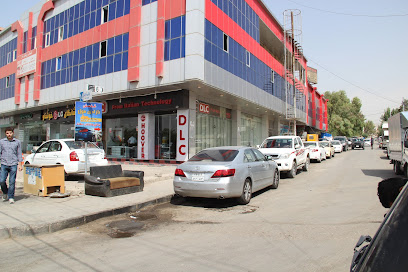
Kurdish Heritage Institute
0.6 km
Explore and celebrate Kurdish culture at the Kurdish Heritage Institute in Sulaymaniyah. Discover music, literature, and traditions.
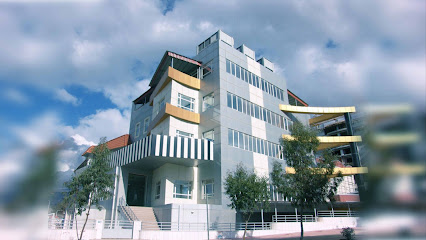
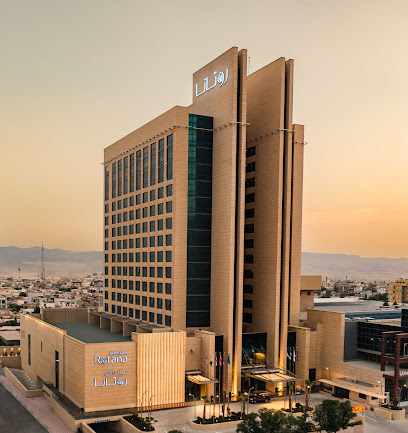
Slemani Rotana
0.6 km
Experience luxury and convenience at Slemani Rotana, your gateway to exploring the vibrant city of Sulaymaniyah and Kurdish culture.
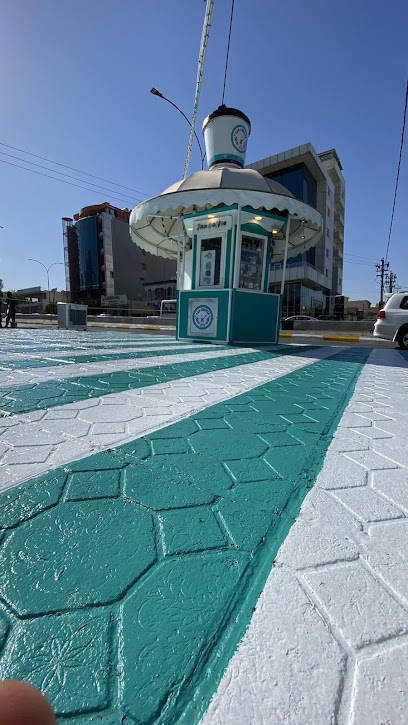
Jan Coffee
0.6 km
Experience Sulaymaniyah's vibrant coffee culture at Jan Coffee, the city's first street coffee shop and a local favorite.
Chocolate Sarayi Sulaymaniyah
0.8 km
Indulge in handcrafted chocolates and delightful pastries at Sulaymaniyah's charming Chocolate Sarayi cafe.
Sulaymaniyah Palace
0.8 km
Explore Sulaymaniyah Palace: A historic landmark in the heart of the city, showcasing Kurdish culture and heritage.

Kashkol Cafe
0.9 km
Experience Sulaymaniyah's vibrant coffee culture at Kashkol Cafe, a cozy spot blending tradition and modernity.
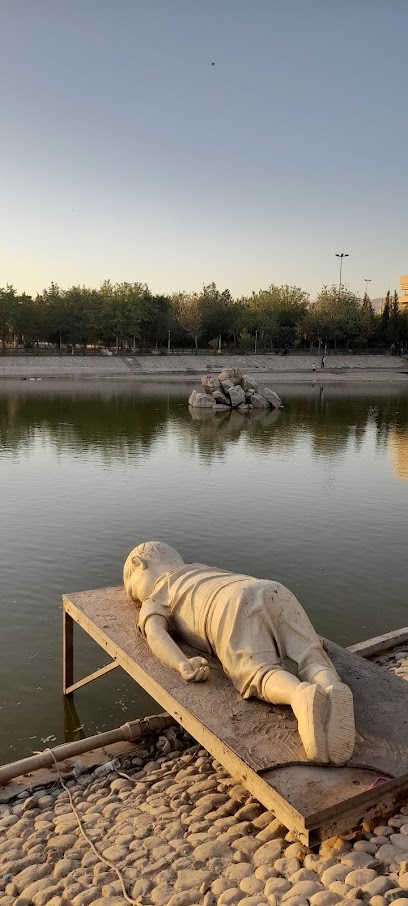
Aylan Kurdi Monument
0.9 km
A poignant memorial in Sulaymaniyah honoring Aylan Kurdi, serving as a reminder of the refugee crisis and a call for global compassion.
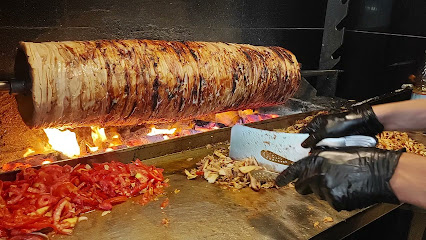
Kalar - گەسی کەلار
1.1 km
Discover Kalar in Sulaymaniyah, where fast food meets local flavors in a vibrant dining atmosphere, perfect for tourists craving delicious quick bites.
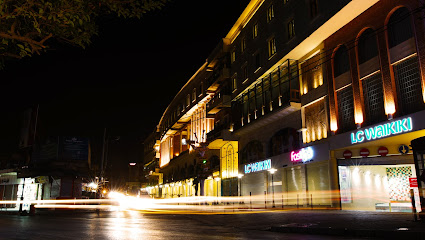
Khan Saray Hotel
1.1 km
Experience comfort and convenience at Khan Saray Hotel in Sulaymaniyah, offering modern amenities and a central location for exploring the city.
Unmissable attractions to see

سيد صلاح
0.4 km
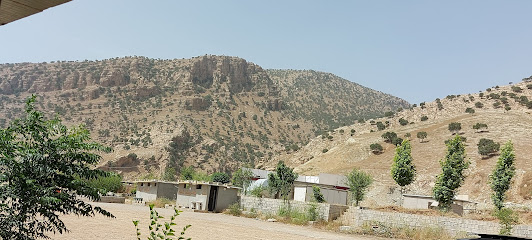
Discover tranquility and diverse wildlife at Sayyid Salah Nature Preserve in Sulaymaniyah, a hidden gem for nature lovers and adventure seekers.
Amna Suraka, Red Museum
0.5 km
Explore the haunting history of Saddam Hussein's Red Museum in Sulaymaniyah, a memorial to the Kurdish people's resilience and struggle for freedom.
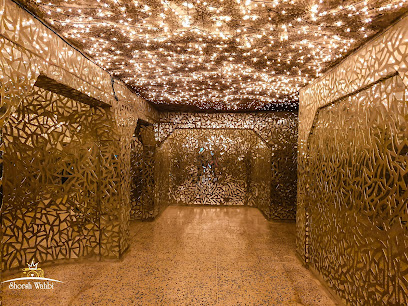
Public Park
0.8 km
Escape the city bustle at Sulaymaniyah's Public Park, a green haven for relaxation and recreation open 24/7.
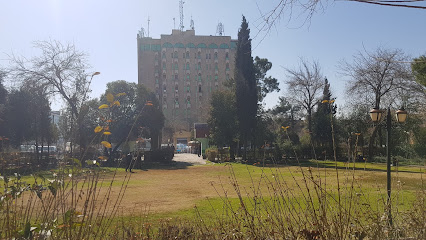
Salim Wall
0.8 km
Explore the majestic Salim Wall in Sulaymaniyah, a historical landmark offering a glimpse into the region's rich cultural heritage and vibrant city life.
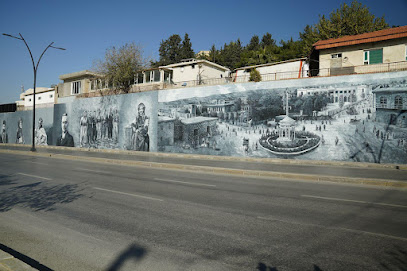
سەرگشت
0.9 km
Explore سەرجەشت in Sulaymaniyah: A beautiful blend of natural beauty, rich culture, and warm hospitality awaits every traveler.
پردی قەڵاچوالان العراق
0.9 km
Explore the serene landscapes of Park Qavachalan, a lush green haven in Sulaymaniyah perfect for relaxation and cultural experiences.
Rapadi
0.9 km
Explore Rapadi, a serene tourist attraction in Sulaymaniyah, blending natural beauty with rich cultural experiences for an unforgettable getaway.
المايف
0.9 km
Experience the breathtaking beauty and rich culture of Al-Maif, a must-visit tourist attraction in Sulaymaniyah, Iraq, perfect for every traveler.
Hanawa
0.9 km
Experience the tranquil beauty and rich cultural heritage of Hanawa, a hidden gem in Sulaymaniyah Governorate, perfect for nature lovers and cultural enthusiasts.
به سنا
0.9 km
Experience the serene beauty and rich culture of Be Sna, an enchanting tourist attraction in Sulaymaniyah, Iraq, perfect for adventure and exploration.
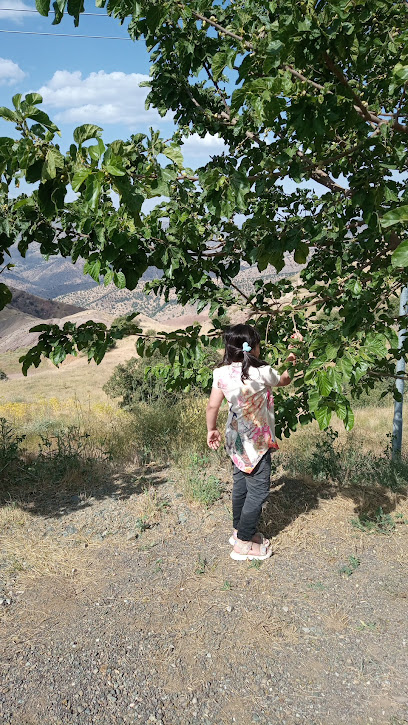
Taben
0.9 km
Experience the natural beauty and rich culture of Taben, a captivating tourist attraction in Sulaymaniyah Governorate, Iraq.
سياحيه
0.9 km
Discover the charm of Siayah in Sulaymaniyah, an enchanting tourist attraction showcasing Iraq's rich heritage and stunning landscapes.
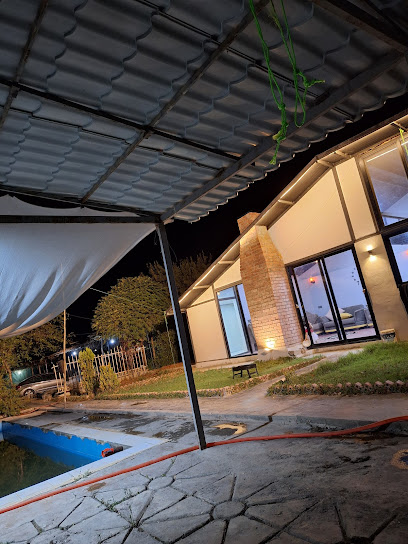
كاكا ابراهيم
0.9 km
Explore Kaaka Ibrahim in Sulaymaniyah, a scenic tourist attraction blending natural beauty with rich cultural heritage for an unforgettable travel experience.
Peshaw Orchard
0.9 km
Escape to Peshaw Orchard in Sulaymaniyah: Immerse yourself in nature's beauty, savor local fruits, and experience cultural richness in a tranquil setting.
سماقولي
0.9 km
Escape to nature in Sulaymaniyah at Smaquli Park, offering tranquility and scenic beauty for a perfect day out.
Essential places to dine

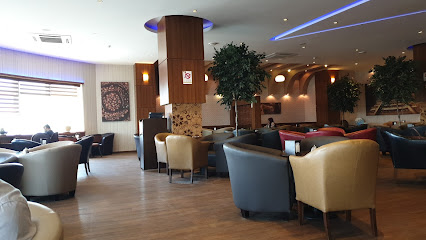
Star Cafe - ستار ڪافێ
0.2 km
Experience authentic Kurdish cuisine at Star Cafe - your perfect dining destination in Sulaymaniyah.
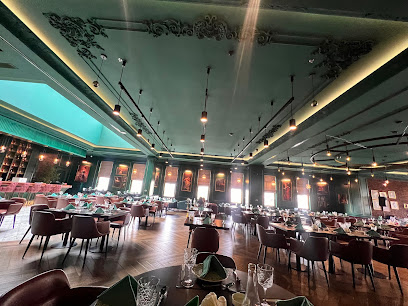
Emerald Restaurant مطعم اميرالد
0.3 km
Indulge in authentic Kurdish cuisine at Emerald Restaurant in Sulaymaniyah - a culinary delight blending tradition with modernity.
Parda plaw مطعم بارده بلاو
0.3 km
Experience authentic Iraqi cuisine at Parda plaw مطعم بارده بلاو in Sulaymaniyah - where every dish tells a story.
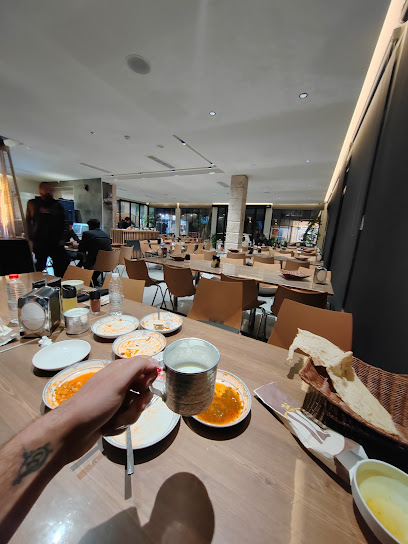
Sultan Restaurant-Talari Shan
0.3 km
Discover authentic Kurdish cuisine at Sultan Restaurant-Talari Shan in Sulaymaniyah - a culinary delight for all food lovers.
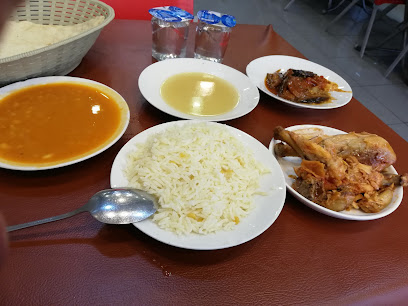
Rihanna Rest & Cafe
0.3 km
Discover delicious local flavors at Rihanna Rest & Cafe in Sulaymaniyah—where culinary tradition meets modern dining.
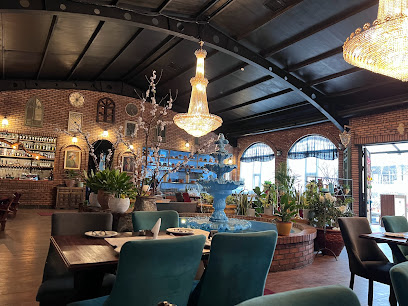
Suli Grand Rest & Cafe
0.4 km
Experience authentic Kurdish cuisine at Suli Grand Rest & Cafe in Sulaymaniyah's lively Kunjrini Market - where flavor meets culture.
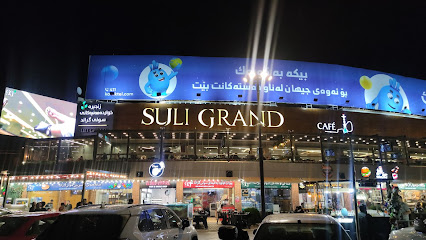
ABC Restaurant Sulaymaniyah
0.5 km
Experience authentic Kurdish cuisine at ABC Restaurant in Sulaymaniyah - where flavor meets tradition in a cozy setting.
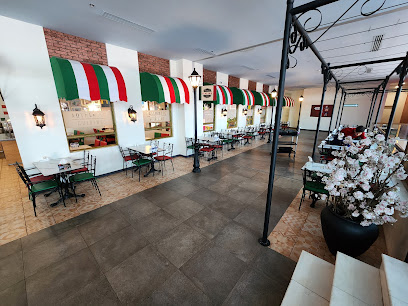
Aran Grill
0.5 km
Experience authentic Iraqi cuisine at Aran Grill in Sulaymaniyah - a culinary journey through rich flavors and warm hospitality.
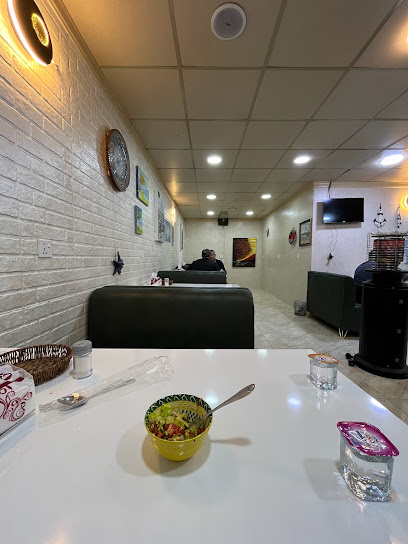
Tree & Cow
0.6 km
Experience the vibrant flavors of Iraq at Tree & Cow in Sulaymaniyah - where every meal tells a story.
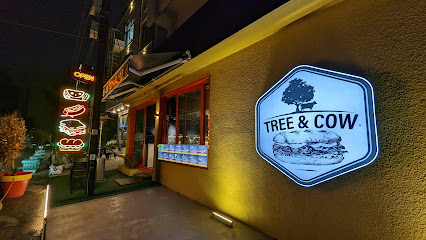
Lolo Rest & Cafe
0.6 km
Experience authentic flavors and warm hospitality at Lolo Rest & Cafe in Sulaymaniyah—your go-to spot for delicious meals around the clock.
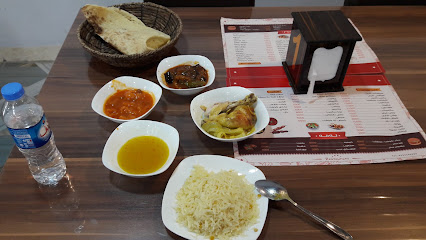
یانەی کۆمەڵایەتی ی کوردستان
0.6 km
Explore authentic Kurdish cuisine at یانەی کۆمەڵایەتی ی کوردستان in Sulaymaniyah - where tradition meets taste.
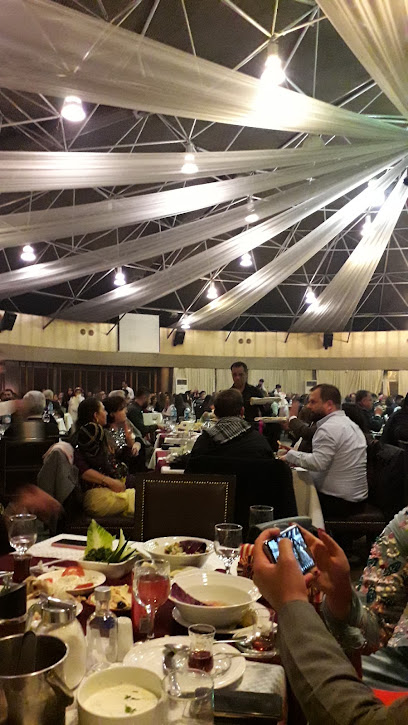
Nepali Restaurant & Bar
0.6 km
Experience authentic Nepalese cuisine at Nepali Restaurant & Bar in Sulaymaniyah – where every dish tells a story.
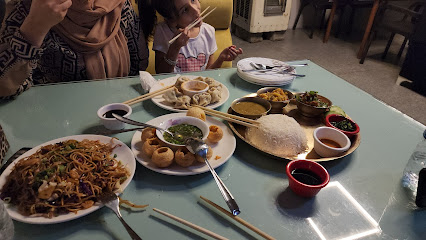
Your House
0.7 km
Discover the culinary delights at Your House in Sulaymaniyah – where local flavors meet international cuisine in an inviting atmosphere.
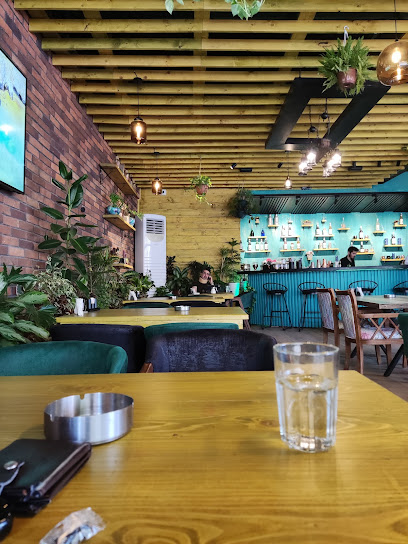
Khanadan Grill Caffe
0.7 km
Experience authentic Kurdish flavors at Khanadan Grill Caffe in Sulaymaniyah – where every meal tells a story.
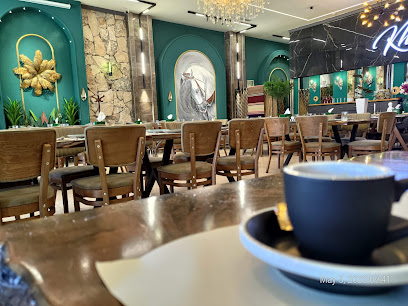
Diwan Restaurant
0.8 km
Experience exquisite Middle Eastern cuisine at Diwan Restaurant in Sulaymaniyah - where tradition meets modern dining.
Markets, malls and hidden boutiques

On shop 1
0.5 km
Explore On Shop 1 in Sulaymaniyah for unique clothing and accessories that capture the essence of local fashion and style.
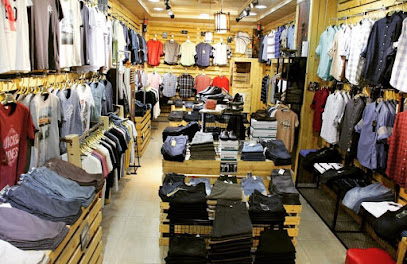
تەلاری سالم
0.5 km
Discover the essence of Kurdish fashion at تلاری سالم, a clothing store that blends tradition with contemporary styles in the heart of Sulaymaniyah.

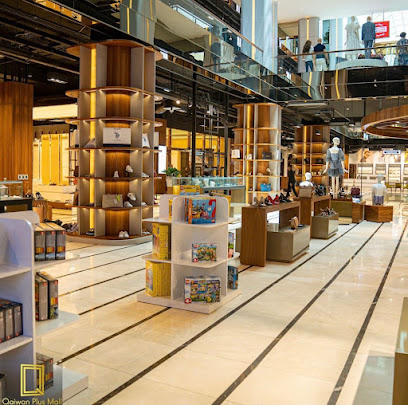
Qaiwan Plus Mall
0.5 km
Experience unparalleled luxury shopping at Qaiwan Plus Mall in Sulaymaniyah, home to the finest bag shop and exquisite retail offerings.
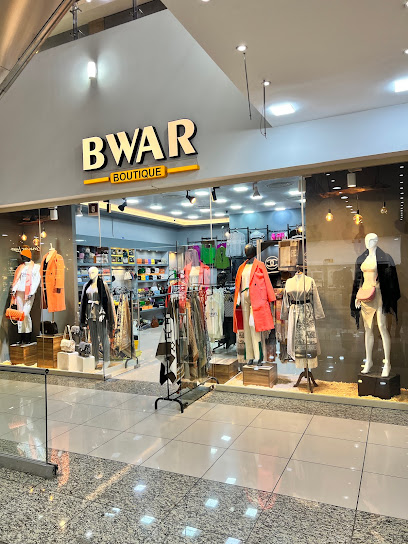
Bwar boutique
0.6 km
Discover a vibrant shopping experience at Bwar Boutique in Sulaymaniyah, where local crafts meet modern style in a culturally rich atmosphere.
شرکەتایەی دەنلوب سلێمانی
0.9 km
Immerse yourself in the local culture at Dənlob in Sulaymaniyah, where shopping meets the spirit of heritage and craftsmanship.
zhila shop
0.9 km
Explore the vibrant fashion scene at Zhila Shop in Sulaymaniyah, where tradition meets modern style in every stitch.
Aziz shop
0.9 km
Explore the heart of Sulaymaniyah at Aziz Shop, where local crafts and modern goods create an unforgettable shopping experience.
Kosar shop
0.9 km
Explore Kosar Shop in Sulaymaniyah for unique local crafts, souvenirs, and an authentic experience of Kurdish culture.
Arez Boutique
0.9 km
Explore unique fashion at Arez Boutique, Sulaymaniyah's premier clothing store showcasing local talent and diverse styles.
چه قوي سميل
0.9 km
Discover unique souvenirs and local handicrafts at چہ قوي سميل, a treasure trove in Sulaymaniyah reflecting Kurdish culture.
soran
0.9 km
Experience Soran: A unique blend of local culture and quality shopping in Sulaymaniyah, ideal for finding furniture and home essentials.
bbr&mozer
0.9 km
Explore the unique offerings of bbr&mozer, a vibrant store in Sulaymaniyah that captures the essence of local culture and craftsmanship.
poshaki_yons2
0.9 km
Discover the rich shopping culture of Sulaymaniyah with unique crafts, delicious local treats, and vibrant market experiences.
Maliziwa
0.9 km
Explore Maliziwa in Sulaymaniyah for unique local crafts and souvenirs, celebrating the rich heritage of the region.
گەراج وقەپانی قەرەداغ
0.9 km
Explore the rich culture and unique products at گەراج وقەپانی قەرەداغ in Sulaymaniyah, a vibrant store showcasing local craftsmanship.
Essential bars & hidden hideouts

Terrace Restaurant
0.5 km
Experience breathtaking views and exquisite cocktails at the Terrace Restaurant in Sulaymaniyah, where every visit is a celebration of taste.
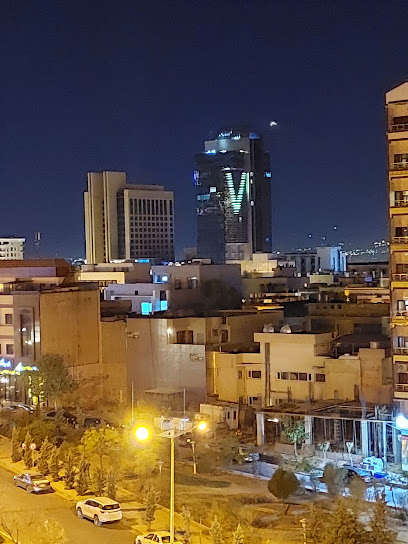
Slemani
0.9 km
Experience the vibrant nightlife at Slemani, a bar in Sulaymaniyah offering refreshing drinks and a lively atmosphere for all visitors.
Latino Bar
0.9 km
Discover the vibrant nightlife of Sulaymaniyah at Latino Bar, where local flavors and lively ambiance come together for an unforgettable experience.
a7ay ra3a
1.0 km
Discover the vibrant nightlife of Sulaymaniyah at a7ay ra3a, a lively bar where culture and flavor intertwine.
My dints
1.1 km
Discover the lively ambiance and diverse drink selection at My Dints, a bar that captures the vibrant nightlife of Sulaymaniyah.
The Piano Bar
1.2 km
Experience the vibrant nightlife of Sulaymaniyah at The Piano Bar, where live music and delightful drinks create an enchanting atmosphere.
Caffe
1.8 km
Discover Sulaymaniyah's charm at Caffe, where cozy ambiance meets local culture in the heart of the city.
Lobby Lounge
2.3 km
Discover the elegance and tranquility of the Lobby Lounge in Sulaymaniyah, where relaxation meets sophisticated ambiance.
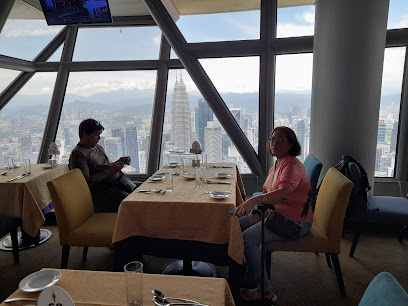
Crystal Champagne Bar
2.3 km
Experience the luxurious charm of Crystal Champagne Bar in Sulaymaniyah, offering exquisite cocktails and a chic atmosphere for unforgettable evenings.
Chenar
2.5 km
Discover Chenar, the perfect bar in Sulaymaniyah for tourists seeking relaxation and local flavors in a cozy atmosphere.
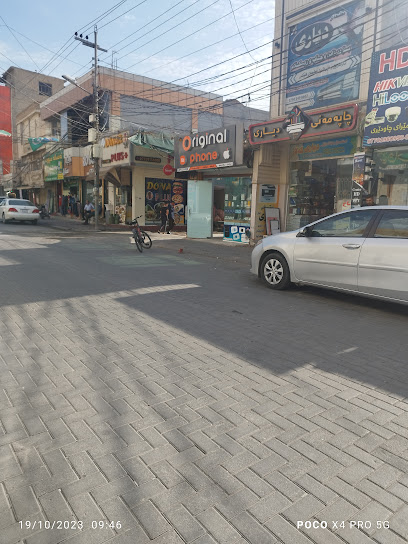
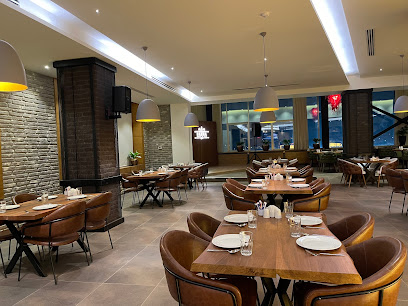
Pasha Restaurant
3.0 km
Experience the rich flavors of Kurdish cuisine at Pasha Restaurant in Sulaymaniyah, where every meal is a celebration of tradition and taste.
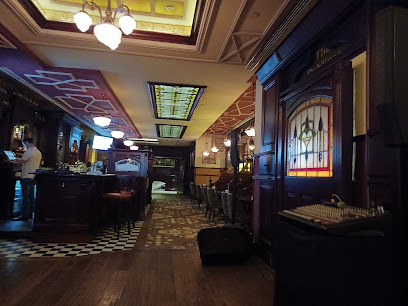
Irish Pub Dubliner
3.6 km
Discover the vibrant atmosphere of Irish Pub Dubliner in Sulaymaniyah, where traditional Irish hospitality meets local culture in a lively setting.
sofi bar
3.6 km
Experience the vibrant flavors of Kurdish cuisine at Sofi Bar in Sulaymaniyah, where exceptional grilled dishes await every palate.
Havana Lounge
3.7 km
Discover the lively Havana Lounge in Sulaymaniyah, where great food, vibrant atmosphere, and friendly service await every visitor.
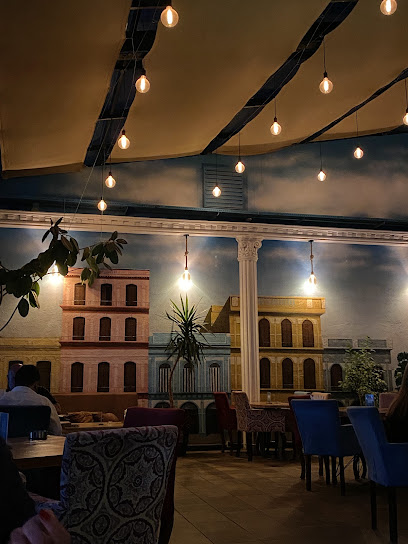
Titanic Hotel & Spa
4.2 km
Discover unparalleled luxury and relaxation at Titanic Hotel & Spa in Sulaymaniyah, where comfort meets breathtaking views and exceptional service.
Nightclubs & after hour spots

Night to Night
0.2 km
Experience the charm of Night to Night, a cozy cafe in Sulaymaniyah, offering delightful beverages and a vibrant local atmosphere.
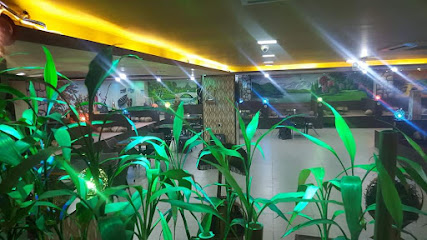
جبل بيروت الملكية
0.2 km
Discover the nightlife at جبل بيروت الملكية, a vibrant disco club in Sulaymaniyah blending local culture with exhilarating music and dance.
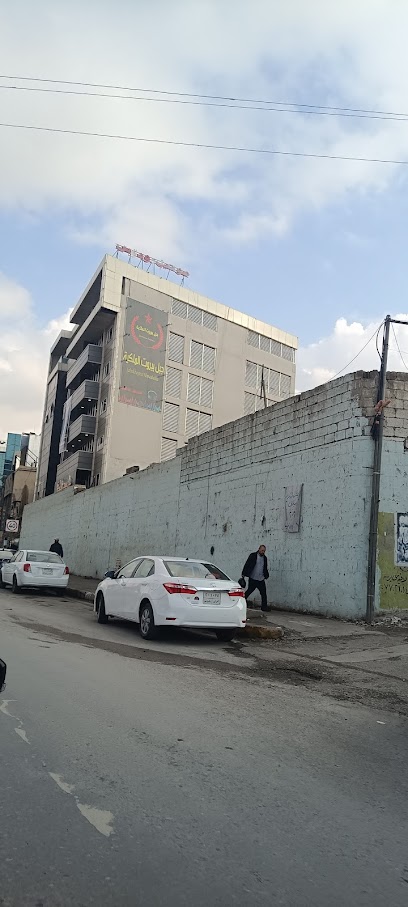
Bliardy Chall
2.9 km
Discover an electrifying nightlife experience at Bliardy Chall, the premier night club in Sulaymaniyah, featuring diverse music and a vibrant atmosphere.
Lel Night Club
3.0 km
Experience the vibrant nightlife at Lel Night Club in Sulaymaniyah, where great music and a lively atmosphere await every visitor.
Nask
3.9 km
Experience the vibrant nightlife of Sulaymaniyah at Nask, a premier night club where thrilling music and an energetic crowd await.
پاچنار
4.7 km
Discover the electrifying nightlife at پاچنار, Sulaymaniyah’s premier night club offering unforgettable experiences and vibrant atmosphere.
11 Night Club
6.8 km
Unleash your inner party spirit at 11 Night Club, the ultimate nightlife destination in Sulaymaniyah offering vibrant music and an electric atmosphere.
فوتبال دستی شهرام
68.2 km
Discover the lively nightlife at Football Dasti Shahram in Dezli, Kurdistan – where music, dance, and local culture come alive.
سوپرمارکت روسنی
68.9 km
Discover the pulse of Kurdistan's nightlife at سوپرمارکت روسنی, where music, dance, and culture come together for an unforgettable experience.
Shawany bahasht
90.6 km
Discover the pulsating nightlife of Chwarqurna at Shawany Bahasht, a disco club where music and dance come alive till dawn.
هۆڵی وەرزشى باركور
92.1 km
Discover the ultimate sports bar experience at هۆڵی وەرزشى باركور in Kirkuk, where fans unite to celebrate their favorite games.
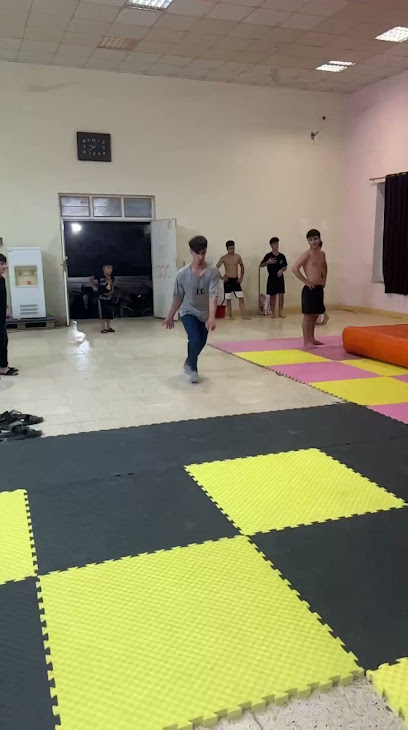
قاعة اسطنبول للمناسبات
93.8 km
Discover the chic elegance of قاعة اسطنبول للمناسبات in Kirkuk, where modern relaxation meets vibrant local culture.
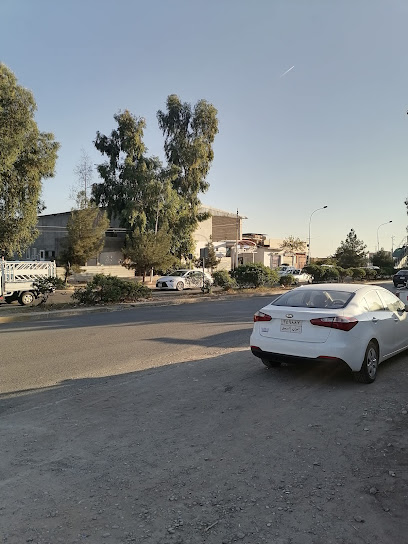
Night Of Faylaq Café
96.2 km
Discover the cozy ambiance and flavors of Kirkuk at Night Of Faylaq Café, where tradition meets delightful cuisine.
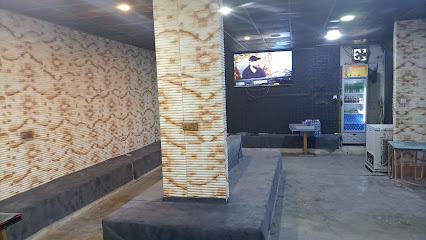
كوفي الملكي
96.5 km
Experience the vibrant nightlife at كوفي الملكي, Kirkuk's premier night club, where music and culture collide for an unforgettable evening.
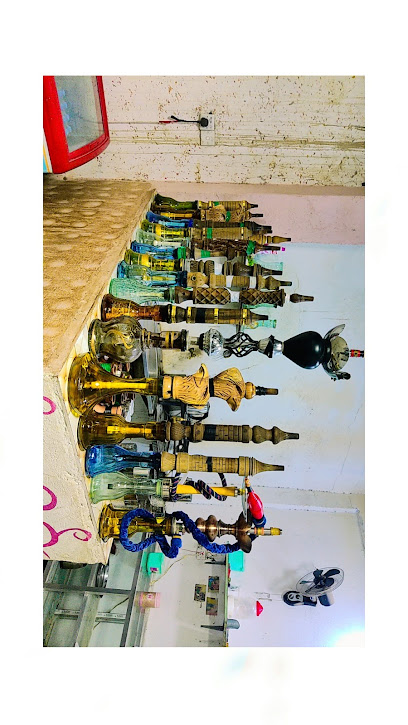
داود ابو لفات
97.1 km
Discover the lively atmosphere of داود ابو لفات, a premier night club in Kirkuk, where music, dance, and culture come together for an unforgettable experience.


