

Calanques of Piana, Italy Travel Guide
Discover the Calanques of Piana, where red granite cliffs meet azure waters in a breathtaking dance of light and color on Corsica's stunning coastline.
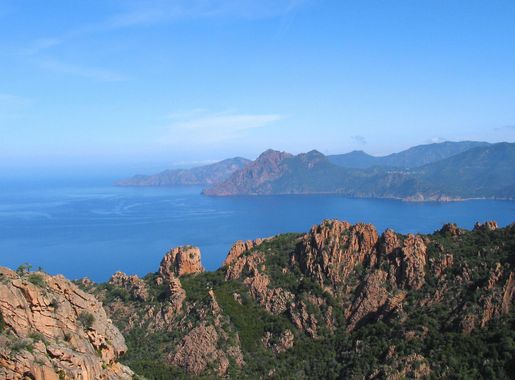
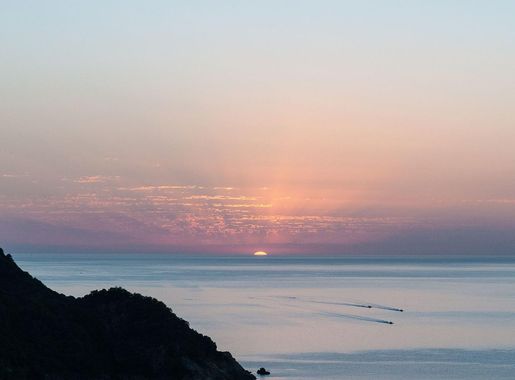
Nestled on the rugged west coast of Corsica, the Calanques of Piana offer a surreal experience for nature lovers. These red granite cliffs, carved by time and sea, rise dramatically from the deep blue waters of the Mediterranean. The interplay of light on the rock formations creates a stunning palette of colors, particularly during sunrise and sunset. Visitors can explore the Calanques by foot, car, or boat. Hiking trails provide breathtaking viewpoints, while a scenic drive through the winding coastal roads reveals panoramic vistas. Boat tours offer a unique perspective of the cliffs and the hidden coves below. Wildlife enthusiasts will also find the area teeming with diverse flora and fauna, making it a paradise for photographers and nature observers. The nearby village of Piana adds to the charm with its quaint streets, welcoming locals, and mouth-watering Corsican cuisine. Whether you're seeking adventure, tranquility, or simply a connection with nature, the Calanques of Piana promise an unforgettable experience.

Know before you go
Hi, I'm Eve. Here are a few practical things to know before exploring Calanques of Piana.
- Visit early in the morning or late in the afternoon to avoid crowds and enjoy the best light for photography.
- Wear sturdy hiking shoes if planning to explore on foot; the trails can be steep and rocky.
- Bring water and snacks, as facilities are limited once you leave the village of Piana.
- Consider taking a boat tour for a different perspective of the cliffs and to access hidden coves.
- Check local weather conditions before heading out, as the area can be affected by sudden changes.
Explore Calanques of Piana: Things to Do, Places to Eat, Hotels & More
Handpicked recommendations for top attractions, local dining, accommodations, and more

Best attractions in Calanques of Piana
Top-rated picks
Best Attractions

Calanques de Piana
Explore the stunning cliffs and azure waters of Calanques de Piana, a UNESCO World Heritage site in Corsica, France, perfect for hiking and scenic views.

A Cupulatta
Explore A Cupulatta in Vero, France – a captivating wildlife park showcasing tortoises and reptiles in a serene setting, perfect for family fun and education.

Maison Bonaparte
Discover the life and legacy of Napoleon Bonaparte at Maison Bonaparte in Ajaccio, a captivating national museum steeped in history.

La Plage d'Argent (en Corse)
Experience the serene beauty and culinary delights of La Plage d'Argent in Pietrosella, a must-visit destination for every traveler to Corsica.

Best landmarks in Calanques of Piana
Top-rated picks
Best Landmarks

Calanques de Piana
Explore the stunning beauty of Calanques de Piana, a UNESCO World Heritage site featuring dramatic cliffs, azure waters, and hiking adventures.

Scandola Natural Reserve
Explore the stunning landscapes and rich biodiversity of Scandola Natural Reserve, a UNESCO World Heritage site on the beautiful coast of Corsica.

Plage d'Arone
Experience the breathtaking beauty of Plage d'Arone, a stunning beach in Piana, Corsica, where nature and tranquility blend harmoniously.

Promenades en mer au départ de Porto Ota - Porto Marine Evasion
Discover the breathtaking coastline of Corsica with Porto Marine Evasion, offering unforgettable boat tours and maritime adventures in Porto Ota.

Best restaurants in Calanques of Piana
Top-rated picks
Best Restaurants

Les Roches Bleues
Experience exquisite French and Mediterranean cuisine with stunning views at Les Roches Bleues in Piana.

Le café de la plage
Experience exquisite French cuisine with breathtaking views at Le Café de la Plage in Piana.

La Voûte
Discover La Voûte in Piana: A culinary masterpiece blending French elegance with Mediterranean flavors amidst breathtaking views.

A Casa Corsa
Experience authentic Corsican cuisine at A Casa Corsa in picturesque Piana - where every meal tells a story.

Best bars in Calanques of Piana
Top-rated picks
Best Bars

Calanques de Piana
Experience the breathtaking cliffs and azure waters of Calanques de Piana, a UNESCO World Heritage gem in Corsica, perfect for hiking and scenic exploration.

Harry's Bar
Discover the iconic Harry's Bar in Venice, where history and culinary excellence meet in a timeless setting.

The Doping Bar
Discover The Doping Bar in Milan, where exquisite cocktails and vibrant nightlife create unforgettable memories in the heart of the city.

Parad'isula Santa Giulia
Discover the culinary delights of Parad'isula Santa Giulia, where exquisite flavors meet breathtaking Mediterranean views in Porto-Vecchio.

Best nightclubs in Calanques of Piana
Top-rated picks
Best Nightclubs

Phi Beach
Discover the electric nightlife and exquisite dining at Phi Beach, a premier dance club and lounge in Arzachena, Sardinia.

Baia Imperiale
Discover the ultimate nightlife experience at Baia Imperiale, a stunning disco club in Gabicce Mare, where music, dance, and breathtaking views unite.

Mako Discotheque
Mako Discotheque: Discover Genoa's electrifying nightlife at this premier disco club featuring cocktails, sushi, and an unforgettable party atmosphere.

Koko Beach
Discover Koko Beach in Imperia: where sun, sea, and nightlife converge for an unforgettable Italian experience.

Best shops in Calanques of Piana
Top-rated picks
Best Shops

Galleria Vittorio Emanuele II
Explore the historic Galleria Vittorio Emanuele II in Milan, a luxurious shopping mall and cultural landmark that embodies Italian elegance.

Rinascente Milano
Experience luxury shopping and stunning views at Rinascente Milano, the iconic department store in the heart of Milan.

Cilento Outlet
Explore Cilento Outlet in Eboli, Italy, for an unbeatable shopping experience with top designer brands at incredible discounts.

Calanques de Piana
Experience the breathtaking beauty of Calanques de Piana, a UNESCO World Heritage site with stunning cliffs, azure waters, and thrilling hiking adventures.

Explore Calanques of Piana on the Map
A handpicked selection of must-see spots in Calanques of Piana, mapped for you.
Calanques of Piana Essentials
-
The Calanques of Piana are located in Corsica, France. The nearest airport is Ajaccio Napoleon Bonaparte Airport, approximately 80 kilometers away. From Ajaccio, you can rent a car or take a bus to Piana. The journey by car takes around 1.5 to 2 hours and offers scenic views of Corsica's rugged coastline. Buses are less frequent, so it is advisable to check the schedule in advance.
-
While in Piana, the best way to explore the Calanques is by car or boat. Renting a car provides the flexibility to visit various viewpoints and nearby attractions at your own pace. Boat tours are also popular and offer a unique perspective of the calanques from the sea. Local taxis are available, but they can be expensive. Public transport options are limited, so planning your transportation in advance is recommended.
-
The official currency in France is the Euro (EUR). Credit and debit cards are widely accepted in Piana, including in hotels, restaurants, and shops. However, it is advisable to carry some cash for small purchases, especially in remote areas. ATMs are available in Piana and nearby towns, so withdrawing cash should not be an issue.
-
The Calanques of Piana are generally safe for tourists. However, it is advisable to take standard precautions such as avoiding isolated areas at night and keeping an eye on your belongings in crowded places. There are no specific high-crime areas targeting tourists, but staying vigilant and aware of your surroundings is always a good practice.
-
In case of emergency, dial 112 for immediate assistance. The local police station and medical facilities are available in Piana. It is recommended to have travel insurance that covers medical emergencies. There are pharmacies in Piana where you can purchase over-the-counter medications for minor health issues.
-
Fashion: Do wear comfortable and sturdy footwear for hiking and exploring the calanques. Avoid wearing overly revealing clothing in public areas. Religion: Do respect local customs and traditions. There are no specific religious dress codes, but modest clothing is appreciated. Public Transport: Do be respectful and give up your seat to elderly passengers. Don't eat or drink on public transport. Greetings: Do greet people with a friendly 'Bonjour' (Good day) and a handshake. Eating & Drinking: Do try local Corsican delicacies and wines. Don't refuse hospitality, as it is considered impolite.
-
To experience the Calanques of Piana like a local, visit during the quieter months of May, June, or September to avoid the peak tourist season. Engage with locals at cafes and markets to learn more about the area's rich history and culture. Don't miss the chance to hike the Capu Rossu trail for stunning views of the calanques and the Gulf of Porto. For a unique experience, take a sunset boat tour to see the calanques bathed in the golden light of the setting sun.
When is the best time to visit Calanques of Piana?
Useful Local Phrases for Calanques of Piana
You don't need to speak the language perfectly. Even learning a few simple words can make conversations warmer—and locals usually appreciate the effort.
— Eve

Here are the phrases I use most often in Calanques of Piana. Try a few—you'll be surprised how far they go! 😊
❤️
-
- HelloCiao
[chow] - GoodbyeArrivederci
[ah-ree-veh-dehr-chee] - YesSì
[see] - NoNo
[noh] - Please/You're welcomePer favore/Prego
[pair fah-voh-reh/preh-goh] - Thank youGrazie
[grah-tsyeh] - Excuse me/SorryScusi/Mi dispiace
[skoo-zee/mee dee-spyah-cheh] - How are you?Come stai?
[koh-meh stah-ee] - Fine. And you?Bene. E tu?
[beh-neh. eh too?] - Do you speak English?Parli inglese?
[pahr-lee een-gleh-zeh] - I don't understandNon capisco
[nohn kah-pee-skoh]
- HelloCiao
-
- I'd like to see the menu, pleaseVorrei vedere il menù, per favore
[vohr-reh-ee vay-deh-reh eel meh-noo, pair fah-voh-reh] - I don't eat meatNon mangio carne
[nohn mahn-joh cahr-neh] - Cheers!Salute!
[sah-loo-teh] - I would like to pay, pleaseVorrei pagare, per favore
[vohr-reh-ee pah-gah-reh, pair fah-voh-reh]
- I'd like to see the menu, pleaseVorrei vedere il menù, per favore
-
- Help!Aiuto!
[ah-yoo-toh] - Go away!Vai via!
[vah-ee vee-ah] - Call the Police!Chiamate la Polizia!
[kyah-mah-teh lah poh-lee-tsyah] - Call a doctor!Chiamate un medico!
[kyah-mah-teh oon meh-dee-koh] - I'm lostMi sono perso
[mee soh-noh pehr-soh] - I'm illSto male
[stoh mah-leh]
- Help!Aiuto!
-
- I'd like to buy...Vorrei comprare...
[vohr-reh-ee kohm-prah-reh] - I'm just lookingSto solo guardando
[stoh soh-loh gwar-dahn-doh] - How much is it?Quanto costa?
[kwahn-toh koh-stah] - That's too expensiveÈ troppo caro
[eh troh-poh cah-roh] - Can you lower the price?Puoi abbassare il prezzo?
[pwah-ee ahb-bahs-sah-reh eel preh-tsoh]
- I'd like to buy...Vorrei comprare...
-
- What time is it?Che ora è?
[keh oh-rah eh] - It's one o'clockÈ l'una
[eh loo-nah] - Half past (10)Sono le dieci e mezza
[soh-noh leh dee-eh-chee eh meh-tzah] - MorningMattina
[maht-tee-nah] - AfternoonPomeriggio
[poh-meh-ree-joh] - EveningSera
[seh-rah] - YesterdayIeri
[yeh-ree] - TodayOggi
[oh-jee] - TomorrowDomani
[doh-mah-nee] - 1Uno
[oo-noh] - 2Due
[doo-eh] - 3Tre
[treh] - 4Quattro
[kwah-troh] - 5Cinque
[cheen-kweh] - 6Sei
[say] - 7Sette
[seht-teh] - 8Otto
[oh-ttoh] - 9Nove
[noh-veh] - 10Dieci
[dee-eh-chee]
- What time is it?Che ora è?
-
- Where's a/the...?Dov'è un/il...?
[doh-veh oon/eel] - What's the address?Qual è l'indirizzo?
[kwahl eh leen-dee-ree-tsoh] - Can you show me (on the map)?Puoi mostrarmi (sulla mappa)?
[pwah-ee moh-stahr-mee (sool-lah mahp-pah)] - When's the next (bus)?Quando passa il prossimo (autobus)?
[kwahn-doh pahs-sah eel prohs-see-moh (ow-toh-boos)] - A ticket (to ....)Un biglietto (per ....)
[oon beel-lyet-toh (pair)]
- Where's a/the...?Dov'è un/il...?
History of Calanques of Piana
-
The Calanques of Piana, located on the western coast of Corsica, Italy, were formed millions of years ago through a combination of volcanic activity and erosion. The dramatic red granite cliffs and jagged rock formations are a result of tectonic movements and the relentless forces of wind and water. These natural processes have sculpted the unique and awe-inspiring landscape that we see today.
-
Archaeological evidence suggests that the Calanques of Piana were inhabited by prehistoric peoples as early as the Neolithic period. These early settlers were attracted to the region's natural resources, including fresh water, fertile land, and abundant marine life. Rock shelters and ancient tools have been discovered in the area, providing insight into the daily lives and survival strategies of these early inhabitants.
-
During the Roman Empire, the Calanques of Piana became an important maritime hub. The natural harbors and strategic location along the Mediterranean coast made it a crucial point for trade and military operations. Roman artifacts, including pottery and coins, have been found in the region, indicating the presence of Roman settlements and commercial activities. The influence of Roman engineering can still be seen in some of the ancient roads and structures that have withstood the test of time.
-
In the medieval period, the Calanques of Piana were often caught in the crossfire of territorial disputes between various European powers. The rugged terrain and natural fortifications made it a strategic location for defense against invaders. Castles and watchtowers were constructed to protect the local population and assert control over the region. Many of these medieval structures, now in ruins, serve as historical landmarks and offer a glimpse into the turbulent past of the area.
-
The breathtaking beauty of the Calanques of Piana has long been a source of inspiration for artists, writers, and poets. In the 19th and 20th centuries, the region became a popular destination for Romantic painters who sought to capture its dramatic landscapes and vibrant colors. The Calanques have also been immortalized in literature and music, reflecting their enduring cultural significance. Today, the area continues to attract creative minds and nature enthusiasts from around the world.
-
In recent decades, the Calanques of Piana have become a focal point for conservation efforts aimed at preserving their unique natural environment. Recognizing the ecological and geological importance of the region, local authorities and environmental organizations have implemented measures to protect the area from overdevelopment and environmental degradation. These efforts include the establishment of protected areas, sustainable tourism practices, and educational programs to raise awareness about the importance of conserving this natural treasure.
Neighbouring destination travel guides
Browse our curated selection of top destinations, scenic points, and must-visit spots in the area.




Your all‑in‑one travel companion app
Explore expert travel guides, compare and book tours, experiences, hotels, and more—all from the palm of your hand. Download now for seamless trip planning wherever your wanderlust takes you.


Explore More of Italy

Looking beyond Calanques of Piana? Discover Italy for broader travel guides, local hot-spots, and regional highlights.
Explore ItalyCalanques of Piana in Photos
Browse through our photo collection highlighting the charm and character of the destination.




The Enchanted Calanques of Piana: Italy's Hidden Coastal Gem
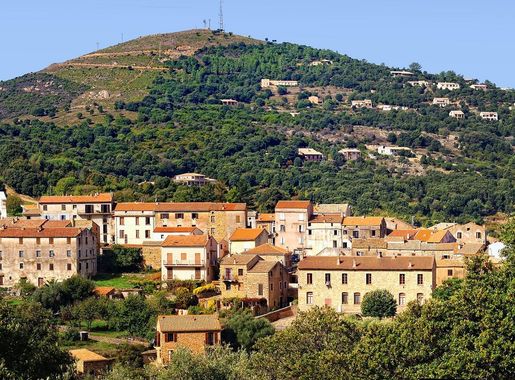
Nestled on the rugged west coast of Corsica, the Calanques of Piana offer a surreal experience for nature lovers. These red granite cliffs, carved by time and sea, rise dramatically from the deep blue waters of the Mediterranean. The interplay of light on the rock formations creates a stunning palette of colors, particularly during sunrise and sunset. Visitors can explore the Calanques by foot, car, or boat. Hiking trails provide breathtaking viewpoints, while a scenic drive through the winding coastal roads reveals panoramic vistas. Boat tours offer a unique perspective of the cliffs and the hidden coves below. Wildlife enthusiasts will also find the area teeming with diverse flora and fauna, making it a paradise for photographers and nature observers. The nearby village of Piana adds to the charm with its quaint streets, welcoming locals, and mouth-watering Corsican cuisine. Whether you're seeking adventure, tranquility, or simply a connection with nature, the Calanques of Piana promise an unforgettable experience.