Tsurugaoka Hachimangu, Bungo Travel Guide
Explore Kamakura's most important Shinto shrine, a center of samurai history and culture, with iconic architecture and seasonal beauty.
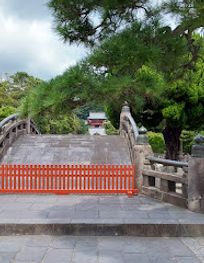
Tsurugaoka Hachimangu is Kamakura's most important Shinto shrine, founded in 1063 and expanded in 1180 by Minamoto Yoritomo. Dedicated to Hachiman, the patron god of samurai, it embodies Kamakura's cultural and spiritual significance. The shrine features a long approach, iconic torii gates, symbolic ponds, and a main hall with a museum.
A brief summary to Tsurugaoka Hachimangu
- 2 Chome-1-31 Yukinoshita, Kamakura, 2 Chome Yukinoshita, Kanagawa, 248-8588, JP
- Click to display
- Click to display
- Monday 6 am-8 pm
- Tuesday 6 am-8 pm
- Wednesday 6 am-8 pm
- Thursday 6 am-8 pm
- Friday 6 am-8 pm
- Saturday 6 am-8 pm
- Sunday 6 am-8 pm

Know before you go
Hi, I'm Eve. Here are a few practical things to know before exploring Tsurugaoka Hachimangu.
- Take time to appreciate the approach via Wakamiya Oji, noting the torii gates and symbolic ponds.
- Visit the museum to view historical artifacts, including swords, masks, and documents related to the Kamakura period.
- Climb the main staircase to the upper shrine for panoramic views of Kamakura.
- Explore the sub-shrines and gardens within the complex, such as Wakamiya Shrine and the peony garden.
- Consider timing your visit to coincide with major festivals like Yabusame for a more dynamic experience.
Do you manage this location?
Take control to get all the benefits, like improved information, better appearance, and stronger visibility across AI-powered discovery. Learn more about listing your business on Evendo
Activate your presenceOther nearby places you may find interesting
The closest places of the same kind, if this one is not quite what you had in mind.


Explore Tsurugaoka Hachimangu on the Map
A handpicked selection of must-see spots near Tsurugaoka Hachimangu, mapped for you.
Unlock the Best of Tsurugaoka Hachimangu
Buy tickets
-
No tickets available
Book tours with entry


Getting There
-
Walking
From JR Kamakura Station (East Exit), Tsurugaoka Hachimangu is a 10-15 minute walk. You can reach the shrine by walking along the main street, Wakamiya Oji, either via the Komachi-dori shopping street or the Dankazura pedestrian path. Both routes lead directly to the shrine's entrance. No costs are involved.
-
Public Transport
From Tokyo, take the JR Yokosuka Line to Kamakura Station (about 1 hour, 950 yen). From Kamakura Station, follow the walking directions above. There are no additional public transport costs for the final approach.
-
Driving
If driving, Tsurugaoka Hachimangu has a parking lot. Parking costs 600 yen for the first hour and 300 yen for each additional 30 minutes. Note that parking is limited and can be crowded, especially on weekends and holidays. Reservations for regular vehicles are not accepted. Times Kamakura Yukinoshita is another parking option near the shrine. Consider using public transportation due to limited parking.
Discover more about Tsurugaoka Hachimangu













Your all‑in‑one travel companion app
Explore expert travel guides, compare and book tours, experiences, hotels, and more—all from the palm of your hand. Download now for seamless trip planning wherever your wanderlust takes you.


Explore More of Bungo
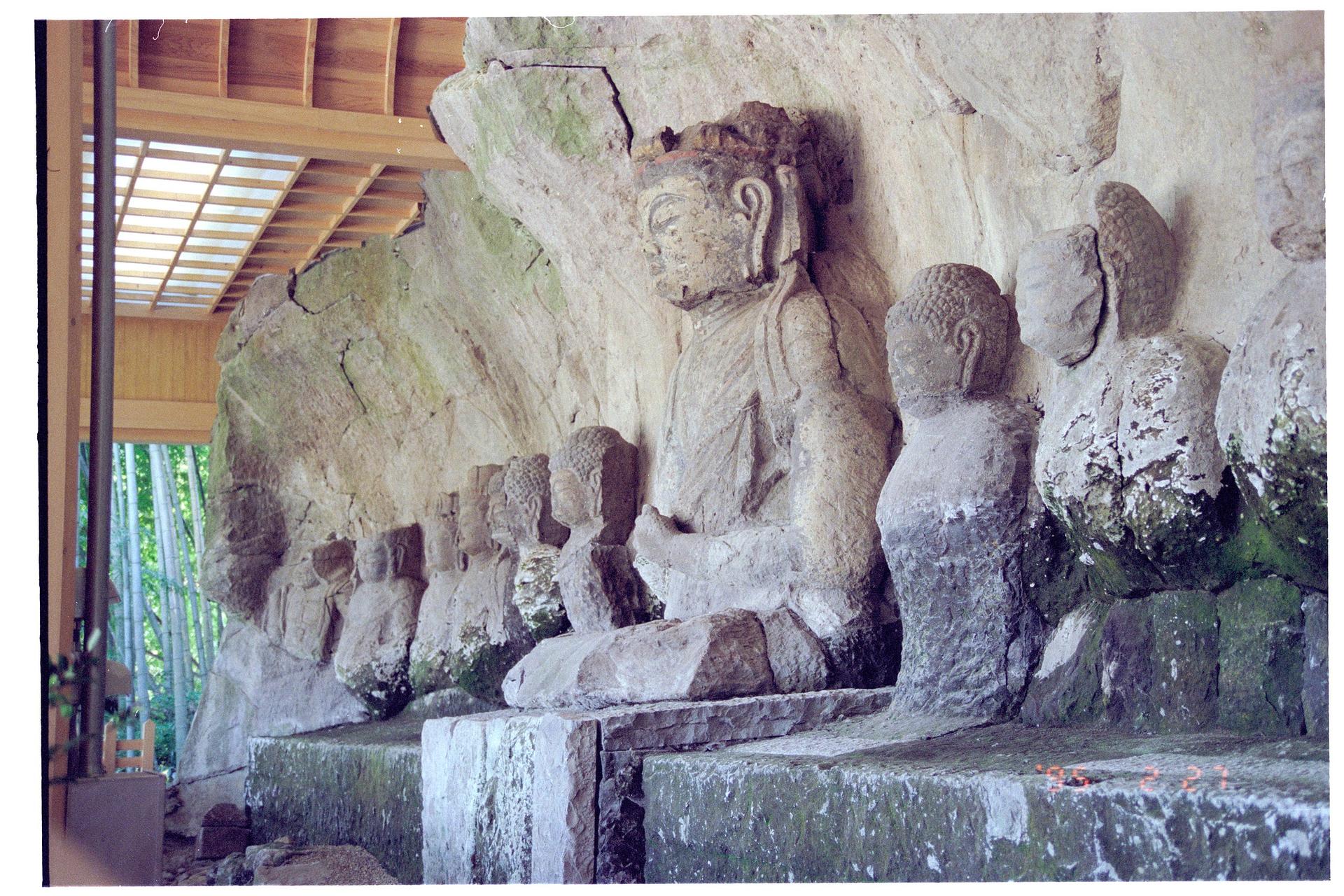
Looking beyond Tsurugaoka Hachimangu? Discover Bungo for broader travel guides, local hot-spots, and regional highlights.
Explore Bungo