
博多塀: A Living Testament to Hakata's Resilience
Discover Hakata-bei: Earthen walls born from war rubble, embodying Hakata's history, resilience, and unique resourcefulness.
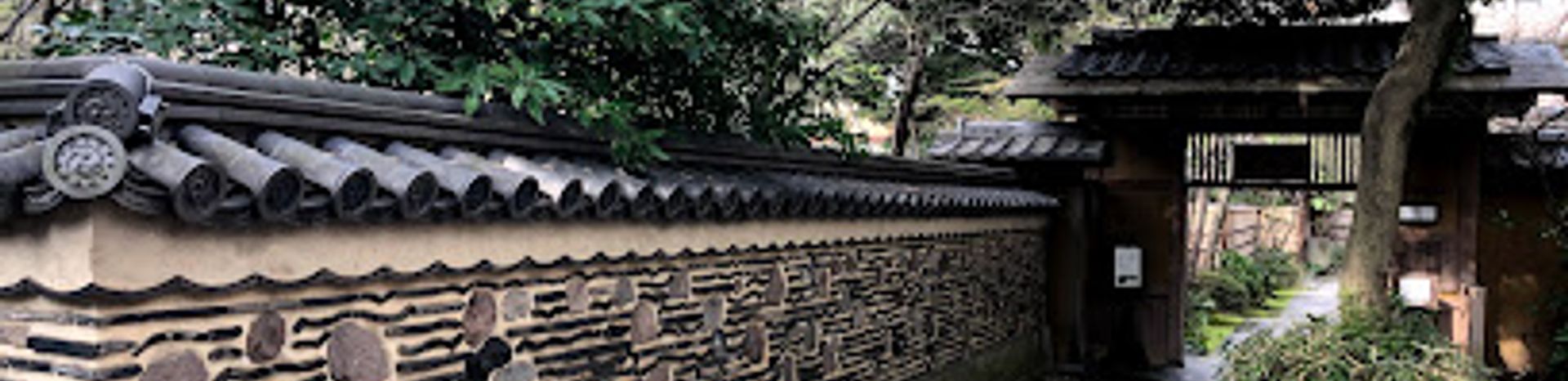
The Hakata-bei is more than just a wall; it's a symbol of Hakata's enduring spirit. These distinctive earthen walls are crafted from a mixture of clay, stones, and recycled materials, primarily remnants of destroyed buildings from centuries past. The walls stand as a reminder of the city's turbulent history, particularly the devastation caused by war during the Sengoku period. During the reconstruction efforts led by Toyotomi Hideyoshi in the late 16th century, the resourceful residents of Hakata ingeniously repurposed the rubble left behind by conflict. They gathered scorched stones, broken roof tiles, and other debris, embedding them within the clay to construct these sturdy and unique walls. What began as a practical solution to material scarcity evolved into a distinctive architectural feature, reflecting both necessity and the aesthetic sensibilities of the Hakata people. Today, Hakata-bei can be seen in various locations throughout the city, including the grounds of temples, shrines, and traditional gardens like Rakusuien. Each wall tells a story, with the embedded fragments offering glimpses into the past. The Hakata-bei serves as a tangible link to Hakata's history, embodying the resilience, resourcefulness, and artistic spirit of its people.
Local tips
- Rakusuien Garden offers an excellent opportunity to view well-preserved and restored Hakata-bei.
- Look closely at the walls to spot different types of stones and tiles, each with its own story to tell.
- Consider visiting other sites like Kushida Shrine, where sections of Hakata-bei have been preserved or reconstructed.

A brief summary to 博多塀
- 2 Chome-10-7 Sumiyoshi, Fukuoka, 2 Chome Sumiyoshi, Hakata Ward, Fukuoka, 812-0018, JP
- +8192-262-6665
Getting There
-
Walking
From Hakata Station, walk north along Taihaku Street. Turn left onto Daitoku Street and continue straight. The Hakata-bei will be on your right, approximately a 15-minute walk. There are no costs involved.
-
Public Transport
Take the bus from Hakata Station Bus Terminal (Platform F) to the Sumiyoshi bus stop. From there, walk east for about 3 minutes. The fare is approximately ¥190.
-
Taxi
A taxi from Hakata Station will cost approximately ¥800 - ¥1000 and take around 5-10 minutes, depending on traffic conditions.


