

Tsubo-yu, Kinki Kansai Travel Guide
Experience Japan's oldest and the world's only UNESCO-listed hot spring in a quaint mountain village along the Kumano Kodo pilgrimage route.
Tsubo-yu in Yunomine Onsen is a tiny, rustic bathhouse holding the distinction of being the only UNESCO World Heritage-listed hot spring in the world. This simple stone and wood cabin, situated along a creek, offers an intimate and legendary onsen experience dating back 1,800 years.
A brief summary to Tsubo-yu
- Hongucho Yunomine, Tanabe, Hongucho Yunomine, Wakayama, 647-1732, JP
- Click to display
- Click to display
- Monday 6 am-9 pm
- Tuesday 6 am-9 pm
- Wednesday 6 am-9 pm
- Thursday 6 am-9 pm
- Friday 6 am-9 pm
- Saturday 6 am-9 pm
- Sunday 6 am-9 pm

Know before you go
Hi, I'm Eve. Here are a few practical things to know before exploring Tsubo-yu.
- Bring coins for the local bus, as change may not be available.
- Purchase eggs at a local shop to boil in the hot spring waters at Yuzutsu, near the riverbank.
- An entry ticket to Tsubo-yu also grants access to the Kusuri Medicine Bath and the Public Bath.
Do you manage this location?
Take control to get all the benefits, like improved information, better appearance, and stronger visibility across AI-powered discovery. Learn more about listing your business on Evendo
Activate your presenceOther nearby places you may find interesting
The closest places of the same kind, if this one is not quite what you had in mind.
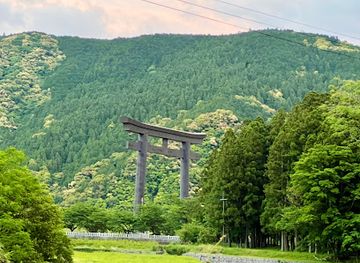
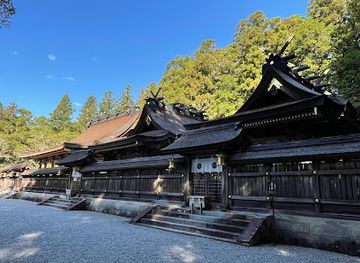
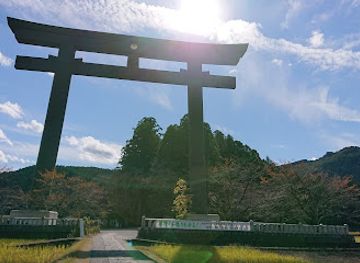
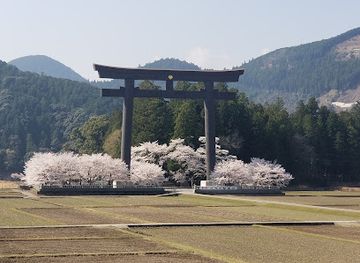
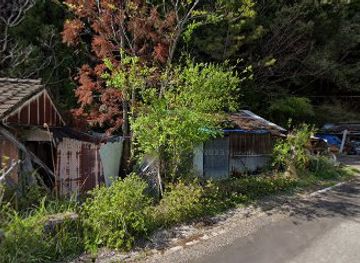
Explore Tsubo-yu on the Map
A handpicked selection of must-see spots near Tsubo-yu, mapped for you.
Getting There
-
Walking
From anywhere in Yunomine Onsen, Tsubo-yu is easily accessible on foot. Follow the main path through the village towards the Yunotani River. The small wooden structure housing Tsubo-yu is located directly next to the river, near the Yunomine Onsen Public Bath.
-
Public Transport
Arriving by bus at Yunomine Onsen bus stop, walk towards the center of the village. Follow signs for Tsubo-yu or the Yunomine Onsen Public Bath. Tsubo-yu is a short walk from the bus stop, located next to the river. Ryujin Jidosha bus operates in the area. From Kumano Hongu Taisha, the bus to Yunomine Onsen costs ¥330-¥550.
Discover more about Tsubo-yu













Your all‑in‑one travel companion app
Explore expert travel guides, compare and book tours, experiences, hotels, and more—all from the palm of your hand. Download now for seamless trip planning wherever your wanderlust takes you.


Explore More of Kinki Kansai
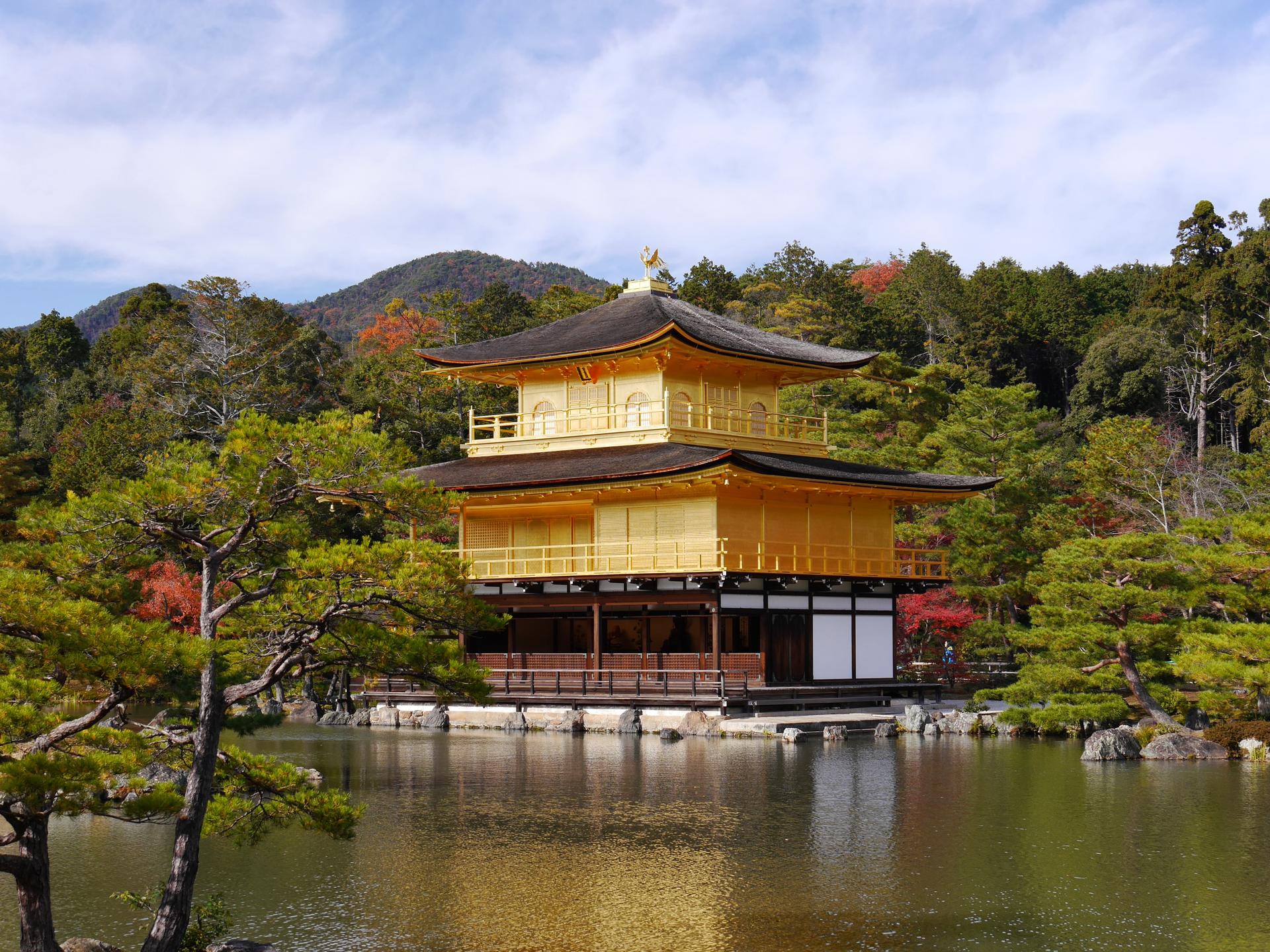
Looking beyond Tsubo-yu? Discover Kinki Kansai for broader travel guides, local hot-spots, and regional highlights.
Explore Kinki Kansai
Explore the ancient Kumano Kodo pilgrimage trails: history, maps, and expert guidance at the Kumano Kodo Information Center in Tanabe, Wakayama.
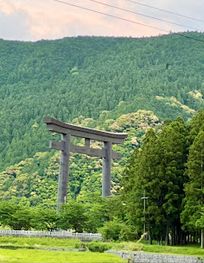
Discover Oyunohara, the former sacred grounds of Kumano Hongu Taisha, and witness Japan's largest Torii gate, a symbol of spiritual heritage.
