

Awaji Provincial Temple Travel Guide
Free Guide: Discover ancient Buddhist heritage at Awaji Provincial Temple, a serene escape with historical foundations dating back to the 8th century.


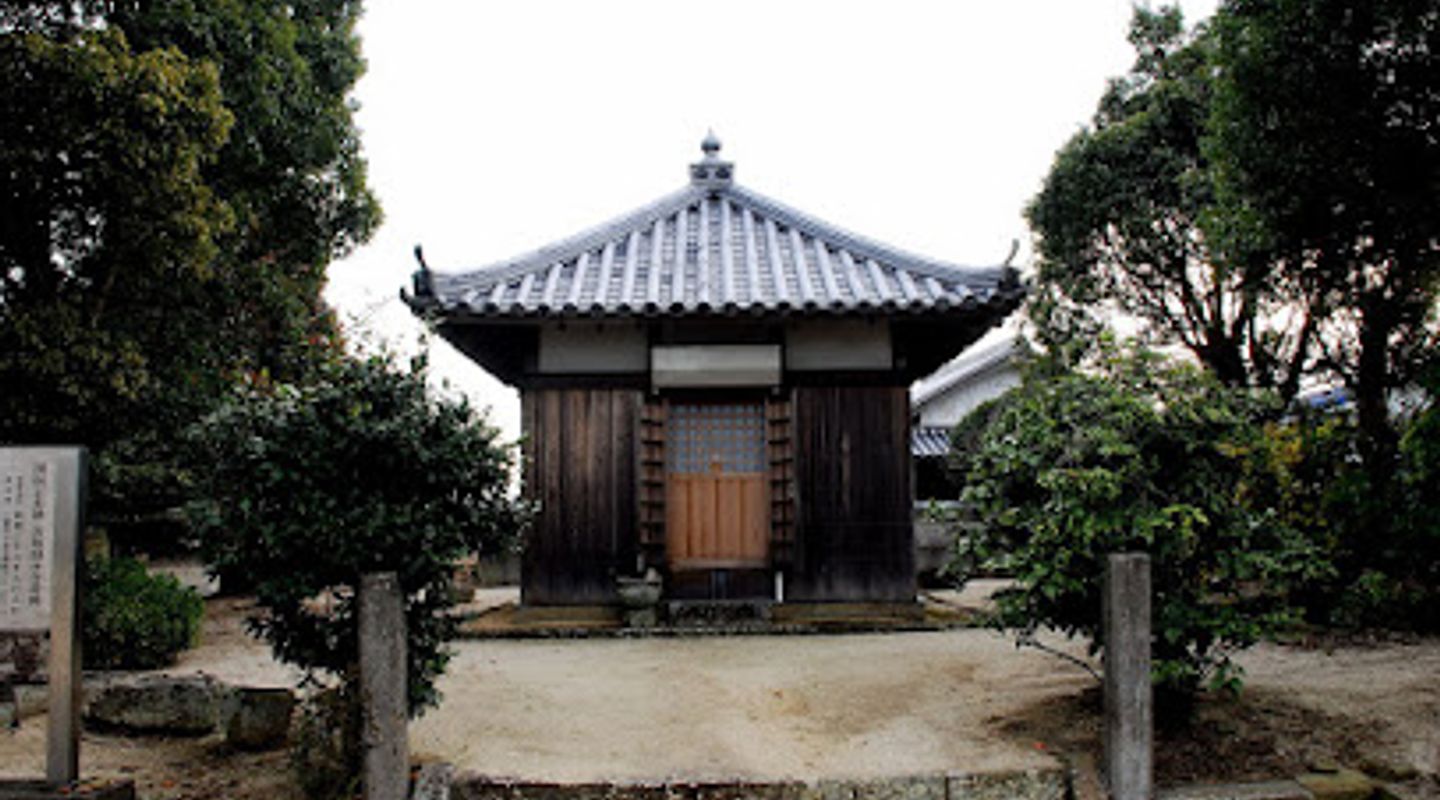
A brief summary of Awaji Provincial Temple
Discover ancient Buddhist heritage at Awaji Provincial Temple, a serene escape with historical foundations dating back to the 8th century.
Awaji Provincial Temple, or Awaji Kokubun-ji, is a Ritsu-sect Buddhist temple in Minamiawaji, Hyogo, Japan, with foundation stones dating back to 740 AD. As the successor to a temple established by Emperor Shōmu during the Nara period, it offers a serene glimpse into Japan's ancient past.
Opening hours
- Every day9 am–5 pm
Opening hours as listed on the venue’s Google Business Profile. Hours can change for services and special events, so check with the venue before you go.
- Address
- 331 Yagikokubu, Minamiawaji, Hyogo 656-0434
- Phone
- Website
Getting there
Public Transport
Taxi
Discover more about Awaji Provincial Temple
Overview
Awaji Provincial Temple, known locally as Awaji Kokubun-ji, stands as a testament to the enduring legacy of Buddhism on Awaji Island. Founded in 741 AD by Emperor Shōmu amidst a period of recovery from a smallpox epidemic, this temple was one of many established across Japan to spread Buddhist teachings and reinforce the power of the Nara government.Located on a river terrace along the Mihara River, the temple's history is etched in its very foundations. Visitors can still witness the foundation stones of the original pagoda, offering a tangible connection to the temple's origins in the 8th century. While the original statues from the Kokubunji no longer exist, the temple's main object of worship is an impressive Buddha carved in the 14th century.Throughout its history, Awaji Kokubun-ji has experienced periods of decline and revival. Although it briefly vanished during the Muromachi period, it was revived around 1525, only to be destroyed again by war. In 1666, it was revived again as a subsidiary of Toshodai-ji in Nara. Today, Awaji Kokubun-ji continues to function as a temple, welcoming visitors to explore its grounds and connect with its rich history.
Evendo Review Centre
 Google
Guest reviews
Explore Awaji Provincial Temple on the map
A handpicked selection of must-see spots near Awaji Provincial Temple, mapped for you.
Get your free copy of our complete guide to Awaji Provincial Temple, delivered straight to you.
Everything on this page, from opening hours and how to get there to Eve’s tips and the best time to go, in one PDF you can read offline, print or share.
Already have an account? Sign in
Your Awaji Provincial Temple guide is ready.
We'll send it to · Not you? Sign out

Getting your guide ready…
We are putting together a fresh copy of the Awaji Provincial Temple guide. This can take up to a minute.
This can take a few moments. If your browser asks, choose Allow so the download can start. You'll find the guide in your Downloads folder.
Nothing happened? Download it again
Sorry, the guide is taking longer than usual. Please try again in a minute, or get it by email instead.
Other nearby places you may find interesting
The closest places of the same kind, if this one is not quite what you had in mind.
-
-
-
-
-


Swipe for more places
More to explore near Awaji Provincial Temple
-
 Best experiences near Awaji Provincial Temple
-
 Best hotels near Awaji Provincial Temple
-
 Best landmarks near Awaji Provincial Temple
-
 Best attractions near Awaji Provincial Temple
-
 Best shops near Awaji Provincial Temple
-
 Best restaurants near Awaji Provincial Temple
-
 Best bars near Awaji Provincial Temple


Do you manage this location?
Take control to get all the benefits, like improved information, better appearance, and stronger visibility across AI-powered discovery.
Explore more
Explore more of Sanuki
Discover Sanuki, Japan's hidden gem known for its rich history, stunning landscapes, and world-famous udon noodles. A perfect blend of tradition and tranquility awaits.
Explore Sanuki
Explore more of Japan
Discover the harmony of tradition and modernity in Japan, where ancient temples and cutting-edge technology coexist in perfect balance.
Explore Japan
