
Myozenji Museum: A Glimpse into Shirakawa-go's Past
Explore traditional life and architecture at Myozenji Museum in Shirakawa-go, a window into the region's rich cultural heritage and history.
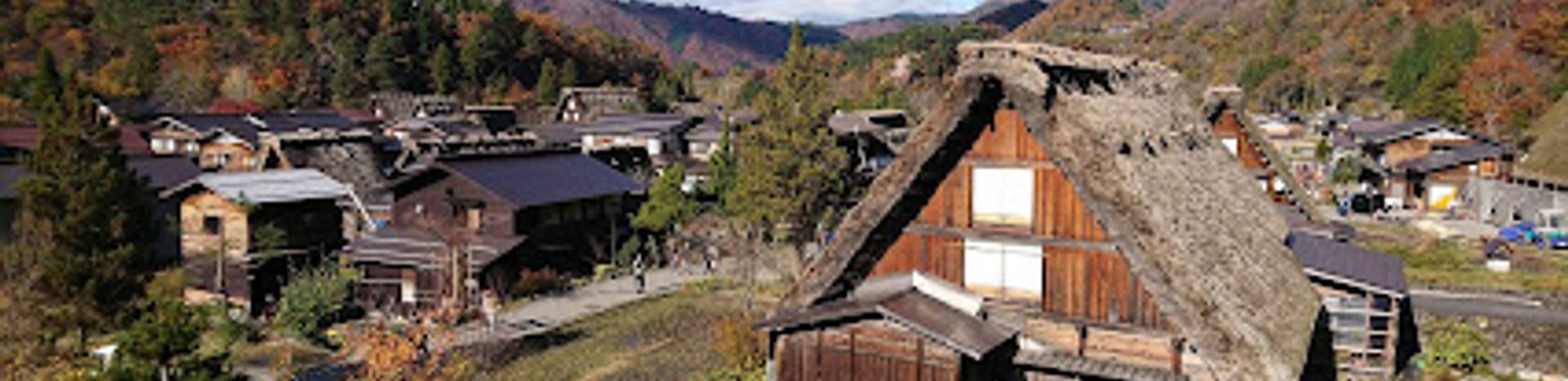
The Myozenji Museum, housed in a former monk's residence, offers a captivating look into the traditional life and cultural heritage of Shirakawa-go. Explore the unique gassho-style architecture and discover artifacts showcasing the region's history, agricultural practices, and time-honored customs.
A brief summary to Myozenji Museum
- 679 Ogimachi, Shirakawa, Ogimachi, Ono District, Gifu, 501-5627, JP
- +815769-6-1009
- Visit website
- Monday 9 am-5 pm
- Tuesday 9 am-5 pm
- Wednesday 9 am-5 pm
- Thursday 9 am-5 pm
- Friday 9 am-5 pm
- Saturday 9 am-5 pm
- Sunday 9 am-5 pm
Local tips
- Visit early in the day to avoid crowds and have a more intimate experience of the museum and temple grounds.
- Take your time to explore the intricate details of the gassho-style architecture, both inside the museum and on the surrounding temple buildings.
- Don't miss the opportunity to see the main hall of Myozenji Temple, with its unique thatched roof and beautiful interior.
- Check out the yew tree planted in 1827, a designated Natural Monument of Gifu Prefecture.

Getting There
-
Walking
Myozenji Museum is located in the Ogimachi village, a short walk from most points within the village. From the Shirakawa-go Bus Terminal, it's approximately a 10-minute walk. As you walk through the village, follow the signs directing you towards Myozenji Temple. The museum is located next to the temple's main hall. Be aware that the village has limited trash cans, so carry any waste with you.
-
Public Transport
If arriving by bus from Takayama, Kanazawa, or Nagoya, disembark at the Shirakawa-go Bus Terminal. From there, follow the walking directions to Myozenji Museum (approximately 10 minutes). The bus from Nagoya costs ¥3600-4700. The bus from Kanazawa costs around ¥2,600. The bus from Takayama costs ¥2,470. Luggage storage is available at the bus terminal.
-
Driving
If driving, follow the signs to Shirakawa-go. Park at the Seseragi Park Parking Lot, the main parking area for visitors. From the parking lot, cross the Deai pedestrian suspension bridge to enter the village. Myozenji Museum is a short walk from the bridge. Parking at Seseragi Park Parking Lot costs ¥1,000 per entry. Be aware that parking can be limited during peak seasons. As of October 2025, parking rates are expected to increase to ¥2,000.


