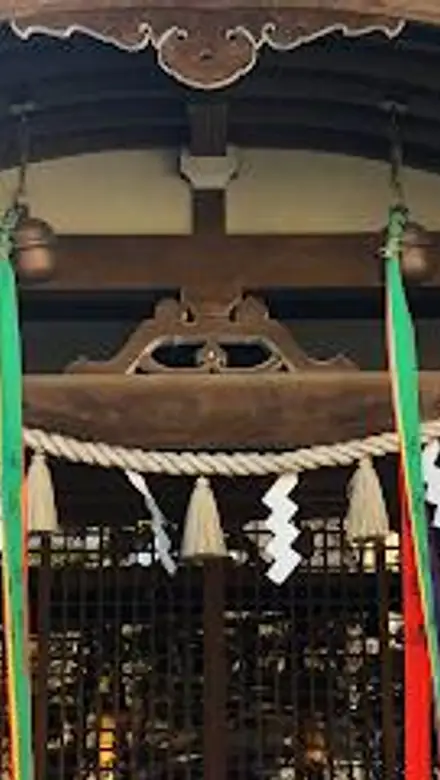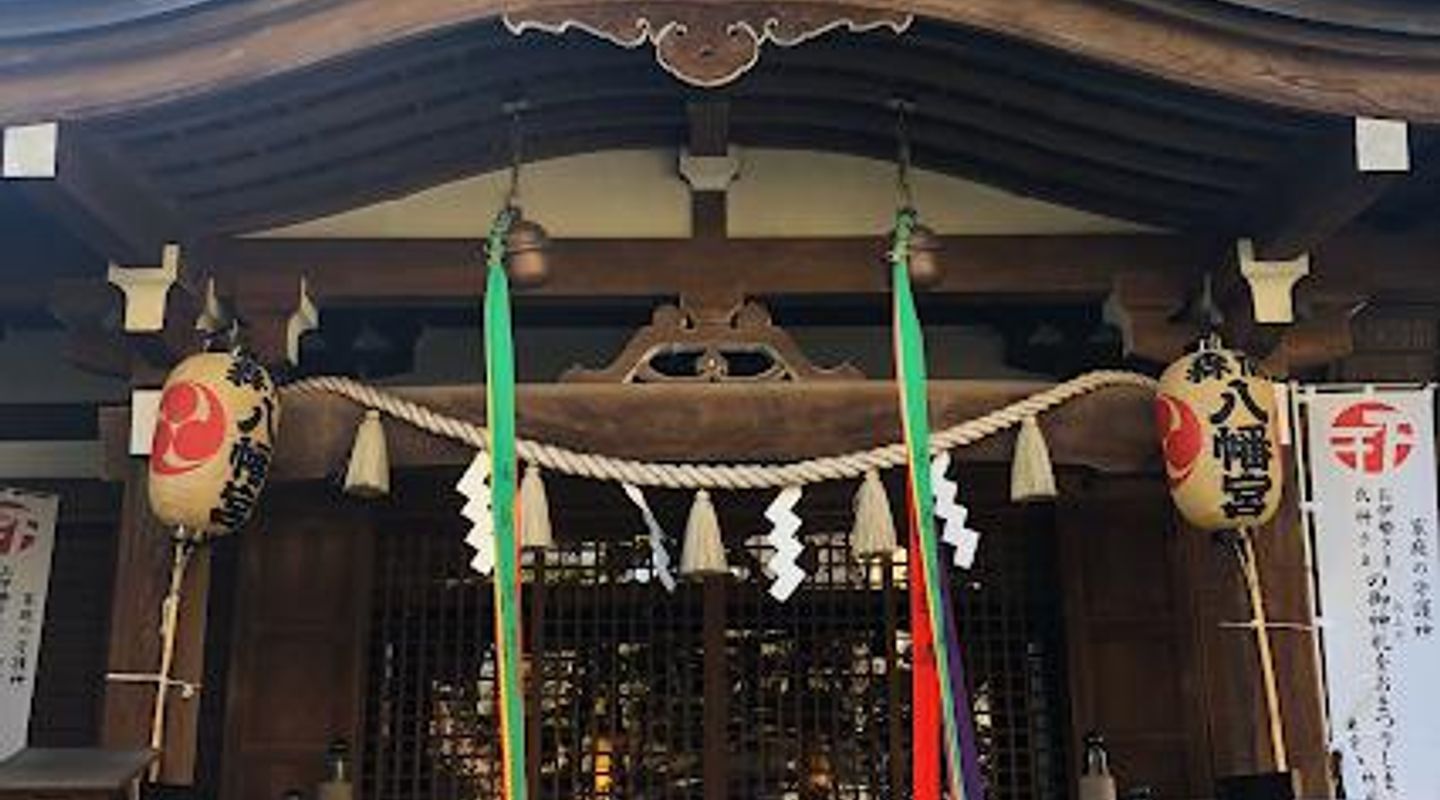
Hatonomori Hachiman Shrine, Tokyo Travel Guide
Discover tranquility at Hatonomori Hachiman Shrine in Shibuya, Tokyo, featuring a miniature Mt. Fuji, Shogi Hall, and serene gardens.
Hatonomori Hachiman Shrine, with origins dating back to 860 AD, offers a serene escape in the heart of Shibuya, Tokyo. Known for its historical significance and unique attractions like the Sendagaya Fujizuka (a miniature Mount Fuji) and the Shogi Hall, it provides a peaceful retreat for locals and tourists alike.
A brief summary to Hatonomori Hachiman Shrine
- 1 Chome-1-24 Sendagaya, Shibuya, 1 Chome Sendagaya, Tokyo, 151-0051, JP
- Click to display
- Click to display
- Monday 9 am-5 pm
- Tuesday 9 am-5 pm
- Wednesday 9 am-5 pm
- Thursday 9 am-5 pm
- Friday 9 am-5 pm
- Saturday 9 am-5 pm
- Sunday 9 am-5 pm

Know before you go
Hi, I'm Eve. Here are a few practical things to know before exploring Hatonomori Hachiman Shrine.
- Wear comfortable shoes if you plan to climb the Sendagaya Fujizuka.
- Visit the shrine between 9:00 AM and 5:00 PM to receive a goshuin (shrine seal) and explore sacred items.
- Look for dove-themed souvenirs, reflecting the shrine's name and history.
- Check the shrine's official website for information on Noh performances.
- Explore the Koga Inari Shrine and the sacred ginkgo tree for a deeper appreciation of the shrine's history.
Do you manage this location?
Take control to get all the benefits, like improved information, better appearance, and stronger visibility across AI-powered discovery. Learn more about listing your business on Evendo
Activate your presenceOther nearby places you may find interesting
The closest places of the same kind, if this one is not quite what you had in mind.
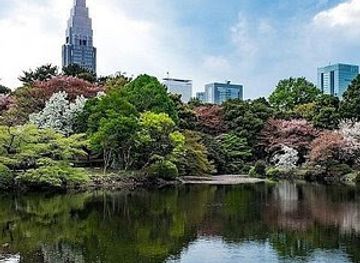
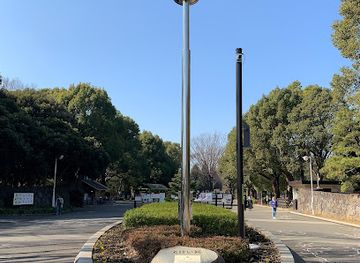

Explore Hatonomori Hachiman Shrine on the Map
A handpicked selection of must-see spots near Hatonomori Hachiman Shrine, mapped for you.
Getting There
-
Public Transport
Hatonomori Hachiman Shrine is conveniently accessible via public transport. From Sendagaya Station (JR Sobu Line), it's a 5-minute walk. Alternatively, you can walk 4 minutes from Kokuritsu-kyogijo Station (Toei Oedo Line Exit A4) or 5 minutes from Kita-sando Station (Tokyo Metro Fukutoshin Line Exit 2). A single fare on the JR Sobu Line is typically around ¥140-200, while Tokyo Metro and Toei lines range from ¥170-320 depending on the distance.
-
Walking
If you are in the Sendagaya area or near the Japan National Stadium, walking to Hatonomori Hachiman Shrine is a pleasant option. From Yoyogi Station, it's approximately a 10-minute walk. Use an online map for easy navigation. As a reference point, the shrine is located near the headquarters of the Japan Shogi Federation.
-
Taxi
Taxis are readily available in Tokyo. A short taxi ride from Sendagaya Station or the National Stadium to Hatonomori Hachiman Shrine will typically cost between ¥730 to ¥900, plus a potential late-night surcharge.
Discover more about Hatonomori Hachiman Shrine
More to explore near Hatonomori Hachiman Shrine













Your all‑in‑one travel companion app
Explore expert travel guides, compare and book tours, experiences, hotels, and more—all from the palm of your hand. Download now for seamless trip planning wherever your wanderlust takes you.


Explore More of Tokyo
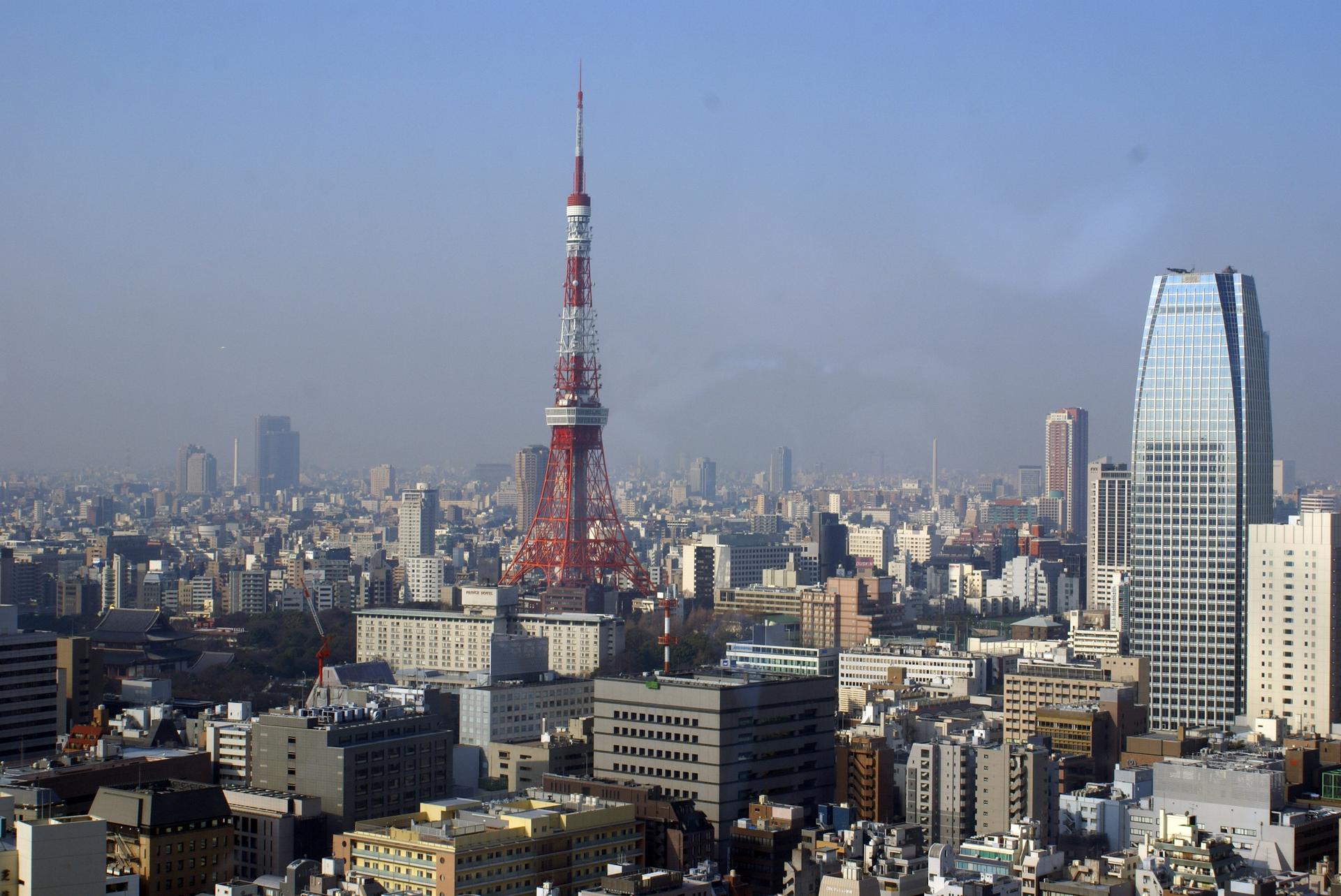
Looking beyond Hatonomori Hachiman Shrine? Discover Tokyo for broader travel guides, local hot-spots, and regional highlights.
Explore Tokyo
Experience the charm of hedgehogs in Tokyo's Harajuku at this unique animal cafe and pet store.
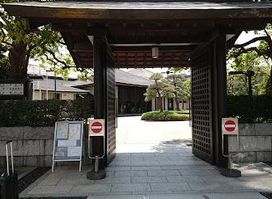
Experience the captivating beauty of Noh and the delightful humor of Kyogen at Tokyo's National Noh Theater, a stage for ancient Japanese traditions.