Oyama Afuri Shrine, Sagami Travel Guide
Discover a Shinto shrine on Mt. Oyama, revered for its history, views, and spiritual significance. Hike scenic trails and enjoy panoramic vistas.
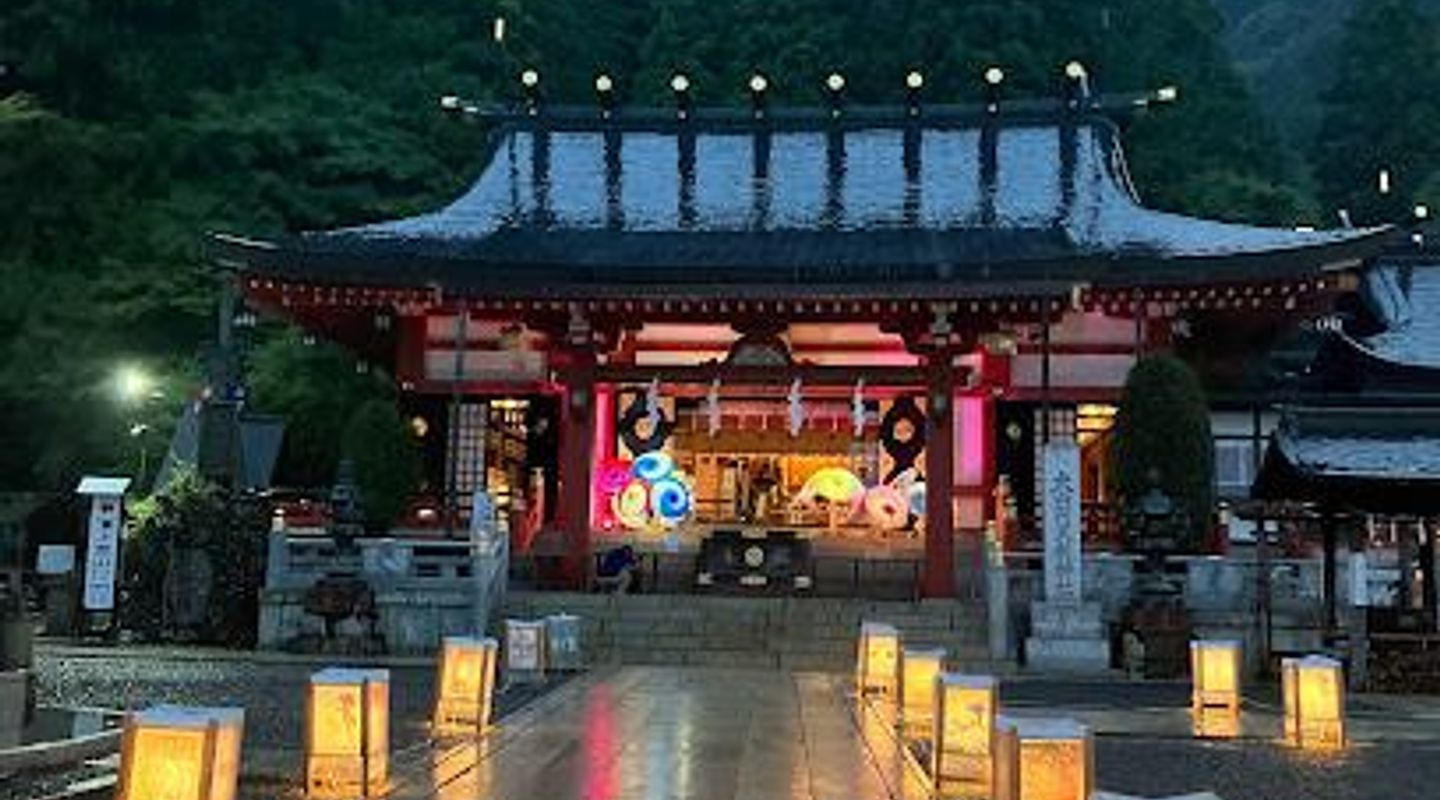
Oyama Afuri Shrine, perched on Mount Oyama in Kanagawa, is a Shinto shrine with over 2,200 years of history. Known as a place to pray for rain and bountiful harvests, it offers stunning views and a serene escape. Pilgrims have flocked here for centuries, and the mountain's trails and temples provide a rewarding experience for hikers and sightseers alike.
A brief summary to Oyama Afuri Shrine
- 355 Oyama, Isehara, Oyama, Kanagawa, 259-1107, JP
- Click to display
- Click to display
- Monday 9 am-4:30 pm
- Tuesday 9 am-4:30 pm
- Wednesday 9 am-4:30 pm
- Thursday 9 am-4:30 pm
- Friday 9 am-4:30 pm
- Saturday 9 am-5 pm
- Sunday 9 am-5 pm

Know before you go
Hi, I'm Eve. Here are a few practical things to know before exploring Oyama Afuri Shrine.
- Wear comfortable shoes for walking and hiking, as the approach to the shrine involves stairs and potentially steep trails.
- Check the Oyama Cable Car schedule in advance, especially during peak seasons, to avoid long waits.
- Try the local tofu cuisine, a specialty of the Oyama region, at one of the many restaurants along Koma-sando.
- Consider purchasing the Tanzawa-Oyama Freepass for cost-effective travel if you plan to explore other areas in the Tanzawa-Oyama Quasi-National Park.
- Bring appropriate hiking gear if you plan to hike to the main shrine at the summit, as the trail can be rocky and challenging.
Do you manage this location?
Take control to get all the benefits, like improved information, better appearance, and stronger visibility across AI-powered discovery. Learn more about listing your business on Evendo
Activate your presenceOther nearby places you may find interesting
The closest places of the same kind, if this one is not quite what you had in mind.
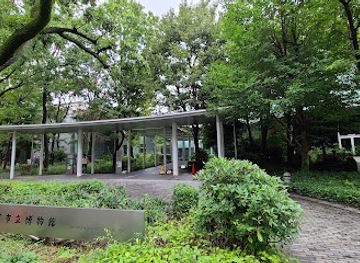
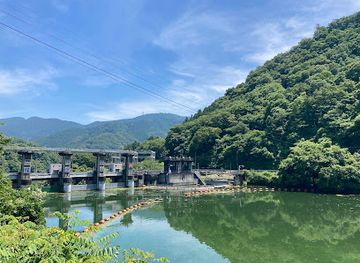

Explore Oyama Afuri Shrine on the Map
A handpicked selection of must-see spots near Oyama Afuri Shrine, mapped for you.
Unlock the Best of Oyama Afuri Shrine
Buy tickets
-
No tickets available
Book tours with entry


Book tours without entry

Getting There
-
Public Transport
From Isehara Station on the Odakyu Odawara Line, take a bus bound for 'Oyama Cable'. The bus ride takes approximately 25 minutes. Get off at the 'Oyama Cable' bus stop. From there, walk for about 15 minutes along Koma-sando to the Oyama Cable Car station. A one-way bus fare is approximately ¥320. Take the Oyama Cable Car to Afuri Jinja Station. A one-way cable car ticket costs ¥640 for adults. Round trip is ¥1,120. Alternatively, you can hike from the base to the lower shrine. The hike takes about 35 minutes to an hour, with options for a steeper 'Men's Route' or a gentler 'Women's Route'.
-
Taxi
From Isehara Station, a taxi to the Oyama Cable Car station takes approximately 15-20 minutes, depending on traffic. The estimated fare is between ¥2,500 and ¥3,500. From the Oyama Cable Car station, follow the directions for Public Transportation, taking the cable car or hiking to the shrine.
-
Driving
From the Shin-Tomei Isehara-Oyama Interchange, follow the signs towards Mt. Oyama for about 15 minutes. Park in the municipal parking lot (Oyama Parking Lot No. 1) near the bus rotary at the foot of the mountain. Parking fees vary, but expect to pay around ¥500-¥800 per day. From the parking lot, walk 15 minutes to the Oyama Cable Car station, then take the cable car or hike to the shrine.
Discover more about Oyama Afuri Shrine













Your all‑in‑one travel companion app
Explore expert travel guides, compare and book tours, experiences, hotels, and more—all from the palm of your hand. Download now for seamless trip planning wherever your wanderlust takes you.


Explore More of Sagami

Looking beyond Oyama Afuri Shrine? Discover Sagami for broader travel guides, local hot-spots, and regional highlights.
Explore Sagami