Wat Mai Monastery, Phonsavan Travel Guide
Discover Wat Mai, Luang Prabang's largest temple, showcasing stunning architecture, rich history, and spiritual significance in the heart of Lao culture.
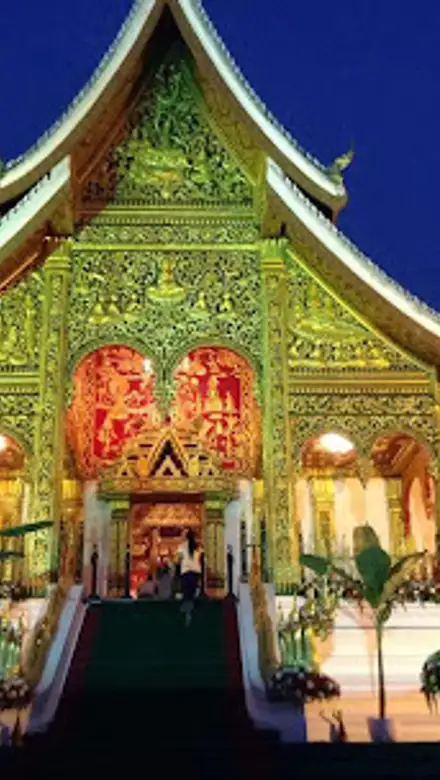
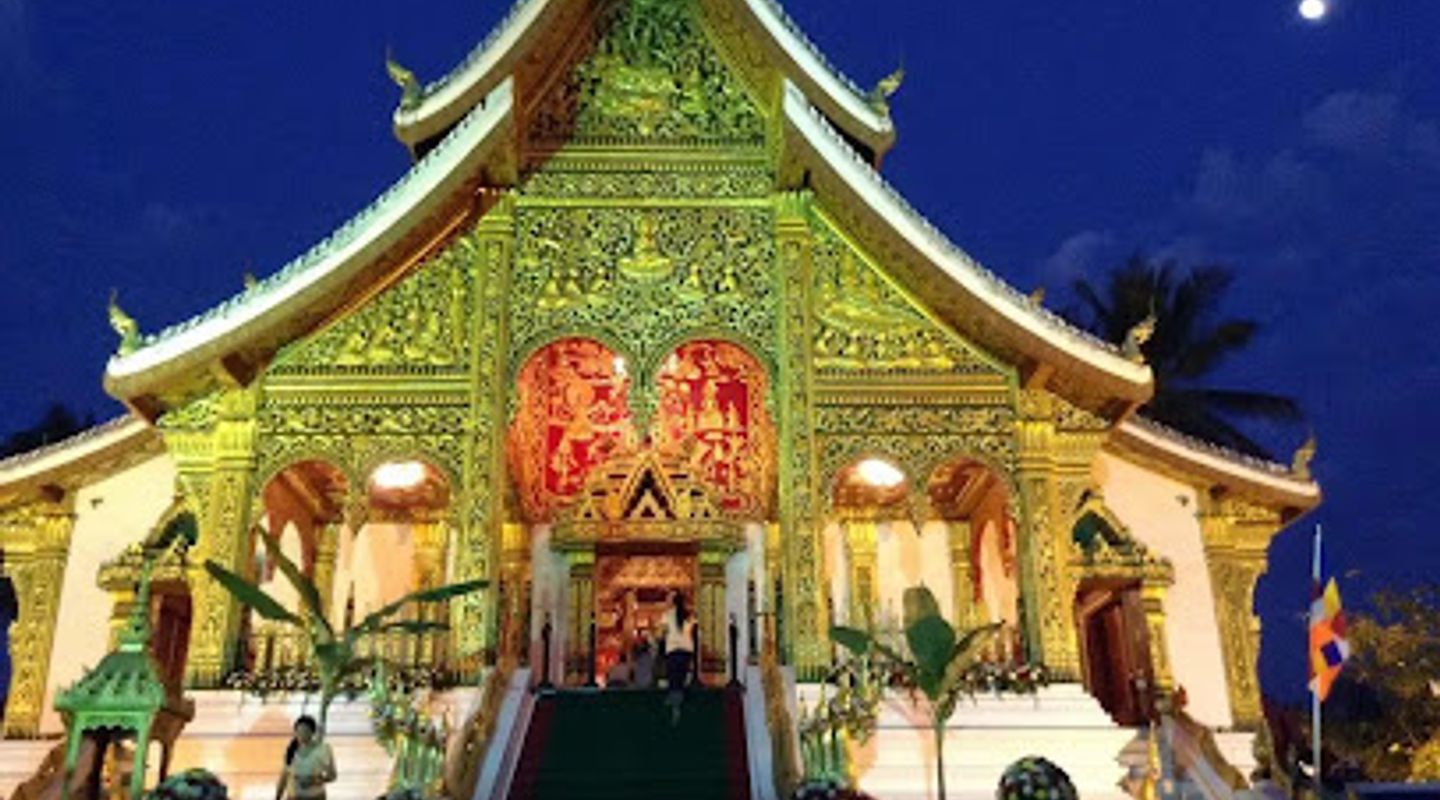
Wat Mai Suwannaphumaham, or Wat Mai, stands as one of Luang Prabang's largest and most stunning Buddhist temples. Built in 1796, its name, meaning 'New Monastery,' reflects its golden embellishments and rich heritage. The temple is renowned for its spiritual significance and architectural beauty, drawing visitors into the heart of Lao culture.
A brief summary to Wat Mai Monastery
- V4RM+6X9, Sisavangvong Road, Luang Prabang, LA

Know before you go
Hi, I'm Eve. Here are a few practical things to know before exploring Wat Mai Monastery.
- Dress respectfully when visiting; cover shoulders and knees.
- Visit during the dry season (November to April) for pleasant weather.
- Witness the Pi Mai festival in April to see the Phra Bang Buddha image displayed.
- Take your time to admire the intricate gilded stucco bas-reliefs on the sim's facade.
Do you manage this location?
Take control to get all the benefits, like improved information, better appearance, and stronger visibility across AI-powered discovery. Learn more about listing your business on Evendo
Activate your presenceOther nearby places you may find interesting
The closest places of the same kind, if this one is not quite what you had in mind.

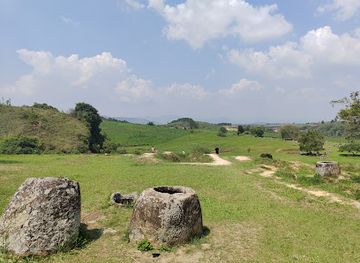
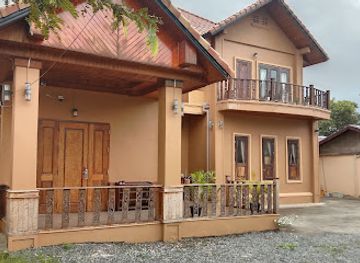
Explore Wat Mai Monastery on the Map
A handpicked selection of must-see spots near Wat Mai Monastery, mapped for you.
Unlock the Best of Wat Mai Monastery
Buy tickets
-
No tickets available
Book tours with entry

Book tours without entry
-
No tours available
Getting There
-
Walking
Wat Mai is centrally located on Sisavangvong Road, next to the Royal Palace Museum, making it easily accessible on foot from most central points in Luang Prabang. From the Royal Palace Museum, simply walk west along Sisavangvong Road; the temple is adjacent to the museum. No costs are associated with walking.
-
Tuk-Tuk
Tuk-tuks are readily available throughout Luang Prabang. A short tuk-tuk ride from anywhere in the city center to Wat Mai typically costs around 20,000 LAK. Negotiate the fare before starting your journey.
Discover more about Wat Mai Monastery













Your all‑in‑one travel companion app
Explore expert travel guides, compare and book tours, experiences, hotels, and more—all from the palm of your hand. Download now for seamless trip planning wherever your wanderlust takes you.


Explore More of Phonsavan
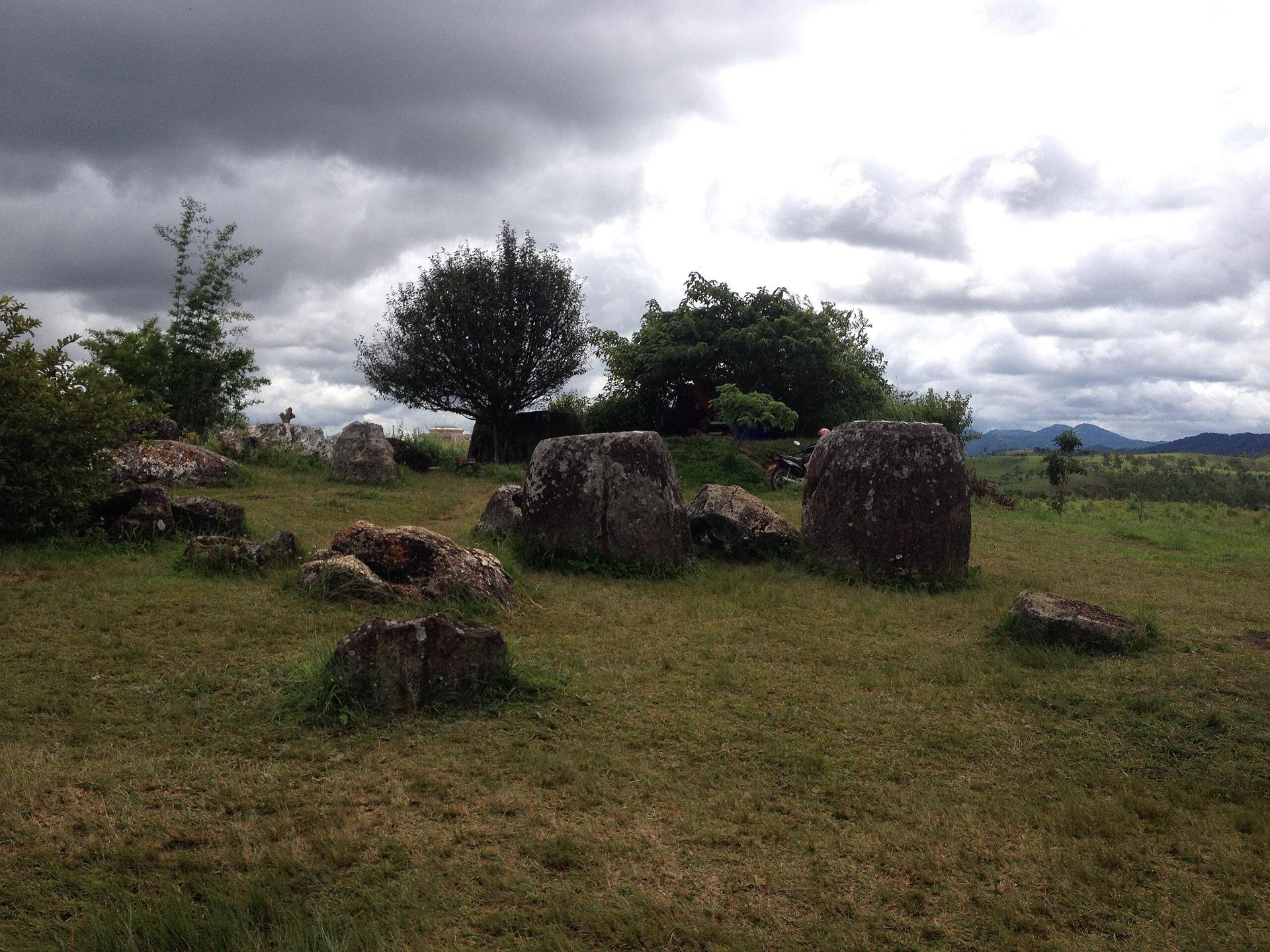
Looking beyond Wat Mai Monastery? Discover Phonsavan for broader travel guides, local hot-spots, and regional highlights.
Explore Phonsavan
Explore Laos' royal heritage at the National Museum of Luang Prabang, housed in the former Royal Palace, showcasing artifacts and cultural treasures.

Discover Wat Mai, Luang Prabang's 'New Temple': A royal sanctuary with gilded art, rich history, and spiritual significance.