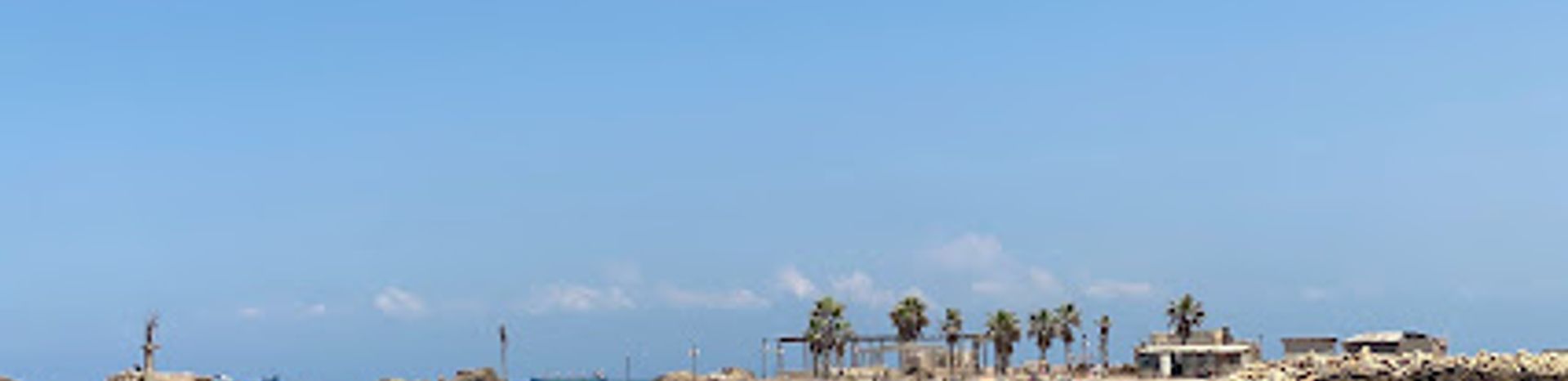
Palm Islands Nature Reserve: A Mediterranean Haven
Discover Lebanon's only true islands: a Mediterranean sanctuary for wildlife, history, and serene escapes off the coast of Tripoli.
The Palm Islands Nature Reserve, located off the coast of Tripoli, Lebanon, is a protected archipelago of three islands offering a unique blend of natural beauty and historical significance. It's a haven for endangered species and migratory birds, and a tranquil escape for visitors seeking pristine beaches and clear waters.
A brief summary to Palm Islands Nature Reserve
- FQVF+V7W, Tripoli, LB
- +96178985697
- Monday 7 am-6 pm
- Tuesday 7 am-6 pm
- Wednesday 7 am-6 pm
- Thursday 7 am-6 pm
- Friday 7 am-6 pm
- Saturday 7 am-6 pm
- Sunday 7 am-6 pm
Local tips
- Bring your own food, drinks, and sun protection, as there are no shops or restaurants on the islands.
- Visit during the summer months (July-September) when the reserve is open to the public without a permit.
- Obtain a permit from the Reserve Committee if you plan to visit outside the public season for educational, research, or official purposes.
- Respect the environment by staying on designated trails and taking all your trash with you.
- Check boat schedules in advance to avoid long waits, especially during peak season.

Getting There
-
Boat
The only way to reach the Palm Islands Nature Reserve is by boat from El Mina, the port city adjacent to Tripoli. Numerous local fishermen operate ferries to the islands, particularly during the summer season. A round-trip boat ride typically costs around 15,000 LBP per person, but prices may be negotiable. Ensure the boat operator is aware of the last boat schedule to avoid getting stranded.
Discover more about Palm Islands Nature Reserve
Iconic landmarks you can’t miss

Beit El Nessim
5.8 km
Discover the unique charm and comfort of Beit El Nessim, a welcoming hotel in Mina, perfect for an authentic Lebanese experience.

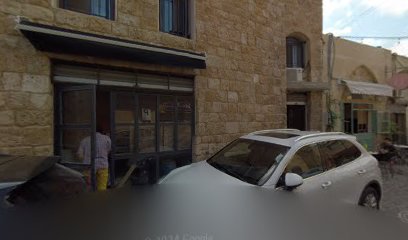
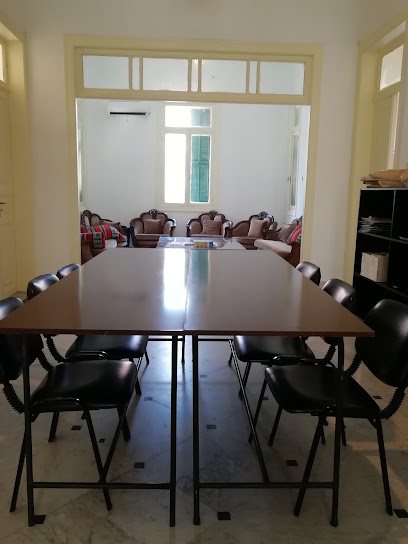
Levantine Institute (Tripoli - Mina)
5.9 km
Experience the heart of Lebanese culture at the Levantine Institute in Tripoli, a vibrant hub for education and cultural exchange.
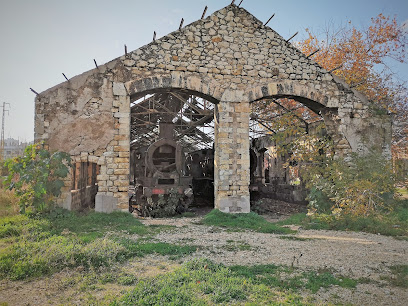
Historic Tripoli Railway Station
7.0 km
Explore the Historic Tripoli Railway Station, a stunning architectural gem reflecting Lebanon's rich history and cultural heritage.
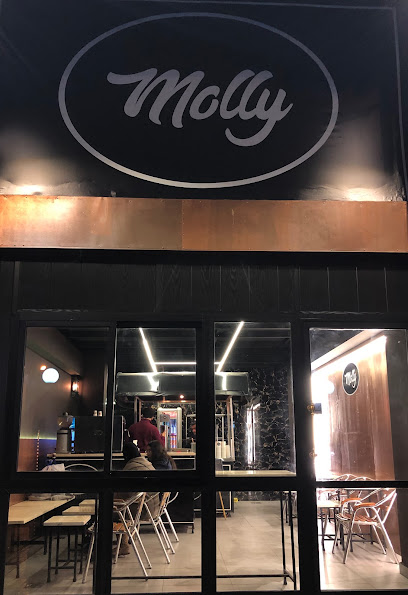
Molly Churros
7.5 km
Indulge in the finest churros in Tripoli at Molly Churros, where dessert dreams come true amidst cozy café vibes.
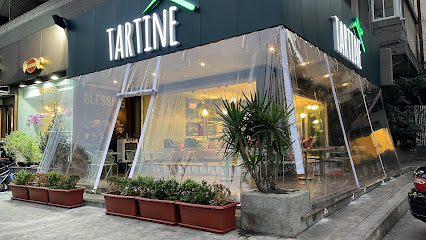
Maison Tartine
7.7 km
Experience the flavors of Tripoli at Maison Tartine, where coffee culture meets Lebanese hospitality in a cozy, inviting atmosphere.
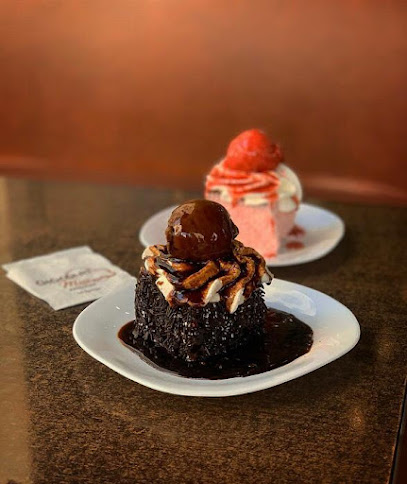
Chocolat Mou Kingdom
7.8 km
Discover the sweet side of Tripoli at Chocolat Mou Kingdom, where Lebanese dessert traditions meet delightful artisanal craftsmanship.
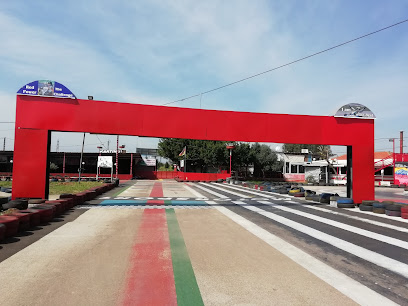
Red Power
8.1 km
Experience high-speed thrills at Red Power Karting in Tripoli, where excitement and friendly competition await in a state-of-the-art go-karting facility.
Sara Et Karim
8.2 km
Experience the best of Tripoli’s dessert scene at Sara Et Karim, where exquisite cakes and cozy ambiance create unforgettable memories.
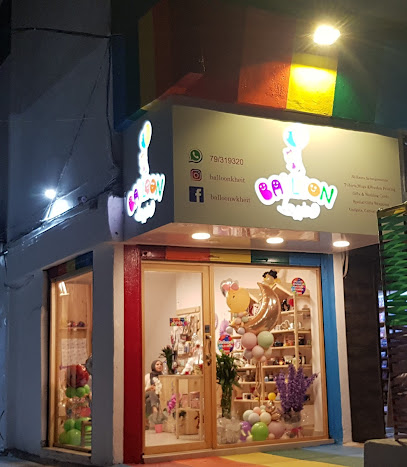
Balloon W Kheit بالون وخيط
8.2 km
Explore Balloon W Kheit in Tripoli for unique Lebanese souvenirs and handicrafts, a must-visit destination for cultural gifts and local artistry.
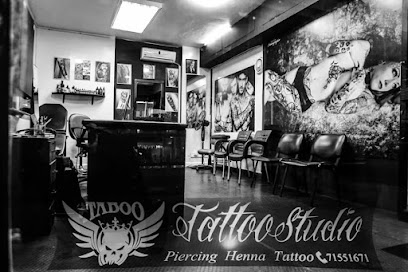
Taboo Tattoo Shop
8.2 km
Explore the vibrant artistry of Tripoli at Taboo Tattoo Shop, where personal stories are transformed into stunning tattoos.
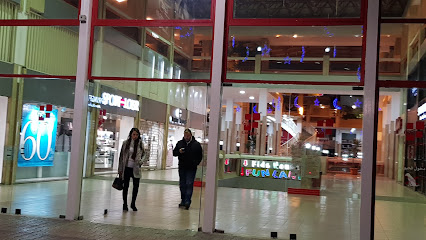
City Complex
8.2 km
Experience the vibrant shopping and cultural scene at City Complex in Tripoli, where local flavors and retail therapy come together.
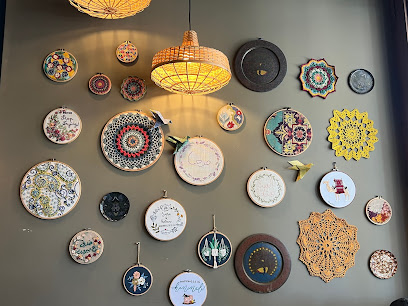
قصر الحلو Hallab 1881
8.5 km
Discover the rich heritage of Lebanese sweets at Hallab 1881, a bakery renowned for its delectable pastries and friendly ambiance in Tripoli.
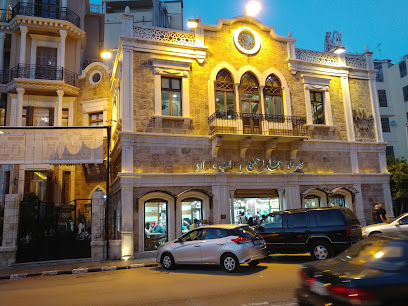
Una Pizza Tripoli
8.6 km
Discover the authentic taste of Italy at Una Pizza Tripoli, offering organic pizzas and fresh salads in a cozy atmosphere.
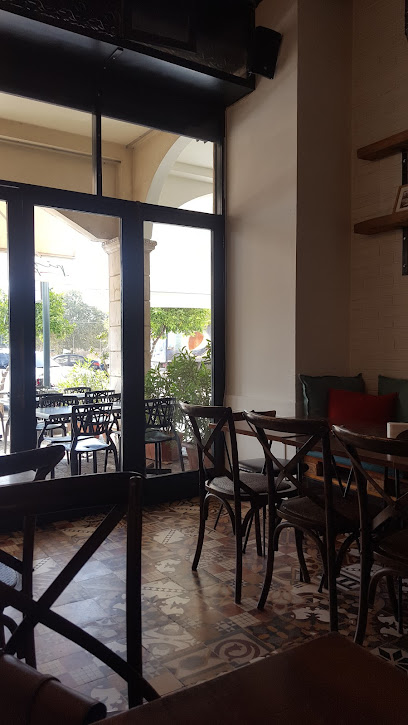
Al Hajj Ali
8.6 km
Experience the authentic taste of Lebanese cuisine at Al Hajj Ali in Tripoli, where traditional flavors meet warm hospitality in a vibrant setting.
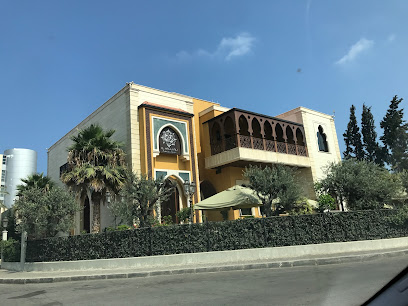
Nawfal Palace Cultural Center
8.7 km
Explore the Nawfal Palace Cultural Center in Tripoli: A vibrant library and cultural hub celebrating local arts and history.
Unmissable attractions to see

badran island - جزيره بدران
4.2 km
Escape to Badran Island: Discover untouched beaches, clear waters, and tranquil landscapes off the coast of Tripoli, Lebanon.
شاطي الميناء الذهبي
5.8 km
Experience the serene beauty of Mina's Golden Beach: relaxation, sun, and Lebanese culture await!
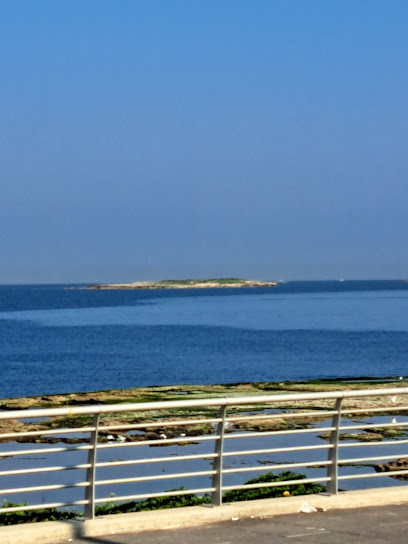
Burj Al-Sheikh Affan
6.4 km
Explore Burj Al-Sheikh Affan in Mina, Lebanon: A historical landmark offering a glimpse into the city's vibrant past and trading heritage.
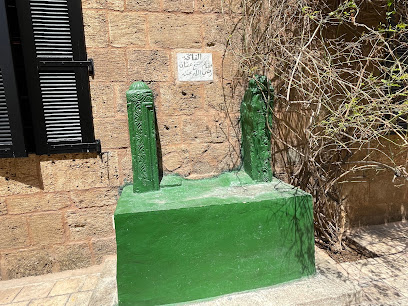
قلب جولة طرابلس
6.8 km
Explore the historical and culturally rich قلب جولة طرابلس in Mina, Lebanon, offering a unique glimpse into the region's diverse heritage.
Old Train Station
7.0 km
Explore vintage locomotives and historical exhibits at the Old Train Station in Mina, a testament to Lebanon's railway history.
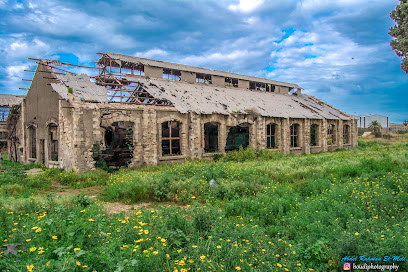
حديقة الملك يوسف مرعي
7.2 km
Escape to Tripoli's serene King Youssef Al-Mar'ei Garden: a peaceful retreat with colorful flowers, towering trees, and tranquil pathways.
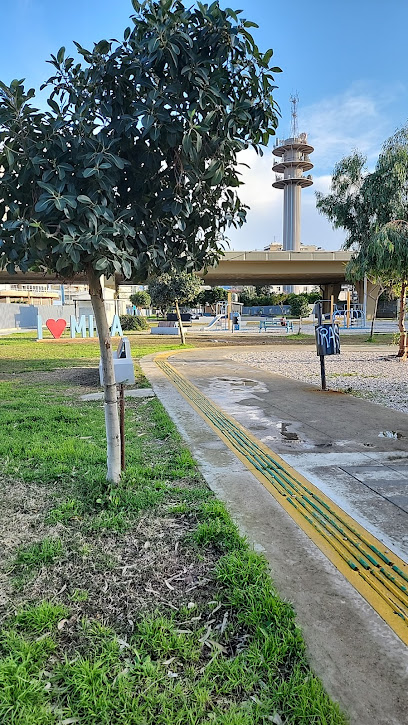
Port of Tripoli
7.2 km
Experience the bustling atmosphere and rich history of the Port of Tripoli, a cultural gem along Lebanon's stunning coastline.
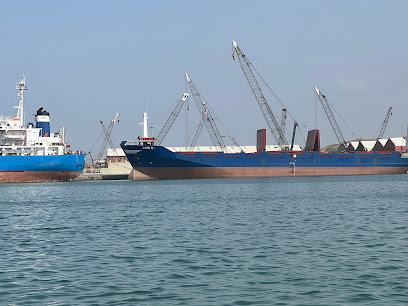
Barsbay Tower
7.3 km
Explore the historic Barsbay Tower in Tripoli, Lebanon: a 15th-century Mamluk fortress with unique architecture and stunning harbor views.
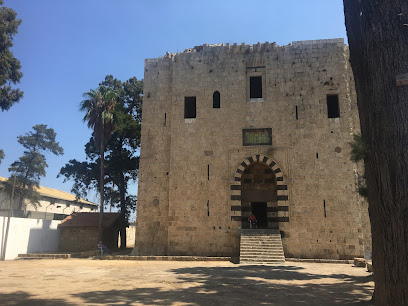
Sea.Mina.view
7.3 km
Enjoy breathtaking coastal views and a serene atmosphere at this must-visit tourist attraction in Mina, Lebanon.
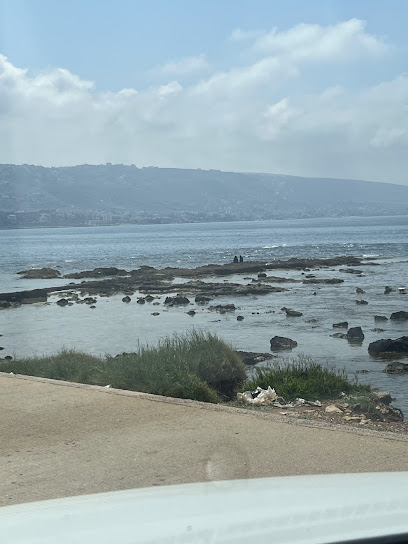
Rachid Karami International Fair by Oscar Niemeyer
7.8 km
Explore the Rachid Karami International Fair in Tripoli, Lebanon, a stunning architectural masterpiece by Oscar Niemeyer, rich in culture and history.
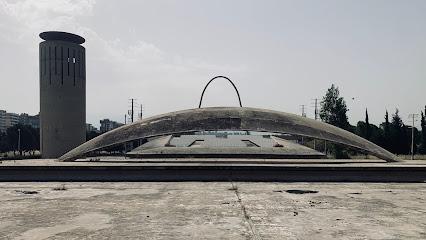
المشتل البلدي الحديث
8.3 km
Find serenity amidst Tripoli's urban landscape at the Modern Municipal Garden, a peaceful retreat for all.
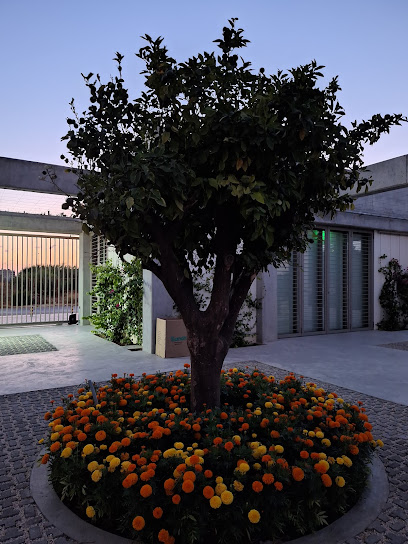
The Mural of Tripoli
8.3 km
Discover Tripoli's vibrant heart through its mural: a colorful journey into the city's culture, history, and artistic soul.
King Fahed Public Park
8.4 km
Escape to tranquility in the heart of Tripoli at King Fahed Public Park, offering green spaces, family fun, and a peaceful retreat.
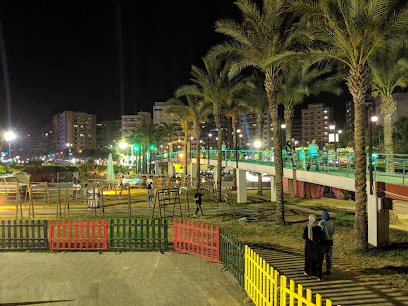
Sheker view shore
8.4 km
Experience the stunning coastal beauty and tranquility of Sheker View Shore in Tripoli, Lebanon, a perfect getaway for relaxation and cultural immersion.
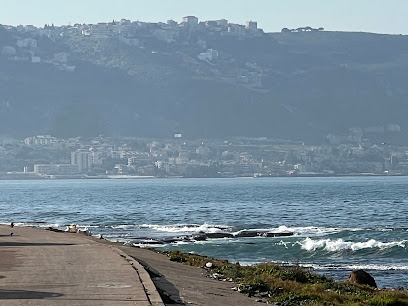
Al Manchieh Park
8.7 km
Escape to Tripoli's tranquil Al Manchieh Park: A green haven for relaxation, cultural immersion, and scenic beauty in the heart of the city.
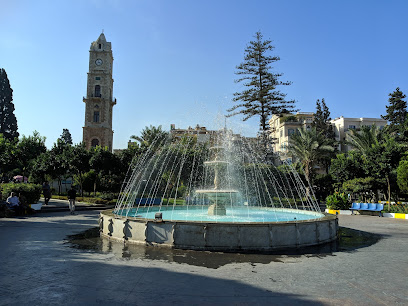
Essential places to dine

Silver Shore Restaurant
5.6 km
Experience exquisite Lebanese cuisine with breathtaking sea views at Silver Shore Restaurant in Tripoli.
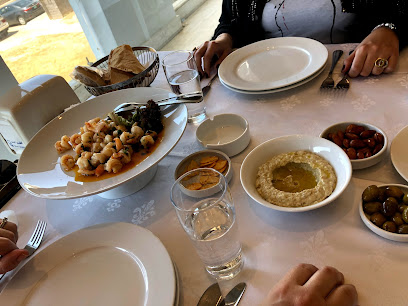
Minos restaurant
5.9 km
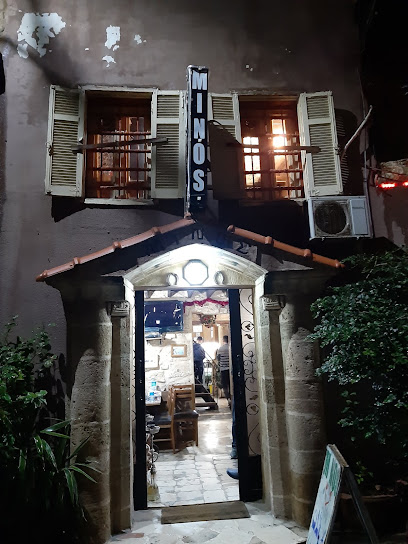
Experience authentic Lebanese cuisine with a modern twist at Minos Restaurant in Mina – a must-visit for every food enthusiast.
Otantik
7.5 km
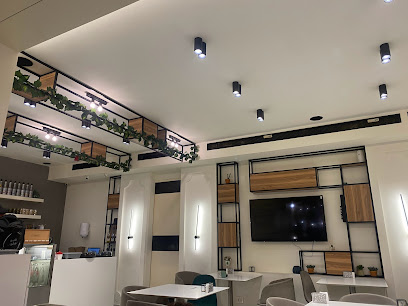
Discover the flavors of Lebanon at Otantik in Tripoli—where tradition meets modern dining in a cozy atmosphere.
Fiesta del fuego
7.5 km
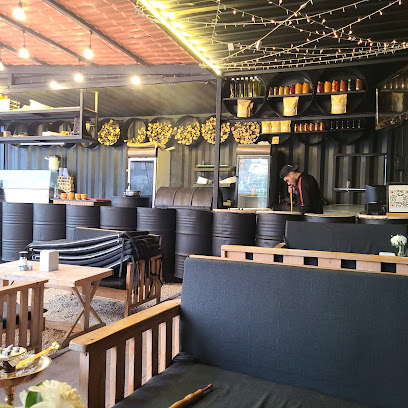
Experience authentic barbecue delights at Fiesta del Fuego in Mina – where every meal is a celebration of flavor.
TWINS BURGERS
7.5 km
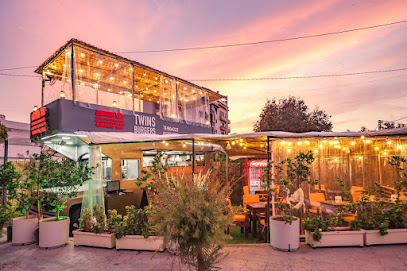
Experience the ultimate burger indulgence at TWINS BURGERS in Tripoli – where flavors meet tradition.
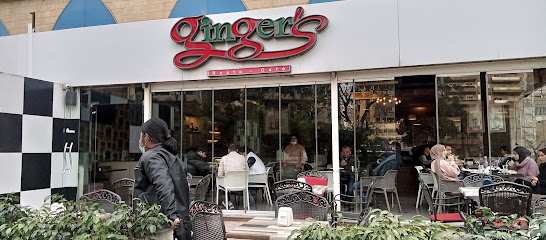
Ginger's
7.5 km
Discover Ginger's in Tripoli - where authentic Lebanese flavors meet international culinary delights in a welcoming atmosphere.
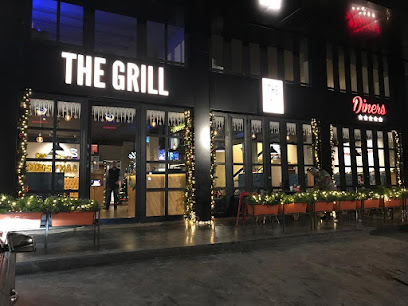
THE GRILL
7.6 km
Discover an eclectic blend of American, Italian, Mexican cuisines at The Grill in Tripoli - where every meal is a delightful experience.
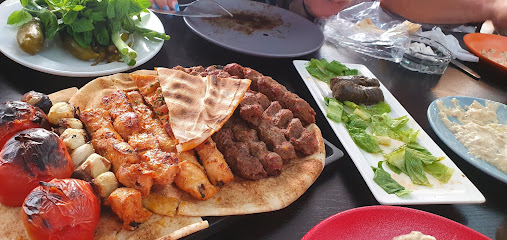
Baytna Express
7.6 km
Discover authentic Lebanese fast food at Baytna Express in Tripoli – where every bite tells a story of flavor and tradition.
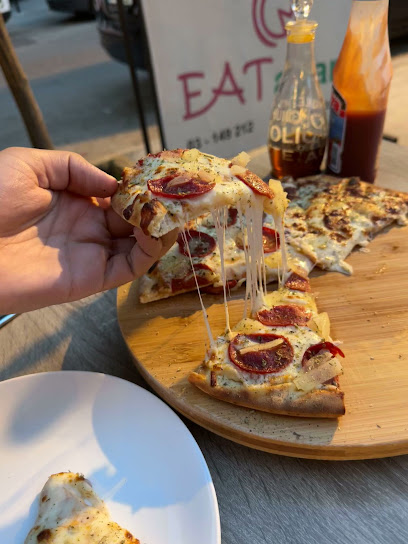
EATaliano pizzeria
7.7 km
Experience authentic Italian cuisine at EATaliano Pizzeria in Tripoli – where every pizza tells a story.
SMOKY, Rice n Tops
7.8 km
Experience authentic Lebanese flavors at SMOKY, Rice n Tops – Tripoli's premier dining destination for unforgettable meals.
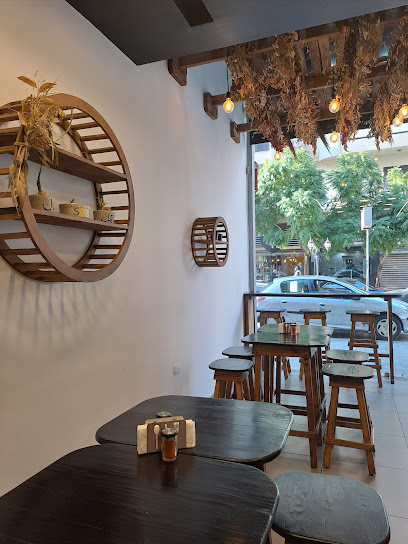
The Shrimpery
8.0 km
Discover Tripoli's culinary gem at The Shrimpery—where fresh seafood meets vibrant coastal charm.
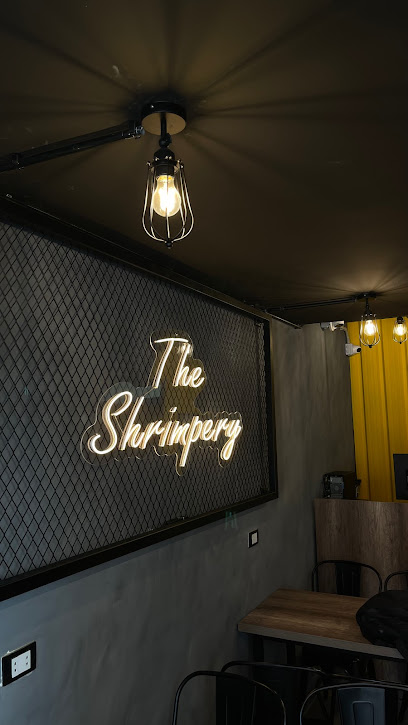
Fahita's
8.2 km
Experience authentic Lebanese cuisine at Fahita's in Tripoli—famous for its unique Fahita sandwiches and vibrant dining atmosphere.
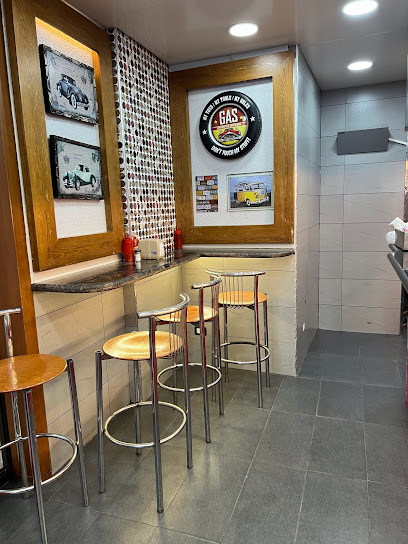
H BERGER
8.3 km
Experience authentic Lebanese cuisine at H BERGER in Tripoli – where traditional flavors meet modern hospitality.
Pasta Chef Kiosk
8.4 km
Experience authentic Italian flavors at Pasta Chef Kiosk in Tripoli—where every dish tells a story.
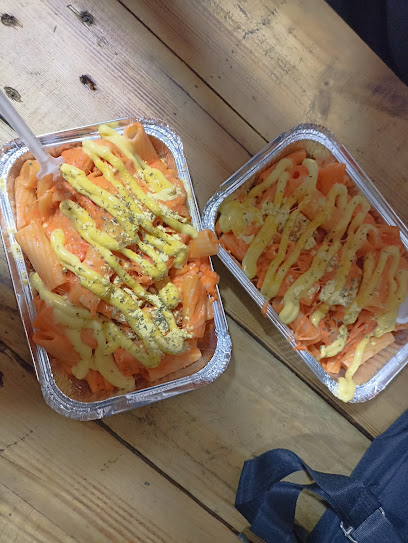
Nar
8.4 km
Experience authentic Lebanese cuisine at Nar Restaurant in Tripoli - where tradition meets culinary innovation.
Markets, malls and hidden boutiques

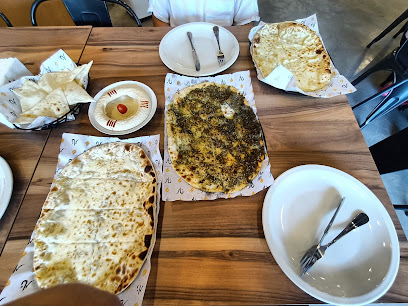
aya antik
6.3 km
Discover unique treasures at Aya Antik, the charming gift shop in Mina, offering handcrafted souvenirs and local antiques.
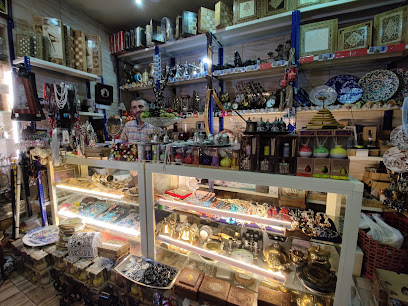
Be unique
7.4 km
Explore Be Unique in Mina for distinctive home goods that encapsulate the charm and culture of Lebanon, perfect for gifts and home decor.
Home Touch
7.5 km
Explore Home Touch in Tripoli for unique, handcrafted gifts that embody the spirit of Lebanon, perfect for souvenirs or special occasions.
The Hip Shop
7.8 km
Explore The Hip Shop in Tripoli for a vibrant shopping experience filled with trendy styles and local artistry, perfect for every traveler.

Zacks
7.8 km
Explore Zacks in Tripoli for a unique selection of women's fashion that blends modern trends with local craftsmanship.
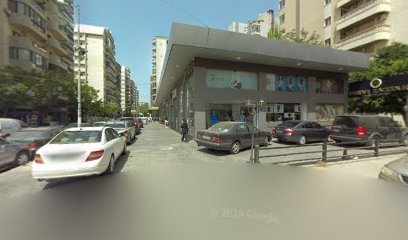
Antika
7.8 km
Discover Antika in Tripoli: a vibrant women's clothing store offering unique styles that blend contemporary fashion with local charm.
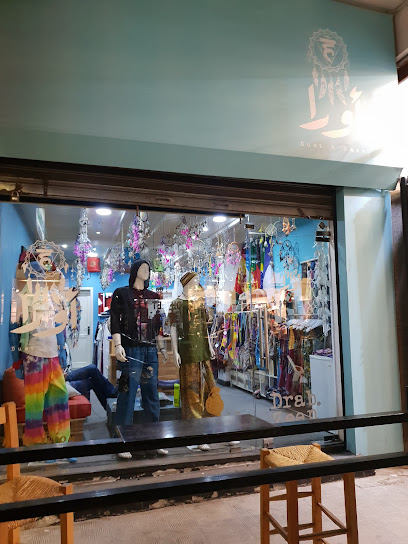
Voi Donna
7.8 km
Discover the charm of Voi Donna in Tripoli, where unique gifts and artisanal crafts await every traveler seeking memorable souvenirs.
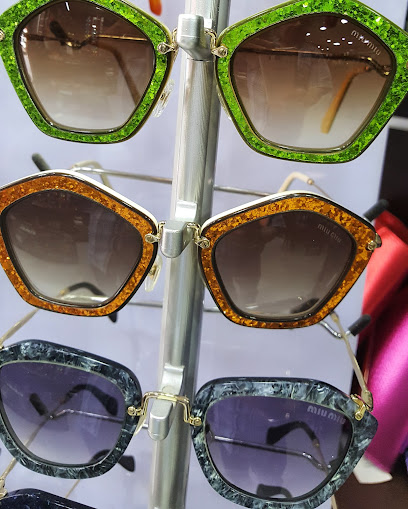
Al Masri toys
7.8 km
Discover Al Masri Toys, a vibrant gift shop in Tripoli, offering a delightful selection of toys and gifts for children and families.
BُحَAْ Boutique
7.9 km
Explore BُحَAْ Boutique in Tripoli for a unique blend of local craftsmanship and contemporary fashion, perfect for elevating your wardrobe.
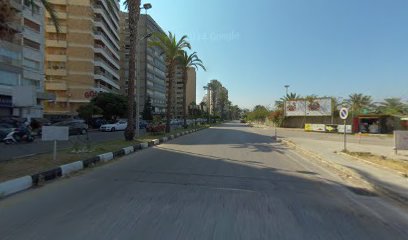
Watermellon Concept Store clothing
8.1 km
Explore the vibrant Watermelon Concept Store in Tripoli for unique clothing that blends modern trends with local Lebanese culture.
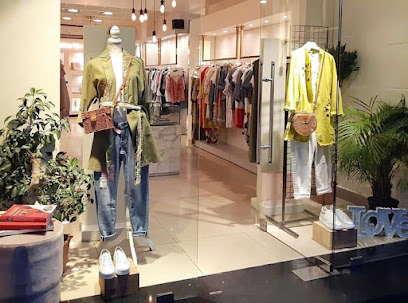
Surprise Gifts Shop
8.1 km
Discover unique gifts and souvenirs at Surprise Gifts Shop in Tripoli, where creativity meets the charm of Lebanese craftsmanship.
Miracle accessories
8.1 km
Explore unique gifts and local crafts at Miracle Accessories in Tripoli, a treasure trove for every visitor seeking a memorable souvenir.
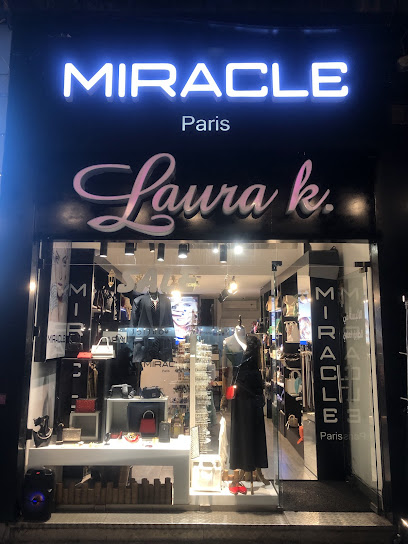
Glossy bird Lebanon
8.1 km
Explore Glossy Bird Lebanon in Tripoli for handcrafted bags showcasing local artistry and elegance, perfect for every fashion enthusiast.
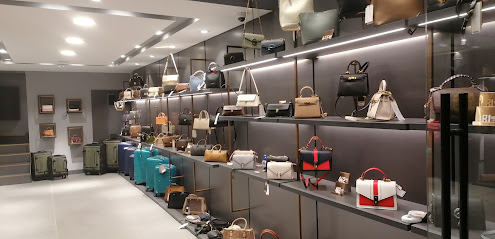
Şik Fashion
8.1 km
Explore unique styles at Şik Fashion, a chic clothing store in Tripoli, blending local trends with contemporary flair for every fashion enthusiast.

Joud Express
8.1 km
Explore Joud Express in Tripoli for a unique shopping experience filled with local crafts and treasures that reflect Lebanon's rich culture.
Essential bars & hidden hideouts

VIA MINA
5.6 km
Discover the flavors of Lebanon at VIA MINA, Tripoli's premier restaurant and hotel, where culinary excellence meets warm hospitality.
CAVA
5.7 km
Experience Mina's nightlife at CAVA, a vibrant bar serving creative cocktails and a welcoming atmosphere for all nightlife enthusiasts.
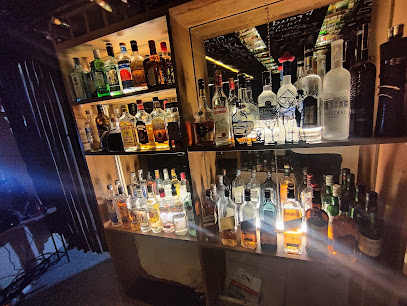
Timmy's
5.7 km
Discover the flavors of Lebanon at Timmy's, a must-visit restaurant in Mina offering a delightful Mediterranean dining experience.
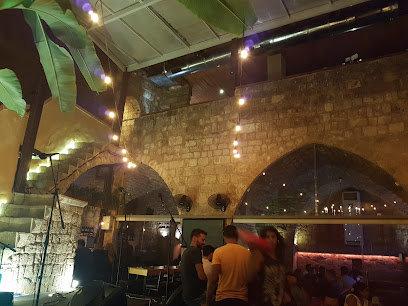
Rust bar
5.7 km
Experience the vibrant nightlife at Rust Bar in Mina, known for its cozy atmosphere, creative cocktails, and friendly service.
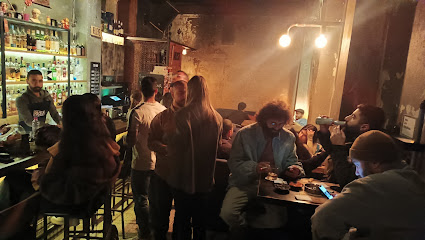
Capo
5.7 km
Experience the vibrant nightlife of Mina at Capo, where local culture and a lively atmosphere come together for an unforgettable pub experience.
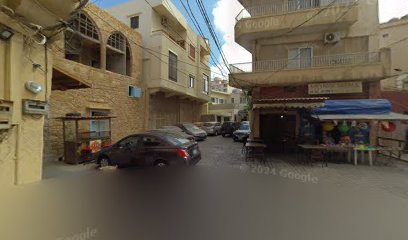
Code Pub
5.8 km
Experience the vibrant nightlife at Code Pub, a stylish lounge in Tripoli offering a diverse drink menu and a lively atmosphere.
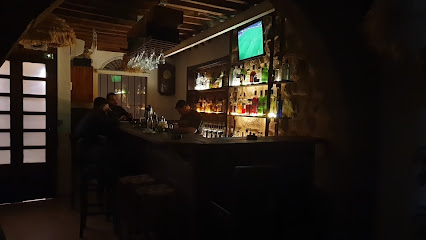
Aristo’s
5.8 km
Experience the vibrant nightlife of Tripoli at Aristo’s, where great drinks and lively atmosphere await every night.
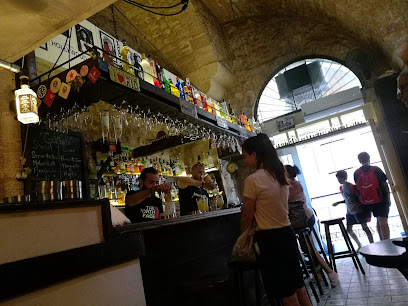
DROPS
5.8 km
Experience the vibrant nightlife at DROPS in Mina, where great drinks and friendly faces come together in a lively pub atmosphere.
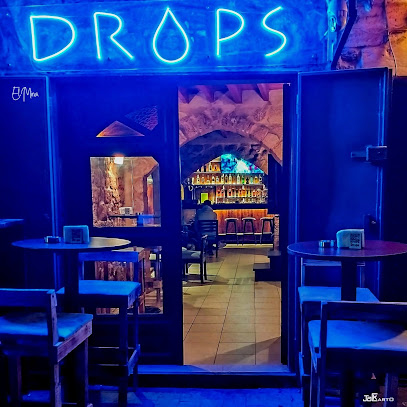
Mike's Pub & Lounge
5.8 km
Unwind at Mike's Pub & Lounge, Tripoli's top bar for an unforgettable night filled with drinks, music, and great company.
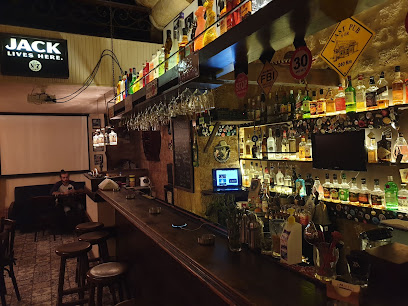
VIP Lounge
5.9 km
Experience the vibrant nightlife at VIP Lounge in Mina, where expertly crafted cocktails and a lively ambiance await you.
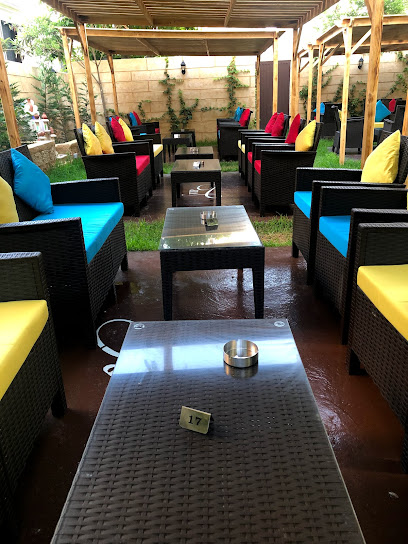
Shake bar
6.0 km
Experience the vibrant nightlife of Tripoli at Shake Bar, where stunning sea views meet expertly crafted cocktails in a lively atmosphere.
Tasnim
7.1 km
Experience the vibrant nightlife of Lebanon at Tasnim, a cocktail bar renowned for its exquisite drinks and lively atmosphere.
Famous Cocktail
7.9 km
Experience the art of mixology at Famous Cocktail, Tripoli's premier cocktail bar, blending creativity and flavor in every sip.
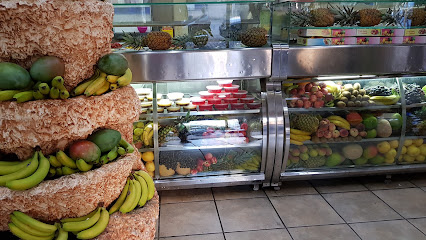
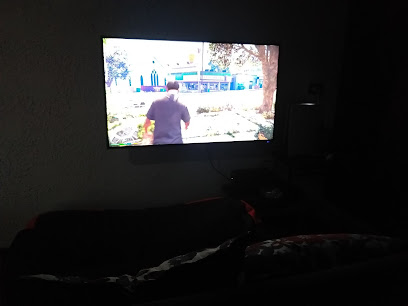
PSHeaven
8.0 km
Discover PSHeaven in Tripoli: a gaming lounge where excitement meets comfort, perfect for gamers seeking the ultimate experience.
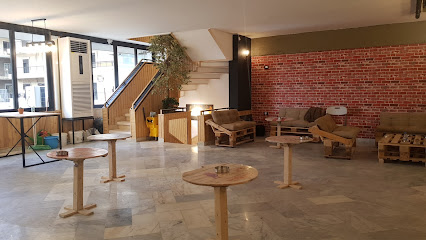
Mountada Lounge - منتدى الشمال
8.0 km
Experience the essence of Lebanese culture at Mountada Lounge in Tripoli, where relaxation meets rich flavors and vibrant ambiance.
Nightclubs & after hour spots

A.A INC.
7.8 km
Experience the vibrant nightlife of Tripoli at A.A INC., where electrifying music and lively dance floors await.
Garage Al Shamal
9.2 km
Discover the electrifying nightlife at Garage Al Shamal, Tripoli's premier night club, where music, dance, and excitement come together.
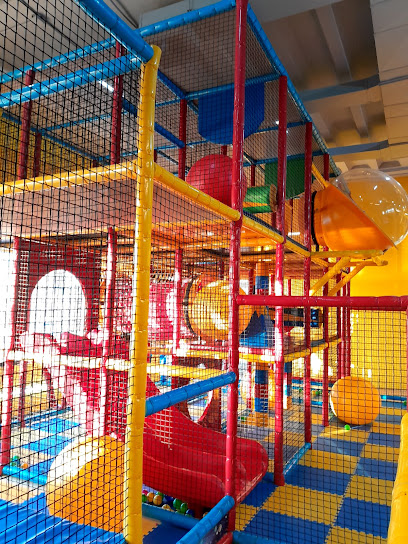
Astro fun center
9.9 km
Experience endless fun and adventure at Astro Fun Center, Lebanon's premier indoor playground for families and children.
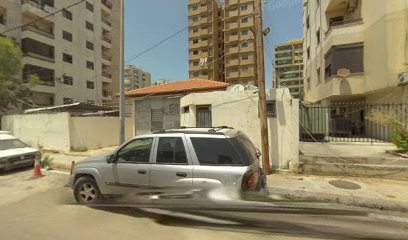
Miled Al Ghzal Mouawad Club
15.4 km
Experience the vibrant nightlife at Miled Al Ghzal Mouawad Club in Zgharta, where music, dance, and fun come together for an unforgettable evening.
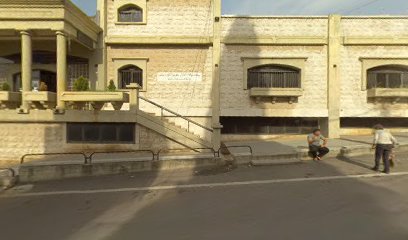
Icon night club
17.7 km
Unleash your nightlife spirit at Icon Night Club in Kfar Hatta, where energetic beats and vibrant ambiance create unforgettable experiences.
401 Club
18.5 km
Discover the vibrant nightlife of Zgharta at 401 Club, where music and dance create unforgettable memories in a lively atmosphere.
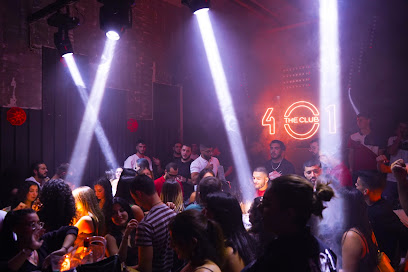
Zouzou Bar
24.0 km
Experience the vibrant nightlife at Zouzou Bar in Rechdebine, where music, dance, and unforgettable cocktails come together for an exhilarating night out.
War & Peace hotel - nightClub
24.0 km
Discover the electrifying nightlife at War & Peace Hotel NightClub in Kfar Hatta, where vibrant music meets exceptional hospitality.
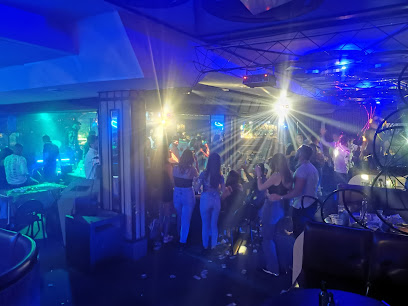
Chamoun gaming lounge/bar
26.8 km
Experience the vibrant nightlife at Chamoun Gaming Lounge & Bar in Aabdine, where gaming meets socializing in a captivating atmosphere.
Bhava
28.2 km
Discover Bhava: Ehden's lively bar offering a perfect blend of music, cocktails, and a vibrant atmosphere for unforgettable nights.
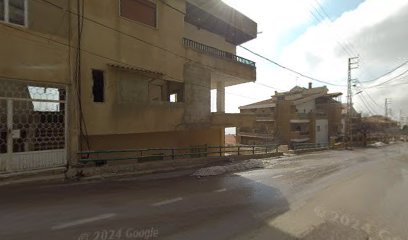
Joker's lounge bar
28.3 km
Experience vibrant nightlife at Joker's Lounge Bar in Ehden, Lebanon - a lively venue for drinks, music, and unforgettable memories.
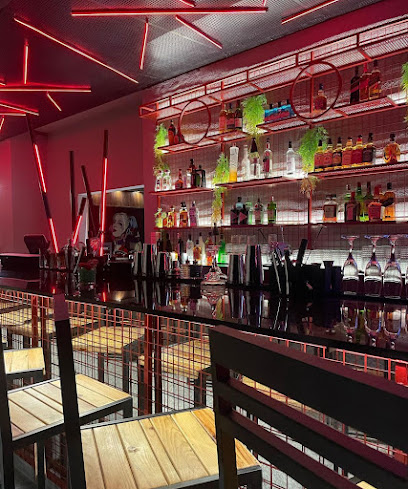
Cloud 9
28.5 km
Discover the vibrant nightlife of Cloud 9 in Ehden, where breathtaking views and great drinks create unforgettable moments.
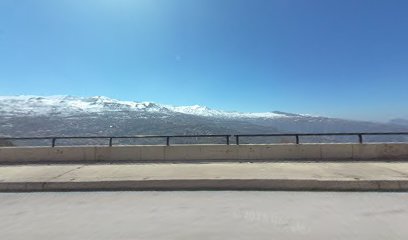
Singing in the Rain
28.5 km
Experience the vibrant nightlife of Batroun at Singing in the Rain, the ultimate karaoke bar and board game club for music and fun lovers.
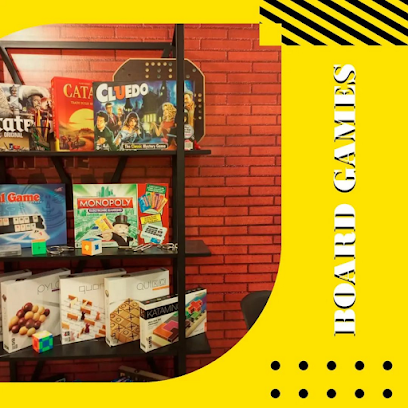
Vee Lounge
28.5 km
Experience the vibrant nightlife of Ehden at Vee Lounge, where stylish ambiance meets exquisite drinks and unforgettable moments.
Kala batroun
28.5 km
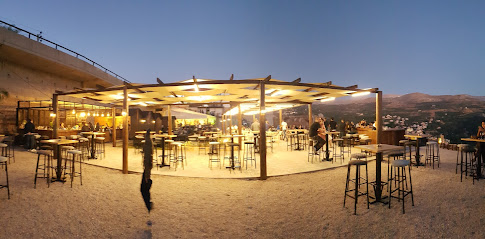
Discover the charm of Kala Batroun, a serene lounge escape in the heart of Batroun, offering refreshing drinks and stunning coastal views.