Hula Nature Reserve, Nabatieh Travel Guide
Discover a restored wetland teeming with diverse wildlife and millions of migrating birds in Israel's Hula Nature Reserve.
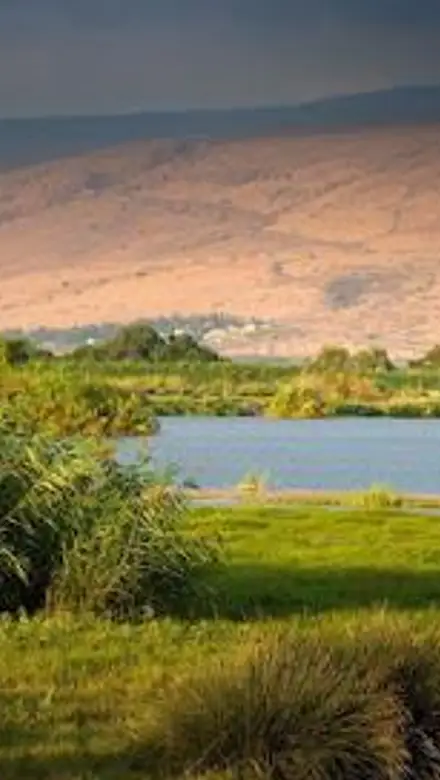
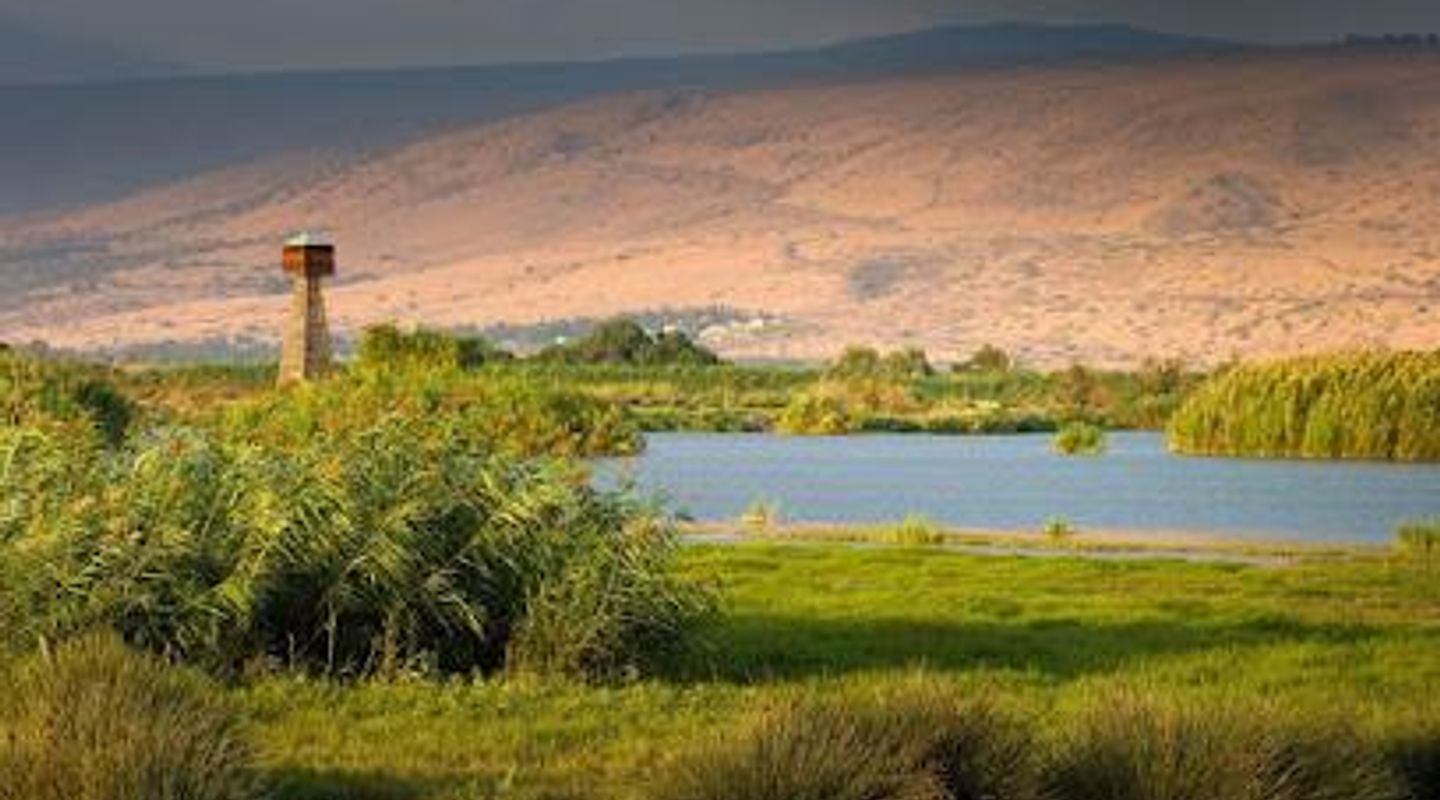
The Hula Nature Reserve, Israel's first of its kind, protects a vital wetland ecosystem in the Hula Valley. Once drained for agriculture, it was later restored to preserve its unique flora, fauna, and as a crucial stopover for migrating birds. Today, it offers visitors a chance to witness diverse wildlife and learn about the importance of wetland conservation.
A brief summary to Hula Nature Reserve
- שמורת טבע החולה, IL
- Click to display
- Click to display
- Monday 8 am-4 pm
- Tuesday 8 am-4 pm
- Wednesday 8 am-4 pm
- Thursday 8 am-4 pm
- Friday 8 am-3 pm
- Saturday 8 am-4 pm
- Sunday 8 am-4 pm

Know before you go
Hi, I'm Eve. Here are a few practical things to know before exploring Hula Nature Reserve.
- Visit during the spring or autumn migration seasons (March-April, October-November) for peak birdwatching opportunities.
- Rent binoculars at the visitor center for enhanced wildlife viewing.
- Wear comfortable shoes for walking on the trails and boardwalks.
- Check the Israel Nature and Parks Authority website for updated hours and possible closures.
Do you manage this location?
Take control to get all the benefits, like improved information, better appearance, and stronger visibility across AI-powered discovery. Learn more about listing your business on Evendo
Activate your presenceOther nearby places you may find interesting
The closest places of the same kind, if this one is not quite what you had in mind.


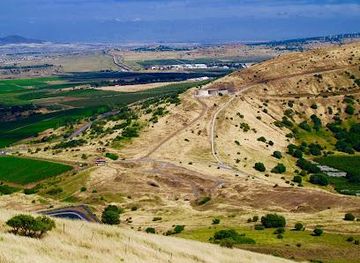
Explore Hula Nature Reserve on the Map
A handpicked selection of must-see spots near Hula Nature Reserve, mapped for you.
Unlock the Best of Hula Nature Reserve
Buy tickets
-
No tickets available
Book tours with entry
-
No tours available
Book tours without entry

Getting There
-
Public Transport
Frequent buses run between Kiryat Shmona and Tel Aviv/Afula, stopping at the Shemurat HaHula Junction. From there, it's approximately a 2.3km (29-minute) walk to the reserve entrance. A single bus fare from Kiryat Shmona to the junction costs around 15-25 NIS.
-
Driving
From Highway 90, turn east 3 km after Yesud Hama'ala junction. Follow the signs to the Hula Nature Reserve. Parking is available at the visitor center. Parking is free. Using Waze or Google Maps, enter "Hula Valley Nature Reserve" for precise directions.
Discover more about Hula Nature Reserve













Your all‑in‑one travel companion app
Explore expert travel guides, compare and book tours, experiences, hotels, and more—all from the palm of your hand. Download now for seamless trip planning wherever your wanderlust takes you.


Explore More of Nabatieh
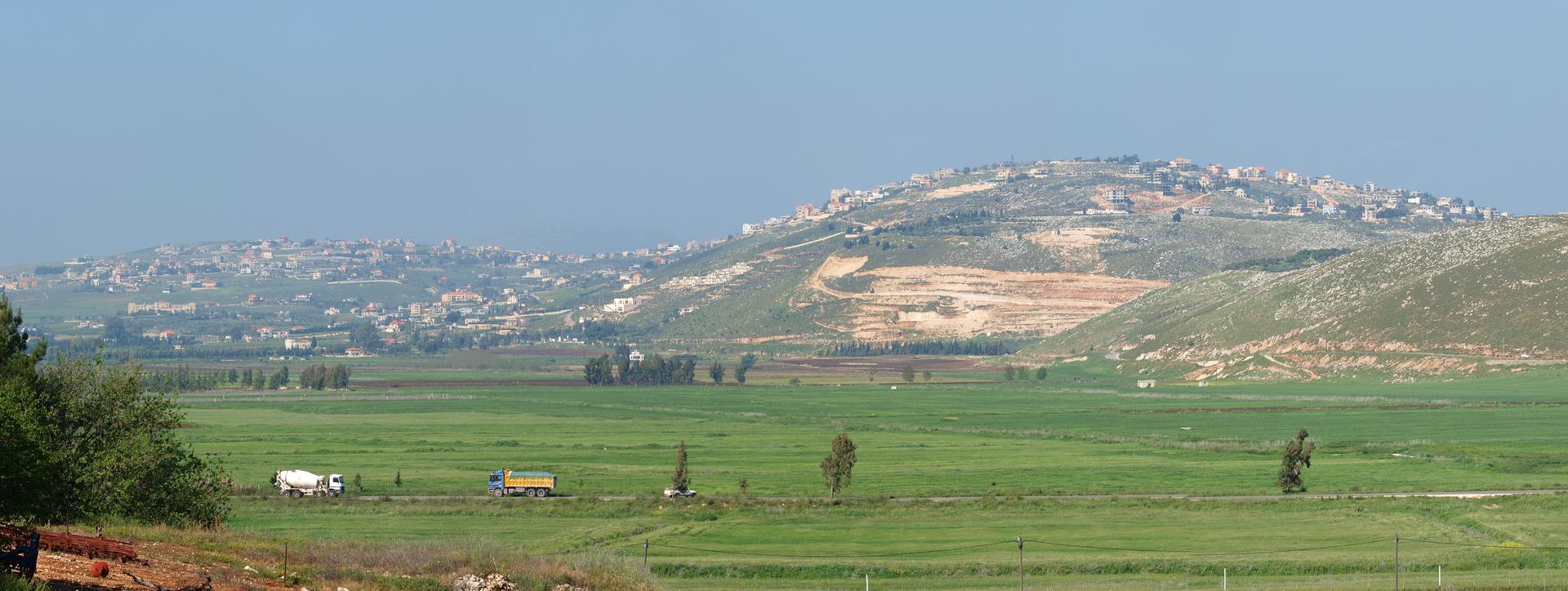
Looking beyond Hula Nature Reserve? Discover Nabatieh for broader travel guides, local hot-spots, and regional highlights.
Explore Nabatieh
Discover the mystical allure of Safed, a historic city in Israel renowned for its rich Kabbalistic heritage and vibrant artistic community.
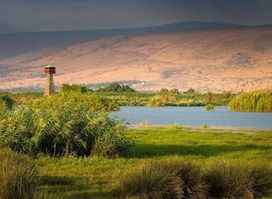
Discover the breathtaking beauty and diverse wildlife of Hula Nature Reserve, Israel's premier nature preserve and birdwatching hotspot.