Temple of Eshmun, Chouf Travel Guide
Explore the ancient Temple of Eshmun near Sidon, Lebanon, a Phoenician sanctuary dedicated to the god of healing and renewal.
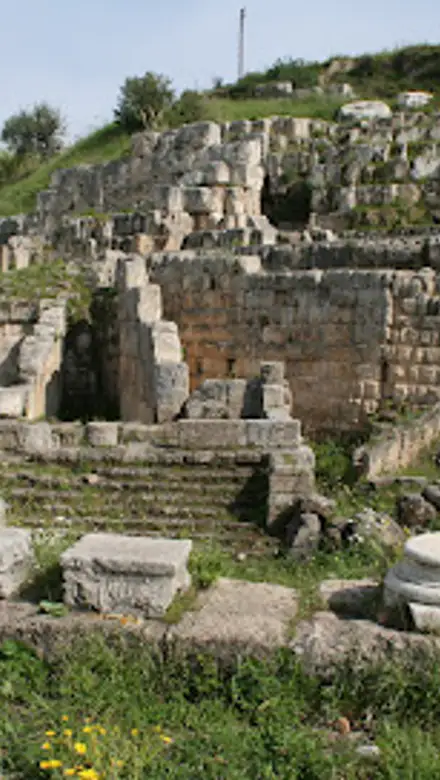
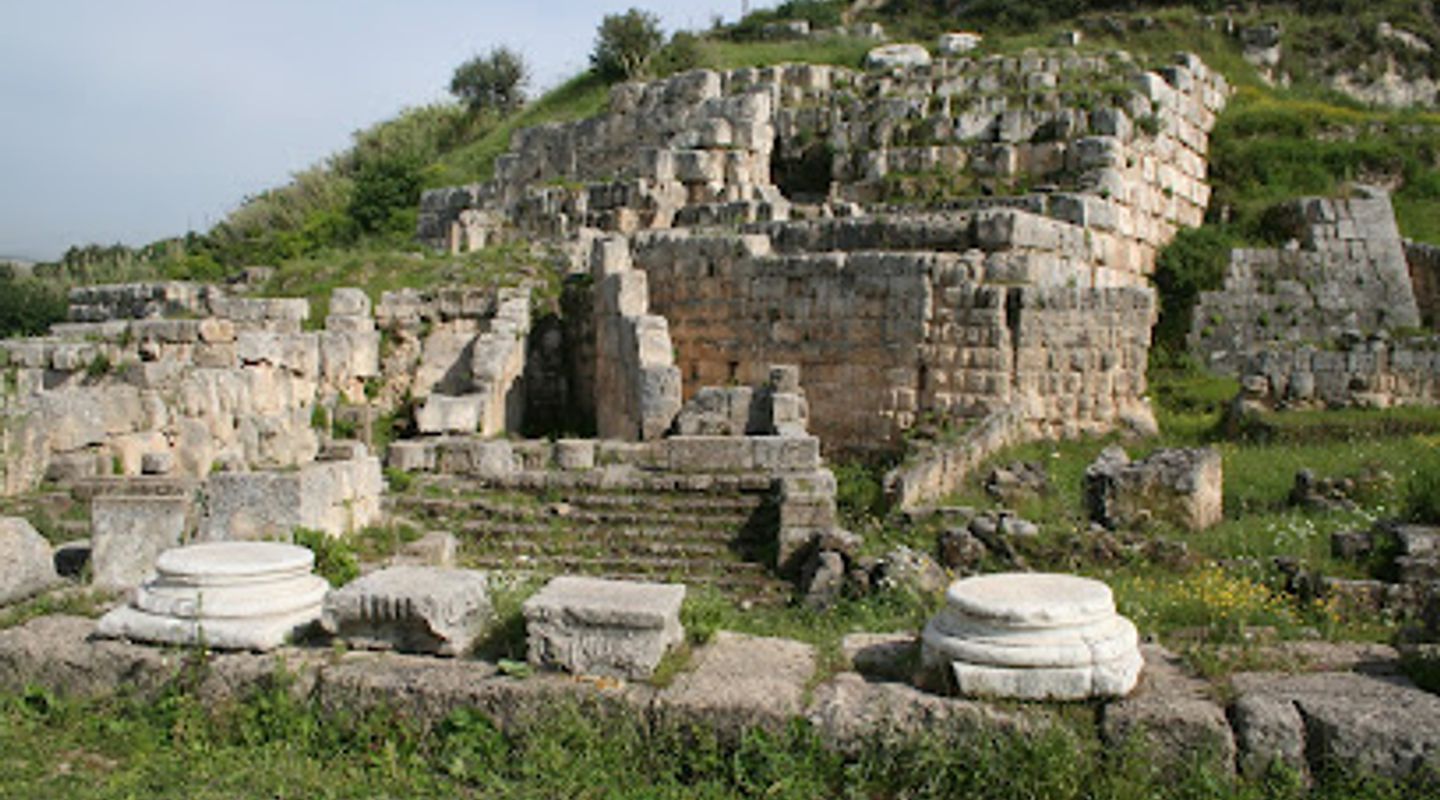
The Temple of Eshmun, located near Sidon, Lebanon, is an ancient Phoenician temple dedicated to Eshmun, the god of healing. Constructed in the 7th century BC, the temple complex features a blend of architectural styles reflecting centuries of expansion and foreign influence. Today, visitors can explore the ruins and discover the rich history of this once-sacred site.
A brief summary to Temple of Eshmun
- H9PW+7J6, Bqosta, LB
- Monday 10 am-6 pm
- Tuesday 10 am-6 pm
- Wednesday 10 am-6 pm
- Thursday 10 am-6 pm
- Friday 10 am-6 pm
- Saturday 10 am-6 pm
- Sunday 10 am-6 pm

Know before you go
Hi, I'm Eve. Here are a few practical things to know before exploring Temple of Eshmun.
- Wear comfortable shoes as the terrain is uneven and requires walking.
- Visit early in the morning or late in the afternoon to avoid crowds and enjoy cooler temperatures.
- Check weather conditions prior to visiting.
Do you manage this location?
Take control to get all the benefits, like improved information, better appearance, and stronger visibility across AI-powered discovery. Learn more about listing your business on Evendo
Activate your presenceOther nearby places you may find interesting
The closest places of the same kind, if this one is not quite what you had in mind.
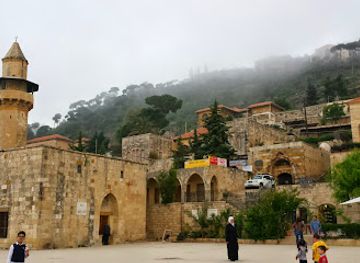
Explore Temple of Eshmun on the Map
A handpicked selection of must-see spots near Temple of Eshmun, mapped for you.
Unlock the Best of Temple of Eshmun
Buy tickets
-
No tickets available
Book tours with entry

Book tours without entry
-
No tours available
Getting There
-
Walking
From the Sidon Souk, a central point in the city, head east towards the Sidon Sea Castle. Continue straight until you reach the main road, then turn left onto the road leading to Bqosta. Follow this road for approximately 3 kilometers. Look for signs directing you to the Temple of Eshmun. The site will be on your right, a short walk after the Bqosta sign.
-
Public Transport
From Sidon, locate a local bus heading towards Bqosta near the Sidon Souk. Ask the driver to drop you off at the closest stop to the Temple of Eshmun. The bus ride should take about 15-20 minutes. From the bus stop, follow the signs to the Temple of Eshmun, which is approximately a 10-minute walk. A single bus fare will typically cost around LBP 2,000 - 5,000.
Discover more about Temple of Eshmun













Your all‑in‑one travel companion app
Explore expert travel guides, compare and book tours, experiences, hotels, and more—all from the palm of your hand. Download now for seamless trip planning wherever your wanderlust takes you.


Explore More of Chouf
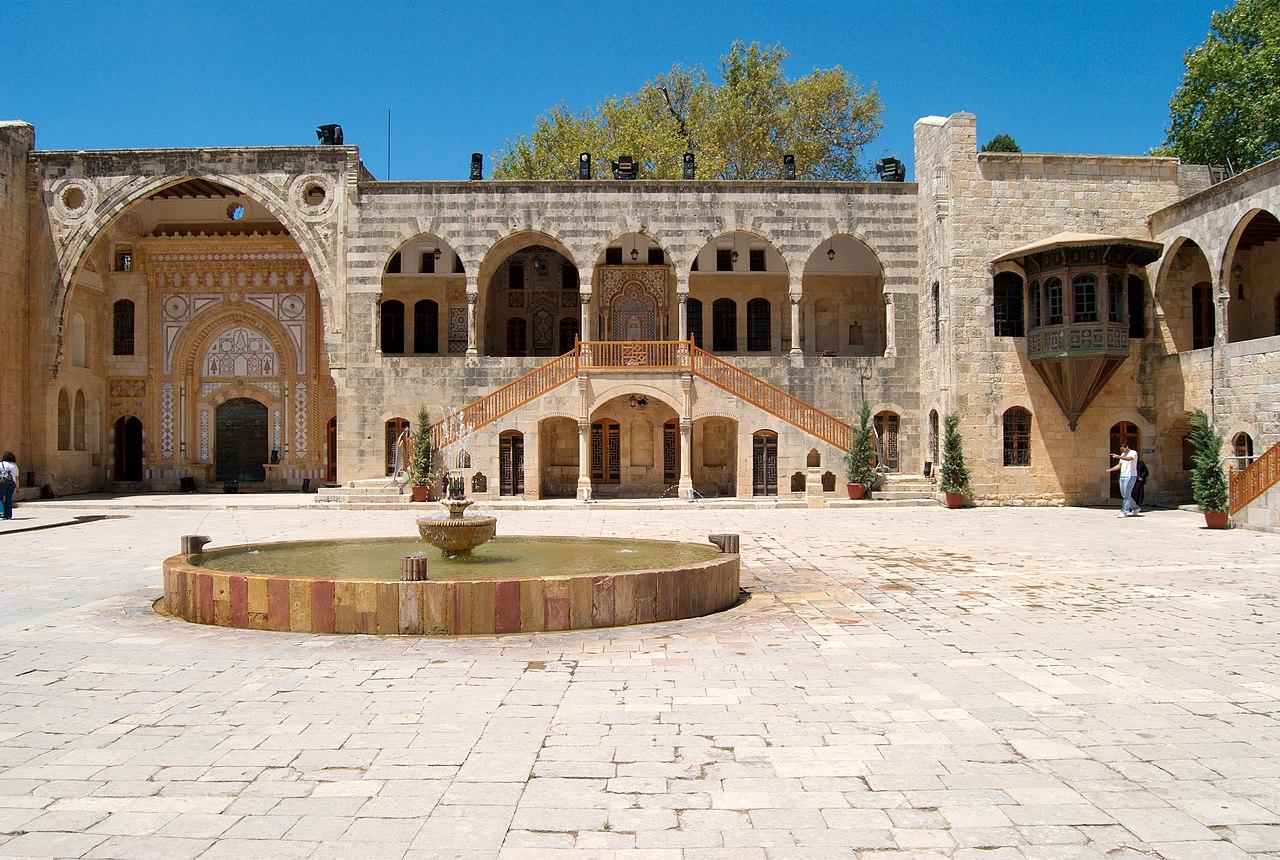
Looking beyond Temple of Eshmun? Discover Chouf for broader travel guides, local hot-spots, and regional highlights.
Explore Chouf