Ruins of Cyrene, Bayda Travel Guide
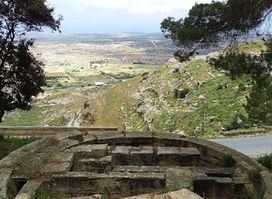
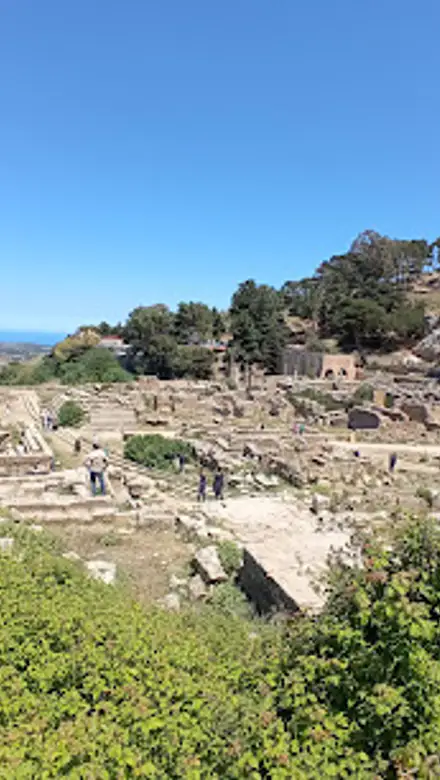
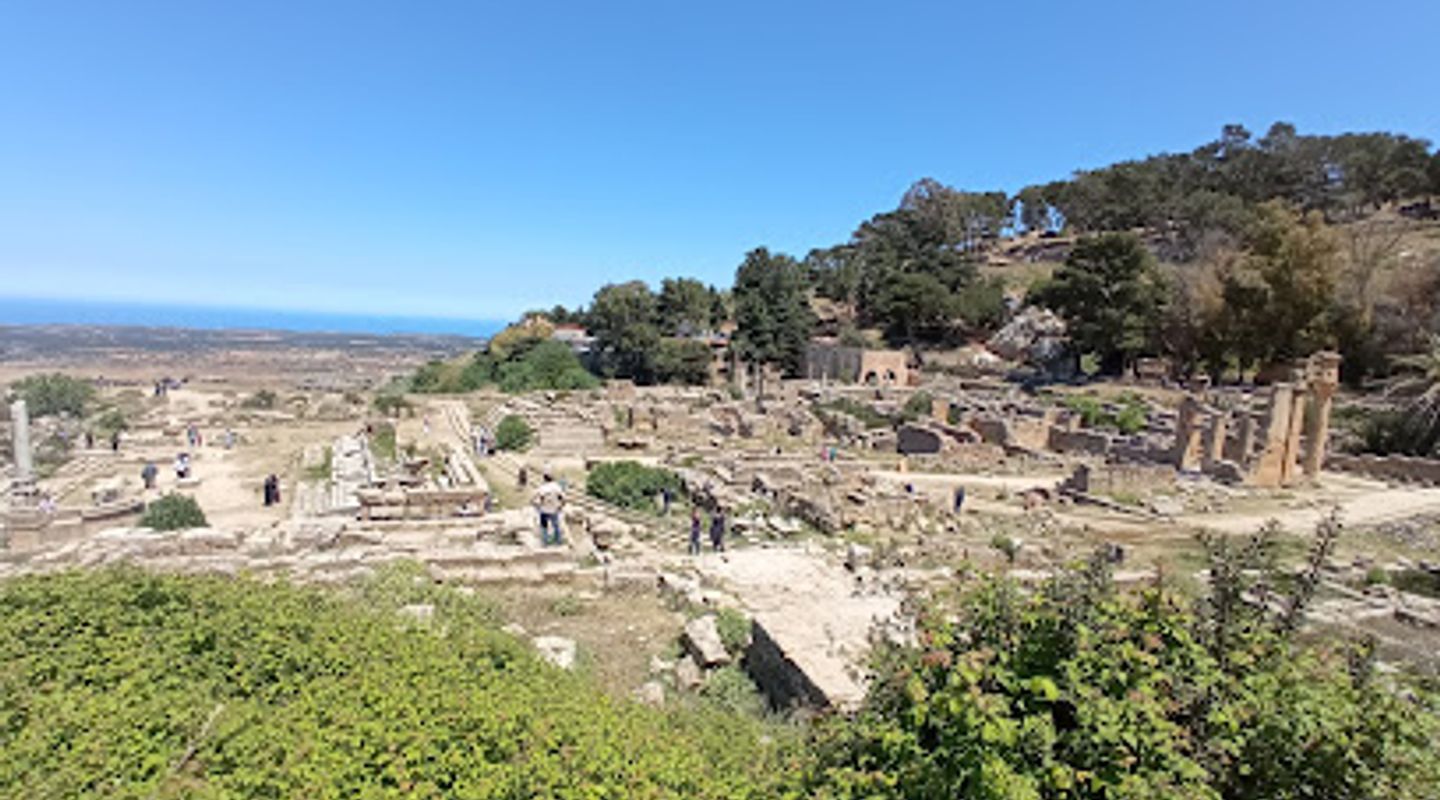
Discover the ancient wonders of Cyrene, a UNESCO World Heritage Site in Libya, with Greek and Roman ruins dating back to the 7th century BC.
Explore the well-preserved ruins of Cyrene, an ancient Greek colony and Roman city in present-day Shahhat, Libya. Wander through the remains of temples, theaters, and necropolises, and discover the rich history and cultural significance of this UNESCO World Heritage Site.
A brief summary to Ruins of Cyrene
- RVF3+964, Skyrota, Shahat, LY
- Click to display

Know before you go
Hi, I'm Eve. Here are a few practical things to know before exploring Ruins of Cyrene.
- Wear comfortable walking shoes, as the site covers a large area with uneven terrain.
- Visit early in the morning or late afternoon to avoid the heat and enjoy better lighting for photography.
- Bring plenty of water and snacks, as there are limited facilities on-site.
Do you manage this location?
Take control to get all the benefits, like improved information, better appearance, and stronger visibility across AI-powered discovery. Learn more about listing your business on Evendo
Activate your presenceOther nearby places you may find interesting
The closest places of the same kind, if this one is not quite what you had in mind.

Explore Ruins of Cyrene on the Map
A handpicked selection of must-see spots near Ruins of Cyrene, mapped for you.
Getting There
-
Taxi
From Shahhat city center, a taxi ride to the Ruins of Cyrene costs approximately 18.5 LYD. Taxis can be hailed on the street or booked via a ride-hailing app. The base fare is 5 LYD, with an additional 2.7 LYD per kilometer. Ensure the driver knows the destination, located at RVF3+964, Skyrota, Shahhat.
-
Public Transport
From Al Bayda, take a local bus or shared taxi to Shahhat. Buses depart from the main bus station in Al Bayda, with fares ranging from 2-5 LYD. Upon arrival in Shahhat, take a local taxi to the Ruins of Cyrene for approximately 10-20 LYD. Inform the driver that you want to go to the Ruins of Cyrene located at RVF3+964, Skyrota, Shahhat.
Discover more about Ruins of Cyrene













Your all‑in‑one travel companion app
Explore expert travel guides, compare and book tours, experiences, hotels, and more—all from the palm of your hand. Download now for seamless trip planning wherever your wanderlust takes you.


Explore More of Bayda

Looking beyond Ruins of Cyrene? Discover Bayda for broader travel guides, local hot-spots, and regional highlights.
Explore Bayda