
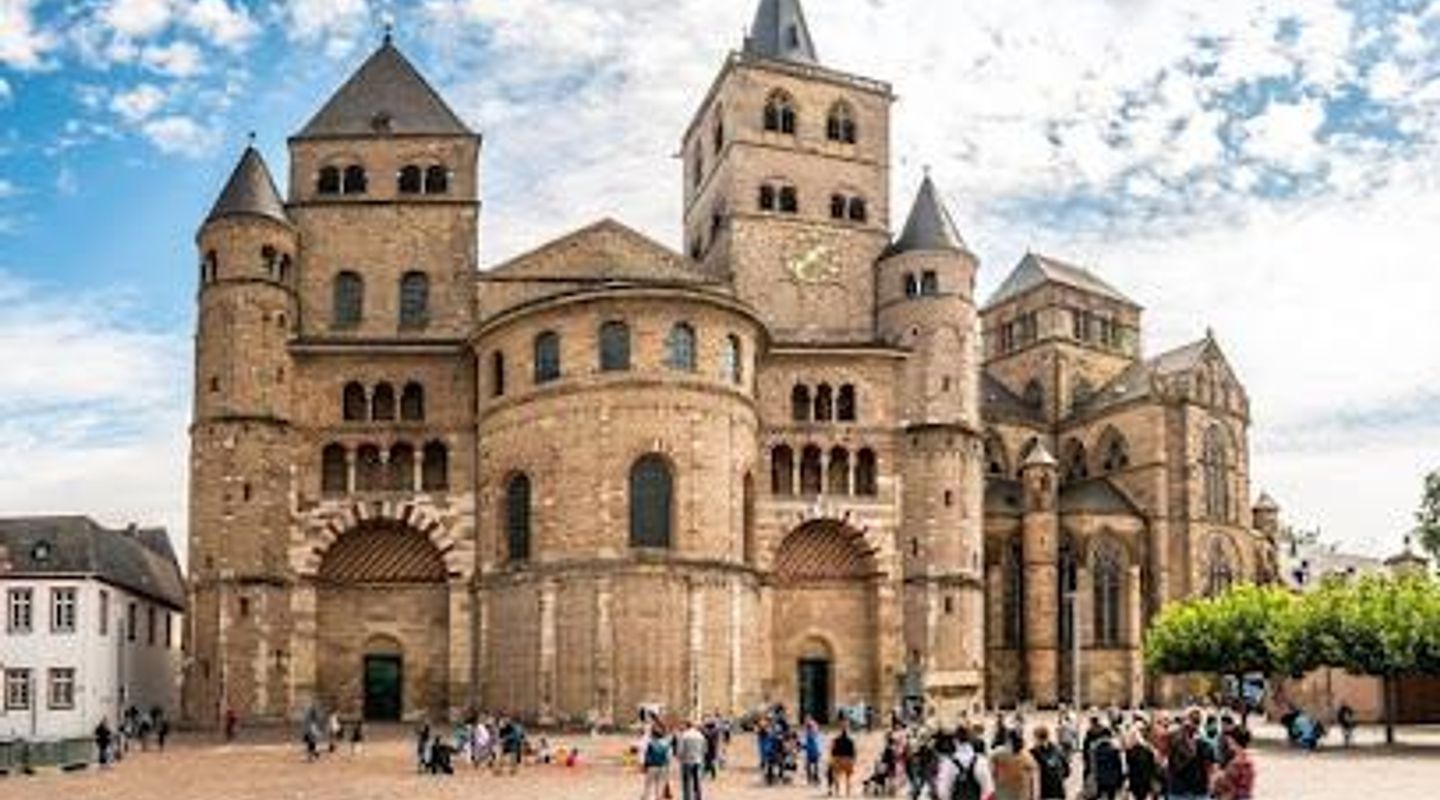
Trier, Gutland Travel Guide
Discover Trier, Germany’s oldest city, where Roman wonders, medieval charm, and Moselle vineyards meet in a spectacular UNESCO World Heritage landscape.
Trier, Germany’s oldest city, basks along the tranquil Moselle River, revealing traces of Roman grandeur at every turn. Drenched in 2,000 years of history, this city dazzles with its UNESCO-listed treasures, including the formidable Porta Nigra, imperial baths, and a Roman amphitheatre. Visitors wander through bustling medieval squares, savor rich Rieslings in riverside taverns, and explore a captivating patchwork of ancient ruins, Gothic churches, and modern vitality—all nestled within lush wine country.
A brief summary to Trier
- Trier, DE
- Click to display

Know before you go
Hi, I'm Eve. Here are a few practical things to know before exploring Trier.
- Purchase a combination ticket for multiple Roman monuments to save on admission costs.
- The Porta Nigra is free to see from outside, but ascending inside offers panoramic city views.
- Local wine bars near the river pour acclaimed Moselle Rieslings—sample a flight to experience the region.
- A city walking tour provides the best context for Trier’s Roman and medieval layers.
- Popular sites may be crowded midday in summer—early morning or late afternoon visits offer fewer crowds.
Do you manage this location?
Take control to get all the benefits, like improved information, better appearance, and stronger visibility across AI-powered discovery. Learn more about listing your business on Evendo
Activate your presenceOther nearby places you may find interesting
The closest places of the same kind, if this one is not quite what you had in mind.
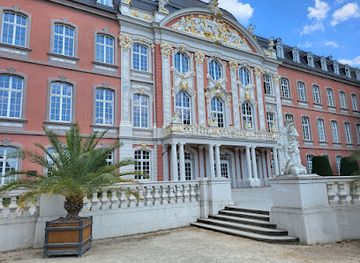
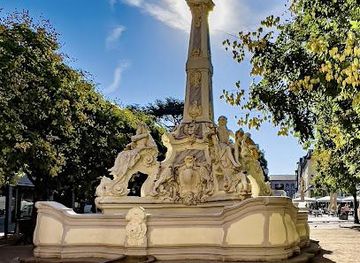
Explore Trier on the Map
A handpicked selection of must-see spots near Trier, mapped for you.
Unlock the Best of Trier
Buy tickets
-
No tickets available
Book tours with entry


Getting There
-
Orientation
Most Roman sites, including Porta Nigra and the Imperial Baths, cluster within a 2 km radius around the Hauptmarkt, making exploration on foot easy and cost-effective.
-
Landmark Proximity
St. Peter’s Cathedral and Liebfrauenkirche define the city center and serve as reference points, both offering free general exterior access and paid interior tours.
-
Cost & Access
The city's main squares host open-air markets year-round, while entrance fees to museums and Roman baths start around €4–€8, with reduced rates for students and families.
-
Natural Setting
The Moselle River marks Trier’s southern boundary, and riverside footpaths lead into vineyard-dotted hills; river cruises depart from the main dock near the Roman Bridge.
Discover more about Trier













Your all‑in‑one travel companion app
Explore expert travel guides, compare and book tours, experiences, hotels, and more—all from the palm of your hand. Download now for seamless trip planning wherever your wanderlust takes you.


Explore More of Gutland
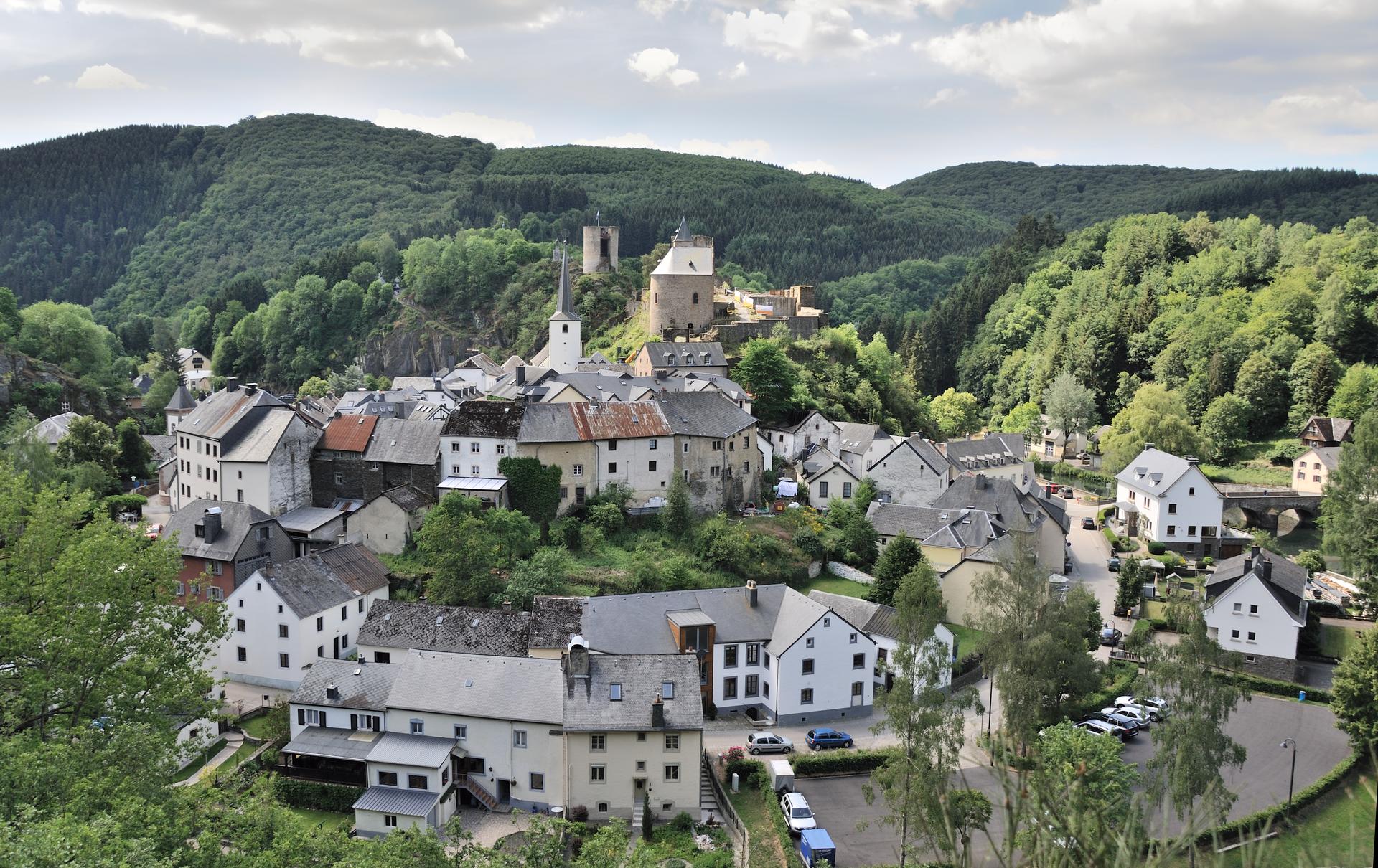
Looking beyond Trier? Discover Gutland for broader travel guides, local hot-spots, and regional highlights.
Explore Gutland
Kornmarkt in Trier is a vibrant square blending Baroque elegance, lively cafés, and centuries-old heritage, offering an inviting space amid the city’s ancient Roman marvels.
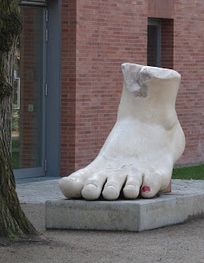
Discover Fuß des Konstantin in Trier—a captivating, history-rich plaza beneath the ancient Basilica of Constantine, offering sweeping views and a window to Roman grandeur.
