
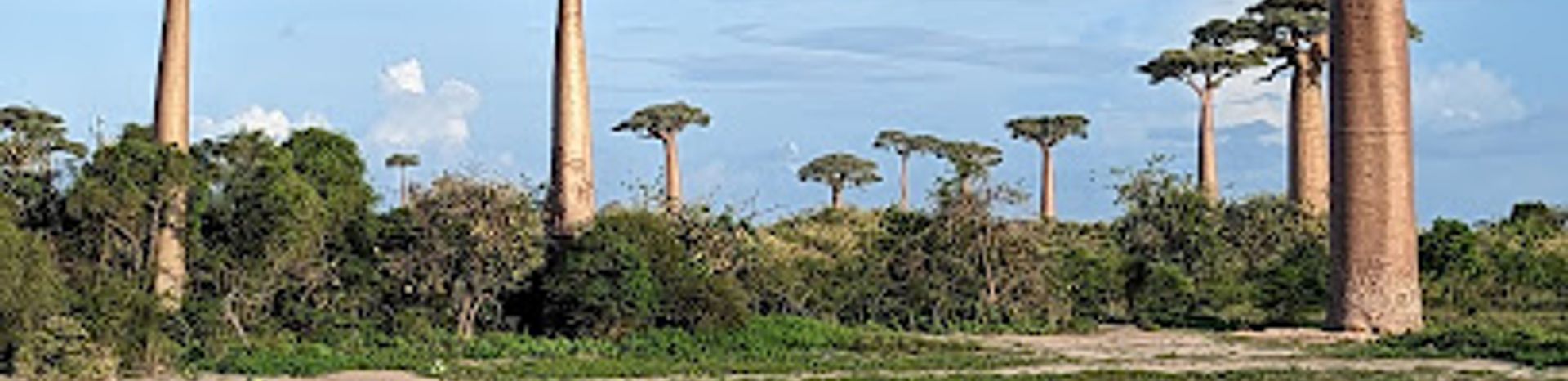
Avenue of the Baobabs: Madagascar's Majestic Natural Marvel
Explore the Avenue of the Baobabs in Madagascar, where towering trees meet breathtaking landscapes for an unforgettable travel experience.
Experience the breathtaking Avenue of the Baobabs, a stunning natural landmark in Madagascar known for its towering baobab trees, enchanting landscapes, and unforgettable sunsets. This iconic site offers visitors a glimpse into the unique flora of Madagascar and is perfect for photography enthusiasts and nature lovers alike.
A brief summary to Avenue of the Baobabs
- RN8, MG
Local tips
- Visit during sunrise or sunset for the most stunning photographs with the trees illuminated in golden light.
- Bring a camera and plenty of memory space; the scenery is incredibly photogenic.
- Consider hiring a local guide to learn more about the unique ecology and history of the baobabs.
- Dress comfortably for walking and bring water, as the area can get quite hot during the day.
- Respect the natural environment and avoid climbing or damaging the trees.

Getting There
-
Car
From your location within Tsingy de Bemaraha National Park, head east towards the main road leading out of the park. Follow the signs for 'RN8'. It is approximately a 45-minute drive (around 40 km) to Avenue of the Baobabs. The route takes you through beautiful rural landscapes. Be cautious of potholes and local wildlife. Upon reaching RN8, turn south towards Morondava. Continue on RN8 for about 30 km until you see the iconic baobab trees on your left. There is no entrance fee to view the trees, but parking may be limited.
-
Public Transportation
If you prefer public transportation, you will first need to return to the nearest town, Bekopaka. From Tsingy de Bemaraha, take a taxi-brousse (shared taxi) back to Bekopaka, which typically costs around 5,000 MGA ($1.50) per person. Once in Bekopaka, find a taxi-brousse heading to Morondava, which should cost approximately 15,000 MGA ($4.00) and take about 3-4 hours. Inform the driver you want to stop at Avenue of the Baobabs, as they usually know the area. Once you arrive, you may need to walk a short distance to the main viewing area.


