

Armenian Street (George Town) Travel Guide - Free
Explore Armenian Street in George Town with Evendo's free guide. Find the best shops, historic streets, restaurants, and gems on web or mobile.


Armenian Street in George Town pairs UNESCO-listed shophouses, Chinese temples, street art, heritage museums and cafés in Penang’s historic core.
Shophouses and Street Life
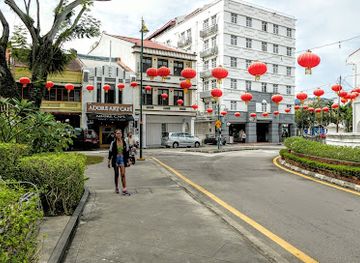
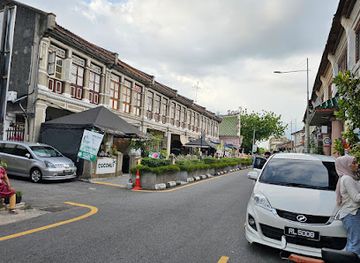
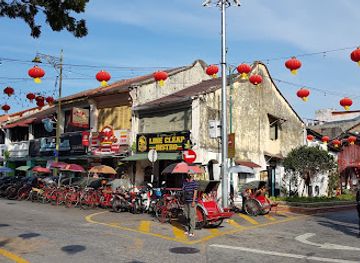
Armenian Street, or Lebuh Armenian, runs through the historic core of George Town, where narrow lanes, covered five-foot ways and weathered shophouses reveal the layered character of Penang’s old mercantile city. Its name recalls the Armenian traders who formed part of George Town’s early commercial world, although the street is now chiefly associated with Chinese clan institutions, temples, cafés, galleries and the visual culture of contemporary George Town. The area lies within the George Town UNESCO World Heritage Site, but it remains a working urban quarter rather than an open-air museum.Read more about Armenian Street
History in the Streetscape
Art, Food and Heritage
Best attractions in Armenian Street
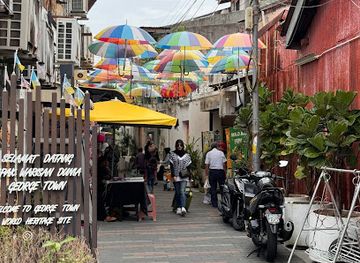
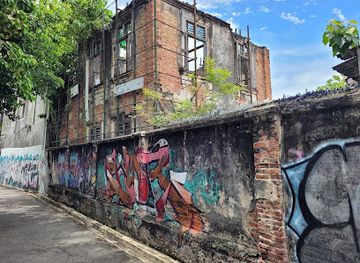
Armenian Street’s attractions are concentrated within a walkable heritage streetscape rather than a single monumental complex. The Children on a Bicycle mural is the area’s most photographed artwork, while nearby painted walls and George Town’s wrought-iron historical markers turn an ordinary street walk into an open-air cultural route. Hock Teik Cheng Sin offers a direct encounter with the Taoist traditions of the old Chinese quarter, and the Penang Islamic Museum in the former Syed Alatas Mansion explains the history of Muslim communities and commerce in Penang. Small galleries, craft-oriented shops and restored shophouses add contemporary interest, while neighbouring Cannon Street leads towards important clan institutions and temples. The short walk towards the waterfront extends the experience to the historic clan-jetties area, although those settlements are nearby rather than part of Armenian Street itself.
-
Tourist attraction
Pinang Peranakan Mansion
Uncover the vibrant Peranakan culture at the Pinang Peranakan Mansion, a captivating museum in George Town, Penang, showcasing rich heritage and history.
6 min walk · 0.5 km from neighbourhood centre
-
Tourist attraction
Armenian Park
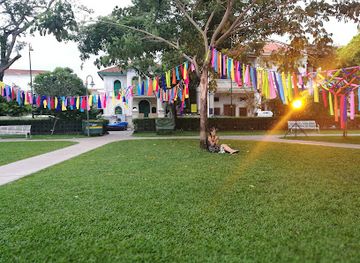
Explore the serene Armenian Park in George Town, a tranquil green space rich in cultural heritage and natural beauty, perfect for relaxation and exploration.
2 min walk · 0.1 km from neighbourhood centre
-
Tourist attraction
Sun Yat Sen Museum Penang
Uncover the legacy of Sun Yat Sen at this captivating museum in George Town, a blend of history and culture in Penang.
1 min walk · 0.1 km from neighbourhood centre
-
Tourist attraction
Too Narrow-Sculpture
Explore the captivating Too Narrow Sculpture in George Town, a unique artistic landmark showcasing the creative essence of Penang's vibrant culture.
1 min walk · 0.1 km from neighbourhood centre
Best landmarks in Armenian Street
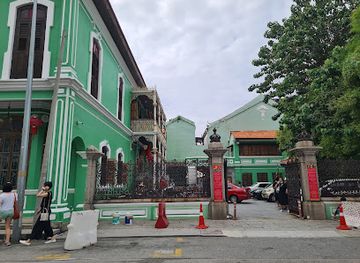
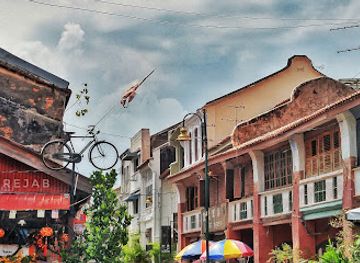
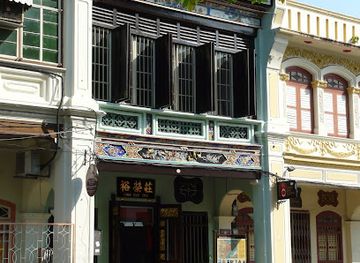
Armenian Street’s landmarks express the overlapping communities that built historic George Town. Hock Teik Cheng Sin, a Taoist temple on the street, remains an important religious presence, with its richly ornamented façade and community setting contrasting with the plain repetition of the shophouses. The Syed Alatas Mansion, now the Penang Islamic Museum, is a significant reminder of the Muslim merchant networks that helped shape Penang’s port society. The street’s continuous rows of two-storey shophouses, five-foot ways and timber-fronted upper rooms are themselves heritage features, showing how commerce and domestic life were combined in the old town. Nearby clan houses and ancestral temples on Cannon Street and adjoining lanes extend this architectural story, but are best described as part of the surrounding heritage quarter rather than landmarks located directly on every stretch of Armenian Street.
-
Tourist attraction
Armenian Street
Experience the vibrant culture and history of Armenian Street in George Town, where heritage buildings meet modern art and delicious local cuisine.
1 min walk · 0.1 km from neighbourhood centre
-
Park
Armenian Park
Explore the tranquility and cultural richness of Armenian Park in George Town, a serene escape for tourists seeking relaxation and history.
2 min walk · 0.1 km from neighbourhood centre
-
Museum
Sun Yat Sen Museum Penang
Unveil the legacy of Dr. Sun Yat Sen at the Sun Yat Sen Museum, a cultural gem in George Town, Penang, that celebrates history and heritage.
1 min walk · 0.1 km from neighbourhood centre
-
Tourist attraction
Lebuh Armenian Art Gallery
Experience the vibrant artistic culture at Lebuh Armenian Art Gallery in George Town, a must-visit for art lovers and cultural enthusiasts alike.
1 min walk · 0.1 km from neighbourhood centre
Explore Armenian Street on the map
A handpicked selection of must-see spots in Armenian Street, mapped for you.
Best hotels in Armenian Street
Best restaurants in Armenian Street
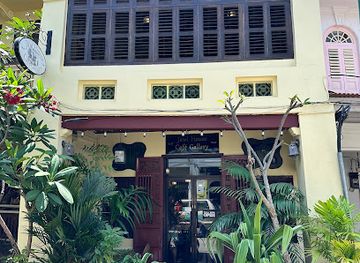
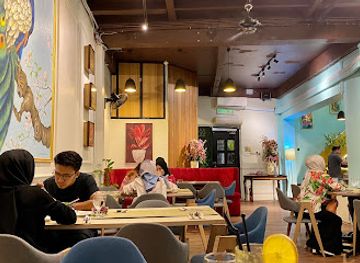
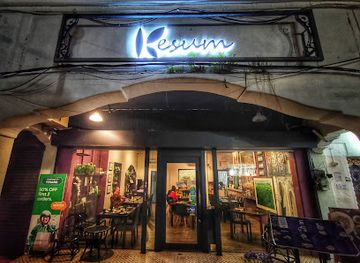
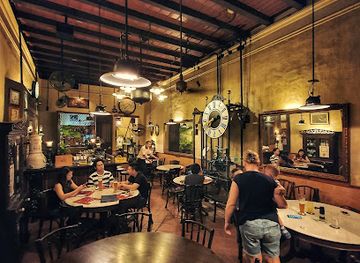
Dining on and around Armenian Street reflects George Town’s layered food culture, with cafés and restaurants occupying many of the restored shophouses and lanes in the heritage core. Visitors can find local Chinese-Malaysian cooking, Indian-Muslim influences, light café meals, pastries and drinks, alongside the broader hawker tradition for which Penang is known. The nearby streets towards Lebuh Pantai, Chulia Street and Carnarvon Street offer a wider range of established eateries, from informal noodle and rice dishes to contemporary cafés, but they should be treated as adjoining areas rather than Armenian Street proper. Eating here is as much about the setting as the menu: tiled floors, timber shutters, old arcades and compact courtyards often preserve the proportions of the former shophouses. Exact opening days and menus vary, so visitors should check locally rather than assume every venue operates throughout the day.
-
Cafe
Jawi House Cafe Gallery
Experience authentic Malay cuisine and local art at Jawi House Cafe Gallery in George Town – where culture meets culinary delight.
1 min walk · 0.1 km from neighbourhood centre
-
Halal
Sutera Restaurant
Discover the flavors of Malaysia at Sutera Restaurant in George Town, offering exceptional halal cuisine and an inviting atmosphere.
1 min walk · 0.1 km from neighbourhood centre
-
Restaurant
Kesum Art Restaurant
Experience exquisite Malaysian cuisine amidst captivating art at Kesum Art Restaurant in George Town.
1 min walk · 0.1 km from neighbourhood centre
-
Swiss
Edelweiss Cafe
Experience authentic Swiss cuisine at Edelweiss Cafe in George Town, where every dish tells a story of tradition and flavor.
1 min walk · 0.1 km from neighbourhood centre
Best bars in Armenian Street
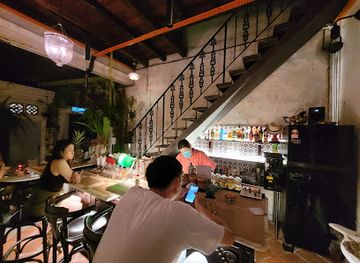
Armenian Street is primarily a daytime heritage and cultural quarter, and its evening atmosphere is generally calmer than the nightlife streets elsewhere in central George Town. Some cafés and restored shophouses remain social places after sunset, but the street itself is not a concentrated clubbing district. For a broader choice of bars, music-led venues and late-night establishments, visitors usually continue towards nearby Love Lane, Chulia Street and the adjoining heritage lanes; these areas are close but geographically distinct. The contrast is part of the neighbourhood’s appeal: Armenian Street provides a quieter setting for an evening walk past illuminated façades and temples, while the surrounding centre supplies more conventional nightlife. Visitors should respect residential doorways and religious buildings, keep voices down in narrow lanes and check current arrangements directly with any venue they intend to visit.
-
Pub
The Pokok - All Day Bar
Experience the vibrant nightlife of George Town at The Pokok - All Day Bar, offering delicious food, craft drinks, and a lively outdoor atmosphere.
5 min walk · 0.4 km from neighbourhood centre
-
Cocktail bar
Archipelago
Experience the tropical charm of Archipelago, a cocktail bar in George Town offering unique drinks and a vibrant ambiance for unforgettable nights.
2 min walk · 0.1 km from neighbourhood centre
-
Coffee shop
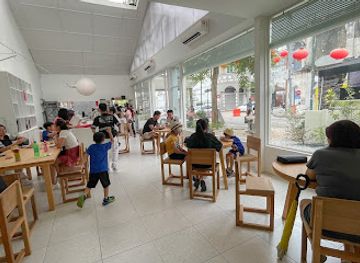
Your Local Club
Discover Your Local Club in George Town: A perfect blend of coffee culture, delightful cuisine, and unique cocktails in a cozy atmosphere.
2 min walk · 0.2 km from neighbourhood centre
-
Wine bar
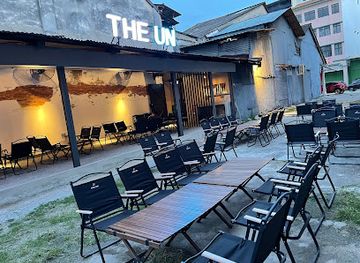
THE UN
Discover The UN, a unique wine bar in George Town, blending sophistication with rustic charm for an unforgettable night out.
3 min walk · 0.2 km from neighbourhood centre

Best nightclubs in Armenian Street
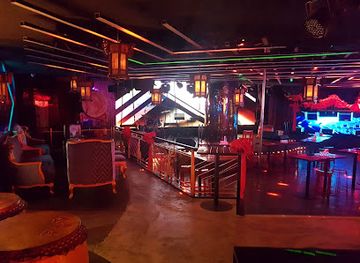
Armenian Street is primarily a daytime heritage and cultural quarter, and its evening atmosphere is generally calmer than the nightlife streets elsewhere in central George Town. Some cafés and restored shophouses remain social places after sunset, but the street itself is not a concentrated clubbing district. For a broader choice of bars, music-led venues and late-night establishments, visitors usually continue towards nearby Love Lane, Chulia Street and the adjoining heritage lanes; these areas are close but geographically distinct. The contrast is part of the neighbourhood’s appeal: Armenian Street provides a quieter setting for an evening walk past illuminated façades and temples, while the surrounding centre supplies more conventional nightlife. Visitors should respect residential doorways and religious buildings, keep voices down in narrow lanes and check current arrangements directly with any venue they intend to visit.
-
Disco club
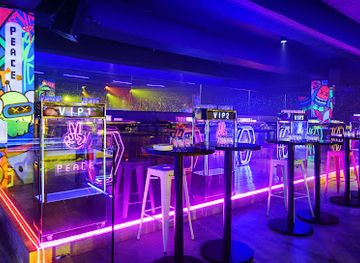
Peace Club Penang
Unleash your night at Peace Club Penang, the ultimate disco and casino experience in the heart of George Town's vibrant nightlife.
8 min walk · 0.6 km from neighbourhood centre
-
Disco club
PENDORA CLUB | 潘多拉俱乐部
Experience the vibrant nightlife of Georgetown at Pendora Club, where music, dancing, and unforgettable moments await every night.
10 min walk · 0.8 km from neighbourhood centre
-
Night club
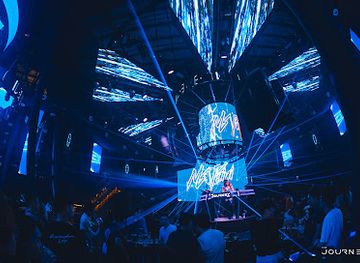
The Journey Club Penang
Discover the ultimate nightlife experience at The Journey Club Penang, where vibrant music meets an electric atmosphere for an unforgettable night out.
8 min walk · 0.7 km from neighbourhood centre
-
Night club
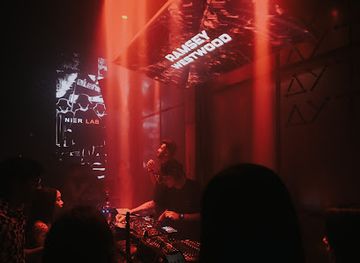
NiER LAB
Discover the lively nightlife of George Town at NiER LAB, where trendy cocktails and top DJs create an unforgettable party experience.
3 min walk · 0.2 km from neighbourhood centre
Best shops in Armenian Street
Shopping on Armenian Street is oriented towards small-scale heritage retail rather than department stores or a single traditional market. Restored shophouses contain craft outlets, galleries, design-led shops, souvenirs, books, clothing and objects inspired by Penang’s multicultural history, while neighbouring lanes offer more cafés and independent businesses. The experience is strongest when browsing the architecture and shopfronts together: old shutters, tiled interiors and arcaded walkways often survive alongside newer creative uses. Visitors seeking a broader traditional market atmosphere can continue towards Chowrasta Market on Penang Road, but that is nearby rather than within Armenian Street. Retail stock and individual businesses change regularly, so the area is better suited to unhurried browsing for locally connected craft, art and design than to predictable brand shopping. Bargaining should be approached politely and only where a seller indicates that it is customary.
-
Shopping mall
Armenian Street
Explore Armenian Street in George Town, Penang—a vibrant hub of shopping, culture, and art in a UNESCO World Heritage Site.
1 min walk · 0.1 km from neighbourhood centre
-
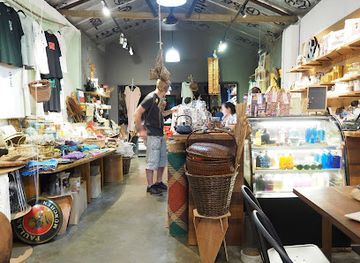
Souvenir store
TIMURA
Explore the vibrant culture of Penang at TIMURA, the ultimate souvenir store in George Town, offering a unique collection of local crafts and treasures.
4 min walk · 0.3 km from neighbourhood centre
-
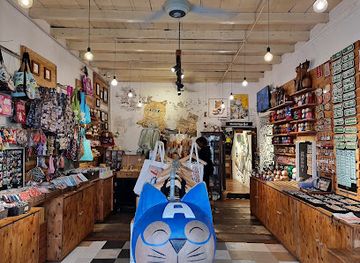
Souvenir store
The Heritage Cat
Discover unique cat-themed souvenirs at The Heritage Cat in George Town, Penang, a must-visit for every feline lover.
1 min walk · 0.1 km from neighbourhood centre
-
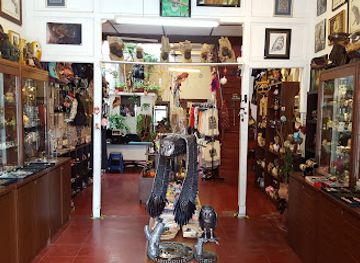
Souvenir store
Owl Shop
Discover unique souvenirs and local artistry at Owl Shop in George Town, the heart of Penang’s cultural heritage.
1 min walk · 0.1 km from neighbourhood centre

From Eve
Local phrases worth knowing
You don't need to get them perfect. A few words go a long way, and locals appreciate the effort.
Basics
| English | Local | Say it |
|---|---|---|
| Hello | Բարև | [Barev] |
| Goodbye | Ցտք | [Ts'tk] |
| Yes | Այո | [Ayo] |
| No | Ոչ | [Voč] |
| Please/You're welcome | Խնդրում եմ | [Khndrum em] |
| Thank you | Շնորհակալ եմ | [Shnorhakal em] |
| Excuse me/Sorry | Ներքևում եմ | [Nerk'eowm em] |
| How are you? | Ինչպես եք? | [Inč'pes ek?] |
| Fine. And you? | Լավ. Այստեղ? | [Lav. Aystegh?] |
| Do you speak English? | Դուք խոսք եք անգլերեն? | [Duk' xosk ek angleṙen?] |
| I don't understand | Ես չեմ հասկանում | [Yes čem haskanum] |
Eating & Drinking
| English | Local | Say it |
|---|---|---|
| I'd like to see the menu, please | Խնդրում եմ մենյունը | [Khndrum em menyunə] |
| I don't eat meat | Ես միս չեմ ուտում | [Yes mis čem ut'um] |
| Cheers! | Կէլիս | [Kēlis] |
| I would like to pay, please | Խնդրում եմ վճարել | [Khndrum em vc'arel] |
Emergencies
| English | Local | Say it |
|---|---|---|
| Help! | Օրենք! | [Orenk'!] |
| Go away! | Երբեք առաջ! | [Yerbek' araj!] |
| Call the Police! | Զակավցեք ոստիկան | [Zakavc'ek' vostikan] |
| Call a doctor! | Զակավցեք բժշկին | [Zakavc'ek' bžškin] |
| I'm lost | Ես տեխաւի եմ | [Yes texavi em] |
| I'm ill | Ես հիվանդ եմ | [Yes hivand em] |
Shopping
| English | Local | Say it |
|---|---|---|
| I'd like to buy... | Խնդրում եմ գնել | [Khndrum em gnel] |
| I'm just looking | Միայն մեկ տեսում եմ | [Miayn mek tesum em] |
| How much is it? | Ինչքան է դրանը? | [Inč'kan ē dranə?] |
| That's too expensive | Դա շատ թաքսել է | [Da šat' t'ak'sel ē] |
| Can you lower the price? | Եթե գնահատեք գնելը | [Ete gnahatek' gnelə] |
Time & Numbers
| English | Local | Say it |
|---|---|---|
| What time is it? | Որ ժամ է? | [Vor žam ē?] |
| It's one o'clock | Մեկը ժամ է | [Mekə žam ē] |
| Half past (10) | Այնտեղ կես է | [Aynegh kes ē] |
| Morning | Առավոտ | [Aravot] |
| Afternoon | Կեսօր | [Kesor] |
| Evening | Երեկ | [Erek] |
| Yesterday | Երեքը | [Ereke] |
| Today | Այսօր | [Aysor] |
| Tomorrow | Վարը | [Varə] |
| 1 | Այս | [Ays] |
| 2 | Երկու | [Eryu] |
| 3 | Երեք | [Ereke] |
| 4 | Չորս | [Č'ors] |
| 5 | հինգ | [Hing] |
| 6 | վեց | [vec'] |
| 7 | յոթ | [yot'] |
| 8 | ութ | [ut'] |
| 9 | ինը | [inə] |
| 10 | տաս | [tas] |
Transport & Directions
| English | Local | Say it |
|---|---|---|
| Where's a/the...? | Որտեղ է ...? | [Vortegh ē ...?] |
| What's the address? | Որտեղ է հասցեն? | [Vortegh ē hasc'en?] |
| Can you show me (on the map)? | Կարող եք ցուցադրել (քարտեզում)? | [K'arog' ek' ts'uc'adrel (k'artežum)?] |
| When's the next (bus)? | Երեկոյանը երբ է հաջորդը? | [Ereyoyany erb ē hajordə?] |
| A ticket (to ....) | Կարճան վիճեր (մինչև ....) | [Karč'an vič'er (minč'ev ....)] |
History of Armenian Street
A Mercantile Street in Early George Town
Armenian Street developed within George Town’s early urban grid after the British settlement was established on Penang Island in 1786. Its name is generally associated with Armenian merchants, one of several trading communities active in the port, although the street’s surviving character was shaped by a much wider network of Chinese, Malay, Indian, Arab and European commerce. As George Town expanded, shophouses combined business premises with family accommodation, while narrow lanes and five-foot ways created practical connections through the dense town centre.
Temples, Clans and Merchant Networks
During the nineteenth and early twentieth centuries, the street and its surrounding lanes became part of the institutional landscape of Chinese George Town. Temples such as Hock Teik Cheng Sin served religious, charitable and community purposes, while nearby clan houses and ancestral halls helped migrants establish social networks, settle disputes and support newcomers. The adjoining streets also contained Muslim and other trading communities, reflected in buildings such as the Syed Alatas Mansion. This mixture of religious and commercial institutions gave the quarter a more complex identity than its street name alone suggests.
Postwar Change and Conservation
After the Second World War, changing patterns of trade, suburban growth and declining demand for traditional shophouse living altered the historic centre. Some buildings were adapted, subdivided or left in poor condition, while established temples and family associations continued to maintain local connections. Conservation work later encouraged the repair and reuse of heritage buildings, with former residences and commercial premises finding new roles as museums, cafés, galleries and guesthouses. These changes brought visitors back to Armenian Street but also made the balance between commercial activity and everyday residential life an important part of its contemporary character.
World Heritage and Contemporary Street Art
George Town and Malacca were inscribed together as UNESCO World Heritage Sites in 2008, formalising international recognition of the historic city’s multicultural townscape. Armenian Street subsequently became one of George Town’s best-known cultural walking routes as murals, wrought-iron history signs and restored shophouses joined its older temples and community buildings. The street-art additions did not replace the area’s historical identity; instead, they created a newer layer of public culture that sits alongside religious practice, small businesses and the inherited architecture of the port city.
Armenian Street in Photos
Browse through our photo collection highlighting the charm and character of the destination.
Neighbourhoods near Armenian Street
The closest neighbourhoods to Armenian Street, if you have time for more than one stop.
-

-

-

-

-


Swipe for more neighbourhoods

