Grande Mosquée de Bamako, Bamako Travel Guide
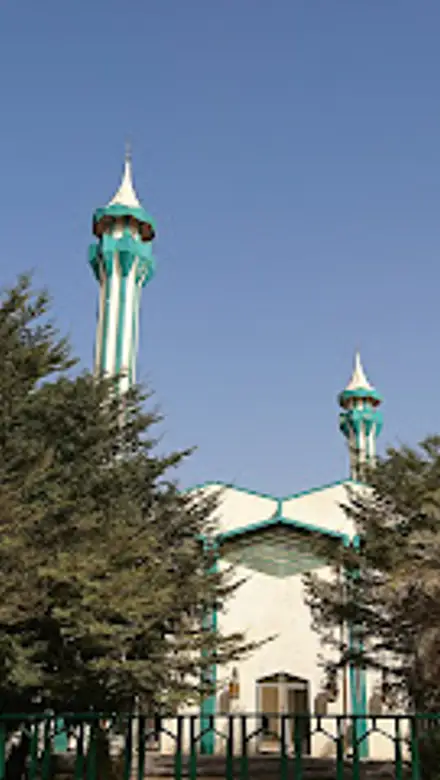
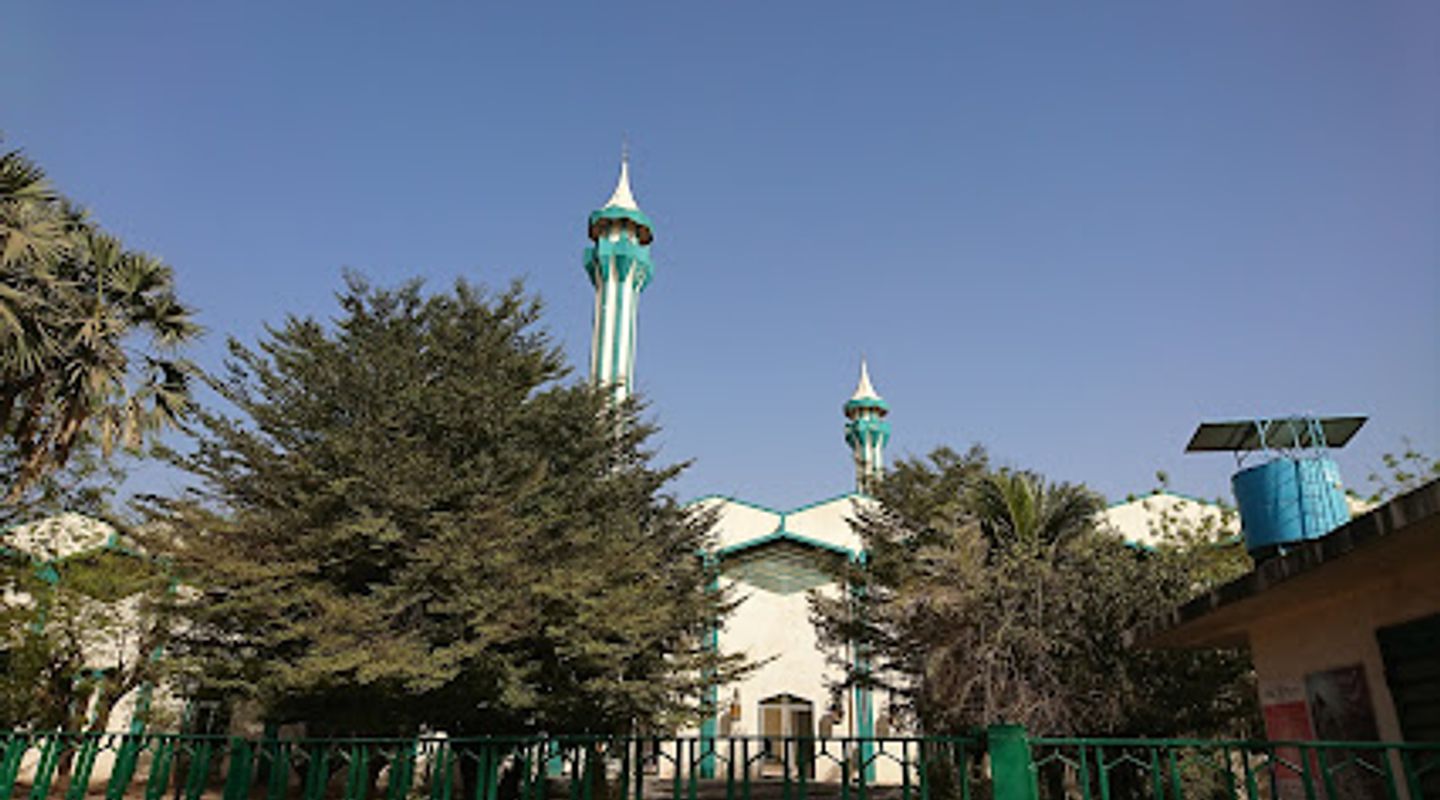
Discover Bamako's iconic mosque, a blend of Saudi Arabian architecture and Malian Islamic heritage, near the bustling Grand Marché.
The Grande Mosquée de Bamako, built in the late 1970s with Saudi Arabian funding, stands as a prominent Islamic landmark in Mali's capital. Replacing a pre-colonial mud-brick mosque, its architecture reflects Saudi Arabian influences rather than traditional West African styles.
A brief summary to Grande Mosquée de Bamako
- J2W4+QP9, Bamako, ML
- Click to display
- Monday 5 am-9 pm
- Tuesday 5 am-9 pm
- Wednesday 5 am-9 pm
- Thursday 5 am-9 pm
- Friday 5 am-9 pm
- Saturday 5 am-9 pm
- Sunday 5 am-9 pm

Know before you go
Hi, I'm Eve. Here are a few practical things to know before exploring Grande Mosquée de Bamako.
- Dress modestly when visiting the mosque to show respect for local customs and religious practices.
- Visit during prayer times to experience the mosque's lively atmosphere, but be mindful and respectful of worshippers.
- Combine your visit with a trip to the nearby Grand Marché to experience the vibrant local culture and commerce.
Do you manage this location?
Take control to get all the benefits, like improved information, better appearance, and stronger visibility across AI-powered discovery. Learn more about listing your business on Evendo
Activate your presenceOther nearby places you may find interesting
The closest places of the same kind, if this one is not quite what you had in mind.

Explore Grande Mosquée de Bamako on the Map
A handpicked selection of must-see spots near Grande Mosquée de Bamako, mapped for you.
Getting There
-
Walking
From the Grand Marché, walk north for approximately 5 minutes. The mosque is easily visible due to its prominent minarets. Be aware of traffic and pedestrian flow in the market area.
-
Public Transport
Take a local green minibus (SOTRAMA) heading north and ask the driver to stop near the Grande Mosquée. SOTRAMA fares typically range from 100-300 CFA. Be prepared for crowded conditions.
-
Taxi
Hail a taxi from anywhere in central Bamako. Negotiate the fare before starting your journey. A short taxi ride to the Grande Mosquée should cost approximately 1,500-4,000 CFA. Specify that you want a car, not a motorcycle taxi.
Discover more about Grande Mosquée de Bamako
More to explore near Grande Mosquée de Bamako













Your all‑in‑one travel companion app
Explore expert travel guides, compare and book tours, experiences, hotels, and more—all from the palm of your hand. Download now for seamless trip planning wherever your wanderlust takes you.


Explore More of Bamako
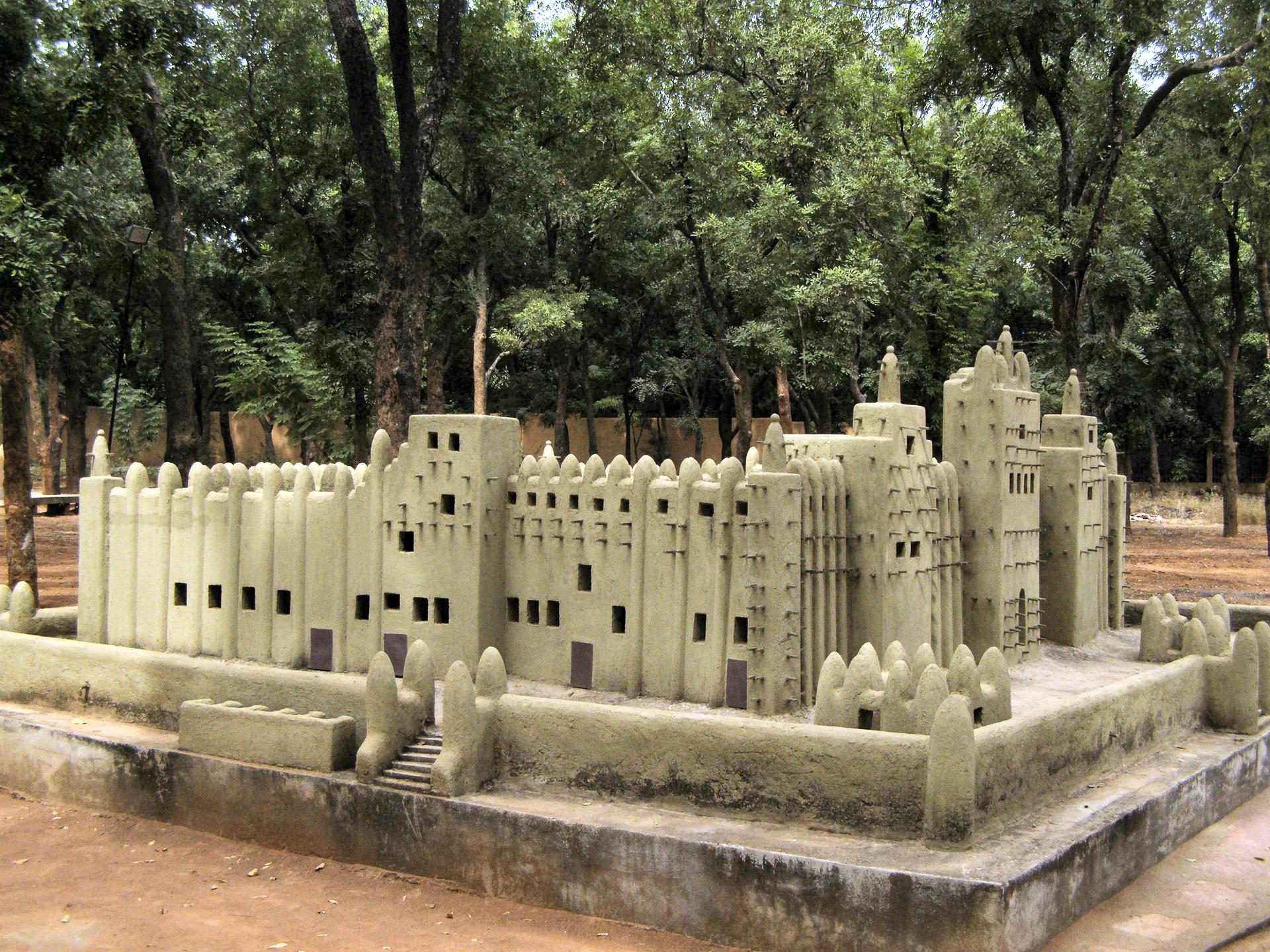
Looking beyond Grande Mosquée de Bamako? Discover Bamako for broader travel guides, local hot-spots, and regional highlights.
Explore Bamako